Combined Transport
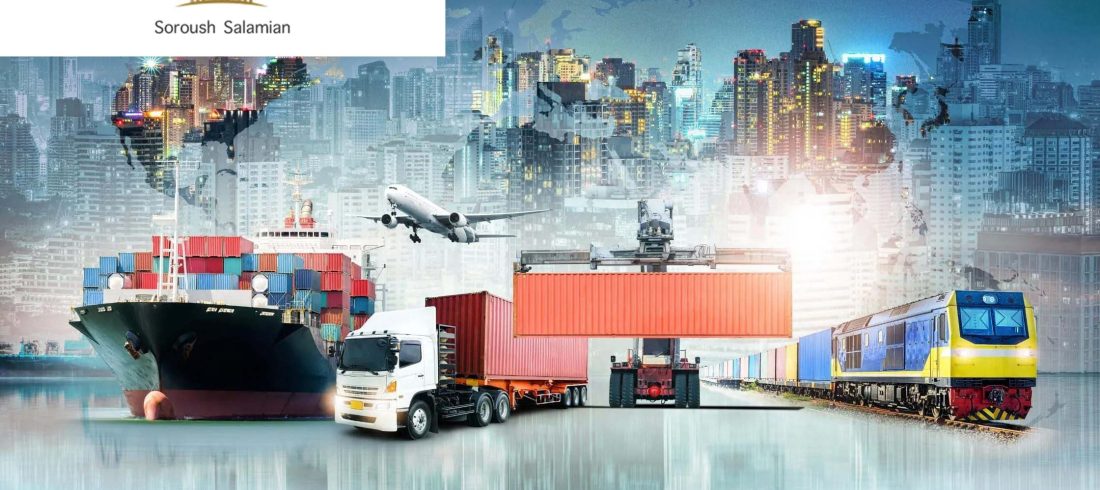
Combined transport refers to the use of two or more modes of transportation, such as maritime, land, and air, to move goods or passengers from one point to another. The purpose of combined transport rules is to coordinate these modes so that carriage is continuous and responsibilities are clearly defined. In the legal system of the Islamic Republic of Iran, combined transport is most commonly addressed in the context of international trade, particularly where goods enter through ports and are subsequently transferred to inland destinations.
Under Iran’s transport-related regulations and the Iranian Commercial Code, there is no general prohibition on combining different modes of transport, provided that each segment complies with the rules governing that mode. For example, when goods are moved from Shahid Rajaee Port to Tehran by sea, truck, and, where necessary, by air, the combined transport framework must take into account maritime rules, road transport requirements, and air carriage standards. In combined transport contracts, allocating responsibility is essential. It should be specified which company or person is liable for damage or delay at each stage. Under Iranian law, these matters may be pursued under principles of civil liability and contractual rules.
Combined Transport Contract
Under Iran’s legal framework, a combined transport contract should comply with the legal requirements applicable to maritime, land, and air carriage. This contract is often referred to as a general or joint carriage contract and must be executed in writing and signed by the parties.
The contract should address the delivery timeline, the modes of transport, each party’s responsibilities, the measure of damages in the event of an incident, insurance arrangements, termination conditions, and delay penalties. It must also identify which stage of transport is under the responsibility of which company or individual. In the event of a dispute, courts and arbitral bodies typically rely on the contract and assess its compliance with the relevant combined transport rules before issuing a decision. The absence of a clear and detailed contract can lead to serious conflicts and potentially irreparable losses.
Legal Foundations of Maritime Carriage
In the maritime segment, combined transport is strongly influenced by Iran’s Maritime Code, adopted in 1964, as well as international conventions and regimes such as the Hague Rules and the Hamburg Rules, which are sometimes referenced in practice. Under the Maritime Code, maritime carriers are required to deliver cargo to the specified destination in sound condition and without undue delay. In combined transport, the maritime leg often initiates the transport chain, and if cargo is damaged during this stage, liability generally falls on the maritime carrier.
The Maritime Code also addresses the issuance of bills of lading, cargo insurance, and the carrier’s liabilities. The bill of lading is particularly important in combined transport because it may later serve as evidence of shipment and ownership in subsequent stages. Using combined transport on routes such as southern Iran to central regions requires careful compliance with the Maritime Code and, where applicable, obtaining the necessary permits.
Governing Principles of Land Transport
Land transport in Iran, whether by road or rail, is governed by regulations and directives issued by the Ministry of Roads and Urban Development, as well as relevant bylaws. In this segment, combined transport rules focus on coordination among road transport companies, the Road Maintenance and Transportation Organization, and other related authorities. Under road cargo transport regulations, the driver is required to deliver the shipment intact and without interruption to the designated destination. When goods enter a port and are then moved by truck, the maritime, land transport, and insurance documents must all be valid and consistent.
A significant challenge in land transport is the lack of full alignment between customs rules and road transport controls. As a result, commercial operators and legal advisors should ensure precise coordination to prevent cargo from being delayed at customs or inspection checkpoints. In combined transport, the land segment plays a central role in domestic logistics and, in many cases, becomes the focus of legal scrutiny when damage occurs.
Legal Status of Air Carriage
Air carriage in Iran is subject to the regulations of the Civil Aviation Organization of the Islamic Republic of Iran and international instruments such as the Warsaw Convention and the Montreal Convention. Within combined transport, the air segment is usually used in special or urgent situations. At this stage, an Air Waybill is issued, and it must be consistent with the other transport documents in the combined chain. The air waybill should contain precise information about the consignor, the consignee, the cargo specifications, and the delivery schedule.
If air carriage is the final stage, for example, transporting sensitive imported goods from Tehran to Mashhad, the air carrier is responsible for delays or damage in that segment. If the air leg is one part of a longer chain, responsibilities must be divided precisely under the combined transport contract. In Iran, disputes related to this segment are generally heard by the general courts and, in certain circumstances, by the Administrative Justice Court. Appropriate insurance and document consistency are legally critical in this stage.
Legal Responsibilities of Carriers
Iranian combined transport practice generally treats the carrier’s responsibility separately at each stage. However, in multi-stage contracts, a single company may assume responsibility for the entire process as the principal carrier or the main operator. Under the Iranian Commercial Code and the Civil Code, each carrier is required to deliver the cargo in sound condition, on time, and in accordance with the agreed terms. Failure to meet these obligations may lead to civil claims for damages and, in certain cases, regulatory consequences affecting operating licenses. For example, if cargo is damaged during the land segment but documents are drafted in a manner that still identifies the maritime carrier as responsible, a legal analysis of the contract and documents becomes necessary.
The Role of the Bill of Lading in Combined Transport
Within combined transport, the bill of lading is among the most important legal documents. It plays a key role in allocating responsibility, proving the contract of carriage, and describing the cargo. Issued by the carrier, it may be prepared as a single unified document or as a sequence of documents. In the unified approach, one bill of lading covers the entire route across maritime, land, and air segments. In the sequential approach, a separate document is issued for each segment, and the documents must be connected and consistent. Under Iran’s combined transport practice, the bill of lading should include accurate and complete information, including:
- Consignor and consignee details.
- Type, weight, quantity, packaging, and physical characteristics of the cargo.
- Transport route from origin to final destination.
- Loading and discharge dates.
- Names of carriers for each stage.
- Legal responsibilities and obligations of the parties.
In legal disputes involving combined transport, the bill of lading is a primary piece of evidence. If it is not properly drafted or if one stage is omitted, a court or arbitral body may decline to accept the consignor’s or consignee’s claim as presented. For this reason, it is recommended that transport documents be prepared with appropriate legal expertise to protect the rights of all parties.

The Role of Insurance in Combined Transport
At every stage of combined transport, a valid and comprehensive insurance policy is critical. Under the Iranian combined transport practice, the cargo owner or the carrier is expected to insure the cargo against various risks that may arise during the route, whether by sea, land, or air. The insurance policy should cover the entire chain and provide compensation to the beneficiary in the event of an incident or loss. Coverage should typically include theft, fire, sinking, traffic accidents, delivery delay, and damage caused during handling and transfer. The choice of insurance type, the insurer’s obligations, the insured amount, and the policy validity period are among the key items that should be addressed in a manner consistent with combined transport requirements.
Where disputes arise between the carrier and the cargo owner, the insurance policy can be decisive in proving fault or allocating responsibility. Many combined transport disputes are resolved by reference to policy terms and the scope of coverage. It is therefore recommended that legal advice be obtained before commencing any combined transport process, so that the insurance documentation is properly structured and all parties clearly understand the terms. This step reduces risk and increases transparency and legal security throughout the transport operation.
Customs and Combined Transport
Under Iran’s customs regulations and combined transport practice, when cargo is transported through a combination of maritime, land, or air routes, all relevant carriage documents must be presented to Iranian Customs. For customs clearance, Iran Customs requires accurate documentation, including the customs declaration, stage-specific or unified transport documents, the insurance policy, the invoice, the packing list, required permits where applicable, and the identification documents of the parties to the transaction.
One of the complexities in combined transport arises when goods enter through a port and must continue inland by land or air. In such cases, customs authorities must confirm the final destination and ensure that transit and international transfer permits have been obtained correctly. Failure to provide complete and accurate documents may lead to cargo detention or clearance delays.
In addition, customs circulars may require that tariffs, duties, and import charges be calculated differently for different segments. This further increases the importance of preparing a precise, unified, or sequential transport document set. In the event of a dispute with customs authorities, it is advisable to seek counsel from lawyers experienced in combined transport and customs law, because documentation quality can be decisive in the success of a legal file.
Liability in the Event of Delay or Damage
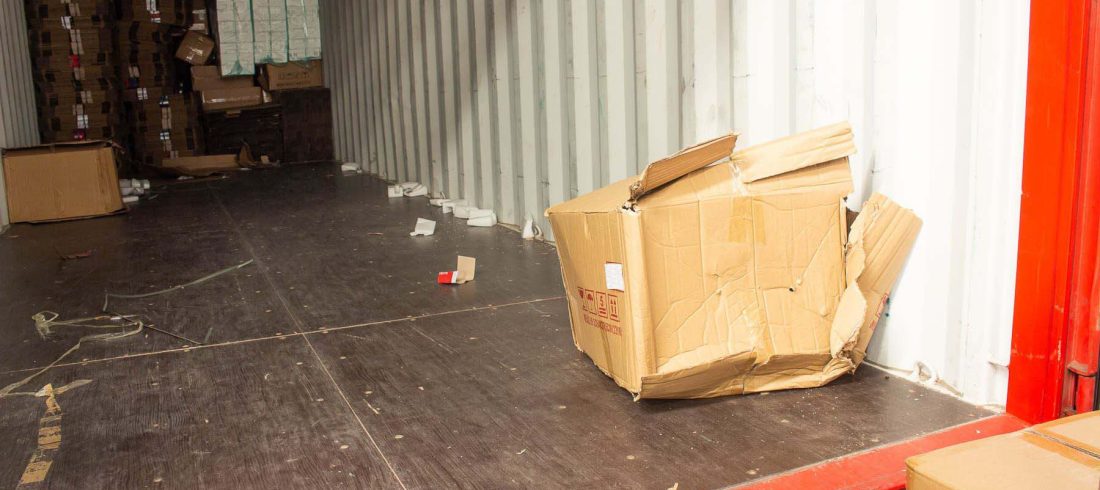
A key issue in combined transport is determining responsibility when delays, damage, or loss occur along the route. In multi-modal carriage, several companies may participate, and identifying the liable party requires careful review of the contract, the transport documents, and relevant commercial practice. As a general principle reflected in Iranian legal analysis and related conventions, if a unified transport document is issued, the issuer is often treated as the final responsible party. If documents are issued sequentially, responsibility typically rests with the carrier operating the stage where the incident occurred, unless the contract clearly allocates liability differently.
If the contract expressly assigns responsibility for delay or damage to a specific party, courts generally decide based on the contract language. Where the contract is not explicit, courts often refer to international commercial practice, judicial precedent, and the general principles of Iranian civil and commercial law. In some cases, delay or damage may result from force majeure factors such as natural disasters or international sanctions. In such circumstances, establishing force majeure and the absence of fault becomes essential. Accordingly, all evidence and records related to delay or loss should be collected and preserved to support any claim before the competent authority.

Judicial Resolution of Combined Transport Disputes
When a dispute arises between the parties under a combined transport arrangement, legal and judicial procedure becomes particularly important. Disputes may involve delivery delay, cargo damage, failure to comply with insurance obligations, document inconsistencies, or breaches of customs requirements.
In Iran, competent forums for resolving these disputes may include:
- General civil courts are typically based on the defendant’s residence or the place of delivery.
- The Administrative Justice Court, where government bodies or customs authorities are involved.
- Dispute Resolution Councils for lower value claims.
- Domestic or international arbitration bodies, as provided in the transport contract.
To pursue an effective claim, comprehensive documentation is required, including the bill of lading, insurance policy, written contract, correspondence, invoices, payment receipts, and damage reports. Engaging legal counsel experienced in transport matters can materially affect outcomes. While some disputes may be resolved through negotiation or mediation, complex technical and legal issues may require court proceedings or arbitration. For this reason, combined transport contracts should be carefully drafted from the outset, with legal support, to reduce the risk of future disputes.
Frequently Asked Questions About Combined Transport
Combined transport is the use of two or more modes of transportation, including maritime, land, and air, to move goods or passengers from one location to another under coordinated arrangements that align with the rules governing each mode.
A combined transport contract is typically in writing and should address delivery timelines, modes of carriage, allocation of responsibility, damages, insurance, termination conditions, and delay penalties.
The maritime segment is influenced by Iran’s Maritime Code and, in practice, by international regimes such as the Hague Rules and the Hamburg Rules. Bills of lading and cargo insurance are central documents for this stage.
Land transport is governed by relevant regulations and directives, and the carrier is generally required to deliver the shipment intact and without undue interruption. Maritime, land, and insurance documents should remain valid and consistent throughout the chain.
Air carriage is governed by domestic aviation regulations and international instruments such as the Warsaw and Montreal Conventions. An Air Waybill is issued and should be consistent with other transport documents, while liability must be clearly allocated in the combined transport contract.
Each carrier is generally responsible for timely and safe delivery within its stage, and in some arrangements a principal carrier may assume responsibility for the entire transport chain. Failure to comply can lead to claims for damages and regulatory consequences.
The bill of lading is a primary legal document used to evidence the contract of carriage, describe the cargo, and support allocation of liability. It may be unified for the entire route or issued sequentially for each stage, but it must be accurate and complete.
A comprehensive insurance policy should cover the entire chain of carriage and common risks such as theft, fire, sinking, accidents, handling damage, and delays. Insurance terms often play a decisive role in resolving disputes.
Iran Customs typically requires complete documentation, including the customs declaration, unified or stage-specific transport documents, insurance policy, invoice, packing list, and required permits. Incomplete documents can result in detention or clearance delays.
If a unified transport document is issued, the issuer is often treated as the final responsible party. If documents are issued sequentially, liability generally rests with the carrier operating the stage where the incident occurred, unless the contract provides otherwise.
Depending on the circumstances, disputes may be resolved through general civil courts, the Administrative Justice Court, Dispute Resolution Councils for lower value claims, or domestic and international arbitration where provided by contract. Effective claims typically require complete supporting documents such as the contract, bills of lading, and insurance policy. What is combined transport?
What are the key features of a combined transport contract?
What are the legal foundations of the maritime segment in combined transport?
What rules apply to the land segment in combined transport?
How does air carriage operate within combined transport?
What are the responsibilities of carriers in combined transport?
Why is the bill of lading important in combined transport?
What is the role of insurance in combined transport?
How does customs clearance relate to combined transport in Iran?
Who is liable for delay or damage in combined transport?
How are combined transport disputes resolved in Iran?