Review of International Maritime Conventions
International maritime conventions are agreements between states designed to establish uniform standards across various areas of navigation and shipping. These conventions are adopted by the International Maritime Organization (IMO) and other specialized international bodies, and they become legally effective within a national legal system after final approval and domestic acceptance through the relevant legislative process. In Iran, this process is carried out through approval by the Islamic Consultative Assembly, meaning that any binding legal obligation related to maritime transport must be incorporated into the domestic legislative framework before it can be implemented.
The underlying concept of these conventions is built on international order, multilateral cooperation, and the protection of all stakeholders in the maritime sector. Once a country such as Iran accedes to these conventions and recognizes them, it assumes responsibilities in areas such as safety, training, environmental protection, and dispute resolution. This integrated framework not only supports global standards but also strengthens Iran’s legal standing in international maritime affairs.
The Role of the International Maritime Organization (IMO)
The IMO is the principal body responsible for developing standards and adopting international maritime conventions. With the goals of improving safety at sea, preventing pollution of the marine environment, and facilitating global trade, the IMO has adopted specialized conventions covering ship construction, seafarer training, cargo operations, navigation, and liability frameworks.
For Iran, as a state with extensive maritime borders and strategic ports, participation in the IMO is particularly significant not only legally but also technically and operationally. Iranian representation within IMO committees enables regulatory development to reflect regional realities. However, for these standards to become enforceable domestically, they must be adopted through Iran’s legislative structure. The IMO has also established inspection and ongoing verification mechanisms that require vessels, including Iranian-flagged vessels, to comply with convention-based standards.
SOLAS: Safety of Ship Construction and Operation
SOLAS is among the most comprehensive international maritime conventions and is widely regarded as the central instrument for maritime safety. It sets standards for hull design, ship structure, safety equipment such as life-saving appliances and alarm systems, fire suppression systems, and crew training.
By acceding to SOLAS and aligning domestic rules accordingly, states, including Iran, are required to apply these standards throughout the construction and operational lifecycle of vessels. This includes periodic surveys, issuing safety certificates, and ensuring that crew members are properly trained to manage emergency operations.
Where these standards are not met, non-compliant vessels may be inspected in domestic or foreign ports and may be detained or restricted from sailing. For legal professionals, understanding the legal structure of SOLAS adoption and its incorporation into domestic law is important because it directly affects vessel certification, operational licensing, and the handling of maritime casualty claims.
MARPOL: Legal Protection of the Marine Environment
MARPOL is a specialized convention designed to prevent pollution of the marine environment. Its six annexes address major categories of pollution, including oil, chemicals, sewage, garbage, air pollution from ships, and the carriage of harmful substances.
When Iran accedes to MARPOL and adopts its annexes domestically, legal and operational duties arise for maritime and port authorities. These duties include adopting rules for discharge control, waste collection and disposal, and delivering training to shipowners and port entities. From a legal perspective, failure to comply with MARPOL may result in ship detention, significant fines, and, in certain circumstances, criminal exposure. For lawyers and compliance professionals, close analysis of MARPOL obligations and the structure of civil and criminal liability is essential, both to prevent environmental violations and to support practical compliance planning for Iranian ports.
STCW: Training and Competency of Seafarers
STCW provides a framework for training, certification, and the maintenance of professional competency standards for seafarers. Under this convention, each seafarer must complete the required training at approved institutions and then obtain an official certificate.
Iran has improved the quality of its maritime workforce by reforming its training structures and aligning them with international standards. From a legal perspective, STCW requirements are integrated with domestic rules to establish transparent processes for issuing certificates, approving training courses, recognizing foreign qualifications, and conducting ongoing inspections. For legal users, understanding certificate issuance and revocation procedures, the role of competent authorities, and the legal conditions governing certification within domestic constraints is important, because professional non-compliance can give rise to legal and judicial responsibility.
UNCLOS: The Legal Framework Governing Maritime Zones
UNCLOS holds a distinct position among maritime conventions because it defines the legal framework for the ownership and use of maritime areas. It addresses issues such as the breadth of the territorial sea, the exclusive economic zone, rights of passage, the exploitation of resources, the protection of the marine environment, and dispute-resolution mechanisms.
Iran has used a combination of UNCLOS principles and domestic maritime law to define its maritime boundaries. For legal professionals, assessing alignment or divergence between UNCLOS provisions and national laws, as well as understanding international mechanisms for resolving maritime disputes, is of substantial value. This analysis can enhance Iran’s legal position in managing maritime challenges and can support the development of maritime trade and coherent maritime diplomacy.
The Load Line Convention and Structural Safety
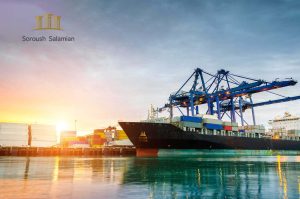
The Load Line Convention is another key maritime convention that sets limits on the permissible loading depth of vessels to protect structural safety. This is especially important for Iranian vessels operating in domestic and international waters, because overloading can cause serious damage and increase the risk of sinking.
These standards are legally defined and enforced through periodic port-state inspections. From a legal standpoint, non-compliance may give rise to civil liability, damage claims, or sailing restrictions. For professionals in maritime transport law, close attention to Load Line certification requirements and the dispute-resolution mechanisms associated with these standards is essential.
CSC: Safe Transport of Containers
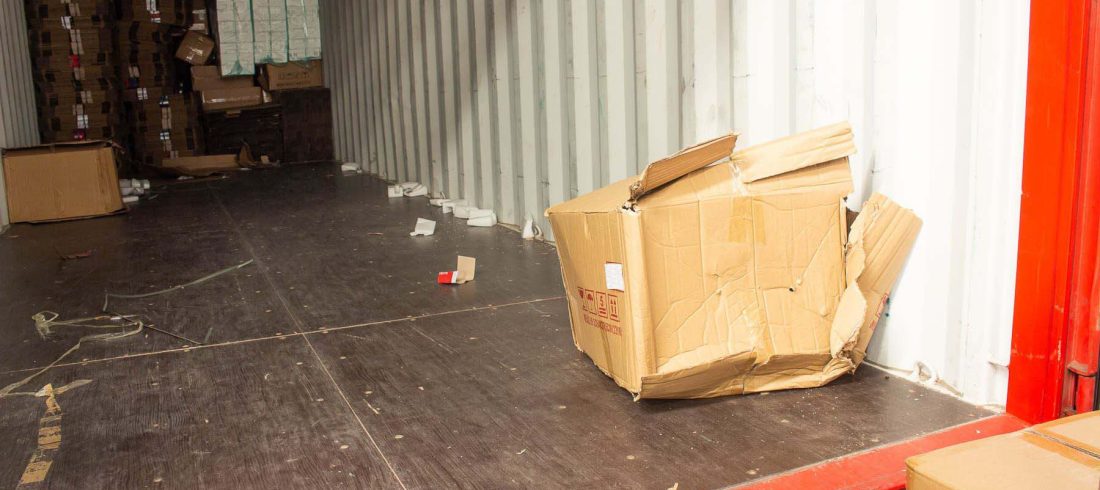
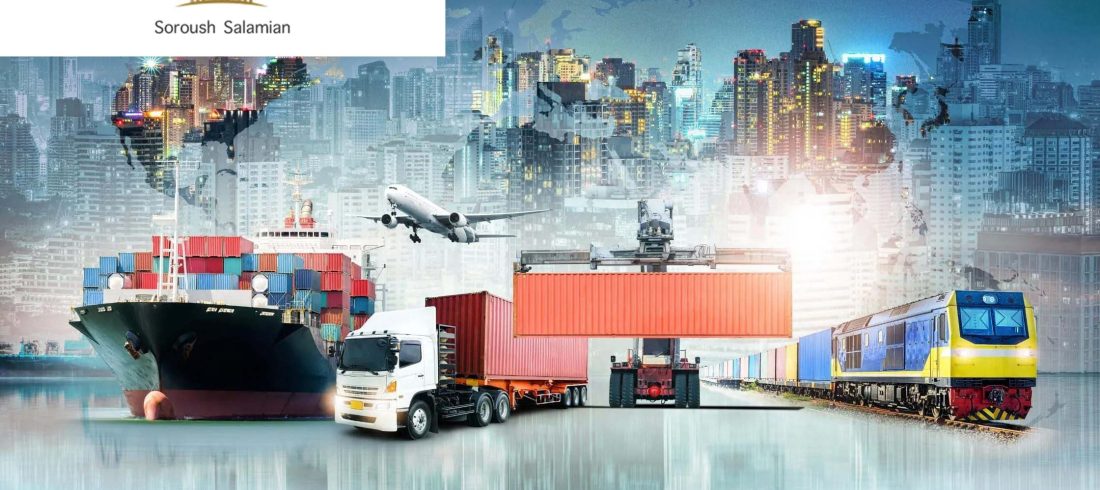
The CSC Convention regulates the safe construction, inspection, and use of containers in order to reduce risks in multimodal transport. In Iran, where the development of multimodal logistics is a strategic priority, CSC standards are highly relevant for transport companies, ports, and container manufacturers.
From a legal perspective, careful review of inspection certification procedures, construction standards, and corporate liability for defects or cargo damage is important. A structured analysis of CSC, together with insurance rules and cargo owner liability considerations, can help prevent high-value disputes and strengthen safety across the logistics chain.
SAR: The Legal Framework for Search and Rescue at Sea
The SAR Convention defines obligations related to search and rescue at sea and requires states to provide assistance to ships and persons in distress regardless of nationality or legal status. Due to its strategic location in the Persian Gulf and the Gulf of Oman, Iran has significant regional responsibilities under SAR and must maintain an appropriate legal and operational framework.
Legally, these responsibilities include establishing rapid response coordination centers, adopting protocols, and cooperating with international organizations. In addition, issues such as liability limitations, protection of rescued persons and property, and coordination with foreign entities should be addressed within domestic regulations. A clear understanding of these frameworks enables readers to apply SAR principles in maritime projects and in potential disputes.
COLREG and Collision Prevention Rules
COLREG sets out international navigation rules to prevent collisions at sea. These rules address matters such as lights, maneuverability, and warnings in restricted visibility conditions.
By applying COLREG standards in port approaches and ensuring compliance by national vessels, Iran assumes responsibilities in coordinating safe navigation. These legal obligations support the issuance of operational permissions, the delivery of training programs, and the maintenance of supervisory controls over vessel movement. For lawyers and port specialists, understanding COLREG provisions, enforcement practices, licensing processes, and the handling of relevant violations is essential.
Environmental Liability and the CLC and FUND Conventions
CLC and FUND are two major conventions addressing civil liability for oil pollution. They establish shipowner liability for pollution damage and provide access to an international compensation fund when the shipowner is unable to pay.
By accepting these conventions, Iran has modernized domestic rules on mandatory liability insurance for shipowners and strengthened documentation requirements for coverage. For professionals in shipping and insurance, understanding how environmental claims are pursued and how compensation resources are combined under CLC and FUND is important. This understanding supports both legal risk management and effective environmental protection measures for economic stakeholders.
Frequently Asked Questions About International Maritime Conventions
International maritime conventions are agreements between states that establish uniform standards for areas such as maritime safety, environmental protection, seafarer training, and maritime trade. They promote consistency in regulation and strengthen international cooperation in shipping.
The IMO is the primary international body responsible for developing maritime standards and adopting key conventions on safety, environmental protection, seafarer training, and ship inspection. States implement these standards through incorporation into domestic law and enforcement mechanisms.
SOLAS sets comprehensive safety standards for ships, including design and construction requirements, life-saving and alarm equipment, fire safety systems, and crew emergency training. Compliance supports certification and operational acceptance in domestic and international ports.
MARPOL requires controls to prevent marine pollution from oil, chemicals, sewage, garbage, air emissions, and harmful substances carried by ships. Non-compliance can result in detention, substantial fines, and, in certain cases, criminal liability.
STCW sets international standards for seafarer education, certification, and ongoing competency. States must maintain approved training systems, regulate certificate issuance and recognition, and conduct supervision to ensure continuing compliance.
UNCLOS defines the legal framework for maritime zones and uses of the sea, including the territorial sea, exclusive economic zone, navigation rights, resource exploitation, marine environmental protection, and international dispute resolution methods.
The Load Line Convention sets limits on permissible loading depth to maintain structural safety and reduce the risk of sinking or damage caused by overloading.
CSC establishes safety standards for container construction, inspection, and use, which reduces risks in multimodal transport. Compliance is significant for ports, transport companies, and manufacturers to prevent accidents and limit liability exposure.
SAR requires states to provide search and rescue assistance to persons and vessels in distress, regardless of nationality. It supports the creation of coordination centers, operating protocols, and international cooperation for effective emergency response.
COLREG sets international navigation rules to prevent collisions, including requirements on lights, maneuvering conduct, and warning signals in restricted visibility. Breaches may lead to operational restrictions and legal liability.
CLC establishes shipowner civil liability for oil pollution damage and requires financial security such as insurance, while FUND provides access to international compensation when available amounts are insufficient or the shipowner cannot pay. What are international maritime conventions and what is their purpose?
What is the role of the International Maritime Organization (IMO)?
Why is SOLAS important?
What obligations does MARPOL impose on states and ship operators?
What framework does STCW establish for seafarers?
What topics does UNCLOS cover?
What is the purpose of the Load Line Convention?
Why is CSC important in container transport?
What responsibilities does the SAR Convention create?
What rules does COLREG establish?
How do the CLC and FUND conventions address oil pollution liability?