The Impact of International Trade on Domestic Law and Regulations
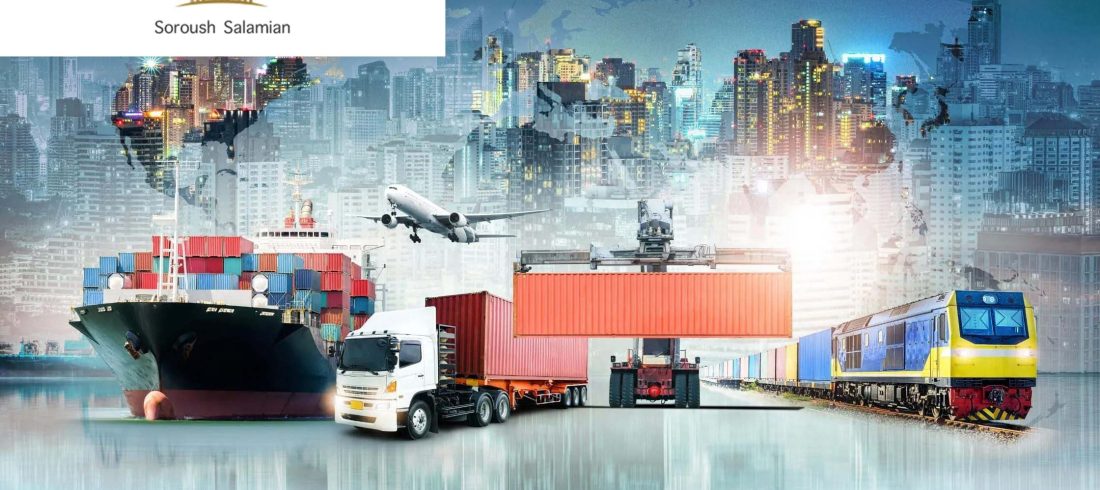
International trade refers to the free, fair, and reciprocal exchange of goods or services between two countries.
The purpose of such exchanges is to satisfy existing demands, meet specific needs, or achieve alignment with a country’s economic structure.
International trade is carried out through exports and imports.
International Trade
How International Trade Operates
International trade has led to the formation of a global economy in which global events influence prices, supply, and demand. For example, an increase in labor costs may result from political changes in Asia.
Consequently, production costs for a Malaysian company may rise, leading to higher prices in the local market.
Expansion of Global Commercial Transactions
Global trade enables wealthier countries to make more effective use of their resources, including labor, technology, and capital.
Because countries possess different natural resources and assets, some can produce certain goods more efficiently and at lower cost than others.
When a country cannot produce a particular good efficiently, it may obtain that good through trade with another country. This concept is known as specialization in international trade.

Types of International Trade
From a commercial perspective, international trade is generally divided into three main categories:
- Imports: The purchase of goods and services from foreign countries when domestic production is insufficient. For example, approximately 82% of India’s crude oil requirements are met by imports from countries such as Venezuela and the United Arab Emirates, which possess extensive oil reserves. Conversely, the United Arab Emirates imports products such as clothing and agricultural goods from India, as these imports are easier and more cost-effective than producing them domestically.
- Exports: Exports, like imports, constitute a form of international trade and involve the sale of domestically produced goods and services to foreign countries. The rationale for exports is essentially the opposite of imports. For instance, products such as iron and steel, raw ores, plastics, oilseeds, and inorganic chemicals are exported from India to China. In return, China exports products such as silk, electrical equipment, civil fuels, organic chemicals, and fertilizers to India. These exchanges allow both countries to maximize their respective production capacities.
- Re-exportation: A particular form of international trade that involves both imports and exports. In this arrangement, goods or services are imported into a country for onward export to other countries. The imported goods are not consumed or sold in the importing country. Instead, some value is added before the goods are re-exported. For example, importing rubber from Thailand into India and subsequently exporting it to another country, such as China, constitutes re-export.
Advantages of International Trade
- Countries can focus on producing goods and services that align with their skills, geography, and production capacity.
- International trade facilitates access to affordable and high-quality goods and services, thereby meeting specific consumer needs.
- It promotes competition in domestic markets, encouraging local producers and suppliers to enhance their capabilities to compete with imported products.
- Some countries enter into specialized trade agreements that facilitate the transfer of technology from more developed nations to less developed ones, enabling improvements in domestic production capacity.
Disadvantages of International Trade
- International trade can create significant dependence on goods and services from other countries.
- Communication, transportation, logistics, and distance impose substantial costs in international trade.
- Unforeseen events introduce uncertainty and risk into global trade.
- Governments impose import, customs, and export restrictions on international trade.
- Issues related to payments, currency exchange, documentation, and access to information are additional disadvantages of international trade.
Frequently Asked Questions about International Trade
International trade refers to the exchange of goods and services between countries to meet domestic needs, increase efficiency, and expand economic relations.
International trade is divided into three categories: imports, exports, and re-exportation.
Key advantages include specialization in production, access to more affordable and higher quality goods and services, increased competition in domestic markets, and the transfer of technology and expertise from developed to developing countries.
Disadvantages include dependency on other countries, high transportation and communication costs, risks arising from unforeseen events, customs and trade restrictions, and issues related to currency, payments, and documentation.
International trade can contribute to economic growth, infrastructure development, improved production quality, and increased market competitiveness. However, domestic industries, particularly emerging ones, may be vulnerable to foreign competition.
In direct export, goods are shipped from the country of origin to the destination country. In re-exportation, goods are imported into an intermediary country and then exported to a third country, either with added value or without alteration. What is international trade?
What are the types of international trade?
What are the advantages of international trade?
What are the disadvantages of international trade?
What impact does international trade have on the domestic economy?
How does re-exportation differ from direct export?