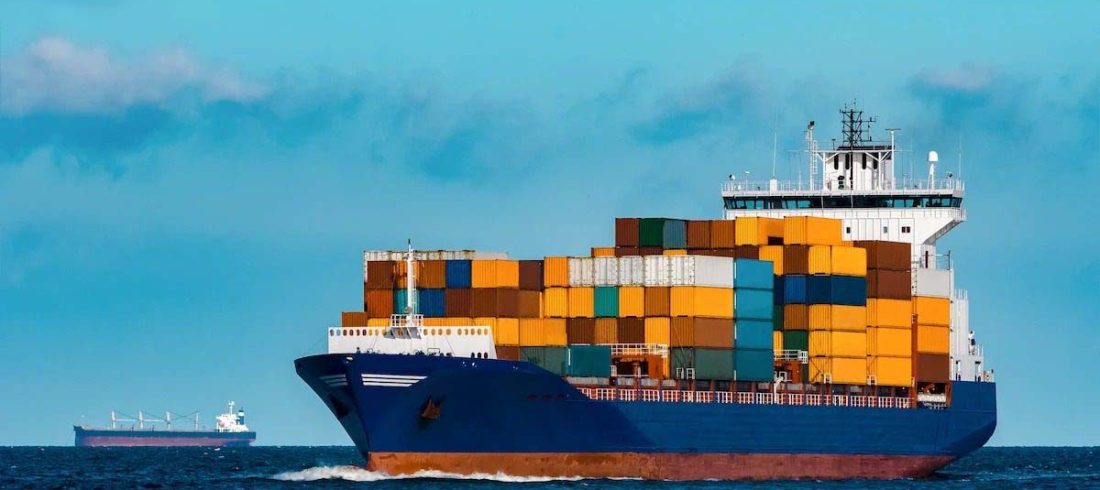
What Is Marine Cargo Insurance?
In the past, certain companies insured maritime vessels to mitigate risks such as fires at sea, piracy, and similar hazards to prevent serious losses.
Today, marine cargo insurance provides coverage for a wide range of unforeseen risks and damages. Under such insurance, the insurer undertakes to compensate for covered losses in accordance with the applicable policy terms.
Claims Procedures in Marine Cargo Insurance
Marine Cargo Insurance
Marine cargo insurance is a contract under which the insurer undertakes to compensate for losses sustained by insured goods during maritime transport. It should be noted that compensation is provided in accordance with the terms and conditions agreed upon in the insurance policy.
This obligation is limited to compensating losses suffered by goods as a result of perils of the sea or defects in the means of transport.
Marine cargo insurance policies issued by Iranian insurance companies are generally drafted in accordance with the Institute Cargo Clauses of the London insurance market.
This reflects the Iranian insurance industry’s acceptance of internationally recognized insurance standards to facilitate commercial transport operations.
In the insurance process, either the buyer or the seller may insure the shipped goods, regardless of the method of sale. The insurer’s obligations toward the insured goods and the policyholder are clearly defined, and exclusions are expressly stated.
Total Loss Insurance Policy
One type of marine cargo insurance is the total loss policy. Under this policy, the insurer is required to compensate for losses only when marine perils destroy the entire shipment. Accordingly, if a substantial portion of the goods is lost but part of the cargo remains intact, the insurer is not obliged to pay compensation.
This type of insurance is generally used for specific goods such as oil, cement, grain, and bulk cargo, and has limited application in other contexts. It is commonly referred to as a formal or ceremonial insurance policy.
F.P.A Insurance Policy
Where the insured relies on cargo insurance conditions, coverage is not necessarily limited to the risks expressly specified in the policy. Rather, the parties to the insurance contract may expand or restrict the insurer’s obligations through prior agreement or specific policy provisions, for example, under W. Under certain conditions, it is possible to include losses from breakage or leakage in the policy, or to exclude minor losses by paying an additional deductible.
Under F.P.A marine cargo insurance, the insurer’s liability, as defined in the contract, begins from the moment the goods leave the relevant location, such as a quay or warehouse, and continues until the complete discharge of the cargo at the designated port or warehouse. It should be noted that under this policy, the insurer is not responsible for minor or partial losses unless they arise from events such as sinking, fire, collision, or grounding of the vessel.
W.A Insurance Policy
Under insurance policies issued based on W. Under certain conditions, the insurer undertakes to compensate both general average losses and particular average losses.
Generally, risks such as breakage and spillage are not included within the insurer’s obligations under W.Marine cargo insurance, unless the insured expressly includes them in the contract.
Losses Covered by Marine Cargo Insurance
It should be noted that only losses and risks of an accidental and unforeseeable nature are covered by marine cargo insurance. Losses arising from the natural wear and tear of the means of transport or the goods, or from the inherent defect of the goods, such as infestation of dried goods or rust, are not covered. Accordingly, losses are classified into the following two categories:
- Intentional losses, which may be incurred in good faith for the purpose of preserving the safety of the vessel, such as jettisoning cargo to lighten the ship during stormy conditions.
- Unintentional losses resulting from unforeseen accidents.
Frequently Asked Questions About Marine Cargo Insurance
Marine cargo insurance is a contract under which the insurer undertakes to compensate losses incurred by goods during maritime transport. Covered losses include risks arising from sea perils, defects in the means of transport, and other unforeseen events.
Common types of marine cargo insurance include total loss insurance, F.P.A insurance, and W.A insurance. Each type has its own scope of coverage and specific conditions governing the insurer’s liability.
This policy provides compensation only if the entire shipment is destroyed. If any portion of the goods remains, the insurer is not liable. It is mainly used for bulk goods such as oil, cement, and grain.
Under F.P.A insurance, the insurer’s liability is limited. It does not cover minor losses, except in cases such as sinking, fire, or collision. Under W.A insurance, the insurer is responsible for general average and particular average losses. Additional risks such as breakage may be included upon payment of an additional premium.
Covered losses include unforeseeable and unintentional events such as collision, sinking, fire, and piracy. Losses resulting from natural deterioration, inherent defects, rust, or infestation are excluded.
Yes. Intentional losses incurred in good faith to safeguard the vessel and prevent sinking, such as jettisoning cargo during a storm, are generally covered under marine cargo insurance. What is marine cargo insurance?
What types of marine cargo insurance exist?
What are the characteristics of a total loss insurance policy?
What is the difference between F.P.A and W.A insurance?
Which losses are covered by marine cargo insurance?
Are intentional losses taken to protect the vessel covered?