Marine Cargo Insurance
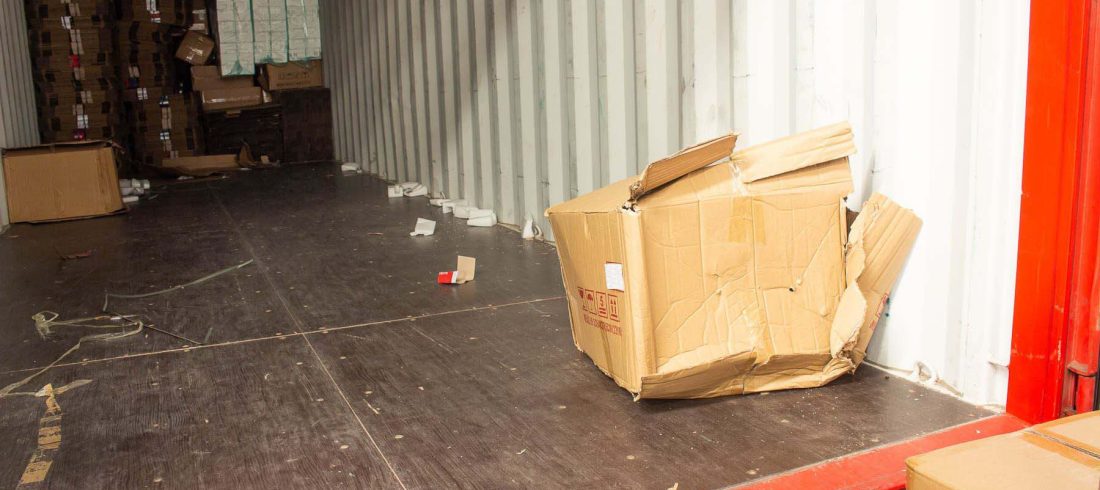
Marine cargo insurance is a form of commercial insurance under which the insurer undertakes, in exchange for a premium, to indemnify potential losses to goods transported by sea in accordance with the policy terms. Pursuant to Article 1 of the Iranian Insurance Act (enacted in 1937), insurance is a contract whereby one party undertakes, in return for a payment or payments by the other party, to compensate for loss upon the occurrence of an incident. In marine cargo insurance, the incident may include sinking, collision, fire, theft, or other maritime risks.
Depending on the policy type, cargo, route, and coverage period, the insurer may cover specific risks. In addition, under Central Insurance of Iran Regulation No. 87, this class of insurance is also governed by recognized international standard terms such as the Institute Cargo Clauses issued by the Institute of London Underwriters. Coverage should be drafted with precision so that the intended risks are clearly included.
Types of Coverage in Marine Cargo Insurance
In Iran, marine cargo insurance is commonly offered under Clauses A, B, and C. These clauses are derived from internationally recognized standard terms developed by the Institute of London Underwriters and are also applied within Iran’s insurance practice.
- Clause C provides the least coverage and generally includes only major perils, such as fire, explosion, sinking or capsizing of the vessel, and collision.
- Clause B offers broader protection and, in addition to the above, may cover risks such as earthquakes, volcanic eruptions, jettisoning cargo to lighten the vessel, and ingress of water into the container.
- Clause A provides the most comprehensive coverage and is commonly described as “All Risks.” However, this does not mean every possible event is covered, because exclusions still apply.
At the time of concluding the policy, the insured must select and specify the intended clause. This selection has a material impact on the insurer’s obligations if a loss occurs.
Risks Covered Under Clause A in Marine Insurance
Clause A, commonly referred to as “All Risks” coverage, provides the broadest protection for sea carriage. Under Central Insurance regulations and Regulation No. 87, Clause A covers physical loss of or damage to the cargo during transit unless a risk is expressly excluded.
Risks typically covered under Clause A include:
- Sinking or capsizing of the vessel.
- Collision or impact with external objects.
- Theft and piracy.
- Fire and explosion.
- Sabotage.
- Ingress of water into the container.
- Deterioration of goods resulting from an insured peril.
However, exclusions such as losses arising from war, riot, strike, and deliberate delay by the insured in complying with proper packing requirements may apply unless separately endorsed, and an additional premium is paid. Clause A is commonly recommended for exporters and importers dealing with sensitive, high-value, or perishable goods.
Exclusions in Marine Cargo Insurance
Although marine cargo insurance, particularly under Clause A, offers broad protection, certain losses are expressly excluded from the insurer’s liability. These exclusions are addressed in Central Insurance Regulation No. 87 and in the clauses themselves. Common exclusions include:
- Losses arising from war, riot, strike, terrorism, and governmental seizure or detention
- Losses caused by the insured’s delay or intentional conduct, or the conduct of the insured’s employees
- Inherent vice of the goods, such as spoilage due to failure to maintain a cold chain
- Inadequate packing that causes damage
- Delay in transit that results in loss, even if the delay follows an insured peril
Some excluded risks, such as war and strikes, may be added by endorsement in exchange for an additional premium. Awareness of these exclusions is essential for traders to avoid future insurance disputes.
The Insured’s Obligations in Marine Cargo Insurance
Under Article 12 of the Insurance Act and relevant regulations, the insured is required to comply with certain obligations. Failure to comply may allow the insurer to deny the claim or reduce liability. Key obligations include:
- Providing accurate information in the insurance proposal.
- Declaring the true value of the goods for proper premium calculation.
- Use safe and customary packing to prevent loss.
- Reporting the loss to the insurer promptly, typically within 5 days of becoming aware.
- Submit valid documentation, including the bill of lading, invoice, certificate of origin, and official loss report.
- Noncompliance may affect the validity of the policy. In particular, deliberate.
- Misrepresentation or late notification may entitle the insurer to reject the claim.
The Insurer’s Role in Assessing Marine Losses
After a marine loss occurs, the insurer must assess the damage and determine the extent of its liability. This process is typically conducted through a loss adjuster approved by Central Insurance. Upon the insured’s timely notice, the insurer arranges an inspection. The adjuster reviews the cargo, shipping documents, the bill of lading, the vessel’s report, and customs loss records to determine the value of the loss.
In complex matters, the insurer may engage an independent international adjuster. Under Central Insurance requirements, the insurer must pay the claim within 30 days after the documentation is completed. If payment is delayed beyond this period, delay compensation may apply under applicable rules. The insured should cooperate fully and provide complete documentation to avoid delays in assessment and payment.
The Importance of War and Strikes Clauses in Sea Carriage
Given increasing political and security risks along certain international sea routes, War Clause and Strikes Clause endorsements have become particularly important. These clauses are not included in standard cargo coverage by default and must be purchased as separate endorsements.
The War Clause covers risks such as military operations, governmental capture, armed attacks on vessels, and sea mines. The Strikes Clause covers losses resulting from strikes, civil commotion, riots, and certain terrorist acts, depending on the policy terms.
Insured parties operating along higher-risk routes, including the Red Sea and conflict-affected corridors, should carefully consider these endorsements. Central Insurance permits the offering of these covers at specified rates, and insurers are required to disclose their terms transparently. Including these clauses in import and export arrangements can help prevent severe losses and future legal complications.
The Difference Between Marine Cargo Insurance and Multi-Modal Insurance
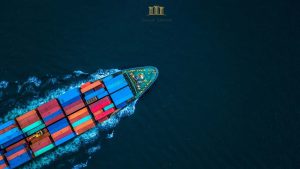
In many shipments, carriage is not limited to sea transport and may involve road, rail, or air legs. In such cases, the insured may need multi-modal insurance, which covers combined transport. The primary difference is the geographic and operational scope of coverage.
Marine cargo insurance typically applies from the time the cargo is loaded onto the vessel until discharge at the destination port. Multi-modal insurance, by contrast, may cover the entire journey from origin to destination on a door-to-door basis.
Under Central Insurance regulations, multi-modal coverage may incorporate sea and land clauses, and the insured must state this clearly in the policy. This form of coverage is particularly suitable where goods move from a factory to a port and then onward to a final inland destination, thereby reducing the risk of gaps between insurers.
Conditions and Process for Claim Payment in Cargo Insurance
Central Insurance regulations govern claim payments under marine cargo insurance and require complete and valid documentation from the insured. Core documents typically include:
- Insurance policy.
- Bill of lading.
- Commercial invoice.
- Loss report or survey report.
- Transport and customs reports.
- Certificate of origin and related supporting documents.
After receiving the documents, the insurer must review and pay the claim within 30 days. Where a dispute arises, the matter may be referred to an insurance dispute resolution body or the competent court. If the loss requires repair or replacement, payment may be made by funding the costs of the replacement. Before receiving payment, the insured may be required to sign an undertaking confirming that no double recovery will be sought from third parties. Strict adherence to the procedural steps accelerates payments and reduces the risk of disputes.
The Role of Central Insurance in Supervising Marine Insurance
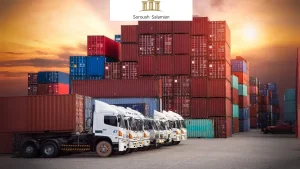
Central Insurance of the Islamic Republic of Iran serves as the regulator and supervisory authority for the insurance sector. Insurers are required to comply with the regulations and directives issued by Central Insurance. In marine cargo insurance, Regulation No. 87 provides a standardized framework for policy drafting and administration.
Central Insurance supervises pricing, general terms, claim-handling practices, and the protection of policyholder rights. Insurers must also record policy information in the Sanhab system to ensure transparency and traceability. In the event of disputes between the insured and the insurer, Central Insurance may intervene as a non-judicial review authority and provide an expert opinion to support the rights of stakeholders. It also promotes public awareness through publications and guidance materials.
Frequently Asked Questions About Marine Cargo Insurance
Marine cargo insurance is an insurance contract that indemnifies potential losses to goods transported by sea. Covered losses may include sinking, fire, collision, theft, and other maritime risks, subject to the policy terms.
Common coverage options include Clause C (limited), Clause B (intermediate), and Clause A (All Risks), each defining the scope of insured perils and the level of protection.
Clause A typically covers sinking, capsizing, collision with external objects, piracy and theft, fire, explosion, sabotage, ingress of water into the container, and deterioration caused by an insured peril, except for risks expressly excluded in the policy.
Common exclusions include losses arising from war, riot, strike, terrorism, governmental seizure, delay or intentional conduct by the insured, inherent vice of the goods, and inadequate packing. Certain risks may be added by endorsement with an additional premium.
The insured must provide accurate information, declare the true cargo value, use appropriate packing, report loss promptly, and submit valid documents such as the bill of lading and official loss reports.
The insurer assesses the loss through an approved adjuster and, after documentation is complete, is generally required to pay the claim within 30 days. Complex cases may involve independent adjusters, including international specialists.
These endorsements provide coverage for risks arising from war-related events, capture or seizure, armed attacks, mines, strikes, riots, and civil commotion, depending on policy wording. They are purchased separately from standard cargo coverage.
Marine cargo insurance typically covers sea transit from loading to discharge at the destination port. Multi-modal insurance covers the full journey from origin to destination across multiple transport modes, often on a door-to-door basis.
The insured submits documents such as the policy, bill of lading, invoice, and loss reports. The insurer reviews and pays the claim within 30 days of completing the documents. Disputes may be referred to an insurance dispute forum or the courts.
Central Insurance regulates and supervises insurers, sets frameworks such as Regulation No. 87, oversees policy terms, pricing and claim handling, requires policy data registration in the Sanhab system, and may intervene in disputes through expert review to protect stakeholders’ rights. What is marine cargo insurance and what is it used for?
What types of coverage are available in marine cargo insurance?
What risks are covered under Clause A?
What is excluded from marine cargo insurance?
What are the insured’s obligations?
What is the insurer’s role in loss assessment?
What are the War and Strikes Clauses used for?
What is the difference between marine cargo insurance and multi-modal insurance?
How does the claim payment process work?
What is the role of Central Insurance in marine cargo insurance?