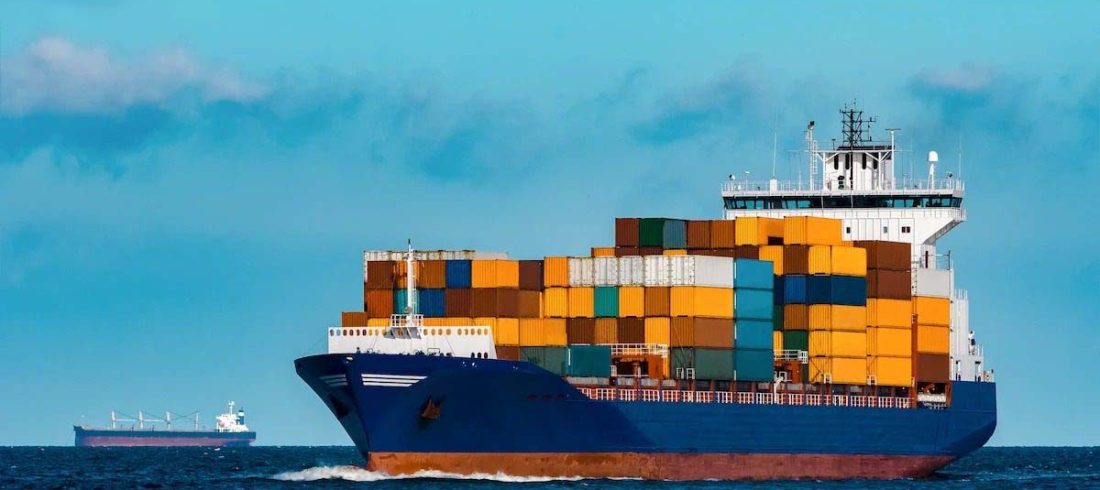
Maritime Carrier
Under the Iranian Maritime Code, a maritime carrier, referred to as the carrier of goods, is defined as the owner or charterer of a vessel who enters into a contract with the shipper for the carriage of goods by sea. Such carriage is conducted pursuant to a bill of lading or other similar transport documents, or pursuant to a bill of lading issued based on a charter party, which governs the legal relationship between the carrier and the holder of the bill of lading.
Legal Definition of the Maritime Carrier and Its Distinction from Other Operators
Liability of the Carrier under the Maritime Code
Articles 52, 53, and 54 of the Iranian Maritime Code address the definition of the carrier and the scope of its liability.
Pursuant to Article 54, the duties of the carrier and the obligation to exercise due diligence in the carriage of goods may be summarized as follows:
- Making the vessel seaworthy.
- Providing sufficient fuel.
- Preparing holds, refrigerated spaces, and other parts of the vessel for the carriage of goods.
Amendments to the Maritime Code have extended these obligations to cover the entire duration of the voyage. The carrier is required to exercise due care in the loading, stowage, carriage, and discharge of the cargo in a manner that prevents damage to the goods, taking into account their volume and nature throughout the voyage.
Duties of the Maritime Carrier
In addition to equipping the vessel with appropriate technical facilities and qualified personnel before and at the commencement of each voyage, the carrier is required to take suitable measures from the moment loading begins until the completion of discharge.
This obligation extends from the point at which the loading crane lifts the cargo from the quay, warehouse, or designated transport equipment until the final portion of the cargo is placed at the quay, warehouse, or other designated means of delivery.
Throughout this process, the carrier must ensure proper handling, care, and protection of the goods during movement and carriage.
This obligation arises not only from the contract of carriage but is also expressly stipulated in paragraphs one and two of Article 54 of the Iranian Maritime Code.
Exemptions from the Liability of the Maritime Carrier
The loss of or damage to goods while in the custody of the vessel owner does not necessarily give rise to liability. The carrier may be exempt from liability by operation of law or pursuant to express contractual terms.
Under the Iranian Maritime Code, the carrier shall not be liable for loss or damage arising from the following causes, provided that it can prove that it exercised due diligence:
- Negligence, fault, or acts of the master, pilots, crew members, or authorized agents of the carrier in the navigation or management of the vessel.
- Fire, unless caused by the act or fault of the carrier.
- Perils, dangers, and accidents of the sea or other navigable waters.
- Acts of God.
- War and its consequences.
- Acts of public enemies.
- Arrest or restraint of the vessel resulting from force majeure or orders or actions of authorities, governments, courts, or the public.
- Acts or omissions of the shipper, the owner of the goods, or their agents or representatives.
- Strikes, lockouts, or stoppage of work, whether total or partial, for any reason.
- Riots and civil disturbances.
- Salvage operations or efforts undertaken to save life or property at sea.
- Shortage in weight or volume, or any loss arising from inherent defects, nature, or intrinsic qualities of the goods.
- Defects in packaging.
- Insufficiency or inadequacy of marks or descriptions.
- Latent defects not discoverable through the exercise of due diligence.
- Any other cause not arising from the act or fault of the carrier or its authorized agents, provided that the carrier proves that its conduct did not contribute to the loss or damage.
The shipper shall not be liable for loss of or damage to the carrier or the vessel unless such loss or damage results from the shipper’s fault, negligence, or the fault of its agents or authorized representatives.
Limitation of Liability of the Maritime Carrier
Limitation of liability means that the carrier’s obligation to compensate for loss or damage to goods is capped at a legally defined amount. If the actual loss exceeds this limit, the excess shall not be recoverable from the carrier.
Pursuant to paragraph 5 of Article 55 of the Iranian Maritime Code, the limitation of liability applies by law to the relationship between the carrier and the cargo owner. In the event of loss or damage, the carrier shall not be liable for more than 100 pounds sterling per package or per unit of cargo. The basis for calculating compensation is the package or unit of goods.
Frequently Asked Questions Regarding the Maritime Carrier
A maritime carrier is the owner or charterer of a vessel who enters into a contract with the shipper for the carriage of goods by sea and is responsible for performing the carriage in accordance with the bill of lading or the charter party.
The carrier’s duties include making the vessel seaworthy, providing sufficient fuel, preparing cargo spaces, and loading, carrying, and discharging goods with due care to prevent damage throughout the voyage.
The carrier may be exempt from liability in cases such as natural disasters, war, riots, strikes, unforeseeable fires, inherent defects of the goods, or acts or omissions attributable to the shipper, provided that due diligence has been exercised.
Limitation of liability means that the carrier’s responsibility for compensation is limited to a specific statutory amount. Under Iranian maritime law, this limit is 100 pounds sterling per package or unit of cargo, even if the actual damage exceeds that amount.
A maritime carrier is responsible for the carriage and care of goods during sea transport. In contrast, other operators may provide only limited services such as land transport or indirect logistical support.
Yes. If the damage results from the carrier’s fault, negligence, or failure to perform contractual or statutory duties, and the carrier cannot prove that due diligence was exercised, the carrier may be held liable for compensation. Who is considered a maritime carrier?
What duties does a maritime carrier have?
What factors exempt the carrier from liability?
What does the limitation of liability mean for a maritime carrier?
What is the difference between a maritime carrier and other transport operators?
Can a maritime carrier be held liable for cargo damage?