Multimodal Transport Regulations
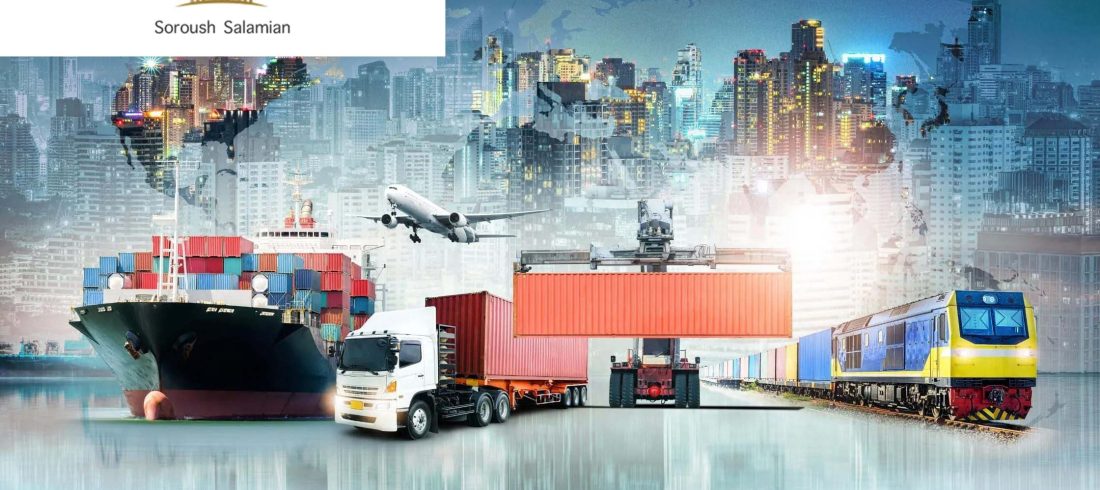
Multimodal transport is one of the most important methods of moving goods in both domestic and international trade. In this system, goods are transported under a single contractual framework using a combination of two or more modes, such as sea, land, and air. The expansion of global supply chains, increased trade volumes, and the need to reduce costs and transit times have made this method an integral part of commercial operations.
Despite its advantages, multimodal transport involves significant legal complexities. Each mode of transport operates under its own regulatory framework, documentation requirements, and liability regimes. This article presents a structured overview of the legal frameworks governing multimodal transport, the types of documents involved, allocation of liability among parties, compensation mechanisms, and the role of contracts in managing potential risks.
Concept and Importance of Multimodal Transport
Multimodal transport refers to the movement of goods using more than one type of vehicle, such as a combination of a ship and a truck, or a truck and an aircraft. Its importance lies in cost efficiency, speed, and broader geographical coverage.
In practice, multimodal transport involves a chain of operations and responsibilities. Different laws may govern each stage and involve multiple stakeholders. From a legal perspective, the primary challenge is harmonizing these rules and determining liability among interested parties. Documentation deficiencies, delays, or damages may occur at any stage, complicating legal claims.
The purpose of laws and contracts in this field is to clearly define liability periods, acceptable documentation, and dispute-resolution mechanisms to prevent conflicts of law and unforeseen losses.
Key Elements of a Multimodal Transport Contract
A multimodal transport contract must clearly define essential elements such as:
- Identification of the parties involved.
- Roles of each participant, including carrier, agent, and subcontractor.
- Scope of services.
- Timeline and delivery schedule.
- Pricing and payment terms.
- Place of delivery and consignee details.
- Governing law and dispute resolution forum.
The contract must also clarify whether a single multimodal bill of lading will be issued or multiple stage-based documents will be issued. This distinction determines who bears primary responsibility for the cargo.
From a legal standpoint, defining the start and end of liability is critical, as it forms the basis for calculating damages and determining liability limits. Provisions on force majeure, notifications, insurance requirements, and subcontractor recourse should also be included to ensure clarity in the event of incidents.
Key Documents: Multimodal Bill of Lading and Supporting Documents
Documentation forms the legal backbone of multimodal transport. The most important document is the multimodal bill of lading, which may serve as both a transport contract and, in certain cases, a document of title.
In some situations, separate documents are issued for each stage, requiring careful coordination among them.
Other important documents include:
- Packing list.
- Commercial invoice.
- Certificate of origin.
- Customs documentation.
- Dangerous goods declaration.
In disputes, arbitration, or insurance claims, the authenticity and consistency of these documents are decisive. Proper issuance, storage, and transfer of documents must be carefully managed. Electronic copies with verified authenticity should also be maintained as backups.
Allocation of Liability Among Carriers, Forwarders, and Shippers
In multimodal transport, multiple parties may bear responsibility, including the main carrier, stage carriers, freight forwarder, and shipper.
Liability allocation depends on the contract structure and type of documentation issued. If a single multimodal bill of lading is issued in the name of a multimodal carrier, that entity is typically responsible for the entire transport chain. It has the right of recourse against subcontractors.
If separate documents are issued, liability is usually limited to each carrier’s respective stage. The freight forwarder generally acts as a coordinator and is liable under contractual obligations and for negligence.
Precise allocation of liability and recourse mechanisms must be defined in both the main contract and the subcontracts to ensure enforceability in the event of damage.

Governing Law and Dispute Resolution in Multimodal Transport
Multimodal transport often involves cross-border operations. Therefore, the governing law and dispute resolution forum must be explicitly determined in the contract.
Parties may choose the law of a specific country or rely on conflict-of-laws principles. Disputes may be resolved through national courts or arbitration.
Arbitration offers advantages such as confidentiality, efficiency, and the ability to appoint specialized arbitrators. In the absence of a clear clause, disputes may be brought before courts based on jurisdictional rules such as the defendant’s domicile or the place of damage, which can increase complexity and cost.
It is strongly recommended that the governing law and dispute-resolution mechanisms be clearly defined before commencing operations.
Specific Rules Governing Each Mode of Transport
Each stage of transport is subject to its own legal and technical framework:
- Maritime safety standards, shipping documentation, and port regulations govern sea transport.
- Land transport is subject to road or rail transport laws and traffic regulations.
- Air transport operates under specific liability regimes and operational rules.
A multimodal contract must clarify which set of rules prevails in the event of a conflict and how coordination between carriers will be managed.
Understanding differences in liability limits, notification deadlines, and enforcement rules is essential, as failure to do so may result in unintended legal consequences.

Liability for Damage, Loss, and Delay
In claims related to cargo damage or loss, three main elements are examined:
- Existence of damage.
- Causation.
- Occurrence within the liability period of the responsible party.
In multimodal transport, determining the stage at which damage occurred and identifying the responsible party is crucial.
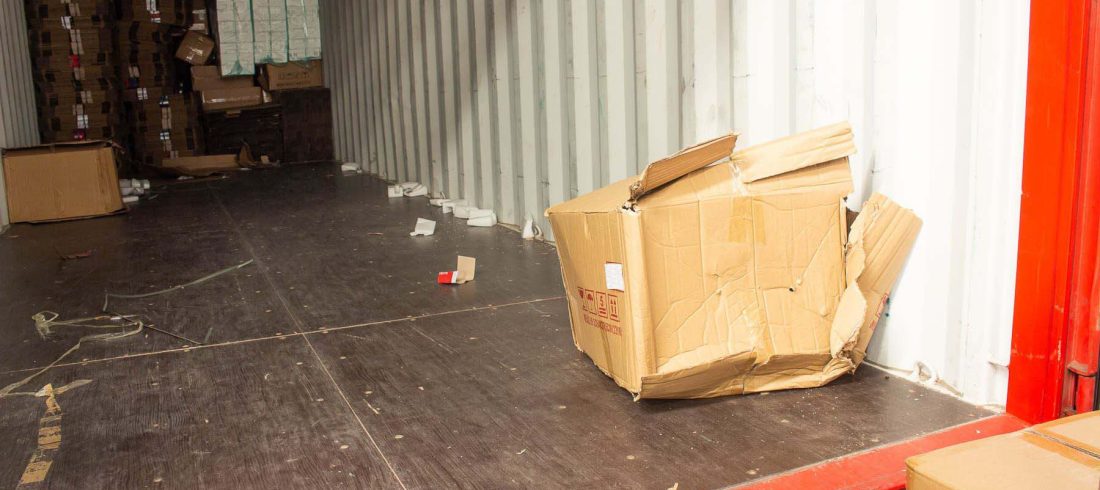
Evidence may include transport documents, bills of lading, inspection reports, photographs, tracking logs, and witness statements. Notification deadlines vary depending on the transport mode and documentation. Failure to comply with these deadlines may result in claim rejection.
Proper documentation and immediate action are essential in preserving legal rights.
Multimodal Insurance: Coverage and Insurer Recourse
Insurance plays a vital role in compensating losses in multimodal transport. The insured party must determine whether coverage applies to the entire transport chain or only specific stages.
Comprehensive coverage provides broader protection but typically involves higher costs. The insurance policy must clearly define claim procedures, deadlines, and required documentation.
After compensation, the insurer may exercise subrogation rights against the carrier or responsible party. Attention must be given to exclusions, special conditions for hazardous goods, and obligations related to loss mitigation.
Alignment between transport contracts and insurance policies should be ensured prior to shipment.

Damage Notification and Applicable Deadlines
Each type of transport document and mode has its own deadlines for notifying of damage. For example, in sea transport, visible damage must often be reported immediately upon delivery, while hidden damage may have a different timeframe.
Air and land transport also have distinct notification requirements. Prompt written notice to the carrier and formal reservation in delivery documents are essential to preserve claims.
Supporting documents must then be submitted within contractual or legal deadlines. Failure to comply often results in loss of the right to claim.
Dispute Resolution Mechanisms in Multimodal—failure
To reduce time and costs, many multimodal contracts include arbitration or mediation clauses. Arbitration allows disputes to be resolved by experts with legal and technical knowledge, resulting in enforceable awards.
In the absence of such clauses, national courts will exercise jurisdiction under applicable rules.
It is also important to determine the place of enforcement and ensure recognition of decisions across jurisdictions. Some contracts include technical or administrative mechanisms for resolving operational disputes quickly, preventing escalation.
Practical Contractual Considerations
To minimize legal risks, the following provisions should be included in multimodal transport contracts:
- Clear definition of liability scope and duration.
- Identification of valid documents and transfer procedures.
- Mandatory insurance requirements.
- Governing law and dispute resolution clauses.
- Damage notification procedures and deadlines.
- Recourse mechanisms among parties and subcontractors.
- Operational standards for cargo safety and segregation.
Including reporting obligations and document management requirements enhances transparency.
Operational Checklist for Multimodal Transport Compliance
Multimodal transport offers significant economic benefits but requires a strong legal framework. The following checklist is recommended:
- Ensure issuance of appropriate, unified documentation, or a clear agreement on stage documents.
- Obtain comprehensive insurance coverage and understand exclusions.
- Maintain accurate records and technical documentation.
- Define recourse mechanisms among subcontractors.
- Establish notification deadlines and prepare necessary forms.
- Train operational teams on the differences between transport modes.
Proper implementation of this checklist reduces legal risks and enhances operational efficiency.
Frequently Asked Questions About Multimodal Transport Regulations (Sea, Land, Air)
Multimodal transport refers to the movement of goods under a single contractual framework using two or more modes of transport such as sea, land, or air, with clearly defined responsibilities.
Because it determines who is responsible for compensation and how liability limits are calculated. Any ambiguity may lead to complex legal disputes.
A multimodal bill of lading can serve as a transport contract and, in some cases, a document of title. It defines the obligations of the main carrier throughout the transport chain.
When stage-based documents are issued, each carrier is typically responsible for its own stage. Identifying where the damage occurred is essential for legal claims.
A freight forwarder primarily coordinates transport and selects carriers. Liability is usually contractual and based on negligence in selection or supervision.
It provides clarity for legal proceedings, prevents conflicts of law, and can significantly reduce time and costs associated with dispute resolution.
The existence of damage, causation, and whether the incident occurred within the liability period are the main factors considered.
Insurance may cover the entire transport chain or specific stages. After compensation, the insurer may seek recourse against the responsible party.
Deadlines vary depending on the transport mode and documentation. Failure to provide timely written notice may result in loss of claim rights.
In such cases, jurisdiction is determined based on general legal principles such as the defendant’s domicile or the place where the damage occurred, which may increase complexity.
By drafting precise contracts, clearly defining responsibilities and documentation, obtaining comprehensive insurance, selecting governing law and dispute forums, and training operational teams. What does multimodal transport mean?
Why is defining the start and end of liability important?
What is the role of a multimodal bill of lading?
How is liability divided when separate documents are issued?
What is the responsibility of a freight forwarder?
What is the impact of choosing governing law and dispute resolution?
What factors are examined in cargo damage or loss claims?
What is the role of insurance in multimodal transport?
How do damage notification deadlines work?
What happens if the contract does not specify dispute resolution?
How can legal risks in multimodal transport be reduced?