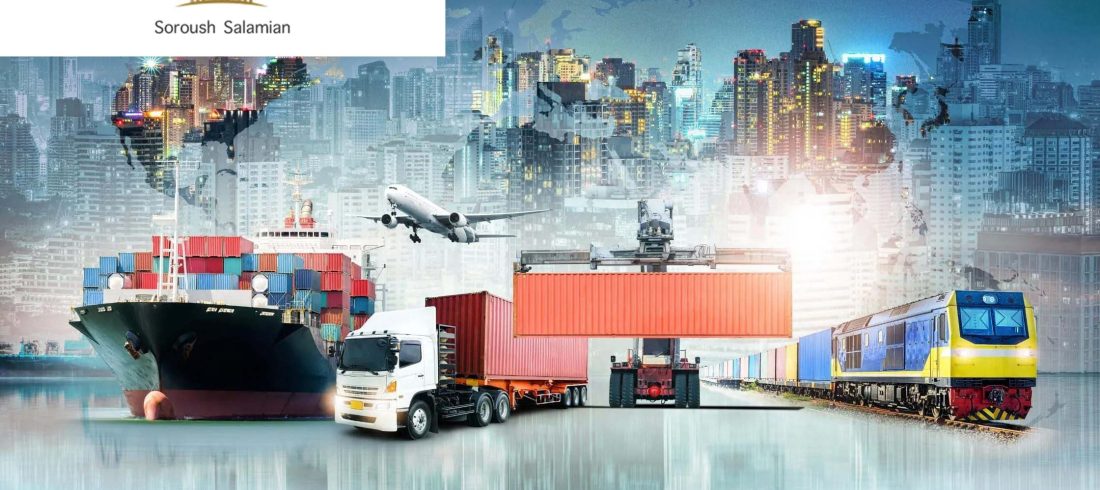
Multipurpose Vessels and Their Types and Applications in Maritime Transport
Today, the increasing specialization of commercial sectors has led to the construction of a wide range of vessels, each designed to transport specific categories of cargo.
Nevertheless, general cargo vessels have remained important and are commonly referred to as multipurpose vessels.
Multipurpose Vessels
The Importance of the Shipping Industry
The long history of maritime transportation clearly demonstrates its significance. This importance is primarily due to the unique advantages of sea transport, including high efficiency, relatively low cost, and the ability to carry large and diverse cargo volumes.
At present, the transportation of bulk goods, liquids, containerized cargo, vehicles, heavy machinery, and other goods by sea is widely practiced. Naturally, cargo owners seek the most cost-effective and reliable means of transporting their goods. Cargo safety is also a critical concern, leading to the design of specialized vessels for specific cargo types.
Despite these differences, vessels generally share structural features, including engine rooms, bridges, and cargo holds.
Types of Vessels
There are numerous types of vessels, each designed for specific purposes. Some of the most common types include:
- Tanker vessels.
- Naval vessels.
- Container ships.
- Passenger ships.
- Vehicle carriers.
- Tugboats.
- Fishing vessels.
- Dredgers.
- Livestock carriers.
- Roll-on/roll-off vessels.
- Refrigerated vessels.
- Liquefied gas carriers.
- Ferries.
- Chemical and product carriers.
- Multipurpose vessels.
Multipurpose Vessels
Multipurpose vessels are designed to transport a wide range of cargo. Their versatility enables the delivery of goods to regions with limited accessibility. Due to their flexible operational capabilities, these vessels are rarely left without cargo.
Types of Cargo Carried by Multipurpose Vessels
Bulk and Liquid Cargo
Many goods are transported in bulk form. Examples include cement, minerals, grains, sugar, phosphate, industrial salts, and coal. Bulk transportation enables more efficient use of cargo space and helps reduce the high port handling costs associated with packaged goods.
In multipurpose vessels, bulk cargo is carried in large cubic holds designed to maximize capacity. These holds are fully utilized, thereby increasing the vessel’s overall carrying capacity.
Tanks
The tanks used in multipurpose vessels for carrying oil are structurally similar to bulk cargo holds. The primary difference is that tanks are equipped with small inspection hatches, whereas bulk cargo holds typically have much larger openings. Currently, approximately one-third of the global fleet consists of oil tankers.
Containers, Livestock, and Vehicles
In the past, loading and unloading operations required significant time and labor. The introduction of containers has substantially reduced these time requirements and simplified cargo handling procedures.
In addition to containers, multipurpose vessels can transport livestock and vehicles. Overall, the emergence of multipurpose vessels has significantly reduced transportation time, operational costs, and labor requirements in maritime shipping.
Distinctive Features of Multipurpose Vessels
Multipurpose vessels are often equipped with onboard cranes, which enable them to load and unload a wide range of cargo types independently of port infrastructure. Although specialization plays an important role in modern shipping, the operational flexibility of multipurpose vessels has made them among the most widely used vessels worldwide.
Frequently Asked Questions About Multipurpose Vessels
Multipurpose vessels are ships designed to carry various types of cargo, including bulk goods, liquids, containers, vehicles, and livestock. Their flexible design enables efficient use of cargo space.
Their ability to transport diverse cargo types, reduce transportation costs and time, and access ports with limited facilities makes them highly valuable in maritime transport.
They can transport bulk cargo such as grains, cement, minerals, and coal, liquid cargo such as oil and chemical products, containers, vehicles, and livestock.
These vessels are often equipped with cranes to facilitate loading and unloading. Their flexibility and adaptability make them among the most practical vessels in global shipping.
Specialized vessels are designed for specific cargo types, such as tankers for oil or container ships for containers. Multipurpose vessels, by contrast, offer greater flexibility and can transport a wide range of cargo without remaining idle.
Key advantages include reduced loading and unloading time, cost savings, lower labor requirements, and access to ports with limited infrastructure. What are multipurpose vessels?
Why are multipurpose vessels important?
What types of cargo can multipurpose vessels carry?
What are the distinctive features of multipurpose vessels?
How do multipurpose vessels differ from specialized vessels?
What are the advantages of using multipurpose vessels?