Review of International Shipping Conventions
International shipping conventions consist of treaties and rules that states adopt to promote uniformity, improve safety, and reduce risks in navigation and maritime transport. The core reason these conventions exist is the cross-border nature of navigation. Ships, cargo, and crew operate across waters that extend beyond national boundaries, and fragmented domestic rules cannot provide the stability and security required for maritime trade.
These conventions create a uniform framework that helps standardize construction and equipment requirements, certification systems, inspection procedures, liability rules, and compensation mechanisms at the international level. Coordinated implementation reduces legal disputes, facilitates customs clearance, and protects the marine environment. Common principles across many conventions include clarity in responsibilities, mandatory technical documentation, and effective inspection and enforcement procedures. For industries that depend on maritime transport, practical knowledge of these conventions is essential for risk management and operational continuity.
The Role of the International Maritime Organization in Regulatory Development
The International Maritime Organization is the global body responsible for developing international standards relating to maritime safety, security, and environmental protection. Its function is to coordinate the efforts of member states in establishing technical and legal rules so that shipping operations can follow consistent benchmarks.
The organization’s work is carried out through specialized committees, incident-reporting mechanisms, consultation with industry experts, and the adoption of instruments that states implement after domestic approval. It also provides a structure for continuous regulatory updates in response to technological progress and lessons learned from maritime incidents. Many of the most significant shipping conventions have been developed within this framework, and states typically incorporate their requirements into domestic legislation.
Vessel Safety and Technical Standards Under International Shipping Conventions
One of the most central areas governed by international shipping conventions is vessel safety. Safety rules address ship design and hull construction standards, life-saving appliances, fire prevention and firefighting systems, navigation and communication equipment, and maintenance and periodic inspection requirements.
The objective is to reduce the risk of sinking, fire, and other major technical incidents that can lead to loss of life and significant economic damage. In addition to technical obligations, conventions establish certification systems and independent inspection regimes to ensure vessels operate in an acceptable condition. Compliance is often a key requirement for port entry and for acceptance within international markets.

Marine Environmental Protection and Associated Liabilities
Protection of the sea and prevention of marine pollution are other critical areas covered by conventions. These rules address multiple pollution sources, including oil discharges, chemical releases, sewage, and ship engine emissions.
Enforcement mechanisms commonly include operational restrictions, mandated treatment equipment, recordkeeping requirements, and port-state inspection authority. In serious pollution cases, legal and administrative responsibility may attach to the shipowner, the operator, and, in some cases, the master. Cleanup costs and compensation exposure can be substantial. As a result, practical compliance and pollution prevention are essential both legally and commercially.
Documentary Rules and Bills of Lading Under International Shipping Conventions
Transport documents, particularly bills of lading, are central to maritime commerce. They typically function as contracts of carriage, receipts for delivery, and, in certain situations, documents of title. International rules address document content, validity, liability allocation, and limitation periods to reduce conflicts among parties.
In many instances, conventions establish liability caps for carriers and set notice and claim deadlines, creating predictable parameters for dispute assessment. Understanding the legal effect of bills of lading and properly applying the relevant formalities during loading and delivery are critical for preventing disputes and enforcing rights.

Shipowner Liability and Limitation of Liability Regimes
International conventions often address the scope of shipowner liability to manage the risk of unlimited claims. These regimes establish financial caps or formulas for calculating limits, and identify which categories of claims may be subject to limitation.
The rationale is to balance protection for claimants with the commercial viability of the shipping industry. Without such frameworks, exposure to extreme risk could undermine maritime operations. At the same time, many regimes include exceptions under which the limitation may not apply, particularly where intentional misconduct or gross negligence is established.
Port and Vessel Security Regulations
Given security risks such as sabotage, organized theft, and potential terrorist threats, specialized security requirements apply to ports and vessels. These rules typically cover port security plans, access control procedures, cargo screening, and coordination between port authorities and ship personnel.
Obligations may include maintaining security plans, conducting regular inspections, and sharing information among states. Compliance is often a prerequisite for entry into many ports and is critical for maintaining commercial confidence.
Carriage of Dangerous Goods and Specialized Regulatory Requirements
Transporting dangerous goods involves technical rules that extend from classification and packaging to marking and formal declaration. These requirements are designed to protect the vessel, crew, marine environment, and other cargo.
They typically mandate specific documentation and packaging standards, along with port controls and authorization mechanisms, to prevent serious incidents. Non-compliance can lead to significant administrative penalties and broader legal liability.
Port State Control, Inspections, and Enforcement
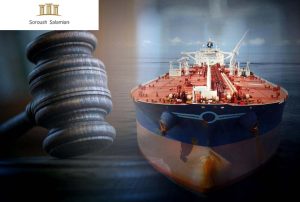
Conventions usually provide mechanisms for port authorities to inspect vessels and enforce compliance. Inspections may occur before entry or during a vessel’s presence in port. If deficiencies are identified, authorities may impose operational measures such as denial of entry, temporary detention, or financial penalties.
These enforcement tools ensure that technical and scientific rules translate into real operational practice. Shipbuilders and owners must remain prepared for inspection and maintain accurate technical records as ongoing obligations.
Dispute Resolution and International Enforcement
Many conventions support dispute-resolution mechanisms and enforcement principles, including international arbitration, recognition of arbitral awards, and judicial cooperation among states.
A key point is that, without effective enforcement, legal proceedings remain theoretical in cross-border settings. Conventions, therefore, seek to facilitate practical enforcement of decisions relating to maritime matters and compensation claims across multiple jurisdictions.
Updating Regulations in Response to Technological Change
Technological development in shipping includes automation, electronic document transfer, advanced communications, evolving fuels, and changes in fleet design. Conventions must be updated to remain workable and to prevent rules from becoming outdated or obstructive.
Areas such as cybersecurity, electronic documents, and the integration of artificial intelligence into navigation are examples where regulation continues to evolve. States and relevant bodies are expected to review and implement updated rules within a reasonable timeframe to maintain effective governance.
Practical Recommendations for Shipping Industry Participants
For shipping and international trade participants, several practical steps are recommended:
- Maintain access to the most current regulatory texts and provide continuous staff training.
- Clearly define the enforcement frameworks and dispute-resolution arrangements in contracts.
- Strengthen internal quality control and inspection systems to avoid port state control issues.
- Develop and practice emergency response plans for environmental and security incidents.
- Carefully evaluate insurance and liability coverage to support financial recovery in loss events.
Overall, international conventions provide a critical framework for safe and predictable maritime trade. Practical compliance is essential for reducing risk and improving operational certainty within the industry.
Frequently Asked Questions About International Shipping Conventions
Because maritime navigation and trade are cross-border by nature, domestic rules alone are not sufficient. Conventions create uniform standards for safety, liability, documentation, and compensation, reducing legal conflicts and improving predictability in trade.
Specialized international bodies develop rules through technical and legal working groups, incident reporting, and consultation with industry experts. After domestic approval by states, these rules become binding and are updated over time as needed.
They establish standards for design and construction, safety equipment, navigation and communication systems, periodic inspections, and technical certification, often as a condition for port entry.
Rules address prevention of oil, chemical, sewage, and air emission pollution. Owners and operators must follow operational standards, maintain records, and accept port inspections, with liability exposure for serious incidents.
Bills of lading are recognized as transport documents that function as contracts of carriage and receipts, and sometimes documents of title. Conventions set uniform rules on content, carrier liability limits, and claim deadlines.
They aim to balance protection for claimants with the economic viability of shipping by setting liability caps, except where intentional misconduct or gross negligence may prevent limitation.
They require security plans, access control, cargo screening, regular inspections, and information coordination among states, often as a condition for port acceptance.
Requirements include classification, compliant packaging, marking, formal declaration, and necessary authorizations. Breaches may trigger administrative penalties and broader legal liability.
Port authorities can inspect vessels and impose measures such as denial of entry, temporary detention, or fines where non-compliance is found. Maintaining technical records and inspection readiness is essential.
Conventions commonly support international arbitration and recognition and enforcement of resulting decisions, helping resolve cross-border disputes in an enforceable manner.
By monitoring updated rules on electronic documents, cybersecurity, new fuels, and automated systems, and implementing revised standards issued by international bodies.
Maintain updated regulatory access, train staff continuously, define dispute resolution clearly in contracts, strengthen internal compliance systems, prepare emergency response plans, and secure appropriate insurance coverage. Why are international shipping conventions necessary?
What role do international organizations play in drafting these conventions?
How do conventions help ensure ship safety?
What requirements apply to marine environmental protection?
What is the status of bills of lading under shipping conventions?
Why do conventions provide for limitation of shipowner liability?
What do port and vessel security rules cover?
What rules govern the carriage of dangerous goods?
How does port state inspection ensure compliance?
How are maritime disputes resolved internationally?
How can shipping participants keep pace with technological developments?
What practical recommendations apply to shipping industry participants?