Carriage of Dangerous Goods by Sea
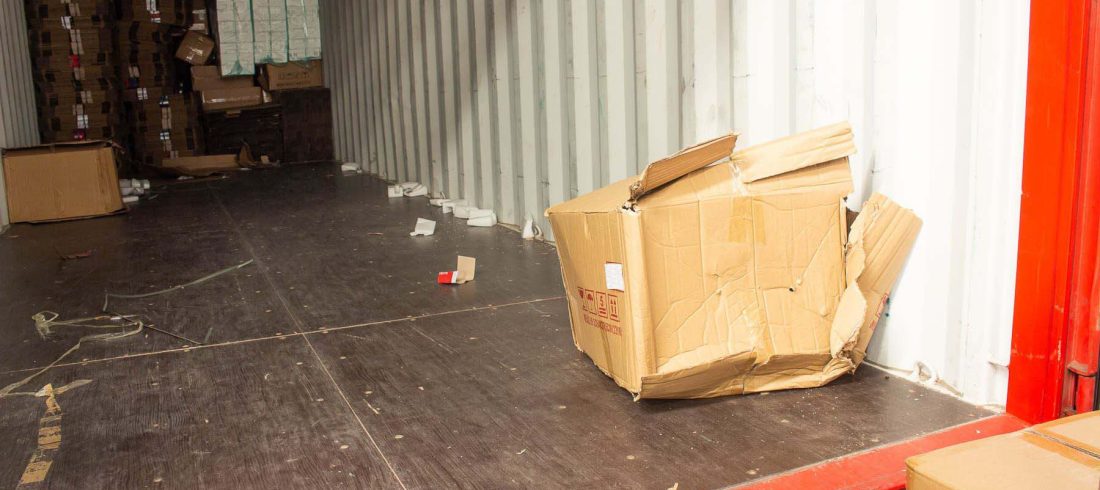
Under Iranian maritime legislation and applicable international rules, dangerous goods are items that, if carried improperly, may cause harm to human life, pollution of the marine environment, or damage to the vessel. For the lawful carriage of such goods, the cargo interest must declare the hazardous nature of the shipment in the shipping declaration. Article 32 of Iran’s Maritime Law provides that concealment or submission of inaccurate information in this regard may result in civil and criminal liability for the consignor. In addition, dangerous goods may be carried only after obtaining the required authorizations from competent authorities and complying with safety regulations. Where these conditions are not observed, the cargo interest may be required to compensate losses sustained by the vessel, the crew, or the marine environment. Accordingly, understanding the applicable rules and preparing proper transport documentation, accurate labeling, and compliant packaging are among the core legal requirements for sea carriage of dangerous goods.
Definition of Sea Carriage of Dangerous Goods
In Iranian law, the concept of “dangerous goods” is understood in a manner consistent with the International Maritime Organization’s classification and the IMDG Code. Such goods are commonly categorized into nine main classes, including explosives, flammable gases, hazardous liquids and solids, toxic substances, radioactive materials, corrosives, and comparable categories. Under Iranian maritime rules and relevant commercial law principles, carriage of these items is conditional upon strict compliance with safety requirements, obtaining legal permits, and using suitable equipment. Where the nature of the goods is omitted from the bill of lading or customs declaration, or is stated inaccurately, the consignor may be held responsible for all material and non-material losses arising from the misdeclaration. In certain situations, Iranian law also contemplates criminal sanctions, including imprisonment or monetary penalties, for serious violations.
Consignor Liability in the Sea Carriage of Dangerous Materials
Pursuant to Article 32 of Iran’s Maritime Law, the consignor must disclose the precise nature of dangerous goods before loading. Any failure to provide proper notice or to provide incomplete or inaccurate information may trigger strict liability for personal injury, property damage, and environmental harm. This responsibility may arise even where the consignor claims a lack of knowledge regarding the hazardous nature of the goods, if loss occurs, and the legal requirements were not satisfied.
The consignor must also provide supporting documentation, including safety certificates, warning labels, and technical information. Non-compliance may lead to detention of the goods, refusal of loading, and, in appropriate cases, the application of criminal measures. These requirements exist to protect the crew, the vessel, port safety, and the marine environment.
Packaging and Labeling Requirements
A central condition for the lawful sea carriage of dangerous goods is compliant packaging and standardized labeling. The IMDG Code sets out detailed packaging and marking rules, and Iranian maritime practice follows these principles. Packaging must be resistant to impact, leakage, heat, and chemical reactions. Labels must indicate the type of hazard, the relevant dangerous goods class, required safety measures, and the UN number. Failure to comply can lead to serious incidents and may impose substantial liability on both the consignor and the carrier.
Where packaging or labels do not conform to applicable rules, customs authorities may prevent export, and the shipping line may refuse to load the cargo. Strict compliance is therefore essential for both maritime safety and the protection of the parties’ legal position.
Requirement to Obtain Permits for Dangerous Goods Carriage
Under Iranian maritime transport regulations, carriage of dangerous goods is typically subject to permits issued by the Ports and Maritime Organization, the Islamic Republic of Iran Customs Administration, and, in certain cases, specialized authorities such as the Atomic Energy Organization for radioactive materials. Permits are generally issued only upon submission of complete documentation, including a Material Safety Data Sheet (MSDS), packaging approvals, hazard declarations, and the proposed transport route. Vessels lacking authorization to carry dangerous cargo may not load such goods.
If dangerous goods are carried without the required permits, port authorities may suspend operations and order the discharge of the cargo. Violations may expose the consignor and the carrier to civil liability and may also result in administrative sanctions, monetary fines, or suspension of operating licenses.
The Shipping Company’s Role in Ensuring Safe Carriage
Shipping companies have significant responsibilities regarding the safe carriage of dangerous goods. First, they must issue transport documents that reflect complete information and, to the extent reasonably possible, verify the accuracy of consignor provided details. Second, the carrier must select an appropriate vessel equipped with necessary safety systems, such as ventilation, segregation arrangements, leakage detection, and emergency response capabilities. Crew members should also be adequately trained to handle and manage dangerous cargo.
Where the shipping company fails to meet these duties, it may be held jointly liable with the consignor for resulting damage. Iranian maritime rules and implementing regulations require carriers to comply with IMO standards and domestic instructions issued by the Ports and Maritime Organization.
Insurance Requirements for Dangerous Goods Carriage
Adequate and valid insurance is another essential element in the carriage of dangerous goods by sea. Under Iranian practice, losses suffered by third parties or environmental damage arising from dangerous cargo may be compensated through liability insurance maintained by the carrier or the consignor, depending on contractual allocation and insurance structure. Where a dangerous shipment lacks appropriate insurance, insurers may deny coverage or indemnify only partially, depending on policy terms and exclusions.
For this reason, insurance documentation is commonly required at the stage of issuing transport documents and obtaining permits. Certain high-risk shipments may require specialized cover, commonly referred to as dangerous cargo insurance. Failure to secure suitable insurance can create substantial financial exposure and lead to complex, costly disputes.
The Master’s Duties When Dangerous Goods Are Carried
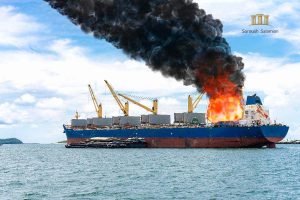
The master of the vessel, as the highest operational authority during the voyage, bears significant responsibility concerning dangerous goods. The master must be informed of the presence of such cargo and must supervise proper stowage, verify that packaging appears compliant, and ensure segregation from incompatible cargo. In the event of an incident such as a leakage, fire, or explosion, the master must implement emergency procedures in accordance with safety instructions and report promptly to the relevant authorities.
If the master was not informed that dangerous goods were on board and the concealment caused risk, the master may be protected from liability. However, where the master was aware of the hazardous cargo and failed to apply required safety measures, legal responsibility may arise. This approach is reflected in Article 35 of Iran’s Maritime Law.
The Ports and Maritime Organization’s Supervisory Role
The Ports and Maritime Organization plays a central supervisory role in controlling the carriage of dangerous goods. Through cargo inspections, document verification, permit issuance, and enforcement of safety standards, the Organization aims to prevent maritime incidents. Under the implementing regulations associated with Article 32 of Iran’s Maritime Law, if deficiencies in packaging, documentation, or an immediate risk are identified, the Organization may prohibit loading or order unloading.
The Organization also has responsibilities related to port personnel training, issuing safety directives, and coordinating with customs and maritime security bodies. Non-compliance with the Organization’s instructions may result in suspension of operations and significant penalties.
Legal and Criminal Consequences of Non-Compliance
Failure to comply with legal requirements for the sea carriage of dangerous goods can result in substantial civil and criminal consequences. Under Iran’s Maritime Law, if the consignor provides incorrect information or fails to supply required documents, the consignor may be liable for all resulting losses, including damage to the vessel, harm to the marine environment, injury to the crew, and damage to other cargo.
In more serious cases, courts may impose imprisonment, monetary penalties, or measures such as detention of the vessel. Shipping companies and the master may also be liable where they knew the cargo was dangerous and failed to comply with safety obligations. Compliance is therefore not only a technical necessity but a legal requirement supported by strong enforcement mechanisms.
Frequently Asked Questions About Carriage of Dangerous Goods by Sea
Dangerous goods are items that, if carried improperly, may endanger human life, the marine environment, or the vessel. Under Iranian maritime law and the IMO IMDG Code, they are classified into categories such as explosives, flammable gases, toxic substances, corrosives, and radioactive materials.
The consignor must accurately declare the hazardous nature of the cargo and provide required documents, labels, and safety certificates. Failure to disclose or misdeclaration may trigger civil and criminal liability for losses affecting the vessel, crew, or the marine environment.
Packaging must be resistant to impact, leakage, heat, and chemical reactions. Labels must identify the hazard type, the dangerous goods class, and the UN number. Non-compliance may result in refusal of loading, regulatory intervention, and legal penalties.
Shipping companies must ensure transport documents are accurate, select suitable vessels with appropriate safety equipment, and ensure that trained crew are available. Where they fail to do so, they may be jointly liable with the consignor for resulting damage.
Violations can lead to liability for all resulting losses, including damage to the vessel, environmental harm, and personal injury, and may also trigger fines, imprisonment, or detention measures in serious cases. Compliance with legal requirements and safety standards is therefore mandatory. What does dangerous goods mean in sea carriage?
What is the consignor’s responsibility when shipping dangerous goods by sea?
What packaging and labeling requirements apply to dangerous goods?
What duties do shipping companies have regarding dangerous goods?
What are the legal consequences of violating dangerous goods carriage rules?