
What is the importance of protecting cargo by means of legal documentation?
Cargo protection in transportation is not limited to proper packaging, loading, and the selection of an appropriate means of transport. Legal documentation also plays an important role in establishing the parties’ responsibilities and protecting cargo owners’ rights. When information concerning the type of goods, quantity, apparent condition, transportation requirements, and responsibilities of each party is properly documented, the ability to substantiate claims in the event of a dispute is significantly improved.
Transportation documents such as bills of lading, carriage contracts, commercial invoices, packing lists, delivery receipts, and insurance policies can establish the cargo’s condition at different stages of transportation. Accurate documentation helps determine the condition in which the goods were received and the condition in which they were expected to arrive at their destination.
The responsibilities of the consignor, carrier, loading operator, warehouse, and consignee should also be clearly defined. Ambiguity in these matters can make the assessment and recovery of losses more difficult. Accurate documentation does not necessarily mean creating excessive paperwork. Its primary purpose is to record key, legally supportable information regarding the shipment and the parties’ obligations, thereby providing a clearer legal course of action in the event of damage, loss, or delay.
How does a carriage contract safeguard the rights of the cargo owner?
A carriage contract is one of the most important legal documents for cargo protection. The contract should specify which person or company is responsible for transporting the goods, the conditions under which the cargo will be received, the transportation route and estimated delivery time, and the extent of each party’s responsibility for damage or delay. The type of goods should also be accurately specified in the contract. Sensitive, perishable, fragile, or hazardous goods may require specific transportation conditions. Documenting these requirements in the contract can help prevent subsequent disputes concerning the handling and transportation of the goods.
The method for calculating freight charges, additional costs, route changes, responsibility for delays or storage, and the procedure for submitting claims should also be determined from the outset. Clear information should likewise be provided regarding cargo insurance and the scope of its coverage. In international contracts, determining the governing law and dispute resolution mechanism becomes even more important, as the parties may be located in different countries.
A contract provides the greatest legal value when its terms are clear, precise, and appropriate to the nature of the transportation. The use of vague or ambiguous language regarding responsibilities may create difficulties when damage occurs. Accordingly, an appropriate carriage contract should be prepared before transportation begins and based on the actual circumstances of the shipment.
What is the role of a bill of lading in the legal protection of goods?
A bill of lading is a key document in many transportation operations and records important information concerning the cargo and the terms of transportation. The type of bill of lading and its legal effects depend on the method of transportation and the applicable laws. Generally, however, it may record information such as the details of the consignor and consignee, the type of goods, the number of packages, the weight, the destination, and the transportation conditions.
The accuracy of the information contained in a bill of lading is highly important. If the weight, number of packages, or description of the goods is recorded incorrectly, disputes may arise upon delivery or when a claim for damages is made. Therefore, the information in the bill of lading should be compared with the commercial documents and the cargo’s actual condition before it is signed.
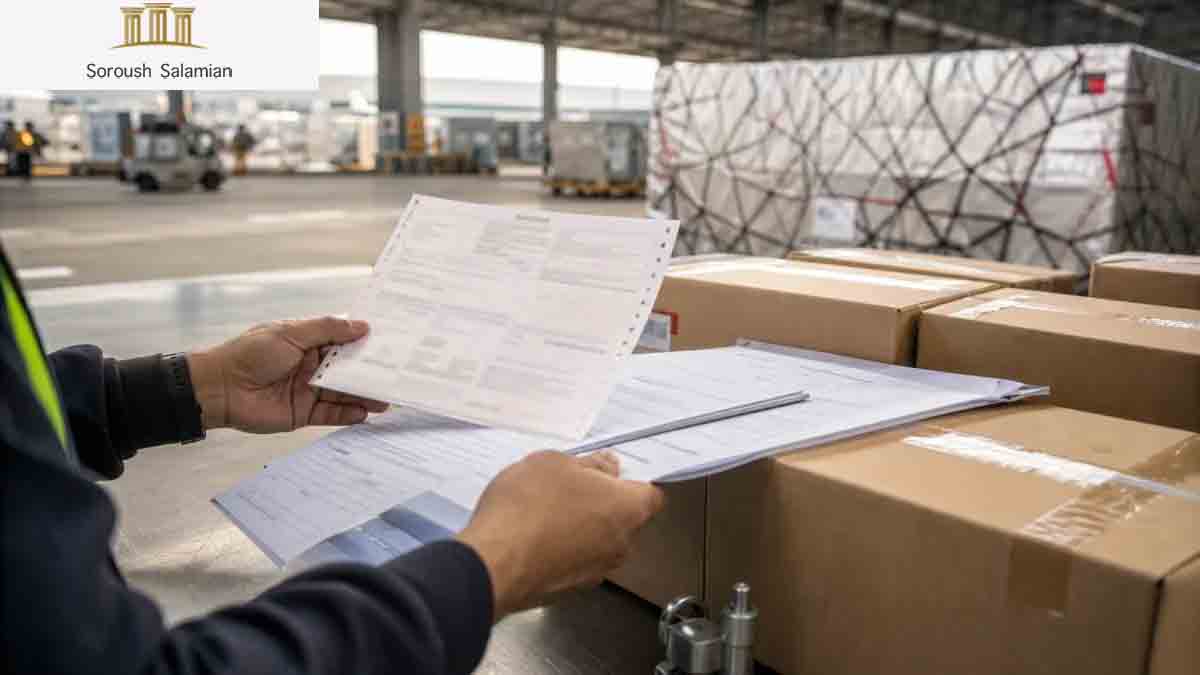
What Role Does a Bill of Lading Play in the Legal Protection of Cargo?
The apparent condition of the packages is also important when the cargo is handed over to the carrier. If any visible damage exists, recording it in the relevant documents can help prevent subsequent disputes. A bill of lading may also be used together with the carriage contract, delivery receipt, and other documents to examine the transportation chain.
However, a bill of lading alone does not establish all legal responsibilities relating to a shipment. The contractual terms, applicable laws for the relevant mode of transportation, and other documents must also be reviewed. In complex transactions or international transportation, legal review of the documents before signing can help prevent serious problems.
What is the importance of recording the condition of the cargo when delivery takes place?
One of the most important measures for cargo protection is documenting its condition upon delivery to the carrier. If the condition of the goods is not properly recorded at the beginning of transportation, it may be difficult to establish at which stage the damage occurred. The consignor and carrier should, to the extent possible, verify the number of packages, the apparent condition of the shipment, the condition of the packaging, and any visible damage. If a package has a tear, breakage, moisture damage, or other visible defect, it is advisable to record the matter in the relevant documents.
Photographs and videos may also serve as useful supporting evidence. Taking photographs of the packages, labels, and cargo condition before loading can provide the parties with additional information in the event of a dispute. More detailed documentation of the cargo condition is particularly important for valuable or sensitive goods.
Where possible, an inspection report or delivery record may also be prepared. Such documentation is more valuable when it clearly identifies the date, shipment details, and its connection to the transportation. Properly maintaining copies of documents and photographic evidence is also important. In the event of a dispute, the combined evidence can assist in establishing the cargo’s initial condition and assessing the parties’ responsibilities.

What role does cargo insurance play in providing legal support for the protection of goods?
Cargo insurance can be an important risk management tool in transportation. Its purpose is to compensate for losses arising from risks covered under the insurance policy, subject to its terms and conditions. However, the existence of insurance does not mean that every type of loss will necessarily be compensated. The terms, exclusions, limits of liability, and claim notification procedures must be carefully reviewed. When insuring a shipment, the value of the goods should be declared accurately. The types of goods and the potential risks associated with their transportation should also align with the insurance coverage. For example, the conditions applicable to perishable or sensitive goods may differ from those applicable to an ordinary shipment.
How Does Cargo Insurance Provide Legal Support for the Protection of Goods?
The insurance policy should be reviewed in terms of its period of validity, geographical scope, covered risks, and exclusions. The documents required for submitting a claim should also be identified in advance. If an incident occurs, prompt documentation is highly important. An incident report, photographs, a bill of lading, an invoice, a delivery receipt, and other documents may be required to assess a claim for damages.
Insurance does not replace the legal or contractual obligations of the carrier. The carrier’s liability should be assessed under the applicable contract and laws, while the terms of the insurance policy determine the insurer’s obligations. Therefore, these two matters should be considered separately from a legal perspective.
What Documents Should Be Collected in the Event of Cargo Damage or Loss?
Damage to or loss of cargo may develop into a legal dispute when the parties disagree about the cause or extent of the loss or the responsibility of the parties involved. In such circumstances, prompt collection of relevant documents is highly important. The bill of lading, carriage contract, purchase or sales invoice, packing list, insurance policy, and delivery receipt are among the primary documents. A damage report or delivery record prepared at the time of delivery may also provide important information concerning the condition of the goods.
Photographs and videos of the damaged goods and packaging may also have evidentiary value. Images should preferably be taken to show both the overall condition of the shipment and the specific details of the damage. If any part of the shipment is missing, the number of packages delivered should be compared with the number recorded in the relevant documents. For damaged goods, the extent of the loss should also be determined as accurately as possible.
A claim for damages should be submitted in accordance with the deadlines and procedures specified in the contract, insurance policy, or applicable regulations. Delayed notification may complicate the process of recovering damages. It is also advisable to retain correspondence relating to the incident, including emails, formal communications, and responses from the other party. This collection of evidence can establish the sequence of events and, where necessary, be used for legal or insurance proceedings.
How is the carrier’s liability for damage to the cargo determined?
Determining a carrier’s liability for cargo damage depends on various factors, and no single rule applies to all transportation arrangements. The type of contract, mode of transportation, applicable laws, terms of the bill of lading, cause of the damage, and nature of the goods are among the important factors in this assessment.
For example, if goods are transported under improper conditions or the necessary measures to protect them are not taken, the carrier may be liable. Conversely, if the damage results from inadequate packaging by the consignor or from circumstances beyond the carrier’s control, the assessment of liability may differ. For this reason, documentation concerning the initial delivery and condition of the goods is particularly important. Such records may demonstrate the condition in which the cargo was received.

How Is the Carrier’s Liability for Cargo Damage Determined?
Any limitations of liability contained in the contract or applicable regulations should also be examined. In certain legal systems and transportation contracts, the carrier’s liability may be subject to specific limits or conditions. Where the loss is substantial, legal review of the documents by a transportation law specialist may be beneficial. Legal assessment can help determine each party’s responsibility based on the available evidence and governing law, and prevent incomplete or unsupported claims.
What role do delivery documents play in proving the condition or damage of the cargo?
A delivery receipt is an important document at the final stage of transportation and can record the condition of the goods at the time of delivery. Comparing this condition with the cargo’s condition when it was initially received can provide the parties with important information about the transportation process.
If the consignee observes visible damage upon receiving the goods, the matter should preferably be recorded in accordance with the procedures established in the transportation documents. Simply recording general statements such as “received” may, in certain circumstances, fail to provide sufficient information concerning the actual condition of the goods. The details of the damage, number of damaged packages, and their apparent condition should be specified as accurately as possible. Photographs may also serve as appropriate supporting evidence.
If the goods are accepted without inspection, it may become more difficult to establish when the damage occurred, although the legal consequences depend on the governing law, mode of transportation, and contractual terms. Accordingly, the consignee should have sufficient time to conduct a visual inspection of the shipment upon delivery. For sensitive or valuable goods, preparing a more detailed delivery record may be beneficial. This document should correspond with the bill of lading and other relevant records. Delivery documentation, together with the contract, bill of lading, and inspection reports, can provide a more complete picture of the shipment’s condition and help clarify the circumstances in the event of a dispute.
What is there for the protection of cargo through legal documentation in the context of international transport?
International transportation requires greater attention to documentation because the parties may be located in different countries. The laws of different jurisdictions may vary, and transportation documents should comply with the requirements applicable to the route and mode of transportation. Before transportation begins, the contract should establish the parties’ responsibilities, governing law, dispute resolution mechanism, delivery conditions, and scope of obligations. Commercial documents such as invoices, packing lists, and customs documentation should also correspond with the actual information concerning the shipment. Selecting an appropriate type of bill of lading is equally important. Depending on the mode of transportation, sea, air, road, or multimodal transportation documents may be subject to different requirements.
How Can Cargo Be Protected Through Legal Documentation in International Transportation?
Cargo insurance should also be selected based on the shipment’s value and the associated risks. The geographical scope of coverage, covered risks, and exclusions should be reviewed before transportation begins. If damage occurs, prompt collection of evidence is particularly important. Incident reports, photographs, transportation documents, customs records, and correspondence between the parties may be used to pursue a claim for damages. In international transactions, it is also advisable to have significant contracts reviewed before signing, particularly regarding the governing law and dispute resolution mechanism. This can help prevent complex and costly disputes in the future.
How can a reliable system of documentation for the protection of cargo be set up?
An effective documentation system should begin when the goods are being prepared and continue through final delivery. The purpose of such a system is to create a documented chain of information showing which person or entity had custody of the cargo at each stage and the conditions under which it was transported.
At the initial stage, the details of the goods, quantity, weight, value, and packaging condition should be recorded. The carriage contract and bill of lading should then be compared with this information. During loading, photographs and condition reports may be prepared where necessary. Throughout the transportation process, documents relating to delivery, significant stops, or incidents should be retained. Upon arrival at the destination, the condition of the shipment should be inspected and the result recorded in the delivery receipt or delivery report.
For greater organization, a dedicated file can be created for each shipment, with digital copies of the documents also maintained. Consistent file naming and recording of document dates can make information easier to access. The most important principle is that the information contained in the documents should remain consistent. Discrepancies between the bill of lading, invoice, packing list, and delivery receipt may create difficulties when seeking compensation. Accurate documentation reduces the risk of disputes and, if an incident occurs, provides a clearer basis for establishing rights and responsibilities.
Frequently Asked Questions About Protecting Cargo Through Legal Documentation
Documents such as carriage contracts, bills of lading, invoices, packing lists, insurance policies, and delivery receipts can establish the condition in which the goods were delivered and the responsibilities of each party at different stages of transportation. These documents are important for substantiating claims in the event of damage or a dispute.
A carriage contract should preferably specify the details of the goods, transportation conditions, responsibilities of the parties, time and place of delivery, method of calculating costs, conditions for submitting claims, insurance arrangements, and dispute resolution mechanism. For sensitive or hazardous goods, specific handling and transportation requirements should also be included in the contract.
A bill of lading records important information such as the details of the consignor and consignee, type of goods, number of packages, weight, and destination. Ensuring that the information in the bill of lading corresponds with the actual condition of the shipment is highly important and, in the event of a dispute, it may serve as an important document for assessing the conditions of transportation and delivery.
Recording the initial condition of the goods helps establish the condition of the shipment when it was delivered to the carrier. Documenting visible damage, the number of packages, and the condition of the packaging, together with photographs or a delivery report, can facilitate the determination of liability if damage occurs.
Compensation depends on the terms of the insurance policy, covered risks, limits of liability, and applicable exclusions. Therefore, the value of the goods, the type of shipment, the scope of coverage, and the claim notification requirements should be reviewed before transportation begins. Insurance also does not replace the contractual or legal responsibilities of the carrier.
The carriage contract, bill of lading, invoice, packing list, insurance policy, delivery receipt, damage report, photographs of the goods, and correspondence relating to the incident are important documents. The loss should preferably be reported as soon as possible. In accordance with the deadlines and procedures specified in the contract or insurance policy.
In international transportation, the carriage contract, bill of lading appropriate to the mode of transportation, commercial invoice, packing list, customs documentation, and insurance policy are particularly important. The governing law, responsibilities of the parties, and dispute resolution mechanism should also be established before transportation begins so that the legal course of action is clearer if a problem arises. How do legal documents help protect cargo?
What should a carriage contract include to protect the rights of the cargo owner?
What role does a bill of lading play in the legal protection of cargo?
Why is it important to record the condition of cargo when it is delivered to the carrier?
Does cargo insurance cover all damage to goods?
What documents should be retained in the event of cargo damage or loss?
Which documents are particularly important for cargo protection in international transportation?




If the cargo arrives damaged but the driver refuses to note it on the delivery receipt, what should the consignee do?
The consignee should document the damage independently, including photographs and the condition of the packaging, and keep records of the refusal if possible. The appropriate next step can depend on the contract, the transport method, and the applicable law.
What happens when the weight on the bill of lading is different from the actual weight at delivery?
A discrepancy in weight can become important evidence in a cargo dispute. The relevant shipping, commercial, and delivery documents should be compared, along with how and when the weight was recorded. The legal consequences depend on the circumstances and applicable rules.
If cargo gets damaged during a port transfer, who is usually responsible, the carrier or the terminal?
There is no single answer. Responsibility can depend on the contracts between the parties, who had custody of the cargo at the relevant time, the cause of the damage, and the applicable law. The full transportation chain would need to be reviewed.
Can photos taken on a phone really help if the other side disputes the condition of the cargo?
They can be useful supporting evidence, particularly when they clearly show the cargo, packaging, date, and circumstances. Their evidentiary value will depend on the applicable legal and procedural rules, so keeping the original files and related documentation is advisable.
What if the insurance company says the damage isn’t covered even though the cargo was insured?
Insurance coverage depends on the actual wording of the policy, including exclusions, limits, covered risks, and notification requirements. Having insurance does not necessarily mean every loss is covered. The policy and circumstances of the incident should be reviewed together.
Who is responsible if the cargo was already poorly packed before the carrier picked it up?
Potential liability may be affected by the condition of the cargo and packaging when the carrier took possession of it. If inadequate packaging contributed to the loss, that may affect the assessment of responsibility. The contract and evidence concerning the initial condition would be important.
For international shipments, is it better to choose the law of the seller’s country or the buyer’s country?
Neither is automatically better. The choice should be considered alongside the transport route, applicable mandatory rules, enforcement issues, and the dispute resolution mechanism. The governing law clause should be reviewed together with the rest of the contract before signing.
What if the cargo is delivered to the wrong warehouse but nobody notices until the next day?
The timing of the discovery can become relevant, particularly where the contract or applicable rules impose notification requirements. The parties should preserve the delivery records, communications, tracking information, and any evidence showing where and when the cargo was actually delivered.
If part of a shipment is missing, should the consignee accept the rest of it or refuse the whole delivery?
That can depend on the circumstances and the applicable contractual and legal requirements. In many situations, it is important to accurately record the shortage rather than simply noting that the shipment was received. The relevant delivery documents should be checked before taking action.
If the carrier’s contract has a liability limit, can the cargo owner still claim the full value of the goods?
Not necessarily. Liability limitations can affect the amount that may be recoverable, but their validity and application depend on the contract, applicable law, and the circumstances of the loss. The specific limitation should be examined before assuming that the full cargo value is recoverable.