Claims for Damaged Goods in International Trade Damage to goods during international trade is one of the most common and, at the same time, most complex legal issues for merchants, transportation companies, insurers, buyers, and sellers. The diversity of shipping routes, the number of involved parties, differences among national legal systems, and the existence of...Read More
Drafting Transportation Contracts for Legal Security A transportation contract is the backbone of the relationship among the cargo owner, carrier, freight forwarder, and other participants in the logistics chain. The clearer and more precise the contract is, the lower the likelihood of disputes, conflicting interpretations, and litigation. Many disputes arise from contractual silence or from...Read More
Insurance Coverage for International Cargo Transportation: A Comprehensive and Practical Guide International transportation of goods involves a range of financial and operational risks that may turn a profitable commercial transaction into a loss-making one. The purpose of cargo insurance is to provide financial protection for the cargo owner or beneficiary against risks that occur unexpectedly...Read More
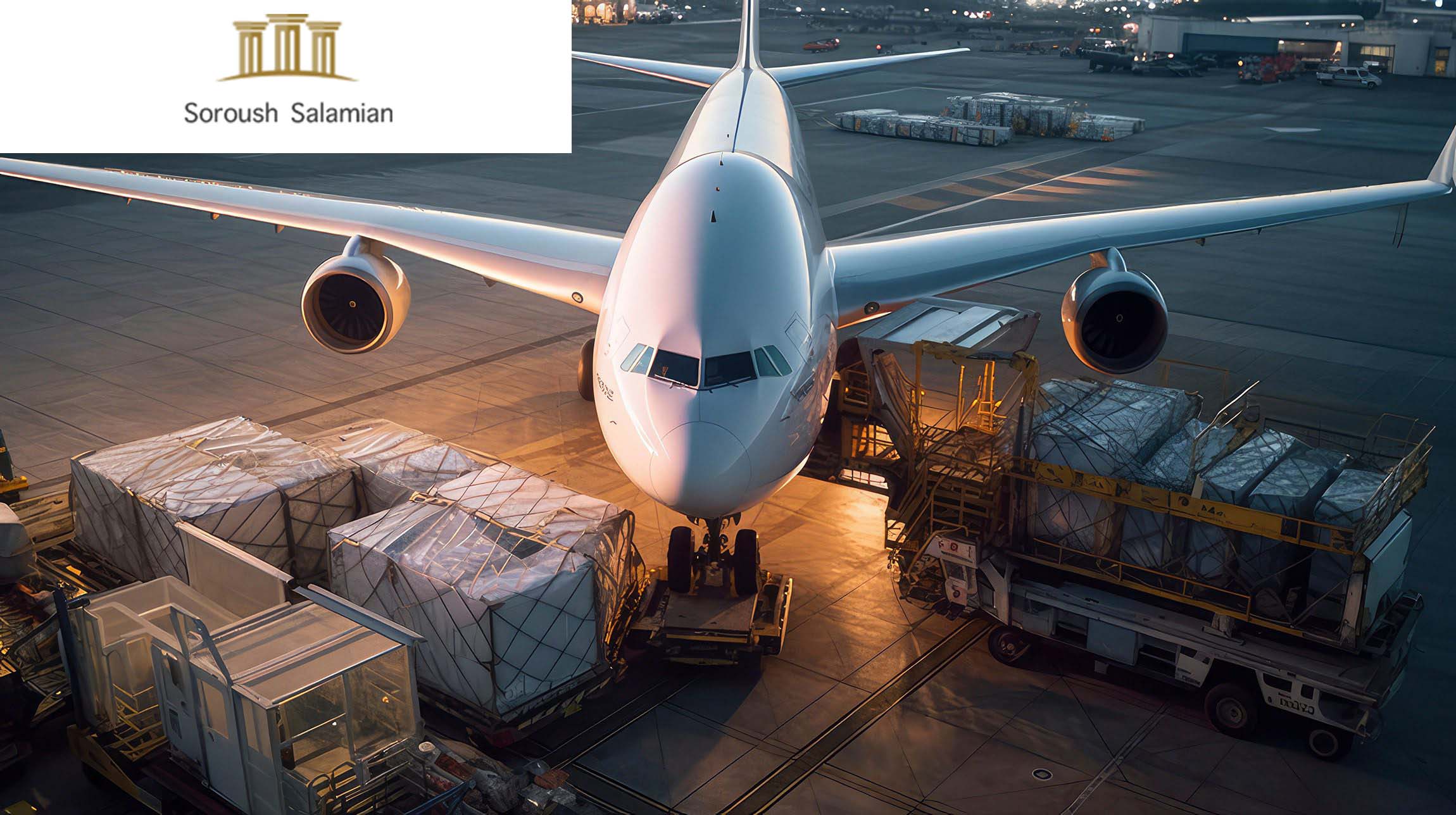
Legal Risks in Air Transportation Air transportation forms a vital part of global trade due to its speed and international reach, but it is also associated with a distinct level of legal risk. Legal risks in this field affect not only airlines, but also shippers, consignees, freight agents, and insurers. Identifying these risks helps parties...Read More
Conditions for Termination of an International Transportation Contract Termination of an international transportation contract is among the most complex legal actions because it often entails significant financial, operational, and enforcement consequences. In practice, termination may be raised by the cargo owner, carrier, freight forwarder, or consignee, and each party must present a valid legal or...Read More
How to File a Complaint Against Transportation Companies Filing a complaint against transportation companies is a common process in trade and cargo shipments. In the following, with the guidance of Soroush Salamian Law Firm, we provide a comprehensive and practical guide to filing complaints and pursuing claims against transportation companies, from document gathering to legal...Read More
Review of International Shipping Conventions International shipping conventions consist of treaties and rules that states adopt to promote uniformity, improve safety, and reduce risks in navigation and maritime transport. The core reason these conventions exist is the cross-border nature of navigation. Ships, cargo, and crew operate across waters that extend beyond national boundaries, and fragmented...Read More
What Are Claims Arising from a Forged Bill of Lading? A bill of lading is a core document in the transportation industry. It functions as a contract of carriage, a delivery receipt, and in some cases a document of title. Forgery or fraud involving a bill of lading can trigger wide-ranging legal, financial, and operational...Read More
Carrier Liability in Container Shipping Carrier liability in container shipping refers to the legal and contractual obligation to safeguard the condition of the cargo from the time the container is delivered to the carrier until it is delivered to the consignee. In practice, this liability covers a defined period that typically includes acceptance of the...Read More
Multimodal Transport Regulations Multimodal transport is one of the most important methods of moving goods in both domestic and international trade. In this system, goods are transported under a single contractual framework using a combination of two or more modes, such as sea, land, and air. The expansion of global supply chains, increased trade volumes,...Read More