
What Is the Correction of Errors in a Bill of Lading, and Why Is It Important?
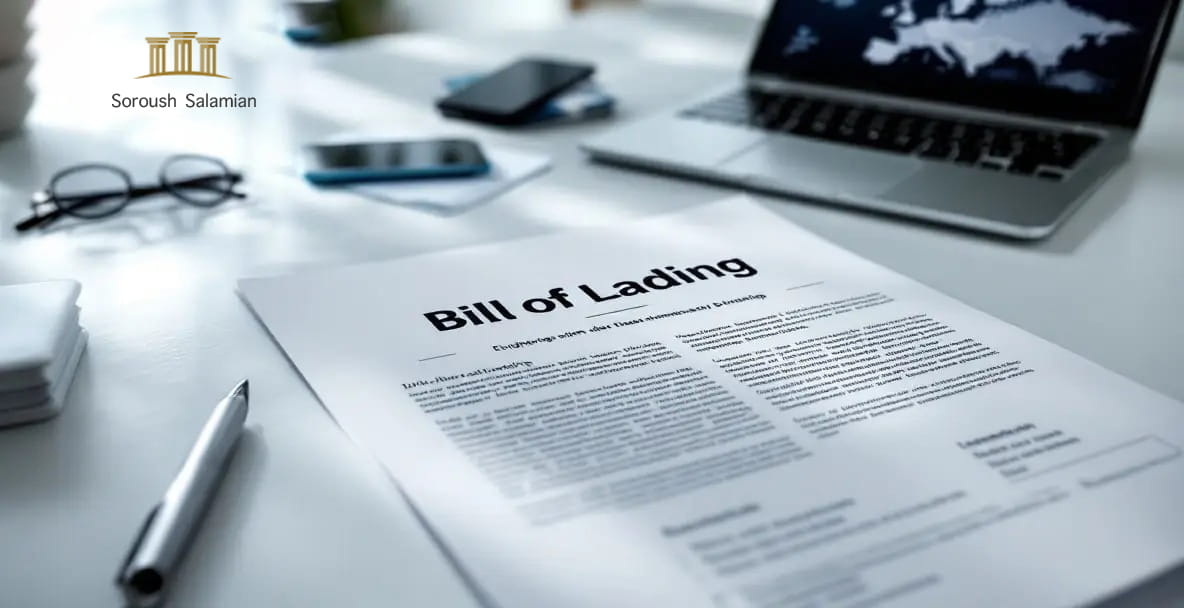
A bill of lading is an important document for transporting goods. It records information such as the consignor’s and consignee’s details, the type of goods, weight, number of packages, place of origin, destination, and carriage conditions. This information serves as the basis for fulfilling the parties’ obligations and may also be used in legal proceedings, financial disputes, and customs inspections. Therefore, any errors in preparing a bill of lading must be identified promptly and corrected through the appropriate legal procedures.
Errors in a bill of lading may include an incorrect vehicle registration number, consignee’s name, cargo weight, destination address, number of packages, or description of the goods. Some errors can be resolved through administrative corrections, while others may cause transportation delays, delivery to an unauthorized recipient, damage claims, or complications in customs procedures.
To correct a bill of lading, first determine at which stage the error occurred, who provided the relevant information, and which authority issued the document. Then collect the correct supporting documents and submit a correction request through the appropriate channels. Importantly, all corrections must be traceable, and a record of any amendments must be preserved. Unauthorized or undisclosed alterations to a bill of lading may aggravate existing disputes and expose the parties involved to legal liability.
What Types of Errors in a Bill of Lading Can Be Corrected?
The nature of an error recorded in a bill of lading determines the appropriate correction procedure and its legal consequences. Typographical errors in personal or company names, incorrect vehicle registration numbers, inaccurate dates, discrepancies in destination addresses, and errors in the number of packages are among the issues that may require correction. However, whether and how you can correct a particular error depends on the type of bill of lading, the stage of transportation, and the issuing authority’s regulations.
For example, if a vehicle registration number was entered incorrectly when the bill of lading was issued, verify the vehicle’s actual registration details against the relevant documents. If the cargo weight or number of packages was recorded incorrectly, supporting evidence such as weighbridge receipts, delivery records, or loading documents may be required. Where a correction involves changing the consignee or destination, the authority of the person requesting the change and the legal status of the goods must also be examined.
In certain circumstances, you may correct incorrect information by issuing an amendment. In other cases, applicable regulations may require cancellation of the original document and issuance of a new bill of lading. Do not assume that all errors can be corrected through the same procedure.
A distinction must also be made between unintentional errors and the deliberate inclusion of false information. A typographical error supported by reliable documentation is fundamentally different from intentionally understating cargo weight or misrepresenting the nature of the goods. Establishing this distinction is essential to determine liability and select the appropriate legal procedure.
Legal Procedures for Correcting Errors in a Bill of Lading
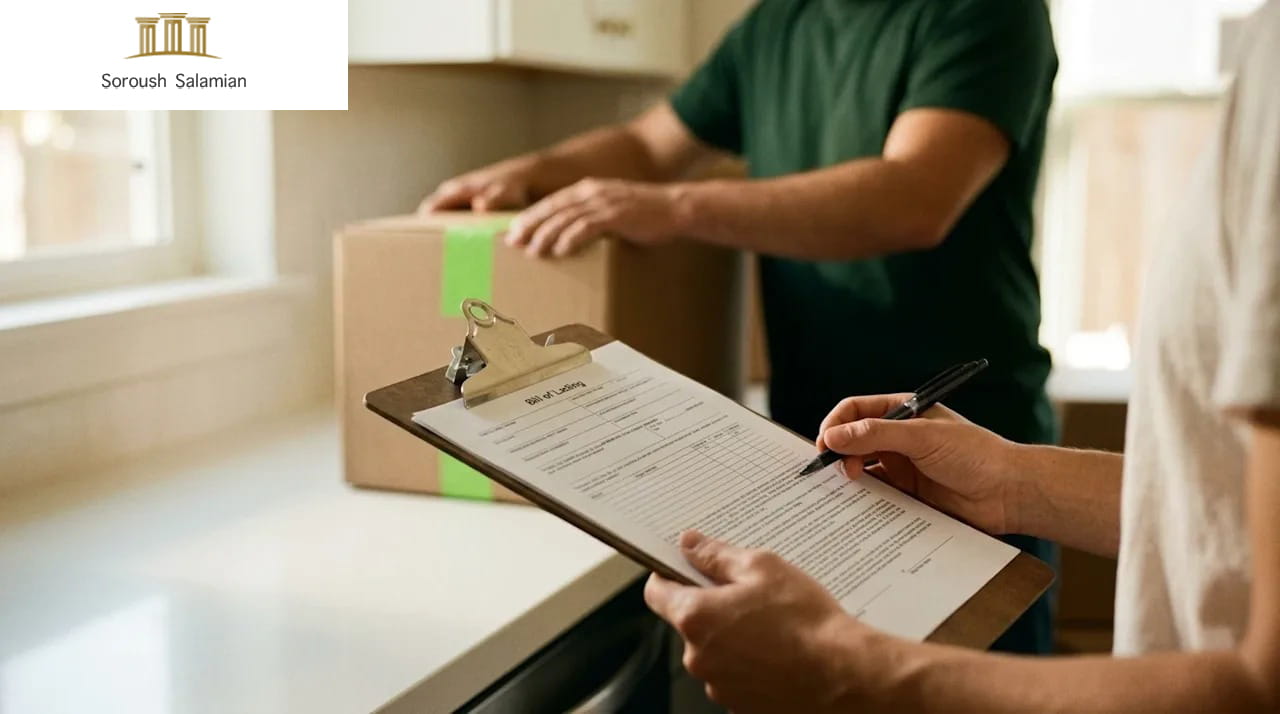
Before correcting errors in a bill of lading, carefully review the existing document and the evidence supporting the correct information. First, identify the error’s location and nature, and determine how it occurred. The individual or company responsible for providing the information should then submit the necessary supporting documentation to the issuing authority for examination and possible correction.
The required documentation varies according to the nature of the error. Correcting vehicle details may require the vehicle’s registration and identification documents. Amendments to cargo weight may require a weighbridge receipt or loading report. Where the error concerns the consignee’s name or destination, the transportation order, contract of carriage, and relevant identification or commercial documents must be examined.
Once you have collected the supporting documents, submit the correction request through the transportation company’s official procedures or the relevant electronic system. The request should specify the bill of lading number and date, the information originally recorded, the correct information, the reason for the error, and a list of supporting documents. If the correction is approved, issue an amended or replacement document in accordance with applicable regulations, and retain a copy in the transportation records.
If the goods have already been dispatched or have reached their destination, correcting the information may be subject to additional restrictions. In such circumstances, you must consider the rights of the consignee, consignor, and other relevant parties. Formally recording the request and obtaining a written response can also help prevent subsequent disputes.
Liability of the Consignor for Providing Incorrect Information in a Bill of Lading
The consignor generally provides the transportation company with the initial shipment information. This includes the description of the goods, number of packages, weight, identifying marks, consignee’s details, and documents required for transportation. The accuracy of this information is essential. If the information provided is incorrect, incomplete, or misleading and subsequently causes damage, the consignor may be held liable for compensating the resulting losses.
For example, if the consignor declares a cargo weight lower than the actual weight, resulting in vehicle overloading, additional expenses, or transportation difficulties, the consignor’s liability will be assessed based on the cause of the incident and applicable regulations. Similarly, failing to disclose the hazardous nature of goods accurately may endanger the driver, vehicle, and other shipments.
In international road transportation governed by the Convention on the Contract for the International Carriage of Goods by Road (CMR), Article 7 addresses the consignor’s liability for certain inaccurate or inadequate particulars and the resulting losses. However, whether these provisions apply depends on the circumstances of the transportation and the relevant documents.
The consignor’s liability is not absolute in every case. If the damage results from an error by the transportation company, driver negligence, or another contributing factor, each party’s responsibility must be examined separately. Documents relating to the delivery of goods and the information provided when the bill of lading was issued play an important role in this assessment.
Liability of the Transportation Company for Issuing an Incorrect Bill of Lading
The transportation company plays a significant role in preparing and issuing a bill of lading. It must record information accurately based on the documents and particulars provided and comply with the applicable requirements governing the issuance of transportation documents. If an error results from incorrect data entry, employee negligence in recording relevant details, or failure to follow required procedures, the company may face a liability claim.
For example, the consignor may have provided the correct consignee details, but a different name or address may have been entered when the bill of lading was prepared. If this error results in delivery to the wrong recipient, return of the shipment, or additional expenses, it is necessary to determine at which stage the error occurred and whether a causal relationship exists between the error and the resulting damage.
However, the transportation company’s liability does not necessarily mean it must compensate every claimed loss. The contract of carriage, available evidence, roles of the consignor and driver, whether the error could reasonably have been identified, and the governing regulations all influence the determination of liability. In some circumstances, the consignor may have supplied incorrect information that the transportation company recorded in accordance with established procedures. In such cases, liability must be assessed based on each party’s actual involvement.
To minimize the risk of errors, transportation companies should verify bill of lading information against supporting documents before issuance, establish procedures for reviewing recorded details, and maintain comprehensive records of amendments. Accurate documentation and prompt investigation of discrepancies can help prevent financial and legal disputes.
Liability of the Driver in Cases of Discrepancies in a Bill of Lading
During transportation, the driver handles the bill of lading and shipment information. The contract, transportation regulations, and applicable legal instructions determine the driver’s duties. If you notice an obvious discrepancy between the information on the bill of lading and the actual condition of the shipment or vehicle when you receive the goods, notify the transportation company and the responsible party to help prevent complications.
For example, if the vehicle’s actual details do not correspond to those recorded in the bill of lading, or if the number of packages differs from the stated quantity, the discrepancy should be reported and documented before transportation proceeds. Continuing transportation despite a significant discrepancy may require an examination of the driver’s liability if damage subsequently occurs. Nevertheless, an error in the document alone is insufficient to establish the driver’s liability.
A legal assessment must determine whether the driver knew or reasonably could have known about the error, whether the driver had authority to initiate a correction, and whether the driver fulfilled the relevant obligations. It is also necessary to distinguish between errors attributable to the issuing authority, incorrect information supplied by the consignor, and the driver’s conduct.
The driver must not manually alter the contents of a bill of lading or attempt to correct information on behalf of the issuing authority without authorization and compliance with official procedures. Preparing a discrepancy report, retaining supporting documentation, and obtaining clear instructions from the transportation company provide a more reliable approach to resolving the matter.
Legal and Financial Consequences of Incorrect Information in a Bill of Lading
Incorrect information in a bill of lading may result in both direct and indirect expenses. Potential consequences include vehicle detention, delivery delays, storage charges, return of goods, route changes, disputes over freight charges, and complications with customs documentation. If incorrect information damages the goods or other property, compensation for the resulting losses may also become an issue.
To pursue a claim for damages, you generally must establish that a loss occurred, identify the legal basis for holding the relevant party liable, and demonstrate a causal connection between the incorrect information and the damage. Expense invoices, warehouse receipts, transportation documents, detention reports, correspondence between the parties, and expert assessments may be relevant to evaluating the claim. Not every expense incurred after an error is necessarily recoverable. You must establish the connection between the error and the expense, along with the legal basis for recovery.
In some cases, incorrect information may violate administrative or transportation regulations. If false information was deliberately included to deceive another party, evade legal requirements, or create a fraudulent document, more serious legal consequences may arise depending on the circumstances. Nevertheless, determining whether conduct constitutes a regulatory violation or criminal offense requires examining the relevant legal elements and supporting evidence. An ordinary mistake should not automatically be characterized as criminal conduct.
Accordingly, determining the legal consequences requires distinguishing between unintentional errors, breaches of contractual obligations, and deliberate misconduct. The type of bill of lading, applicable law, and extent of the damage also influence the final determination.
Difference Between Correcting, Canceling, and Reissuing a Bill of Lading
Correcting a bill of lading, canceling the document, and issuing a new bill of lading are three distinct procedures. The appropriate option depends on the nature of the error and the applicable regulations. A correction resolves one or more discrepancies in an existing document through a procedure approved by the issuing authority. Cancellation terminates the validity of the original document in accordance with the applicable rules. Reissuance involves preparing a replacement document when relevant regulations and circumstances permit or require it.
For example, a typographical error in identifying details may be corrected by submitting supporting documents and formally registering an amendment. However, if a bill of lading was issued for a shipment that fundamentally differs from the goods described in the document, a more comprehensive investigation may be necessary. In such circumstances, it is not appropriate to conclude that a simple correction is sufficient or that cancellation is necessary without examining the applicable regulations.
The stage of transportation is also relevant. If the goods have not yet been handed over to the driver, certain details may be easier to correct. Once the vehicle has departed or the goods have been delivered, changing the destination or consignee may affect multiple parties’ rights and require additional formalities.
To avoid complications, document the reasons for correction or cancellation, and retain copies of both the original and replacement documents. Using a replacement document without properly addressing the status of the original may create confusion in shipment tracking or disputes over the documents’ validity.
Documents Required to Correct a Bill of Lading and Pursue a Claim for Damages
Accurate documentation is essential to correct errors in a bill of lading or pursue compensation for losses caused by incorrect information. The required documents depend on the nature of the error and the stage of transportation. In many cases, the bill of lading, contract of carriage, transportation order, proof of delivery, and documents identifying the consignor and consignee constitute the primary supporting evidence.
If the error concerns cargo weight or quantity, weighbridge receipts, loading reports, packing lists, or delivery records may help establish the correct information. When correcting vehicle details, the vehicle’s documentation and information recorded in the relevant system are particularly important. In disputes about the destination or consignee, examine written instructions, correspondence between the parties, and documents establishing the authority to request changes.
Where incorrect information has caused financial loss, supporting financial records become equally important. Preserve storage invoices, vehicle detention charges, costs associated with returning or transferring goods, cargo damage reports, and correspondence about compensation claims. It is also advisable to document when you discovered the error, when you reported it, and how the transportation company responded.
A correction request must be clear and supported by appropriate evidence. It should identify the bill of lading number, date of issuance, the error, the correct information, and supporting documents. Obtaining acknowledgment of the request or an official written response can facilitate subsequent follow-up. If the dispute remains unresolved, these documents may be used in negotiations, administrative proceedings, arbitration, or litigation.
How Can Errors in Bills of Lading and Subsequent Liability Be Prevented?
Preventing errors in bills of lading requires cooperation among the consignor, transportation company, and driver. The consignor must provide accurate information regarding the goods, weight, number of packages, destination address, and consignee based on reliable documentation. The transportation company must verify the information before issuing the document and take appropriate corrective measures when discrepancies are identified. The driver should also report any visible discrepancies when receiving the shipment.
One effective preventive measure is to create a checklist to complete before issuing the bill of lading. This checklist may include verification of the consignor’s and consignee’s details, the type and quantity of goods, cargo weight, origin, destination, vehicle information, and documents accompanying the shipment. Requiring the responsible person to verify the information before issuance can further reduce the likelihood of errors.
Process any changes to the information after the bill of lading has been issued through official channels. Recording the request date and time, the applicant’s identity, supporting documentation, and the review outcome creates a reliable audit trail. Training employees on their responsibilities for issuing bills of lading and the applicable correction procedures can also help prevent similar errors from recurring.
Finally, when an error is discovered, report it promptly and assess its potential effects on safety, delivery of the goods, and the parties’ rights before transportation continues. Timely, properly documented corrections can prevent rising costs and legal disputes. In cases involving substantial losses, suspected forgery, or liability disputes, obtaining specialized legal advice before taking further action is especially important.
Frequently Asked Questions About Correcting Errors in Bills of Lading and Liability Arising from Incorrect Information
In many cases, corrections are possible. However, the applicable procedure depends on the type of bill of lading, the nature of the error, the stage of transportation, and the issuing authority's regulations. An amendment may be issued, or cancellation and issuance of a new document may be necessary.
Liability depends on who provided or recorded the information, how the error occurred, and what damage resulted. The consignor, transportation company, or other parties may be held liable depending on their respective roles and obligations.
The actual cargo weight must first be established through supporting evidence, such as weighbridge receipts, loading reports, or other relevant documents. The discrepancy must then be reported to the issuing authority, and a correction request should be pursued through the official procedure.
No. Unintentional errors differ from deliberately including false information. Civil, contractual, administrative, or criminal liability depends on the nature of the conduct, intent, consequences, and applicable legal requirements.
If the error is attributable to the transportation company and the legal requirements for liability, including the causal connection to the damage, are established, the company may be required to compensate for the resulting losses. The extent and legal basis of liability are determined by examining the contract and supporting evidence.
The driver's liability depends on the applicable duties, awareness of the discrepancy, ability to identify the error, and actions taken. The mere existence of an error in the bill of lading is insufficient to establish the driver's liability.
The required documents generally include a copy of the bill of lading, the contract of carriage, transportation order documents, evidence establishing the correct information, and a written correction request. Depending on the nature of the error, additional documents, such as weighbridge receipts or vehicle registration records, may also be required.
Correction involves resolving a discrepancy through an authorized procedure. Cancellation terminates the original document's validity under applicable regulations, and you may need to issue a new document. The appropriate procedure depends on the nature of the error and the relevant requirements.
A compensation claim requires proof of the loss, the legal basis for liability, and a causal connection between the error and the resulting expenses. The contract of carriage, invoices, receipts, and correspondence may be relevant to assessing the claim.
The correction request and supporting documents should be submitted in writing. Obtain an official response from the issuing authority. Depending on the type of bill of lading and applicable regulations, the matter may then be pursued through administrative procedures, contractual remedies, arbitration, or judicial proceedings. Can errors in a bill of lading be corrected after issuance?
Who is responsible for incorrect information in a bill of lading?
What should be done if the cargo weight is incorrect in a bill of lading?
Does incorrect information in a bill of lading always constitute a criminal offense?
Must a transportation company compensate for damages if it issues an incorrect bill of lading?
Is the driver liable for errors in a bill of lading?
What documents are required to correct a bill of lading?
What is the difference between correcting and canceling a bill of lading?
Can compensation be claimed if incorrect information causes delays or additional expenses?
What should be done if the transportation company refuses to correct a bill of lading?




What if the buyer already paid but the shipping company put the wrong company name on the bill of lading? Can the bank reject the documents because of that?
Yes, that is possible, particularly when payment is made through a letter of credit. Banks generally examine documents for compliance with the credit terms. Even a minor discrepancy can cause problems. The payment conditions and exact wording of the documents would need to be reviewed.
Can an insurance company refuse to pay for damaged cargo just because there’s a mistake in the bill of lading?
Not necessarily. A mistake in the bill of lading does not automatically invalidate insurance coverage. The insurer would generally need to consider the policy terms, the nature of the error, and whether it affected the insured risk or claim. The specific circumstances are important here.
What happens if customs already cleared the shipment and we find a mistake in the bill of lading afterward?
Customs clearance can make corrections more complicated, particularly if the incorrect information was also included in the customs declaration. Depending on the applicable regulations, an amendment or separate customs procedure may be necessary. I would recommend checking both documents before requesting any changes.
Our supplier says they can’t change the bill of lading because it’s already been sent to the bank. Is that actually true?
Not in every case. Once a bill of lading has been presented to a bank, amendments may require additional approvals or the return of the original documents. The type of bill of lading, payment arrangement, and bank’s involvement all matter. It is important to establish who currently controls the documents.
If the shipping company fixes an error but the buyer still refuses to accept the goods, who pays the storage fees?
That depends on why the buyer refused delivery and whether the original error actually caused the additional storage costs. The sales contract, carriage terms, and correspondence between the parties would be relevant. A corrected document alone does not necessarily resolve responsibility for expenses already incurred.
Is an email from the shipping agent enough to prove they admitted making the mistake?
An email can be useful evidence, especially if it clearly identifies the error and comes from an authorized representative. However, its legal weight depends on the circumstances and applicable law. I would also preserve the original shipping documents and the full email correspondence.
What if the container number is correct but the seal number on the bill of lading is wrong?
Could that create issues at the destination port?
Yes, a seal number discrepancy can raise concerns during cargo inspection or release. It may also become relevant if there is a dispute about possible tampering. The actual seal should be verified against loading records and inspection reports, and any correction should be properly documented.
Can a freight forwarder be held responsible if they copied the wrong details from a supplier’s invoice?
Potentially, yes. The forwarder’s responsibilities depend on its contractual role and the services it agreed to provide. It is also necessary to determine whether the original information was accurate and whether the forwarder had a duty to verify it. Liability cannot be determined from the copying error alone.
If the original bill of lading is lost while we’re trying to correct an error, can the shipping company just issue another one?
Issuing a replacement for a lost original bill of lading requires particular care because of the risk of competing claims to the goods. Carriers may require formal declarations, security, or other safeguards. The procedure depends on the document’s legal status and the applicable law.
What if the mistake was discovered months after the cargo was delivered? Is there still a chance to claim the extra costs?
It may still be possible, but time limits are an important consideration. Different legal regimes and carriage contracts can impose relatively short deadlines for bringing claims. The date of delivery, nature of the loss, and governing law should be examined before deciding how to proceed.