
An Examination of Legal Liability in Warehousing Contracts
A warehousing contract is one of the most important commercial agreements within the supply chain and goods transportation sectors. This type of contract is entered into when a goods owner entrusts the storage, protection, or inventory management of those goods to a warehouse operator or warehousing service provider for a specified period. The primary purpose of such an agreement is to define the rights and obligations of the parties precisely and to establish a clear legal framework for the storage and safekeeping of goods.
In many commercial operations, storing goods at a company’s premises or manufacturing facility is either impractical or economically inefficient. For this reason, professional warehousing facilities have become an important component of modern commerce. In such circumstances, a warehousing contract specifies how goods are received, how they must be stored, the warehouse operator’s responsibilities, and how liability is allocated in the event of damage, loss, or shortage.
Legal liability in warehousing contracts matters because many financial, commercial, and legal disputes between goods owners and warehouse operators arise from the absence of a properly drafted agreement or from ambiguity in its provisions. A carefully prepared contract can prevent many potential disputes and provide greater legal protection for both parties.
Importance of Legal Liability in Warehousing Contracts
Careful drafting of a warehousing contract plays a significant role in reducing commercial risks. The clearer the contractual provisions are, the lower the likelihood of disputes between the parties. Many problems arise when responsibilities, the scope of obligations, or how losses are compensated are not clearly defined.
Professional warehousing contracts generally address matters such as a complete description of the goods, the storage period, delivery conditions, warehousing fees, insurance arrangements, liability for damage, termination provisions, and dispute resolution procedures. Clearly specifying these matters allows both parties to understand their respective rights and obligations.
Proper contract drafting also becomes particularly important when a dispute arises. If a matter is referred to a court or arbitration, the contract will ordinarily serve as the principal document for determining the parties’ respective obligations. Any ambiguity or deficiency in the agreement may complicate dispute resolution and may even adversely affect one party’s rights. Accordingly, using properly drafted agreements tailored to the type of goods, storage requirements, and nature of the commercial relationship is one of the most important measures to take before warehousing services begin.
Essential Elements of Legal Liability in a Warehousing Contract
Every warehousing contract should contain clearly defined provisions to ensure sufficient legal certainty and enforceability. The first essential component is fully identifying the contracting parties. Include identification details, addresses, contact information, and, where applicable, the registration details of legal entities.
The next essential element is the agreement’s subject matter. This section should specify the type of goods, quantity, characteristics, packaging conditions, and any other information needed to accurately identify the goods. The storage location, duration of the agreement, and terms governing delivery and release of the goods should also be clearly stated.
The warehouse operator’s obligations, the goods owner’s obligations, warehousing fees, payment terms, insurance responsibilities, compensation for losses, and termination provisions are also among the principal elements of the agreement. In addition, the contract should preferably specify the dispute resolution procedure, the competent forum, and the governing law.
Including these elements strengthens the contract’s legal structure and provides a clear contractual basis for resolving disputes if they arise.
Obligations of the Warehouse Operator
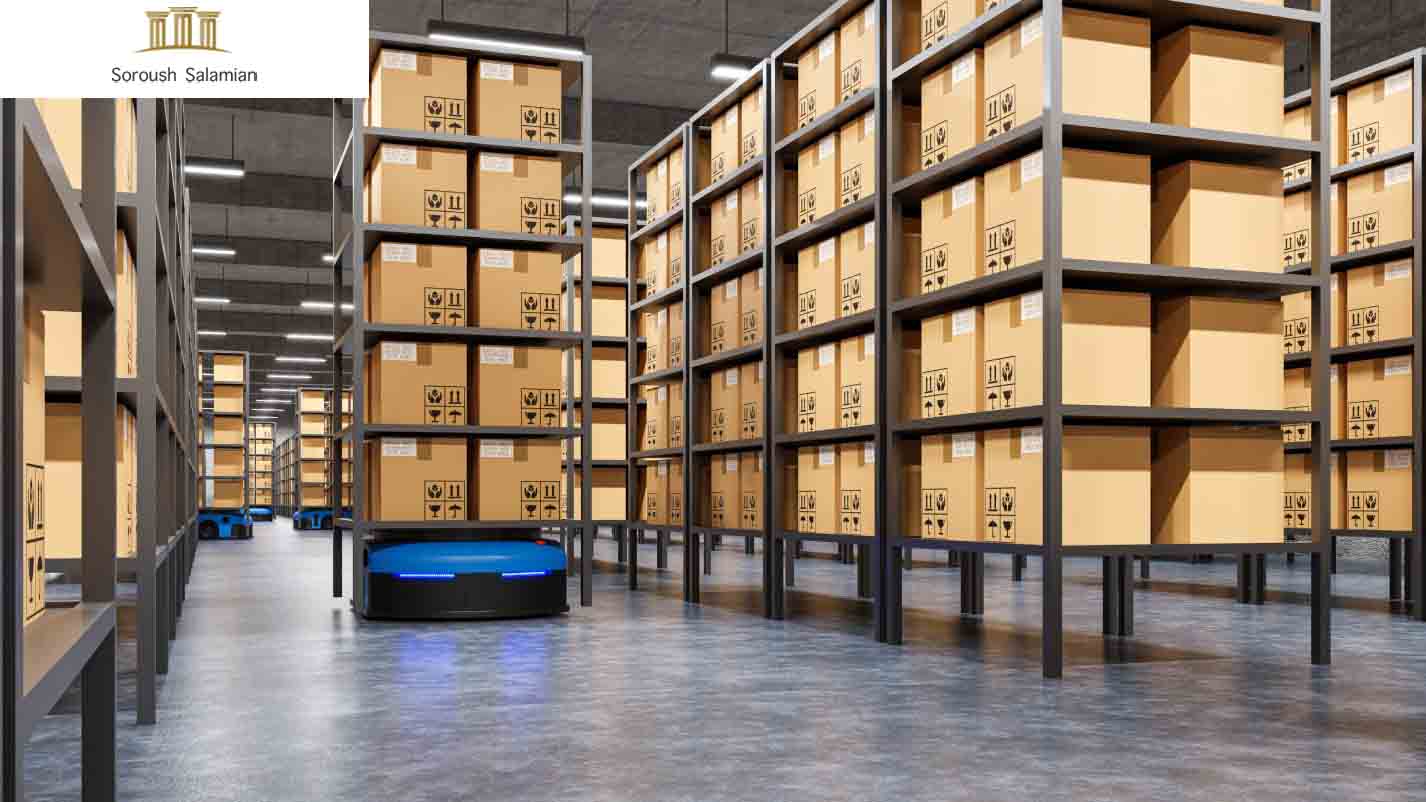
One of the most important provisions of any warehousing contract is the precise definition of the warehouse operator’s obligations. The warehouse operator is generally required to receive the goods under the agreed conditions, store and protect them appropriately, and return the same goods to the owner or an authorized recipient at the end of the agreement or at the agreed time.
Proper care of the goods is one of the warehouse operator’s primary responsibilities. This obligation may include maintaining appropriate environmental conditions, complying with applicable safety standards, preventing avoidable damage, and protecting the goods against theft, fire, and other reasonably foreseeable risks.
In many agreements, the warehouse operator must also maintain records of incoming and outgoing goods and provide inventory information to the owner. If an incident affecting the goods occurs, the warehouse operator should notify the owner as promptly as possible and take reasonable measures to mitigate the resulting loss.
The extent of the warehouse operator’s liability, however, depends on the contract terms, applicable law, and the circumstances surrounding the incident. If the loss results from circumstances beyond the warehouse operator’s control or from a force majeure event, liability may be treated differently.
Legal Responsibilities of the Goods Owner in a Warehousing Contract
In addition to the warehouse operator’s responsibilities, the goods owner also has specific obligations essential to proper contract performance. One of the owner’s most important duties is to provide accurate information regarding the nature of the goods, their approximate value, storage requirements, and any special characteristics.
If the goods require special conditions, such as controlled temperature, specific humidity levels, or particular safety measures, the owner must disclose those requirements to the warehouse operator before delivery. Failure to disclose material information may cause damage and create legal liability for the owner.

Timely payment of warehousing fees is another principal obligation of the goods owner. The owner must also collect or receive the goods at the end of the agreed storage period or in accordance with the contractual terms. Failure to do so may result in additional charges or, depending on the agreement, an automatic extension of the storage period.
Proper cooperation between the goods owner and the warehouse operator, accurate information exchange, and compliance with the contractual provisions help ensure the warehousing process runs efficiently and reduce the risk of disputes.
Legal and Civil Liability of the Warehouse Operator
One of the most significant legal issues in warehousing contracts is the warehouse operator’s civil liability for damage to stored goods. As a general principle, the warehouse operator is expected to exercise reasonable care and comply with applicable professional standards when safeguarding the goods.
If goods are damaged due to negligence, lack of due care, or failure to comply with contractual obligations, the warehouse operator may be required to compensate the owner for the resulting loss.
However, the warehouse operator’s liability is not necessarily absolute. If the damage results from unforeseeable events such as natural disasters, war, an uncontrollable fire, or other force majeure circumstances, the warehouse operator may not be held liable, depending on the contractual provisions and applicable law.
In many disputes, identifying the actual cause of the damage is critical. Expert reports, records of goods received and released, surveillance footage, storage conditions, and the agreement’s terms may all be relevant in determining liability.
For this reason, accurate documentation of warehousing operations is particularly important. Clearly defining the parties’ responsibilities, maintaining appropriate insurance coverage, and complying with proper storage standards are among the most effective ways to reduce disputes over damage to stored goods.
Compensation for Damage Under a Warehousing Contract
One of the most important aspects of legal liability in a warehousing contract is determining how compensation will be calculated and paid if goods are damaged, lost, or reduced in value.
If loss or damage occurs during storage, the first issue is determining its cause and whether it resulted from the warehouse operator’s negligence, circumstances beyond the operator’s control, or the goods owner’s conduct. This determination is fundamental to allocating liability between the parties.

Many warehousing contracts specify how to calculate damages. For example, the value of the goods may be determined based on the purchase invoice, the current market value, or a declared value specified in the agreement before the goods were delivered.
The contract may also limit the warehouse operator’s liability or provide that compensation is available only under certain circumstances.
If the goods are insured, the contract should also specify the procedure for making an insurance claim and identify the party responsible for pursuing the claim. A clear mechanism for damage assessment, expert appointment, and payment deadlines can help prevent disputes.
The more precisely these matters are addressed in the agreement, the more efficiently and transparently compensation claims can be resolved.
Legal Role of Insurance in Warehousing Contracts
Insurance is one of the most important risk management tools in warehousing arrangements. Even when a warehouse operator complies with applicable storage standards, events such as fire, theft, flooding, or other unforeseen losses may still occur. Appropriate insurance coverage can therefore help protect against substantial financial losses.
Many warehousing contracts identify the party responsible for obtaining insurance. In some cases, the owner insures the goods directly. In other cases, the warehouse operator agrees to maintain insurance covering the warehouse premises or the goods stored within it.
The scope of insurance coverage is also important because certain risks or events may be excluded from the policy.
Insurance does not eliminate contractual liability. If damage results from the warehouse operator’s negligence, legal liability may still arise in addition to any insurance recovery. Insurance should therefore be seen as a supplement to the contract, not a substitute for compliance with legal and contractual obligations.
Carefully reviewing insurance terms before entering into a warehousing agreement is an important step in reducing potential risks.
Common Disputes Concerning Legal Liability in Warehousing Contracts
Warehousing contracts may give rise to disputes for many reasons. One of the most common disputes involves allegations that goods were damaged while in storage. In such circumstances, the goods owner may argue that the damage resulted from the warehouse operator’s negligence, while the warehouse operator may attribute the loss to other causes.
Disputes over lost goods, inventory shortages, delayed delivery, warehousing charges, and damage calculations are also common. Disagreements may additionally arise regarding storage conditions or whether agreed standards were properly observed.
Many of these disputes stem from ambiguous contractual provisions or inadequate documentation. Accurately recording information at the time goods are delivered, preparing written delivery records, using inventory management systems, and documenting warehouse conditions can significantly reduce the likelihood of disputes.
The more complete the records are, the easier it will generally be for either party to establish relevant facts during legal proceedings.
Important Legal Considerations in Warehousing Contracts
Drafting a warehousing contract without sufficient attention to legal details may create significant grounds for future disputes. One of the most important considerations is accurately describing the goods.
The agreement should fully document the type, quantity, weight, approximate value, packaging condition, and any special characteristics of the goods.
The contract duration, delivery and collection timing, warehousing fees, renewal provisions, and termination procedures should also be clearly defined. In addition, the respective responsibilities of the parties concerning damage, insurance, delay, and unforeseen events should be addressed in detail.
Any subsequent changes should preferably be made only through written agreement to avoid later disputes over alleged oral arrangements.
Using appropriately drafted contracts, obtaining legal advice before execution, and carefully reviewing contractual provisions can substantially reduce legal risks and provide greater certainty for the commercial relationship.
Dispute Resolution Methods in Warehousing Contracts
Even when a warehousing contract is carefully drafted, disputes may still arise. For this reason, the agreement should specify the applicable dispute resolution procedure from the outset.
In many commercial contracts, direct negotiation is designated as the first stage of dispute resolution so that the parties have an opportunity to resolve the matter without initiating formal legal proceedings.
If negotiation is unsuccessful, the agreement may provide for arbitration or litigation. Arbitration is often used in commercial agreements because it may offer a more streamlined process than court proceedings. However, the agreement should clearly define how the arbitrator is selected, the scope of the arbitrator’s authority, and the procedure for enforcing an award.
If the dispute is referred to court, the contractual provisions, delivery records, expert reports, financial documents, and other supporting evidence may play an important role in the court’s determination.
Clearly establishing the dispute resolution mechanism in the contract can help make the process more organized, transparent, and efficient while reducing unnecessary costs for the parties.
Drafting a Warehousing Contract
A warehousing contract can provide meaningful legal protection when it clearly defines the parties’ rights, obligations, and responsibilities. Overly general language or standard-form agreements, if not adapted to the commercial relationship, may create legal problems later.
Tailor each agreement to the type of goods, storage period, inventory value, and specific circumstances of the business relationship.
Before signing the contract, carefully review all provisions and correct any ambiguities. A properly structured agreement must clearly address liability for damage, insurance requirements, procedures for delivery and release of goods, fees, dispute resolution methods, and termination conditions.
The parties should also retain signed copies of the contract, preserve all relevant correspondence, prepare written records when goods are delivered or released, and maintain appropriate documentation of warehousing operations.
A carefully drafted, professionally structured agreement not only reduces the likelihood of disputes but also builds confidence between the parties and provides a stronger foundation for a stable, reliable commercial relationship.
Continue reading: Legal Review of Warehouse Receipts in Transportation
Frequently Asked Questions About Legal Liability in Warehousing Contracts
A warehousing contract is a legal agreement between the owner of goods and a warehouse operator under which the storage and safekeeping of goods are entrusted to the warehouse operator for a specified period and subject to agreed conditions. The contract clearly defines the rights, obligations, and responsibilities of each party.
Careful drafting ensures that responsibilities, fees, storage conditions, compensation for losses, and dispute resolution procedures are clearly defined. This helps prevent legal disputes and provides greater certainty and protection for both parties.
The warehouse operator must receive the goods in accordance with the contractual terms, store them appropriately, comply with applicable safety standards, maintain records of incoming and outgoing goods, and return the goods to the owner or the owner's authorized representative in the agreed condition at the end of the contract.
The owner must provide accurate information regarding the type, value, and storage requirements of the goods, pay warehousing fees in accordance with the contract, and collect the goods at the agreed time. The owner must also disclose any special characteristics of the goods before delivering them to the warehouse operator.
If the damage results from the warehouse operator's negligence, lack of due care, or failure to comply with contractual obligations, the warehouse operator may be liable for compensation. However, in cases involving unforeseeable events or force majeure, liability will depend on the terms of the contract and the applicable law.
Insurance is an important risk management tool and may provide compensation for losses resulting from events such as fire, theft, or natural disasters. However, insurance does not replace the parties' contractual obligations, and the applicable insurance requirements and coverage should be clearly specified in the contract.
Common disputes include claims concerning damage to or loss of goods, warehousing charges, delays in delivery or collection, storage conditions, and the calculation of compensation for losses.
The contract should clearly specify the complete description of the goods, the storage period, fees, insurance requirements, liability for damage, procedures for delivery and collection, termination conditions, and the applicable dispute resolution method in order to reduce the risk of future disputes.
Depending on the terms of the contract, disputes may be resolved through negotiation, arbitration, or court proceedings. Specifying the dispute resolution method in the agreement can help make the process more efficient, transparent, and cost-effective.
A reliable warehousing contract should clearly address all obligations and responsibilities, storage conditions, compensation for losses, insurance requirements, dispute resolution procedures, and the conditions governing termination of the commercial relationship. Tailor these provisions to the type of goods and the circumstances of the arrangement. Obtaining legal advice and maintaining complete documentation can also provide greater legal protection for both parties. What is a warehousing contract?
Why is careful drafting of a warehousing contract important?
What are the principal obligations of a warehouse operator under a warehousing contract?
What responsibilities does the owner of goods have under a warehousing contract?
Under what circumstances may a warehouse operator be liable for damage to goods?
What role does insurance play in warehousing contracts?
What are the most common disputes arising from warehousing contracts?
What issues should be considered when drafting a warehousing contract?
How are disputes arising from warehousing contracts resolved?
How can a reliable warehousing contract be drafted?




If the warehouse moves my goods to another location without telling me, who is responsible if they get damaged there?
That can depend on whether the contract allowed the warehouse operator to relocate or subcontract storage. If the move was unauthorized and contributed to the damage, it could be important when determining liability. The contract terms and the circumstances of the relocation would need to be reviewed.
Can a warehouse refuse to give my goods back just because we disagree about some unpaid storage fees?
In some jurisdictions, a warehouse operator may have a right to retain goods for unpaid charges, but the scope of that right depends on the applicable law and the contract. The operator should not assume that every payment dispute automatically gives them the right to withhold the goods.
What happens if the warehouse gave part of my inventory to another storage company and I never agreed to that?
Subcontracting can create additional liability issues, particularly if the original agreement did not authorize it. It would be necessary to examine whether the first warehouse remained responsible for the goods and what contractual relationship existed with the second facility.
We found water damage about a week after collecting the goods. Is it too late to claim anything once we signed the pickup papers?
Not necessarily. A signed delivery document can be important evidence, but hidden damage may not always be discoverable at the time of collection. The wording of the receipt, any claim notification deadline, and evidence showing when the damage likely occurred would all be relevant.
If my goods are mixed together with identical products belonging to other companies, how do you prove which ones are actually mine?
That can become a significant issue with fungible or commingled goods. Inventory records, batch numbers, warehouse receipts, ownership documents, and the terms permitting or restricting commingling may all become important. The legal position will depend heavily on the documentation and governing law.
Our contract has a very low liability cap. Can the warehouse still rely on that if the damage was caused by serious negligence?
Liability limitation clauses are not treated the same way in every jurisdiction. Their enforceability can depend on the wording of the clause, the type of misconduct involved, and any mandatory legal rules that apply. The particular clause should be reviewed before assuming the cap is enforceable.
Can I ask the warehouse for temperature logs if they say my products were stored correctly?
If temperature was a required storage condition, monitoring records can be very relevant to determining what happened. Whether the owner has a contractual or legal right to obtain those records depends on the agreement and applicable rules, but preserving such data early can be important if a dispute is developing.
What if the goods were already damaged by the trucking company before the warehouse received them, but nobody noticed until later?
That situation can involve more than one potentially responsible party. The condition of the goods at each handover point, photographs, inspection records, delivery notes, and timestamps can help determine whether the damage occurred during transportation or storage. A proper review usually requires looking at both the transport and warehousing documents.
If a customer never collects their stock, can the warehouse eventually sell or dispose of it?
A warehouse should be cautious about doing that without a clear legal basis. The contract may contain provisions dealing with uncollected goods, but notice requirements and statutory procedures may also apply. Selling or disposing of goods without following the correct process could create additional liability.
If customs authorities hold goods inside the warehouse, does the warehouse still have liability for delays or extra costs?
That depends on why the goods were detained and what obligations each party accepted under the contract. A government or customs action may be outside the warehouse operator’s control, but issues such as notification, cooperation, storage charges, and protection of the goods during detention can still remain relevant. Cross-border cases should be reviewed under the applicable contractual and regulatory framework.