
Who Is Liable for Container Damage?
Container damage is a major issue in international transportation. It can lead to disputes among cargo owners, container owners, transportation companies, freight forwarders, and other parties involved in the shipping process. When a container is damaged during transportation, it is first necessary to determine at which stage the damage occurred and which party was responsible for its handling, custody, or transportation at that time.
Legal liability in such circumstances is generally determined by the contract of carriage, the terms governing the container’s use, applicable transportation laws, and relevant shipping documents. For example, if damage results from negligent loading, improper unloading, or inappropriate use of equipment, liability may rest with the party responsible for those operations.
The nature and extent of the damage are also significant. Minor damage, such as scratches or superficial defects, may have different legal and financial consequences from damage involving punctures, substantial structural deformation, or the container becoming unfit for further use. Determining liability requires reviewing delivery records, photographic evidence, transport documents, and contractual provisions.
Legal Liability for Container Damage and the Factors Affecting It
Establishing legal liability for container damage depends on various factors, and the mere existence of damage is not sufficient to hold a particular party responsible. One of the most important considerations is how the container was used and maintained during transportation.
If a container is damaged because of inadequate storage conditions, loading beyond its permitted capacity, or improper handling, liability may fall on the party whose actions caused the damage.
The nature of the contract of carriage also plays an important role in determining the parties’ responsibilities. Certain contracts expressly define obligations concerning the delivery, receipt, custody, and return of containers. The terms contained in transport documents, including bills of lading, may also establish the framework governing the parties’ respective liabilities.
Environmental factors, such as storms, maritime accidents, or unforeseeable circumstances, must also be considered. In such situations, liability may be limited, or compensation may be determined differently under the applicable legal provisions.
To establish liability accurately, it is generally necessary to examine when and where the damage occurred, the relevant inspection reports, and the available supporting documentation.
Liability of Transportation Companies for Container Damage
Transportation companies may face liability claims when a container is damaged. Such liability generally arises where the company was responsible for the custody, handling, or transportation of the container and the damage occurred while the container was under its control.
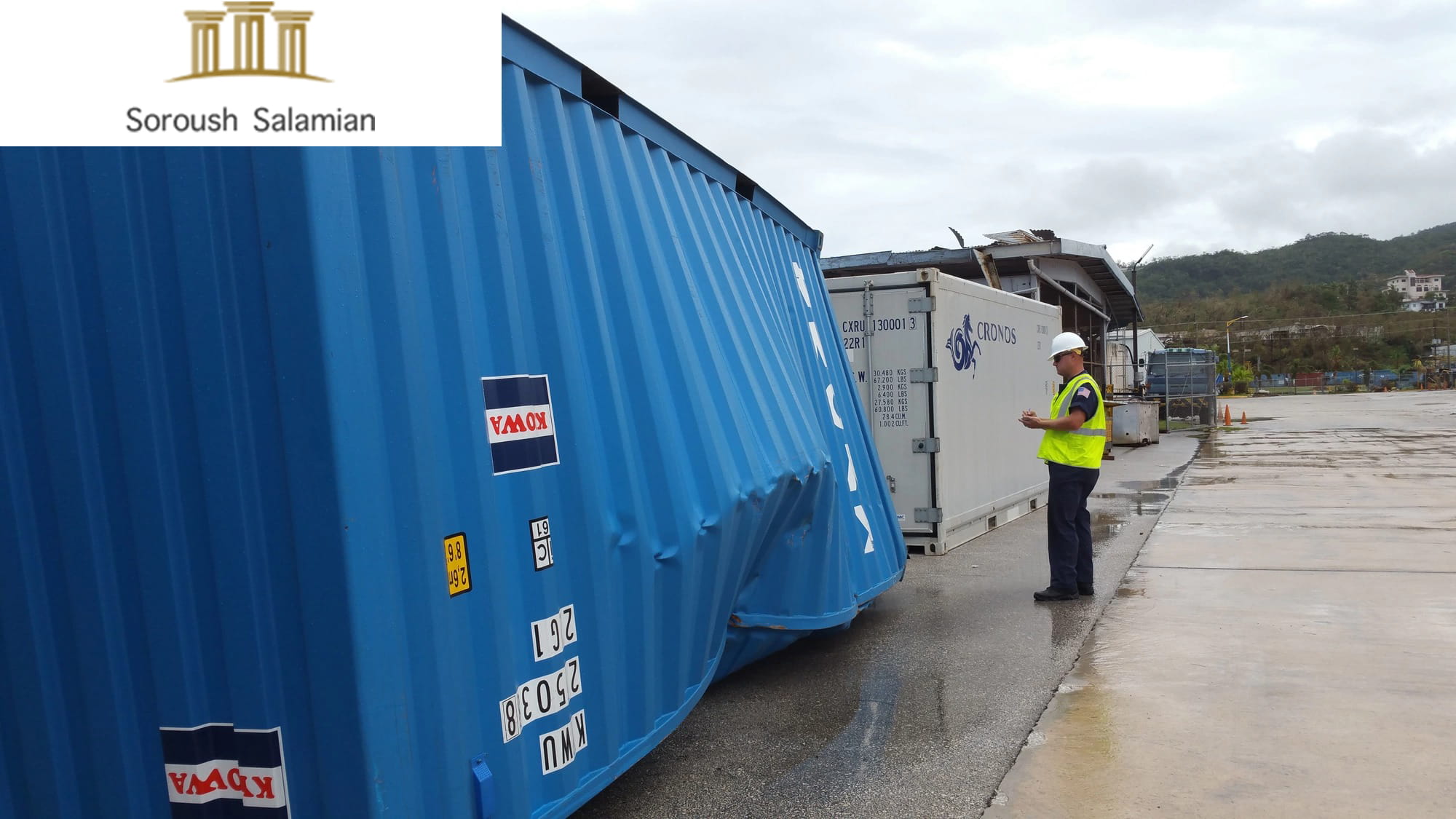
When assessing a transportation company’s liability, consider loading procedures, transportation conditions, compliance with applicable shipping standards, and the measures taken to protect the container.
If the evidence establishes that the damage resulted from negligence or improper conduct by the transportation company, a compensation claim may be pursued.
However, a transportation company is not necessarily responsible for every instance of container damage. In certain circumstances, damage may result from inadequate cargo packaging by the consignor, inherent defects in the goods, or events beyond the carrier’s control. In such cases, determining liability requires a careful examination of the evidence and the particular circumstances.
A container condition report prepared at the time of delivery or receipt is an important document used to establish when the damage occurred. Accordingly, recording the container’s condition at each stage of transportation is particularly important.
Liability of the Cargo Owner for Container Damage
The cargo owner may also be liable for container damage under certain circumstances. This issue most commonly arises when the damage results from loading procedures, the nature of the goods, or failure to comply with the instructions governing the proper use of the container.
For example, if goods are improperly stowed inside a container and exert excessive pressure on its walls or floor, liability for the resulting damage may rest with the consignor or cargo owner.
Similarly, transporting dangerous goods without properly declaring their characteristics may give rise to legal consequences.
Providing accurate information about the cargo’s weight, nature, and required storage conditions is an important responsibility of the cargo owner. Incorrect information may result in damage to the container, other goods, or transportation equipment.
In many disputes involving container damage, examining how the cargo was prepared for transportation is particularly important.
Where the evidence shows that the required packaging or cargo-securing standards were not met, legal liability may be attributed to the cargo owner.
The Role of the Contract of Carriage in Determining Liability for Container Damage
The contract of carriage is one of the most important documents for establishing legal liability in container-damage cases.
Such contracts generally define the respective obligations of the parties concerning the delivery, custody, use, and return of containers.
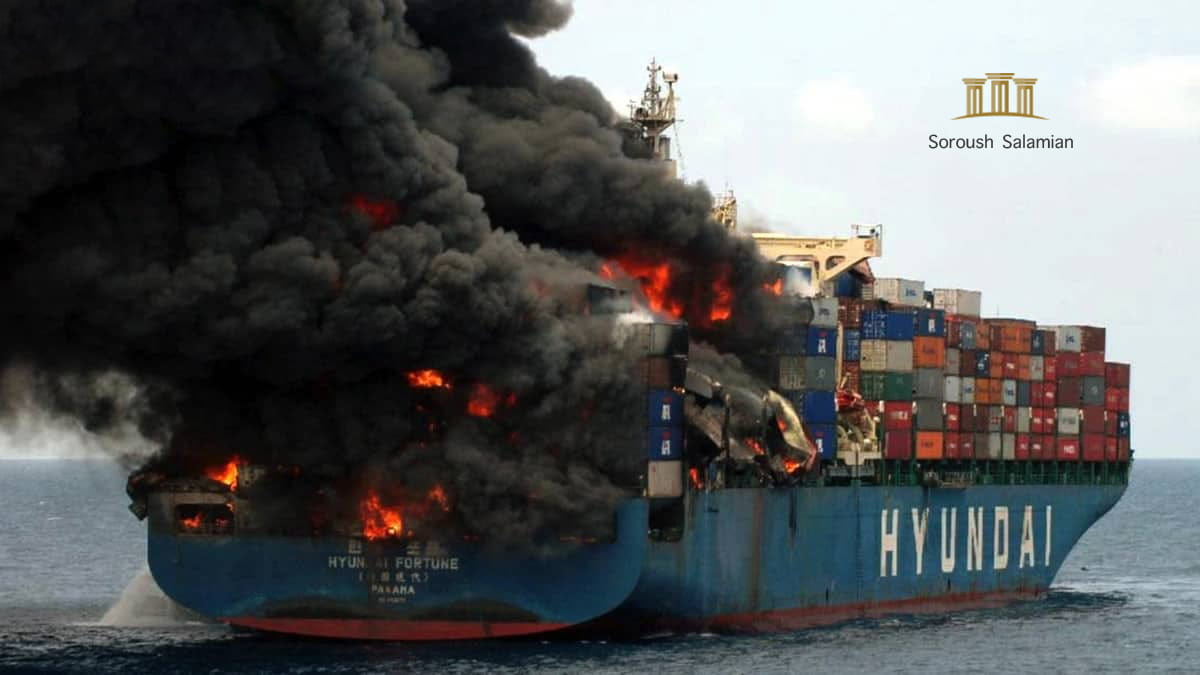
Contractual provisions may determine when responsibility for the container transfers from one party to another.
For example, the consignor may become responsible for the proper care of the container upon taking delivery. At the same time, the transportation company may be responsible for maintaining the container’s condition during a specified stage of the journey.
Certain contracts also contain provisions governing limitations of liability, damage notification procedures, deadlines for submitting objections, and dispute resolution mechanisms.
Carefully examining these provisions is essential when damage occurs.
In international transportation, documents beyond the contract itself, including bills of lading and general conditions of carriage, may also influence liability.
Accordingly, the legal assessment of a container damage dispute should be based on a comprehensive review of the relevant documents and the actual circumstances of transportation.
How to Establish Damage and Legal Liability for Container Damage
Establishing that a container has sustained damage is a key step in pursuing a legal compensation claim.
The party claiming damages must show when the damage occurred, the extent of the loss, and which party bears responsibility.
Container inspection reports, photographs taken before and after transportation, delivery records, port reports, and repair documentation may provide important evidence in support of a claim.
Recording the container’s external condition at delivery and receipt can help prevent disputes.
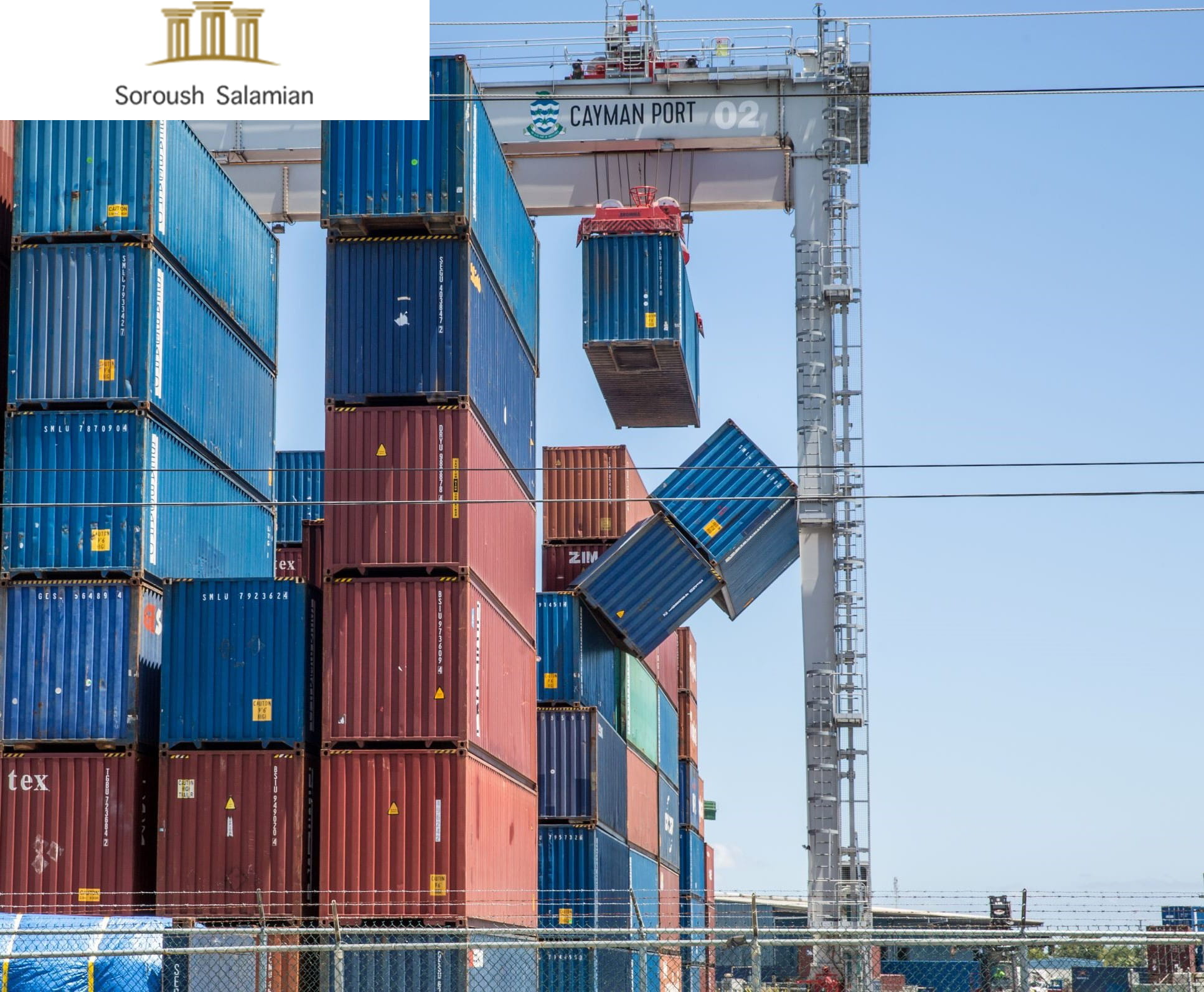
In certain cases, a technical inspection or expert assessment may be necessary to determine the cause of the damage.
An expert may examine whether the damage resulted from an impact, improper loading, environmental conditions, or inappropriate use of the container.
The timing of damage notification is also significant.
Many transportation contracts establish specific deadlines for reporting damage. Delays in providing notification may complicate the process of pursuing compensation.
Freight Forwarder Liability for Container Damage
A freight forwarder, acting as a coordinator of transportation services, may under certain circumstances become involved in legal liability arising from container damage.
The extent of this liability depends on the freight forwarder’s actual role in the transportation process and the contractual obligations it has assumed.
Where the freight forwarder acts solely as an intermediary or coordinator, its liability may differ from that of the actual carrier or the principal contracting carrier.
However, where the freight forwarder has assumed broader contractual responsibilities, such as organizing the entire transportation process, selecting routes, appointing subcontractors, or managing operations, a closer examination of its conduct may be necessary.
In complex transportation arrangements involving multiple companies, clearly identifying each party’s responsibilities is particularly important.
Liability issues in multimodal transportation may arise because damage could have occurred during any one of several transportation stages.
To minimize disputes, the relevant contractual documents should clearly establish the obligations of the freight forwarder, transportation company, and other parties.
Pursuing Claims for Liability Arising from Container Damage
Pursuing compensation for container damage in international transportation generally requires reviewing the relevant documentation, applicable laws, and contractual provisions.
Because the parties involved may operate in different countries and legal jurisdictions, determining liability can be more complex than in domestic transportation.
The first stage generally involves collecting evidence relating to the damage.
Damage reports, photographs, bills of lading, contracts of carriage, repair invoices, and correspondence between the parties may all be relevant to the claims process.
Next, you must identify which country’s law governs the contract or dispute.
The governing law may affect compensation claims procedures, liability limits, and available dispute-resolution mechanisms.
In certain cases, the parties may attempt to resolve the matter through negotiation or contractual dispute resolution procedures.
If the parties cannot reach an agreement, the dispute may be referred to a competent court or arbitral tribunal.
Prompt and appropriate action is particularly important because delays in collecting evidence or notifying the relevant parties of the damage may make it more difficult to substantiate a claim.
Legal Consequences of Container Damage for Contracting Parties
Container damage may give rise to various legal and financial consequences for the parties to a transportation contract.
These consequences may include responsibility for repair expenses, liability to compensate for losses, disputes concerning the allocation of responsibility, or the commencement of legal proceedings.
The extent of the damage may depend on several factors, including its severity, repair costs, the period during which the container remains unavailable for commercial use, and the applicable contractual provisions.
In some cases, the principal dispute concerns not the amount of damage but which party is responsible for paying for it.
In transportation-related cases, matters such as cross-border transportation disputes and the legal consequences of breaches of transportation contracts may be directly connected to liability arising from container damage.
As a result, proper document management, carefully drafted contracts, and compliance with contractual obligations are especially important.
Understanding the relevant legal responsibilities before transportation begins can help prevent disputes and facilitate resolution if damage occurs.
Frequently Asked Questions About Legal Liability for Container Damage
Legal liability for container damage depends on the circumstances of the incident, the contract of carriage, the time at which the damage occurred, and the role of each party involved. The transportation company, cargo owner, freight forwarder, or other relevant parties may be held liable for compensation where negligence or a breach of contractual obligations is established.
Factors such as improper loading, inappropriate use of the container, inadequate storage or handling, inaccurate cargo information, negligent transportation operations, and failure to comply with applicable shipping standards may give rise to legal liability for container damage.
Container damage is generally established through evidence such as inspection reports, photographs taken before and after transportation, delivery records, bills of lading, repair reports, and expert opinions. These documents help determine when the damage occurred and which party is responsible for it.
Yes. Where container damage results from improper loading, inadequate packaging, excessive cargo weight, failure to declare special cargo requirements, or inappropriate use of the container, the cargo owner may be held liable for the resulting damage.
The contract of carriage establishes the respective duties and obligations of the parties concerning the container. Provisions governing delivery, custody, damage notification, and limitations of liability may serve as the legal basis for determining responsibility when a dispute arises. Who is liable for container damage?
What factors may give rise to legal liability for container damage?
How can container damage be proven in legal disputes?
Can the cargo owner be held liable for container damage?
What role does the contract of carriage play in determining liability for container damage?





The container already had dents when we picked it up, but now the shipping line wants us to pay for repairs. How do we challenge that?
The container’s condition at pickup is particularly important. Equipment interchange receipts, photographs, and previous inspection records may help establish whether the damage existed before you received it. The repair claim should be assessed against that evidence.
Our truck returned an empty container after working hours, and nobody inspected it. Two days later, the depot reported damage. Are we still responsible?
Not automatically. The timing of the damage and the point at which responsibility transferred back to the depot would need to be established. The return records, depot procedures, and any available CCTV footage could be important.
Customs officers damaged the container door during an inspection at Bandar Abbas. Can the shipping line still charge us for it?
The shipping line may initially seek payment under the container agreement, but that does not necessarily establish your ultimate responsibility. The inspection report, evidence of how the damage occurred, and applicable liability rules would need to be examined.
The container was hit by another truck on the way to the port. Would our trucking company have to cover the repair costs?
That depends on the circumstances of the accident and the trucking company’s contractual responsibilities. The party responsible for the collision, applicable insurance coverage, and container rental terms would all be relevant.
The shipping company is asking us to pay $4000 for a damaged container floor. Can we request an independent inspection?
You can certainly request one, although the procedure may depend on the agreement. An independent survey could help determine the cause and extent of the damage and whether the proposed repair costs are reasonable.
A crane operator dropped our container while unloading it. The terminal says we should deal with the shipping line instead. Is that right?
The terminal’s involvement could be significant, but the proper claim procedure depends on the contracts and applicable port regulations. The incident report and handling records would help identify which parties may bear responsibility.
Our shipping company deducted money from our container deposit for scratches and rust. Isn’t that just normal wear and tear?
Ordinary wear and tear may be treated differently from actual damage, depending on the container agreement and applicable inspection standards. I would recommend requesting an itemized repair invoice and photographs before accepting the deduction.
We returned a container with a damaged door, but the shipping line wants us to pay for a brand-new container. Is that reasonable?
A demand for full replacement costs should be supported by evidence that replacement is justified under the agreement. The container’s age, condition, repairability, and actual financial loss may all be relevant when assessing the amount claimed.
The container roof was leaking and ruined some of our goods. Now the owner says we damaged the container ourselves. What should we do?
The cargo damage and the alleged container damage should be examined separately. Evidence of the container’s condition before loading, the nature of the leak, and an independent inspection may help establish what happened and which party may be responsible.
The depot refused to accept our empty container because of a small dent, and now we’re getting charged extra days. Can we dispute those charges?
Potentially. Whether the additional charges are justified depends on the container return conditions and whether the depot had reasonable grounds to reject it. The attempted return date, rejection notice, and related correspondence should be preserved.