
What Is Transportation Law for Oil and Gas and Why Is It Important?
Transportation law for oil and gas is a specialized area of energy law that addresses the laws, regulations, contracts, liabilities, and legal requirements governing the transportation of crude oil, natural gas, petroleum products, and petrochemical products. This field plays an important role in reducing legal and commercial risks from the point of extraction of hydrocarbon resources through their delivery to refineries, export terminals, consumers, or international markets.
Because oil and gas cargoes are highly valuable and their transportation involves environmental hazards, significant safety considerations, and complex international relationships, they are subject to specialized legal and regulatory requirements. Even minor disagreements concerning contractual provisions or failures to comply with applicable legal requirements may result in substantial financial losses for the companies involved. For this reason, companies operating in the energy industry generally review the relevant legal aspects before commencing transportation operations.
Transportation law for oil and gas is not limited to the physical movement of cargo. It also encompasses matters such as insurance, liability for loss or damage, delivery terms, ownership of goods, dispute resolution, international law, and the contractual obligations of the parties. Familiarity with these legal requirements enables companies to participate in domestic and international projects with greater legal certainty.
Principal Methods of Transporting Oil and Gas from a Legal Perspective
Oil and gas are transported through several different methods, each of which is subject to its own legal rules and requirements. Selecting an appropriate mode of transportation is important not only from technical and economic perspectives but also in terms of legal liability.
Pipelines are among the most common methods used to transport crude oil and natural gas. In pipeline transportation, operating agreements, rights of way, maintenance responsibilities, and liability for damages are particularly important. In maritime transportation, charterparties, bills of lading, marine insurance, and international regulations play a central role.
Road transportation is more commonly used for petroleum products such as gasoline, diesel fuel, and industrial fuels. In this sector, safety regulations, permits for transporting hazardous materials, and the responsibilities of drivers and transportation companies are particularly significant. Rail transportation is also widely used in certain countries for transporting large volumes of petroleum products and is subject to railway transportation regulations and applicable safety standards.
From a legal perspective, the mode of transportation directly affects contract drafting, the allocation of responsibilities, insurance coverage, and the procedure for resolving disputes. Accordingly, the method of transportation should be selected only after a comprehensive review of the applicable legal requirements.
How Are Transportation Contracts Drafted in the Oil and Gas Industry?
A transportation contract is one of the most important legal documents in oil and gas projects. The contract determines which party is responsible for transporting the goods, when the cargo must be delivered, how transportation costs will be paid, and what liabilities may arise if loss or damage occurs.
When drafting such contracts, the parties should first specify the cargo’s precise characteristics, point of origin, destination, mode of transportation, schedule, and loading and unloading conditions. The agreement should then define each party’s obligations, termination rights, payment arrangements, liability for delay, and force majeure provisions.
One of the most important aspects of the contract is determining when risk transfers. The agreement should clearly establish when responsibility for damage to or loss of the goods transfers from the seller to the buyer or transportation company. The use of Incoterms in international transactions can help clarify this issue.
The agreement should also precisely define the dispute resolution mechanism, the competent court or arbitral tribunal, the governing law, and any confidentiality obligations. Professionally drafted contracts can reduce the likelihood of disputes and increase legal certainty for investments in oil and gas projects.
Legal Liability of Transportation Companies in the Movement of Oil and Gas
Transportation companies operating in the oil and gas industry have extensive responsibilities toward cargo owners, customers, governments, and regulatory authorities. These responsibilities are not limited to the physical movement of the cargo but may extend to loading, custody, transportation, and final delivery.
If cargo is damaged during transportation, leaks, or reaches its destination after an unauthorized delay, the transportation company may be held liable for the resulting losses. The extent of this liability depends on the contractual provisions, the mode of transportation, and the applicable law.
Transportation companies must also comply with applicable safety standards, environmental requirements, and regulations governing the carriage of hazardous materials. Failure to comply with these requirements may result not only in civil liability but also in criminal liability and substantial penalties.
To reduce these risks, many companies obtain professional liability insurance and cargo insurance and implement comprehensive risk management systems. Strict compliance with operational standards and the maintenance of complete records may also play an important role in the company’s legal defense if a dispute arises.
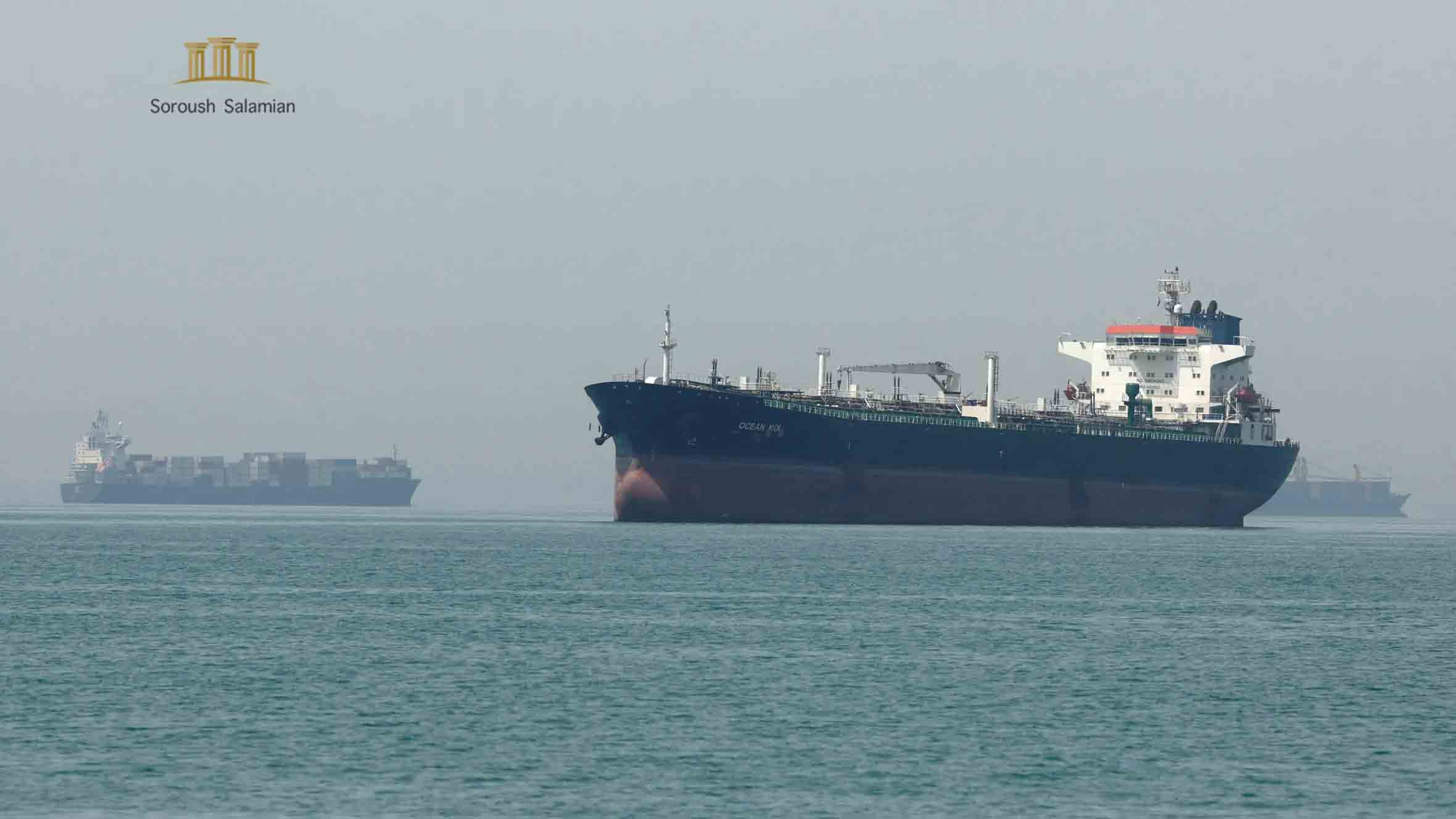
The Role of Insurance in Oil and Gas Transportation and the Coverage of Potential Risks
Insurance is one of the most important risk management mechanisms in oil and gas transportation. The high value of cargoes, the risk of petroleum spills, the possibility of maritime or land transportation accidents, and the potential for environmental damage make appropriate insurance coverage essential. Without insurance, a single incident may result in substantial losses for the cargo owner, transportation company, or other contractual parties.
Several types of insurance are commonly used in this industry. Cargo insurance provides protection against loss of or damage to the cargo. Other important forms of coverage include carrier liability insurance, hull or vehicle insurance, environmental pollution insurance, and third-party liability insurance. Each type of insurance is subject to its own terms, exclusions, and coverage limits and should be selected according to the specific characteristics of the project.
International contracts generally specify which party is responsible for obtaining insurance. This issue is directly connected to the delivery terms, applicable Incoterms, and the point at which risk transfers between the parties. If these matters are not clearly addressed in the contract, serious legal disputes may arise following an accident.
Insurers may also assess safety conditions, transportation standards, the type of vessel or vehicle, the transportation route, and the carrier’s operational history before issuing coverage. Stronger risk management practices may therefore result in more favorable insurance terms. Compliance with technical and legal requirements can consequently reduce both potential losses and insurance costs.
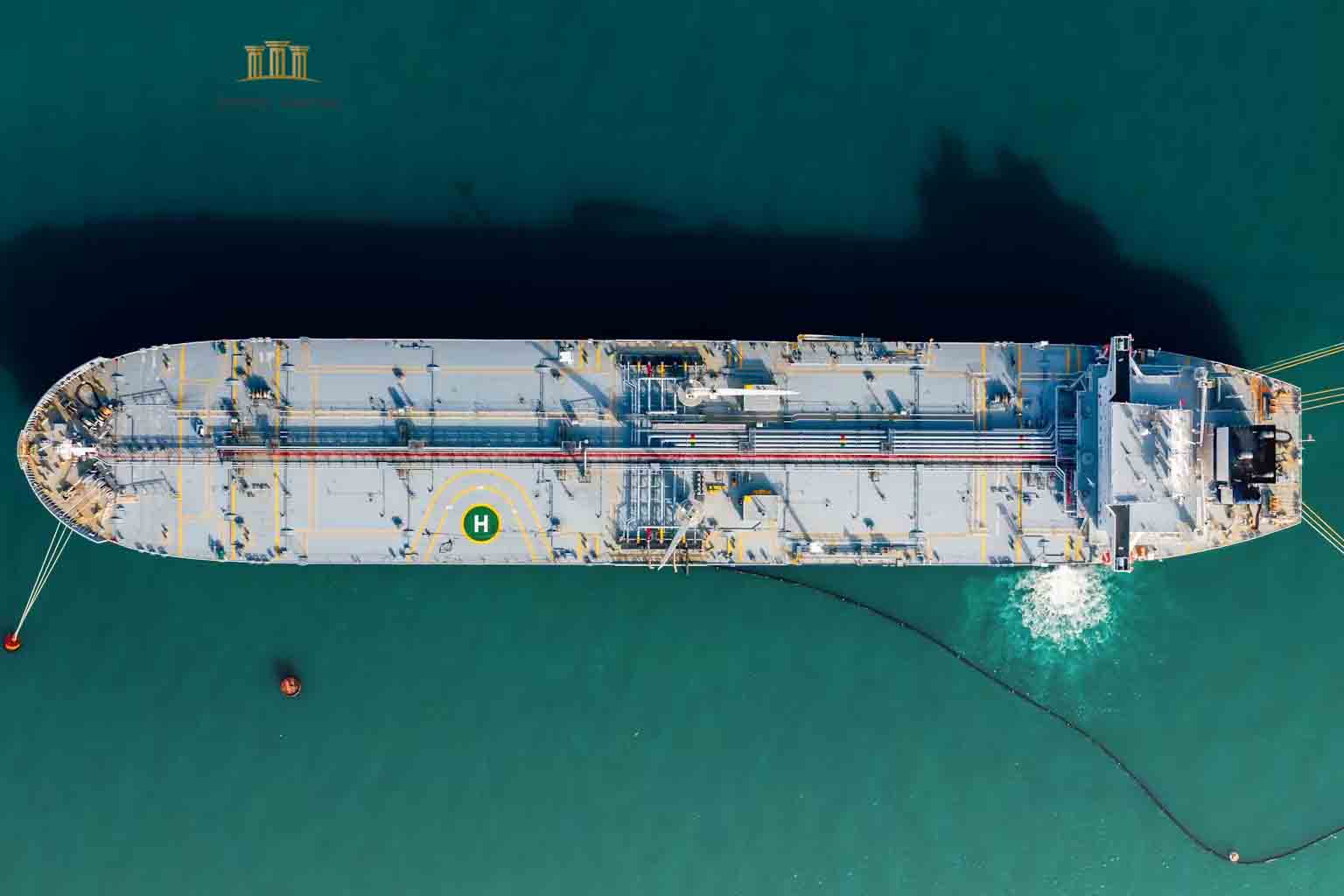
Environmental Liability in Oil and Gas Transportation
Environmental protection is one of the most important aspects of transportation law for oil and gas. Oil spills, pipeline explosions, contamination of marine waters, or the release of hazardous substances may cause severe and potentially irreversible harm to the environment and human health. For this reason, domestic and international legal frameworks may impose substantial responsibilities on participants in this industry.
Transportation companies are required to comply with applicable safety and environmental standards. These requirements may include proper equipment maintenance, employee training, continuous monitoring of transportation systems, emergency response management, and the use of appropriate technologies to prevent petroleum leaks and spills.
If an incident occurs, the responsible company may be required not only to compensate for financial losses but also to conduct environmental cleanup, pay restoration costs, compensate affected persons, and satisfy regulatory penalties. In certain jurisdictions, company directors and officers may also face criminal liability.
Many large oil and gas projects now conduct environmental impact assessments before operations commence and develop crisis and emergency management plans. In addition to supporting regulatory compliance, these measures can strengthen the confidence of investors and commercial partners and reduce the likelihood of future legal disputes.
How Do Incoterms Affect International Oil and Gas Transportation?
In international oil and gas transactions, Incoterms are among the most important mechanisms for defining the responsibilities of the contracting parties. These rules, developed by the International Chamber of Commerce, determine which party is responsible for transportation costs, insurance, customs formalities, and the allocation of risk at different stages of the transaction.
Under certain sale terms, the seller may be responsible for transporting the goods to the destination port. Under other terms, the seller’s responsibility may end once the cargo has been loaded onto the vessel. These distinctions directly affect legal liability, project costs, and the manner in which losses may be recovered.
Selecting an inappropriate Incoterm may create significant disputes among the seller, buyer, and transportation company. For this reason, the type of cargo, transportation route, applicable laws, insurance arrangements, and the operational capabilities of the parties should be carefully evaluated before the contract is concluded.
In the oil and gas industry, where transactions frequently involve substantial financial values, the correct use of Incoterms is particularly important. Clearly identifying the point at which risk transfers, the party responsible for transportation and insurance costs, and responsibility for export and import formalities can eliminate many potential disputes at an early stage and increase the legal certainty of the transaction.
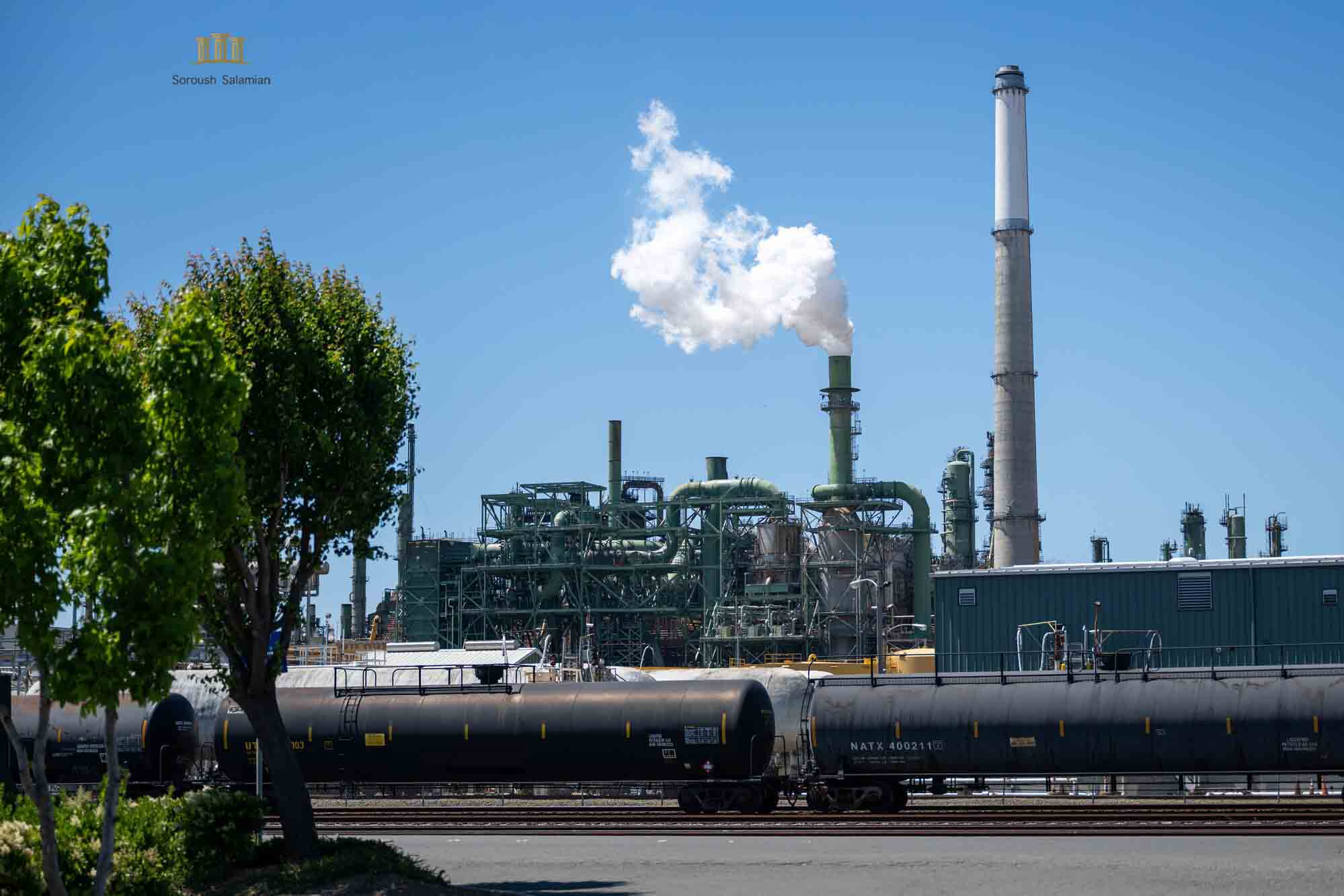
What Legal Challenges Affect Cross-Border Oil and Gas Transportation?
The transportation of oil and gas between different countries involves numerous legal challenges in addition to technical considerations. Each country may have its own customs, tax, environmental, security, and transportation laws, and companies must comply with all applicable requirements.
Economic sanctions, export restrictions, transit permits, customs tariffs, regulations governing international pipelines, and conflicts between national legal systems are among the most significant legal challenges in this field. In many projects, international treaties and intergovernmental agreements may also affect transportation arrangements in addition to domestic legislation.
Another important issue is determining the governing law and the forum for resolving disputes. In international transactions, the contracting parties may be located in different countries and may be subject to different legal systems. Clearly addressing governing law and dispute resolution in the contract can help prevent complex future disputes.
Working with legal counsel experienced in energy law and international trade, reviewing the regulations of destination and transit countries, and using carefully drafted contracts are among the principal measures for reducing the legal risks associated with cross-border oil and gas transportation.
Dispute Resolution in Oil and Gas Transportation Contracts
Given the significant value of contracts in the oil and gas industry, legal disputes are not uncommon. Delays in cargo delivery, damage to goods, disagreements concerning the quality of transportation services, conflicting interpretations of contractual provisions, and disputes regarding liability for damages are among the most common issues between contracting parties.
Many international agreements specify the dispute resolution mechanism from the outset. Some parties select national courts, while others prefer international arbitration. Arbitration may offer advantages such as greater confidentiality, specialized decision-makers, and, depending on the circumstances, a more efficient procedure.
Accurate documentation is particularly important when a dispute arises. Transportation records, bills of lading, inspection reports, insurance documents, formal correspondence, and technical documentation may all play a significant evidentiary role. The more comprehensive the documentation, the easier it may be for the parties to establish their respective claims.
Clear contractual provisions, precise allocation of responsibilities, appropriate emergency clauses, and predetermined compensation mechanisms can significantly reduce the likelihood of disputes. Many major disputes arise from ambiguity in contractual language and can be prevented through professional contract drafting.
The Future of Oil and Gas Transportation Law in the Digital Era
Digital transformation is changing many aspects of the oil and gas industry, and transportation law is also being affected by these developments. The use of smart contracts, blockchain technology, the Internet of Things, artificial intelligence, and real-time monitoring systems is changing how transportation activities are managed and how contractual performance is supervised.
Many companies now record and manage information relating to cargo location, equipment condition, storage conditions, and transportation documentation in real time. In addition to increasing transparency, these technologies can provide more detailed evidence if a dispute arises.
In the future, additional laws and regulations are likely to address digital data, electronic transportation documents, digital signatures, cybersecurity, and the use of artificial intelligence in oil and gas transportation. Companies that adapt to these developments early are likely to be better positioned to participate in international markets.
Alongside technological developments, issues such as sustainable development, emissions reduction, intelligent transportation systems, and new environmental standards are also likely to influence the legal framework governing this sector. The future of oil and gas transportation law will therefore increasingly depend on technology, international cooperation, and sophisticated risk management.
Principal International Laws and Conventions Relevant to Oil and Gas Transportation Law
International oil and gas transportation is not governed exclusively by national laws. A substantial part of the industry operates within international conventions, treaties, and standards intended to establish common frameworks for improving safety, reducing disputes, and facilitating international trade. Understanding these rules is particularly important for companies operating in the energy sector because many international agreements are structured with reference to international legal and regulatory frameworks.
In maritime transportation, regulations and standards developed through the International Maritime Organization, or IMO, play an important role in establishing safety requirements, preventing marine pollution, and regulating aspects of shipping operations. Rules governing the carriage of goods by sea, carrier liability, and vessel-related requirements also form part of the legal framework applicable to this sector.
For pipeline transportation, bilateral and multilateral agreements between countries may be particularly significant. These agreements may address issues such as rights of transit, transportation tariffs, pipeline maintenance, energy security, and dispute resolution mechanisms. In many international projects, international trade rules, customs regulations, sanctions regimes, and environmental standards may simultaneously affect transportation operations.
Companies involved in the export, import, or transit of oil and gas should therefore understand both their domestic legal requirements and the international rules relevant to their operations. Compliance with these requirements can reduce the likelihood of legal disputes and facilitate the implementation of cross-border projects.
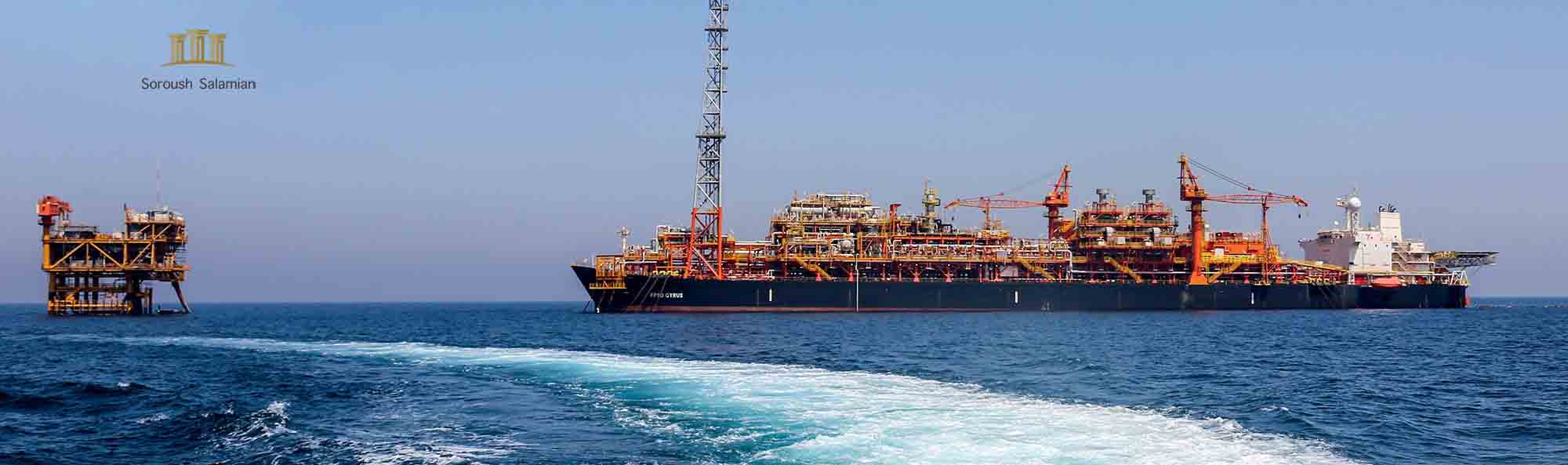
How Can Legal Risks in Oil and Gas Transportation Be Reduced?
Legal risk management is one of the principal factors contributing to the successful implementation of oil and gas transportation projects. As project size and cargo value increase, the importance of preventing disputes and potential losses also increases. Many legal risks can be controlled from the beginning of a project through careful planning and compliance with key legal and operational principles.
The first step is to prepare clear and comprehensive contracts. Responsibilities, obligations, schedules, payment procedures, delivery terms, liability for loss or damage, force majeure provisions, and dispute resolution mechanisms should all be clearly stated. Ambiguity in contractual provisions is one of the principal causes of disputes between parties.
Selecting reputable transportation companies, obtaining appropriate insurance, complying with safety standards, maintaining complete transportation records, and conducting technical inspections also play important roles in reducing risk. Reviewing the laws of destination and transit countries, customs requirements, environmental regulations, and international restrictions before transportation begins can also prevent legal complications later in the project.
Cooperation with legal counsel experienced in energy law and international transportation can help identify potential risks before they develop into major disputes. Ultimately, companies that incorporate legal risk management into their operational processes generally incur lower legal costs, maintain more stable commercial relationships, and operate with greater confidence in domestic and international markets.
Frequently Asked Questions About Transportation Law for Oil and Gas
Transportation law for oil and gas consists of the laws, regulations, and contracts that govern the transportation of oil, gas, and petroleum products, including legal liability, insurance, safety requirements, compensation for loss or damage, and the relationships among the parties involved. It is an important area of energy law and international trade law.
Oil and gas are transported through pipelines, oil tankers, rail transportation, and road transportation. Each method is subject to different regulations, standards, and legal responsibilities, and the appropriate method depends on the type of cargo, destination, and circumstances of the project.
A transportation contract defines the duties and responsibilities of all parties. Matters such as delivery time, transportation conditions, insurance, payment arrangements, liability for loss or damage, force majeure, and dispute resolution procedures are addressed in the contract, which can prevent many legal disputes.
Responsibility for compensating cargo damage depends on the terms of the contract, delivery conditions, mode of transportation, insurance coverage, and the law governing the agreement. For this reason, professionally drafted contracts clearly establish the point at which responsibility and risk transfer between the parties.
Insurance protects companies against losses resulting from accidents, petroleum leaks or spills, cargo damage, legal liabilities, and environmental damage. It is one of the most important risk management mechanisms in oil and gas projects.
Incoterms determine which party is responsible for transportation costs, insurance, customs formalities, and the transfer of risk at each stage of the transaction. Proper use of these rules improves contractual clarity and reduces the likelihood of commercial disputes.
Delays in cargo delivery, damage to goods, disputes concerning the transportation company's liability, insurance issues, breaches of contractual provisions, environmental pollution, and disagreements over the interpretation of contractual terms are among the most common legal challenges in this field.
Yes. Many international projects are governed not only by national laws but also by international conventions, regulations issued by specialized organizations, maritime standards, and agreements between governments.
Preparing precise contracts, obtaining appropriate insurance, complying with safety standards, working with specialized legal counsel, selecting reputable transportation companies, and maintaining complete documentation are among the most important methods of reducing legal risks in this industry.
Oil or gas leaks can cause extensive harm to the environment and human health. Compliance with environmental standards helps prevent such damage and also reduces the risk of legal liability, compensation claims, and substantial regulatory penalties. What is transportation law for oil and gas?
What methods are used to transport oil and gas?
Why is a transportation contract particularly important in the oil and gas industry?
Who is responsible for compensation if the cargo is damaged?
What role does insurance play in oil and gas transportation?
How do Incoterms affect oil and gas transportation contracts?
What are the most common legal disputes in oil and gas transportation?
Is international oil and gas transportation subject to international law?
How can legal risks associated with oil and gas transportation be reduced?
Why is compliance with environmental regulations important in oil and gas transportation?




If a pipeline leak happens because of poor maintenance, can both the operator and transport company be liable?
Potentially, yes. Liability can depend on who was responsible for maintenance, inspection, and operational control under the contract and applicable regulations. In some cases, more than one party may share responsibility. The maintenance records and contractual allocation of duties would be important to review.
Can a carrier refuse to transport petroleum products if the safety documents look incomplete?
In many cases, a carrier should not proceed where mandatory safety or hazardous-material requirements have not been satisfied. Whether it may formally refuse performance depends on the contract and applicable regulations, but proceeding despite known compliance problems can create serious liability exposure.
If oil gets contaminated during transport but the quantity is the same, is that still considered cargo damage?
It can be. Cargo damage is not limited to physical loss or reduced quantity. Contamination or deterioration in quality may also support a claim if it occurred during the responsible party’s period of custody. Inspection reports, sampling records, and contract specifications would be especially relevant.
Who pays for cleanup if a tanker accident causes an oil spill near a port?
Cleanup responsibility can involve the carrier, vessel operator, cargo owner, insurer, or other parties depending on the cause of the incident and the applicable environmental regime. Contract terms may allocate some financial responsibility, but regulatory liability can operate independently from the contract.
Can an insurance company reject a claim if the transporter used a different route without approval?
Possibly. Insurance policies may contain conditions relating to approved routes, risk changes, safety procedures, or notification requirements. Whether a route deviation affects coverage depends on the wording of the policy and the reason for the change, so the policy should be reviewed carefully before assuming coverage is lost.
What if sanctions are imposed after the transportation contract is already signed?
That can create a complex contractual and regulatory issue. The effect may depend on the sanctions involved, the governing law, force majeure provisions, termination rights, and whether performance has become unlawful rather than simply more difficult. A case-specific review would normally be necessary.
Can Incoterms decide who is responsible for an oil spill during international delivery?
Incoterms can help determine when risk transfers and which party bears certain transportation and insurance obligations, but they do not necessarily determine every form of environmental or regulatory liability. Pollution liability may also arise under mandatory laws that apply regardless of the commercial delivery term.
If sensor data shows the cargo temperature changed during transport, can that be used in a dispute?
Yes, digital monitoring records can potentially become useful evidence, especially when cargo condition is disputed. Their evidentiary value may depend on reliability, authenticity, how the data was collected, and whether the records can be linked clearly to the shipment in question.
Can company managers personally face legal problems after a serious environmental accident?
In some jurisdictions, directors, officers, or responsible managers may face personal exposure where serious regulatory violations, negligence, or criminal conduct is involved. This is highly dependent on the applicable law and the individual’s actual role in the incident, so the facts would need careful review.
If the contract says arbitration but government penalties are involved too, does everything still go to arbitration?
Not necessarily. Arbitration generally deals with disputes that fall within the scope of the arbitration agreement between the parties. Regulatory investigations, administrative penalties, or criminal matters may remain within the authority of courts or government agencies. The arbitration clause and the nature of each claim should be considered separately.