
What Are Demurrage Charges and Why Are They Important?
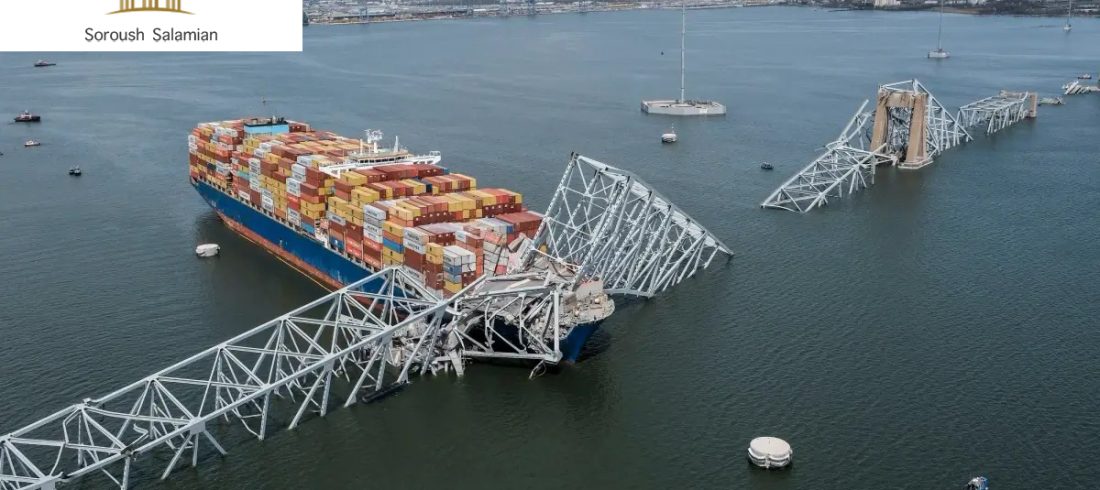
What are demurrage charges, and how do they arise? Demurrage is an important and frequently disputed issue in international transportation, maritime trade, and commercial contracts. In many international transactions, the parties agree that cargo must be loaded or unloaded within a specified period. If these operations exceed the agreed period, additional charges known as demurrage may become payable.
Demurrage generally refers to an agreed contractual amount payable for delays beyond the time allowed for loading or unloading. The concept is particularly significant in the shipping industry because each additional day a vessel is detained may result in substantial costs for shipowners, charterers, cargo interests, and other parties involved in the transaction.
As global trade and maritime transportation have expanded, disputes concerning demurrage have also become increasingly significant. Companies sometimes enter into commercial arrangements without adequately reviewing the relevant contractual provisions and subsequently face substantial financial exposure resulting from delays. Understanding the legal aspects of demurrage is therefore important for importers, exporters, carriers, freight forwarders, cargo owners, and other participants in international trade. Proper legal and contractual planning can help prevent disputes and reduce financial losses.
What Are Demurrage Charges?
Demurrage is an important consideration in international trade and maritime transportation, and failure to address it properly can expose businesses to substantial financial losses. Although demurrage may initially appear to be a simple charge arising from delay, disputes over its calculation and allocation can lead to complex claims, lengthy proceedings, and deteriorating commercial relationships.
A proper understanding of the relevant legal concepts, careful contract drafting, effective management of shipping documentation, and specialized legal advice are among the principal tools for reducing risk in this area. International traders, shipping companies, exporters, importers, and cargo owners should recognize that preventing contractual disputes is generally more efficient and less costly than resolving them after substantial liabilities have arisen.
The more precisely contractual provisions are drafted, shipping documents are managed, and operational processes are planned, the lower the risk of incurring demurrage. Legal awareness and effective risk management can therefore help protect commercial interests, improve transactional certainty, and prevent substantial losses from transportation delays.
Legal Basis of Demurrage in Transportation Contracts
The primary legal basis for demurrage is generally the parties’ agreement. In many maritime transportation agreements, particularly charterparties, the parties allocate a specified period for loading and unloading operations. This period is commonly called laytime.
If loading or unloading exceeds the agreed laytime, demurrage may become payable under the contract. Demurrage is therefore generally contractual in nature and should be distinguished from criminal or regulatory penalties. Professional transportation contracts commonly address matters such as:
- Permitted loading time.
- Permitted unloading time.
- Daily demurrage rate.
- Rules governing the calculation of time.
- Exceptions and exclusions from liability.
- Force majeure provisions.
- Dispute resolution mechanisms.
The clearer these provisions are drafted, the lower the likelihood of disputes. Careful contract drafting is therefore one of the most important risk management measures in international trade.
Calculation of Demurrage in Maritime Transportation
Demurrage is generally calculated according to the duration of the relevant delay and the rate agreed between the parties. Many contracts specify a particular amount payable for each day or hour of delay.
For example, if the permitted unloading period is three days but unloading takes five days, the delay amounts to two days. If the agreed demurrage rate is USD 5,000 per day, the resulting demurrage would be USD 10,000, subject to the contract’s precise terms and any applicable rules governing laytime calculations.
In practice, however, calculating demurrage is not always straightforward. Various circumstances may affect whether particular periods of time are included or excluded from the calculation, including:
- Adverse weather conditions.
- Public holidays.
- Port congestion.
- Labor strikes.
- Equipment failure.
- Unforeseeable events.
- Customs-related delays.
For this reason, many demurrage disputes require a detailed review of the contract, port records, statements of facts, notices, and other shipping documents to determine which periods to count and which party bears responsibility for the delay.
What Are the Main Causes of Demurrage?
Various circumstances may result in demurrage. In many cases, delays arise from inadequate planning or operational difficulties. Common causes include:
- Delays in preparing shipping documents.
- Customs clearance difficulties.
- Port congestion.
- Lack of appropriate unloading equipment.
- Disputes between the buyer and seller.
- Banking and foreign exchange transfer difficulties.
- Adverse weather conditions.
- Port labor strikes.
- Delays involving trucks or inland transportation equipment.
In some cases, several factors contribute simultaneously to a delay. Determining which party bears responsibility in such circumstances can become a complex legal issue requiring careful analysis of the contractual terms, factual circumstances, and relevant documentation.
Who Is Responsible for Paying Demurrage?
Contrary to a common assumption, responsibility for demurrage does not necessarily fall on the same party in every transaction. Depending on the type of contract and the circumstances of the transaction, responsibility may potentially rest with different parties, including:
- The cargo owner.
- The charterer.
- The seller.
- The buyer.
- The carrier.
- The freight forwarder.
- Logistics service providers.
In certain circumstances, more than one party may be involved in the circumstances giving rise to the delay. The contractual allocation of responsibility must therefore be examined carefully. Many disputes arise because the parties interpret their obligations differently and each seeks to attribute responsibility for the delay to another party.
Recommended reading: Legal Responsibilities of Transportation Agents
Shipping Documents in Demurrage Claims
Shipping documents are critical in demurrage disputes, and the outcome of a claim may depend substantially on the available documentary evidence. Important documents may include:
- Bill of lading.
- Charterparty.
- Notice of Readiness.
- Port reports and records.
- Loading and unloading records.
- Customs documents.
- Correspondence between the parties.
- Vessel arrival and departure records.
Any defect, ambiguity, inconsistency, or omission in these documents may create substantial difficulties when determining the relevant timeline or contractual responsibility. Accurate recording of times and events, preservation of documents, and systematic retention of correspondence are therefore important measures for protecting the parties’ legal interests.
Resolution of Disputes Arising from Demurrage
Demurrage disputes are often initially addressed through negotiations between the parties. Where a dispute cannot be resolved commercially, however, it may be necessary to pursue a more formal dispute resolution process.
Common methods of resolving demurrage disputes include:
- Direct negotiation.
- Mediation.
- Commercial arbitration.
- Maritime arbitration.
- Court proceedings.
Maritime arbitration is frequently used in international shipping disputes because it allows disputes to be considered within a specialized commercial and maritime framework. Depending on the chosen forum and procedural rules, arbitration may also offer procedural flexibility and confidentiality.
The contract generally determines the applicable dispute resolution mechanism. Careful selection and drafting of the relevant dispute resolution clause can substantially affect the procedure, costs, duration, and enforceability of the eventual decision or award.
How Can Demurrage Charges Be Prevented?
Preventing demurrage is generally more efficient and less costly than resolving a dispute after substantial charges have accrued. Many delays can be reduced through careful planning and appropriate contractual arrangements. Important preventive measures include:
- Drafting transportation and charterparty agreements carefully.
- Planning for operational contingencies.
- Clearly addressing force majeure circumstances.
- Preparing shipping documents in a timely manner.
- Coordinating in advance with customs authorities and ports.
- Selecting reputable transportation providers.
- Properly managing loading and unloading operations.
- Obtaining legal advice before entering into significant transportation contracts.
These measures can substantially reduce exposure to delay-related losses and provide greater commercial certainty.
Legal Advice Concerning Demurrage
Demurrage cases are not merely operational or logistical matters. They can involve complex questions of contract law, maritime law, shipping practices, and evidentiary requirements. Interpreting contractual provisions, reviewing shipping documents, analyzing force majeure provisions, and determining responsibility allocation may require specialized knowledge of commercial and transportation law.
Obtaining specialized legal advice may assist with:
- Avoiding unnecessary legal proceedings.
- Reducing financial exposure.
- Properly assessing the legal merits of a claim or defense.
- Facilitating negotiations between the parties.
- Reducing the likelihood of similar disputes in future contracts.
In many circumstances, a dispute can be resolved before formal proceedings become necessary through an accurate assessment of the contractual position and the available evidence. Specialized legal advice can therefore form an important part of commercial risk management.
Lawyer for Demurrage Disputes
Demurrage disputes frequently involve international contracts, maritime transportation rules, commercial documentation, and specialized shipping practices. Their resolution may therefore require legal knowledge combined with an understanding of the commercial and operational aspects of maritime transportation.
Soroush Salamian Law Firm provides legal services in commercial disputes, transportation matters, and disputes involving maritime contracts. Specialized legal advice in these matters can help businesses assess and manage their legal exposure more effectively.
Legal representation in demurrage matters may include:
- Detailed review of contracts and shipping documents.
- Identification of the strengths and weaknesses of a claim or defense.
- Negotiations with counterparties concerning liability and claimed amounts.
- Representation or assistance in domestic or international dispute resolution proceedings.
- Use of arbitration where appropriate to the contractual relationship.
- Identifying and preventing unnecessary legal and commercial costs.
Given the potentially substantial amounts involved in maritime transactions, selecting an appropriate legal strategy early can help protect a company’s financial and commercial interests.
Have you entered into a transportation contract? Are you familiar with the Legal Consequences of Breach of a Transportation Contract? Read this article to learn more.
Frequently Asked Questions About Demurrage Charges
Demurrage charges are contractual amounts that may become payable when the loading or unloading of cargo exceeds the agreed period. These charges compensate for additional time during which a vessel or transportation equipment is detained and are particularly significant in international trade.
Demurrage is most commonly associated with maritime transportation and charterparty agreements, although similar delay-related charges may also arise in other transportation methods and logistics operations.
The primary basis for demurrage is the agreement between the parties in the transportation contract. The permitted loading or unloading period, daily demurrage rate, and applicable exceptions are generally specified in the contract, and any claim for demurrage is determined according to those provisions.
Customs clearance delays, port congestion, customs difficulties, incomplete documentation, adverse weather conditions, labor strikes, and insufficient unloading equipment are among the common causes of demurrage.
Depending on the contractual arrangement, responsibility for demurrage may rest with the cargo owner, buyer, seller, charterer, carrier, freight forwarder, or logistics provider. Determining responsibility requires careful review of the relevant contract.
The bill of lading, charterparty, port records, customs documents, loading and unloading records, correspondence between the parties, and Notice of Readiness are among the most important documents used in demurrage disputes.
Demurrage disputes may be resolved through negotiation, mediation, commercial arbitration, maritime arbitration, or court proceedings. In many international contracts, maritime arbitration is designated as the agreed dispute resolution mechanism. What are demurrage charges?
In which type of transportation are demurrage charges most commonly encountered?
What is the legal basis for demurrage charges?
What factors can result in demurrage charges?
Who may be responsible for paying demurrage?
Which documents are important in demurrage disputes?
How are disputes concerning demurrage charges resolved?



What if the shipping line gave us the wrong free-time date and later charged demurrage anyway?
That could be relevant to a dispute, particularly if the incorrect information was provided in writing and you relied on it. The booking confirmation, tariff, emails, invoices, and applicable contractual terms should be reviewed together to determine how the free period was actually calculated.
Can demurrage still run while customs has officially blocked the cargo from being released?
It can, depending on the contract and the applicable tariff or shipping terms. A customs hold does not automatically stop demurrage in every case. It would be important to determine why the cargo was held, who was responsible for the issue, and whether the contract contains an exception for that type of delay.
What if we returned the container on time but the terminal had no available appointment slots?
That can raise an important factual issue. Records showing attempted bookings, terminal availability, correspondence, and the actual return date should be preserved. Whether the charge remains payable would depend on the contractual terms and whether the delay was genuinely outside the customer’s control.
Can a shipping line increase the daily demurrage rate after the container is already stuck at the port?
The answer depends on the applicable tariff and contractual documents. Some arrangements use escalating rates after certain periods, while others specify a fixed rate. Any increase should be checked against the terms that governed the shipment when the transportation arrangement was made.
If only one container out of five is delayed, should demurrage be calculated separately for each one?
Usually the calculation will depend on the terms applicable to each container and its individual timeline, but the contractual structure matters. Arrival, availability, release, and return dates should be checked separately, particularly where the containers were handled at different times.
Can we challenge a demurrage invoice months after we already paid it?
Possibly, but timing can be important. The contract may contain notice requirements or time limits for disputing charges. Payment may also affect the legal position depending on whether it was made under protest or without reservation. The invoice, payment records, and contractual terms should be reviewed before assessing a recovery claim.
What if the original bill of lading arrived late and that was the only reason we couldn’t collect the cargo?
Responsibility may depend on who was required to provide the document and why it arrived late. The sale contract, bill of lading arrangements, banking process, and communications between the parties may all be relevant. In some cases, the party responsible for the documentation delay may face a separate claim for resulting costs.
Is demurrage the same thing as detention or can both be charged on the same container?
They are often treated as separate charges. Demurrage commonly relates to the period a container remains at the terminal beyond the allowed free time, while detention may relate to keeping the container outside the terminal beyond the permitted period. The exact definitions and rates should always be checked in the relevant carrier’s terms.
Can the buyer pass demurrage costs back to the seller if the seller sent the documents late?
Potentially, if the seller’s delay caused the charges and the contract placed the relevant documentation obligation on the seller. However, causation and contractual allocation would need to be established. It would also be necessary to consider whether the buyer took reasonable steps to reduce the accumulating charges.
What if the port closes unexpectedly after free time has already started?
A port closure does not automatically determine who bears the additional cost. The contract, carrier terms, cause and duration of the closure, and any exceptions relating to force majeure or port restrictions would need to be examined. Port notices and operational records can become important evidence in that situation.