
Carrier Liability for Cargo Damage
A carrier is a person or entity that undertakes the transportation of goods from origin to destination and bears legal responsibility for the safekeeping of the cargo. This responsibility begins when the goods are delivered to the carrier’s custody and continues until final delivery to the consignee. Any damage, deterioration, shortage, or loss occurring within this period may give rise to carrier liability unless proven otherwise.
Carrier liability is grounded in the principle of custodial responsibility. The cargo must be delivered in the same condition in which it was received. This principle forms the foundation of numerous cargo damage claims and plays a central role in protecting the rights of cargo owners.
Legal Basis of Carrier Liability
Carrier liability primarily arises from the contract of carriage and is contractual in nature. However, in many jurisdictions, principles of civil liability may also apply. Upon entering into a carriage agreement, the carrier undertakes to transport the goods with due care, safety, and professional competence. Any failure to perform these obligations may result in liability for compensation.
Even in the absence of a written agreement, acceptance of goods for transportation creates binding obligations. The carrier cannot evade responsibility merely by denying the existence of formal documentation.
Scope of Liability from Receipt to Delivery
Carrier liability extends from the moment the goods are physically received until final delivery to the consignee. During this period, the carrier is responsible for damage arising from handling, temporary storage, loading, and discharge operations.
Even where certain operational tasks are performed by third parties, primary liability remains with the carrier. Delegation of performance does not eliminate legal responsibility, highlighting the importance of supervision and control throughout the transportation process.

Types of Cargo Damage Covered by Carrier Liability
Cargo damage may take various forms, including breakage, tearing, water damage, spoilage, weight loss, or complete loss of goods. Liability is not limited to visible physical destruction. Any provable reduction in the commercial value of the goods may also give rise to a claim.
Even where the goods appear intact, diminished functionality or quality may justify compensation. Determining the nature of the damage and its connection to the transportation process is critical in establishing liability.
Presumption of Carrier Fault
In many legal systems, carrier liability operates under a presumption of fault. In the event of cargo damage, the carrier is deemed liable unless it can prove that the loss resulted from causes beyond its control.
This presumption favors the cargo owner by placing the burden of proof on the carrier. To avoid liability, the carrier must demonstrate that all reasonable measures were taken and that the incident was unavoidable.
Grounds for Exemption from Carrier Liability
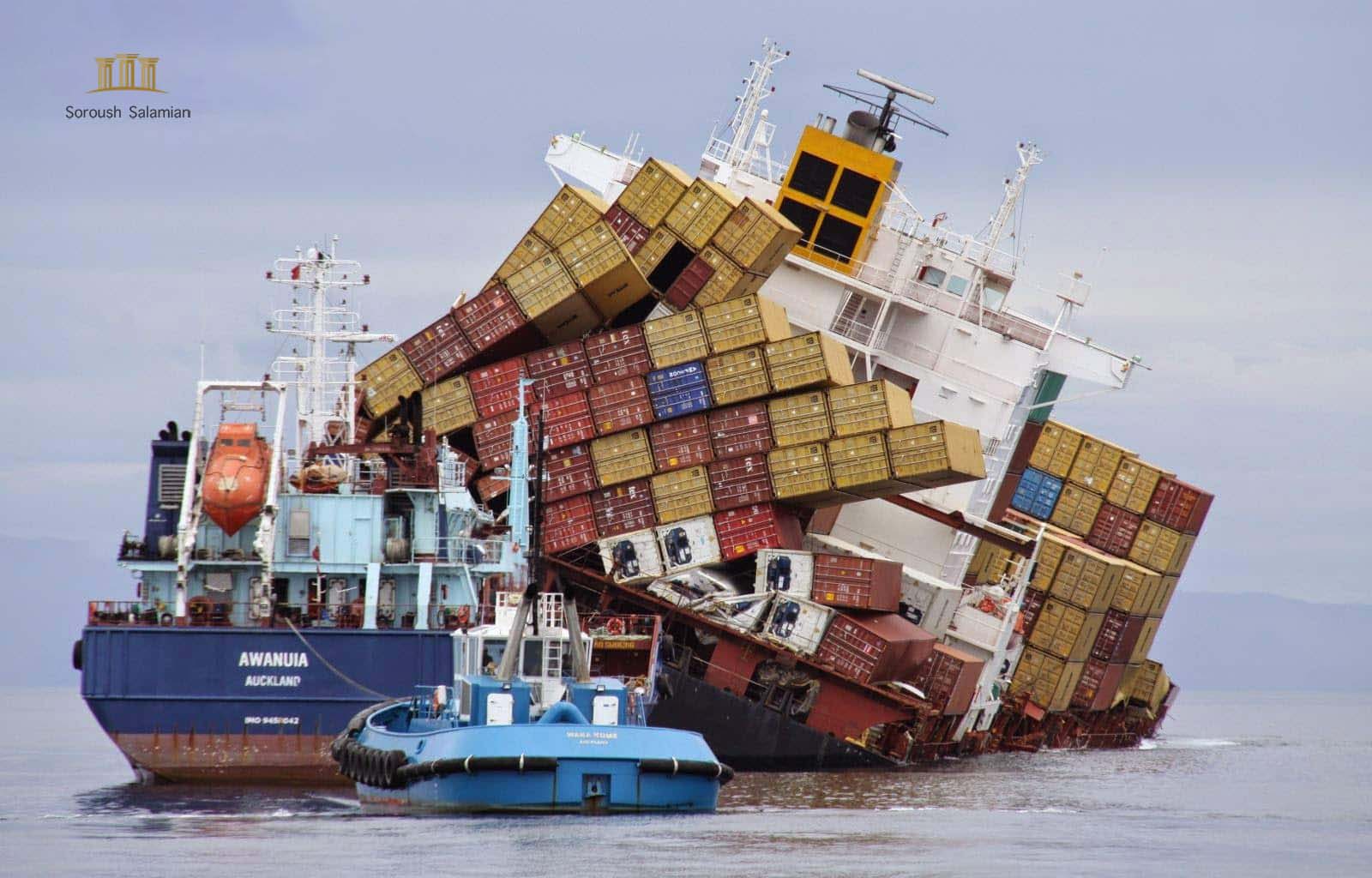
Carrier liability is not absolute. Certain circumstances may relieve the carrier from responsibility, such as force majeure events, inherent defects in the goods, improper packaging by the shipper, or incorrect instructions from the cargo owner.
However, the burden of proving these defenses lies with the carrier. Mere assertion is insufficient. Proper documentation and credible evidence are essential to establish an exemption.
The Role of Packaging in Determining Liability
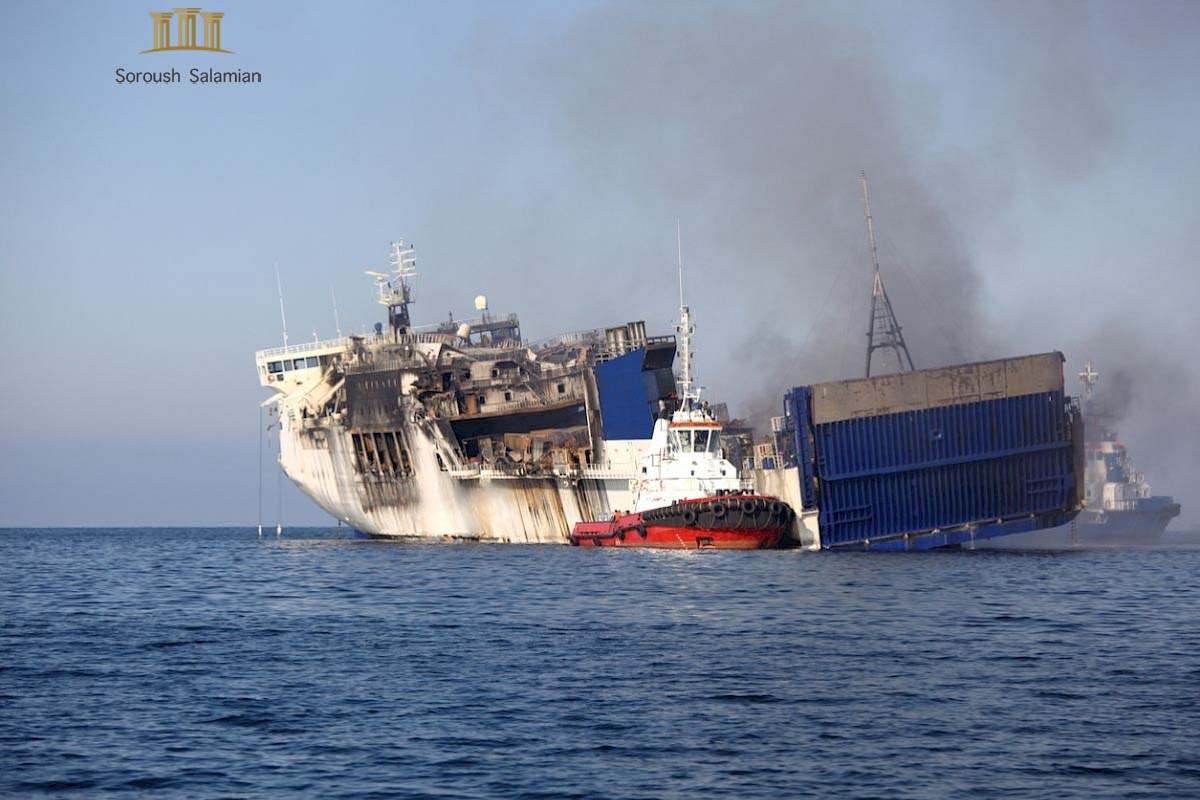
Packaging plays a decisive role in assessing carrier liability. If damage results from inadequate or defective packaging beyond the carrier’s control, liability may be reduced or excluded.
Nevertheless, if the carrier was aware of inadequate packaging and proceeded with transportation without objection or corrective action, liability may still attach. The carrier has a duty to conduct a reasonable preliminary inspection of the cargo condition.
Liability in Multimodal Transportation
In multimodal transportation, where goods are moved by multiple modes, liability determination may be more complex. However, if a principal carrier assumes responsibility for the entire route, liability for cargo damage generally remains with that carrier, even if the damage occurred during a subcontracted segment.
This underscores the importance of clear contractual allocation of responsibilities and effective management of the transportation chain.
Role of Transport Documents in Proving Cargo Damage
Transport documents such as the bill of lading, delivery receipts, and discharge reports are critical in establishing cargo damage. The apparent condition of the goods at the time of receipt and delivery must be accurately recorded.
Discrepancies in these documents often form the basis of legal claims. Carriers cannot disregard the evidentiary significance of such records in litigation.
Calculation of Cargo Damage Compensation
Compensation for cargo damage is generally calculated based on the reduction in the goods’ value. This may include repair costs, depreciation, or the total value of lost goods.
The carrier is typically liable only for direct and proven losses. Indirect or consequential damages may be recoverable only under specific contractual conditions. Accurate damage assessment often requires expert evaluation and supporting documentation.

Relationship Between Carrier Liability and Cargo Insurance
The existence of cargo insurance does not eliminate carrier liability. Insurance provides financial protection but does not replace the carrier’s legal obligations. Where an insurer indemnifies the cargo owner, it may subsequently exercise rights of recourse against the responsible carrier.
This framework ensures that professional standards are maintained and that insurance is not treated as a substitute for contractual responsibility.
Conclusion
Carrier liability for cargo damage constitutes a fundamental pillar of transportation law designed to protect cargo owners. It is based on principles of custodial responsibility, professional diligence, and contractual commitment.
Understanding the scope and limitations of this liability helps reduce disputes and enhance commercial certainty. Proper performance of carrier obligations ultimately sustains trust within the transportation chain.
Frequently Asked Questions Regarding Carrier Liability for Cargo Damage
Not necessarily. Although many legal systems apply a presumption of fault against the carrier, liability is not absolute. The carrier may avoid responsibility by proving that the damage resulted from circumstances beyond its control, such as force majeure events, inherent defects in the goods, or improper packaging by the shipper.
Key evidence typically includes the bill of lading, delivery receipts, inspection reports, photographs of the cargo at delivery, and expert assessments where necessary. Accurate documentation of the condition of the goods at both receipt and delivery is essential to establish the occurrence and extent of the damage.
Yes. In many cases, carriers are permitted by contract or applicable law to limit their liability to a specified amount per package or per unit of weight. The enforceability of such limitations depends on the governing legal framework and the terms of the contract of carriage. Is the carrier always liable for cargo damage?
What evidence is required to prove cargo damage against the carrier?
Can the carrier limit its liability for cargo damage?


My cargo arrived damaged after sea transportation. How can I prove the carrier was responsible?
To evaluate a cargo damage claim, documents such as the bill of lading, inspection reports, delivery records, and evidence showing when the damage occurred can be important. The responsibility of the carrier depends on the facts of the shipment and the applicable transport terms.
If the carrier says the damage happened because of bad weather, can they avoid paying compensation?
Certain events may affect a carrier’s liability depending on the applicable rules and the circumstances. Whether a carrier is responsible requires reviewing the cause of the damage, the transport agreement, and available evidence.
My goods were damaged inside a container but the outside of the container looked fine. Can I still make a claim?
A claim may still be possible depending on the evidence of damage and the circumstances of the shipment. Internal cargo damage, inspection records, and transport documents can be relevant when evaluating responsibility.
The shipping company delivered my cargo late and I lost a customer because of it. Can carriers be responsible for delays too?
Carrier responsibility can include issues beyond physical damage in some situations, but delay claims depend on the contract terms, applicable rules, and the connection between the delay and the claimed loss. A review of the documents would be necessary.
I received my shipment and signed the delivery papers before noticing the damage. Does that mean I cannot complain anymore?
Signing delivery documents may affect how a claim is evaluated, but it does not automatically answer every legal issue. The timing of the inspection, the type of damage, and other evidence should be reviewed.
Can a carrier limit the amount they pay even if they are responsible for damaging valuable cargo?
In some transport arrangements, liability limits may apply depending on the governing rules and the terms of the contract. The effect of those limits depends on the shipment details and the applicable legal framework.
My supplier packed the goods poorly and they were damaged during shipping. Is the carrier still responsible?
Responsibility can depend on the cause of the damage and the obligations of each party. Issues such as packaging, handling, and the carrier’s conduct may all be relevant when assessing a cargo claim.
If the carrier refuses my cargo damage claim, should I go directly to court?
Before starting legal proceedings, it is often useful to review the transport documents, evidence of damage, and the reason for the refusal. The appropriate next step depends on the circumstances of the dispute.
I only have the bill of lading and photos of the damaged goods. Is that enough evidence?
Those documents may be relevant, but whether they are sufficient depends on the details of the claim. Additional evidence such as inspection reports, communications, and delivery records may also be important.
Does the carrier’s responsibility start only when the ship leaves the port?
Carrier responsibility is not always limited to the time when the vessel is at sea. Depending on the applicable rules and agreement, responsibility may cover periods when the goods are under the carrier’s control before, during, and after transportation.