
The Importance of Reviewing Disputes Arising from Container Shortages in International Transportation
Disputes arising from container shortages have become one of the most significant challenges in the transportation industry and international trade in recent years. As the primary tool for moving goods, containers play a crucial role in the supply chain, and any shortage in their availability can disrupt companies’ planning and operations. When sufficient containers are not available at ports or with shipping lines, goods are shipped with delays, creating grounds for disputes between sellers, buyers, transportation companies, and cargo owners.
In many commercial contracts, the delivery time of goods is highly important. If a container shortage prevents goods from being shipped on schedule, one of the parties may claim compensation for damages. In addition, increased transportation costs, changes in production schedules, and lost business opportunities are among the other consequences of this situation. Understanding the causes of these disputes and learning how to manage them helps companies reduce commercial risks and make more accurate decisions when entering into transportation agreements.
How Does a Container Shortage Lead to Commercial Disputes?
Container shortages can also create significant legal and financial consequences. When a transportation company is unable to provide containers, the shipment of goods is delayed, and contractual obligations may not be fulfilled. Under such circumstances, the buyer may hold the seller responsible for the delay, while the seller may shift responsibility to the transportation company or shipping line.
In some cases, container rental costs or cargo transportation expenses increase due to a lack of equipment, leading to disputes over who should pay these additional costs. Changes in transportation routes, loading schedules, or container booking cancellations may also result in conflicts between the parties. If contracts are not drafted clearly, determining each party’s responsibilities can become difficult. Therefore, container shortages not only create operational challenges but also provide grounds for legal claims and contractual disputes.
The Main Causes of Container Shortages in International Transportation
Container shortages usually result from a combination of economic, operational, and international factors. Sudden increases in global trade volume, supply chain disruptions, port closures, political crises, wars, sanctions, and natural disasters are among the main causes of this issue.
In some cases, the improper distribution of containers among different countries causes a large number of containers to remain unused in certain regions, while other ports experience severe shortages. Delays in ship loading and unloading operations also slow the container return cycle and reduce access to equipment. Understanding these factors helps businesses in the trade sector develop more realistic plans and consider the possibility of such situations when entering into contracts.
The Responsibility of Contract Parties in Container Shortage Disputes
In disputes arising from container shortages, the first issue examined is the terms of the parties’ contract. If responsibility for providing containers is clearly defined in the agreement, resolving the dispute will be easier. However, in many contracts, this matter is addressed only generally, leading to disagreements over the interpretation of obligations.
Sometimes the seller is responsible for arranging containers, while in other cases this responsibility belongs to the transportation company or the buyer. Force majeure conditions or events beyond the parties’ control may also affect their responsibilities. A careful review of the contract, transportation terms, Incoterms, and communications between the parties plays an important role in determining liability. Therefore, drafting clear contracts and anticipating possible situations is considered the best way to reduce future disputes.
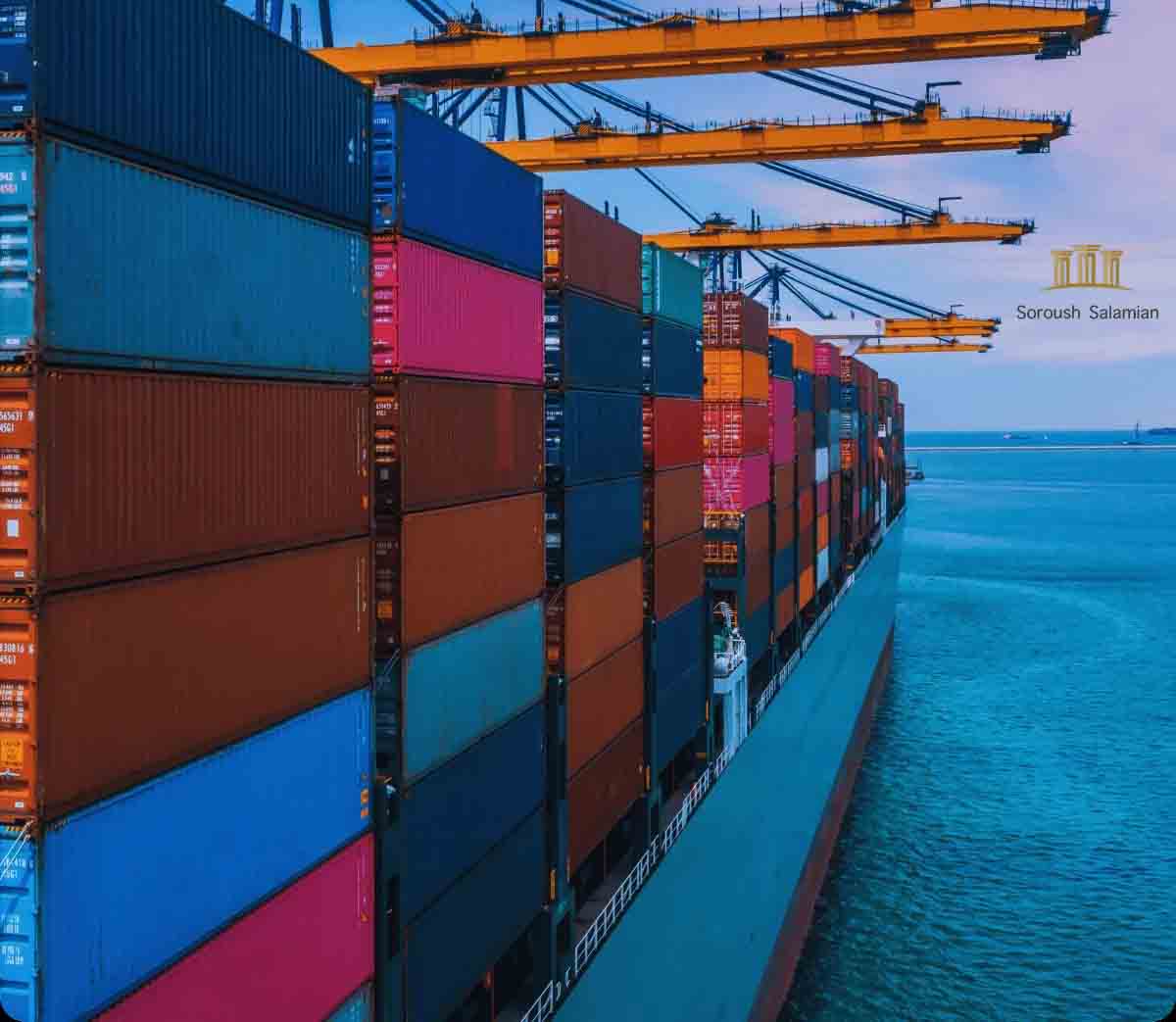
The Impact of Container Shortages on Transportation Costs and Trade
One of the most significant consequences of container shortages is the increase in transportation costs. When demand for containers exceeds supply, equipment rental rates and freight charges also rise. These increased costs can reduce the profitability of many transactions and may even make some contracts economically unfeasible.
In addition to higher transportation costs, storage expenses, cargo delays, and late delivery penalties, the parties may also be subject to contractual fines. Companies whose production processes depend on receiving raw materials may face production line shutdowns. Therefore, disputes arising from container shortages are not limited to equipment availability and can create extensive financial consequences for all members of the supply chain.
The Role of Transportation Contracts in Reducing Container Shortage Disputes
One of the most effective ways to reduce disputes caused by container shortages is to draft accurate and transparent transportation contracts. The contract should clearly define the party responsible for providing containers, delivery schedules, equipment replacement conditions, allocation of additional costs, and the transportation company’s liability for delays.
It is also recommended that contracts include provisions regarding force majeure events, international crises, and transportation restrictions. Clear clauses regarding dispute resolution, arbitration, or court proceedings can also simplify the process of handling conflicts. The more details a contract contains regarding potential situations, the lower the likelihood of disputes between the parties, and the stronger the ability to rely on contractual terms if problems arise.
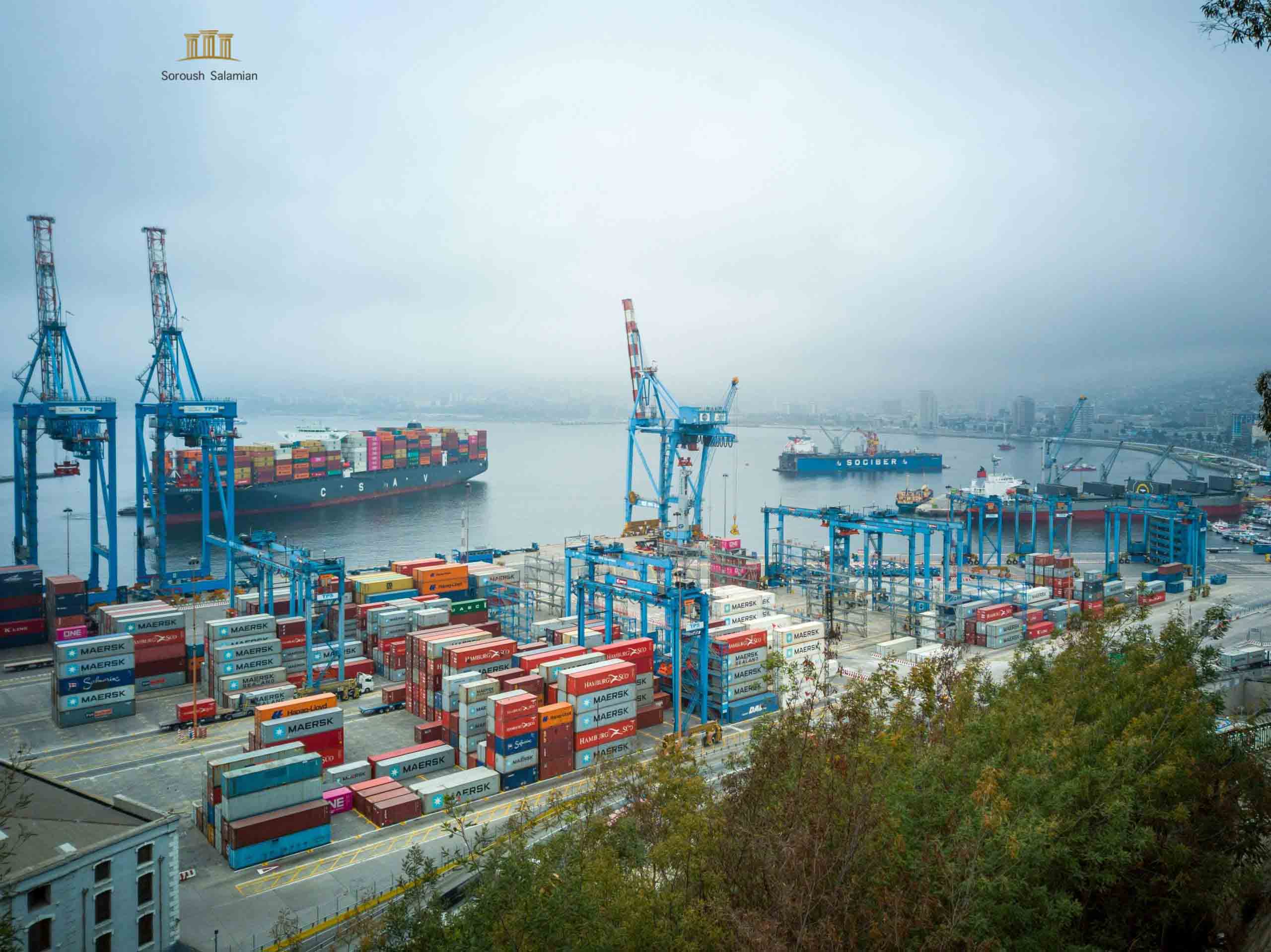
How Are Disputes Caused by Container Shortages Resolved?
Dispute resolution related to container shortages usually begins with negotiations between the parties. Many companies seek a solution through mutual agreement before entering judicial or arbitral proceedings. If negotiations fail, the contract terms, shipping documents, communications, and evidence related to delays are reviewed.
In international contracts, arbitration clauses are sometimes included, and disputes are resolved through arbitration institutions. Otherwise, the matter may be handled by competent courts. Using legal advisors specializing in international transportation law can play an important role in reducing the time required for dispute resolution and protecting the interests of the parties.
Ways to Prevent Disputes Arising from Container Shortages
Prevention is always less costly than dispute resolution. Companies that are continuously active in import and export can manage part of the risks associated with container shortages through careful planning. Early container reservations, cooperation with multiple transportation companies, anticipating peak periods, and entering into long-term agreements are among the most important preventive measures.
Additionally, using up-to-date transportation market information and monitoring shipping line status can improve decision-making. Contracts should also clearly define how emergency situations will be managed and each party’s responsibilities. Combining operational management with precise contractual arrangements significantly reduces the likelihood of disputes.
The Role of Legal Consultation in Managing Container Shortage Disputes
Cases related to international transportation usually involve legal, commercial, and technical aspects. Therefore, using specialized legal advisors can prevent many potential problems. A legal consultant can review and modify contract clauses related to container supply responsibilities, delay damages, and dispute resolution methods before the agreement is finalized.
In the event of a dispute, legal advisors provide key services such as analyzing documents, assessing the parties’ responsibilities, and selecting the most appropriate legal approach. The involvement of specialists ensures that decisions are made in accordance with legal regulations and practices and reduces the risk of additional damages.
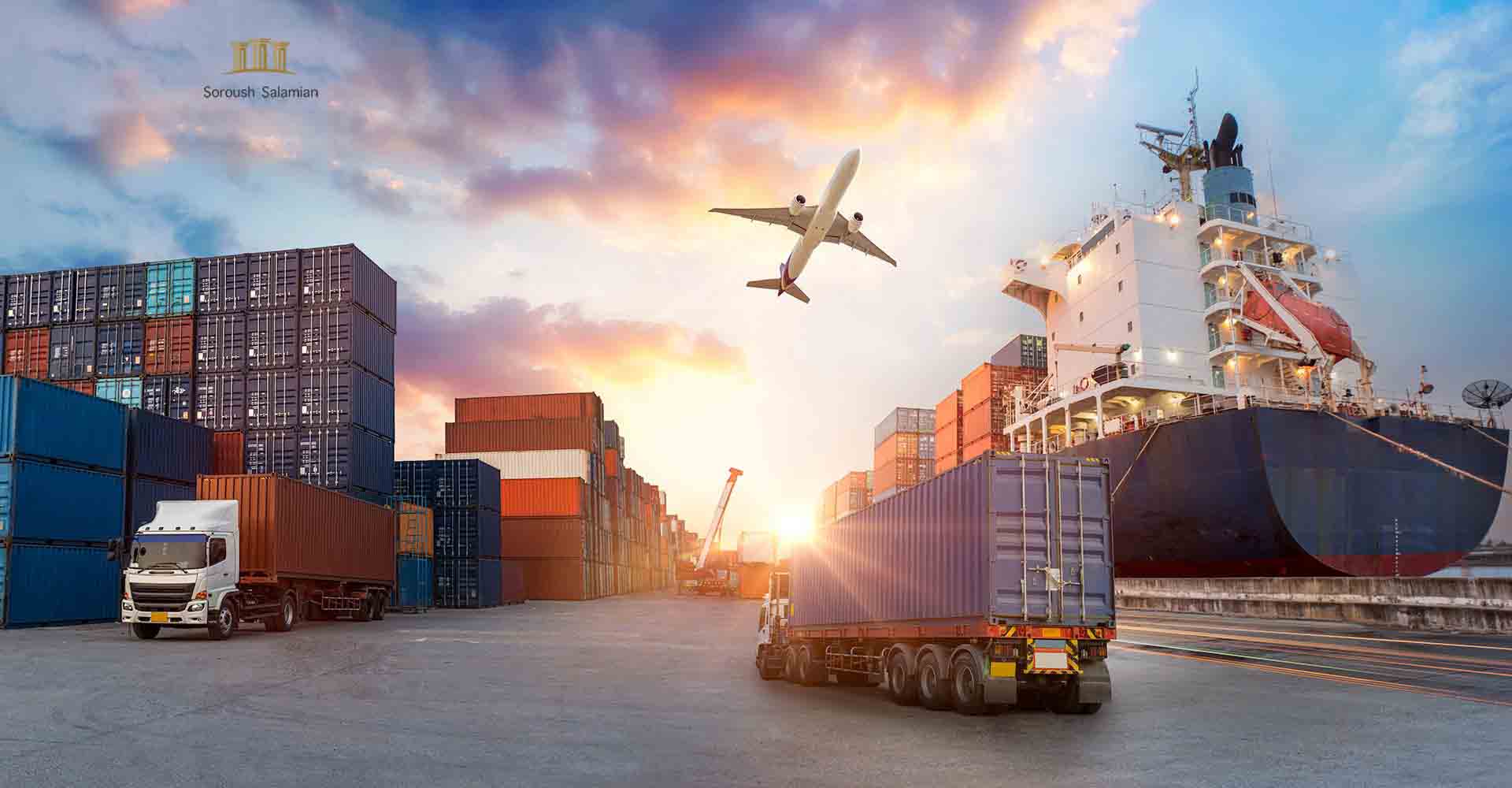
The Future of Managing Container Shortage Disputes
With the development of smart transportation systems, digital documentation, and increased transparency in supply chains, the management of container shortage disputes is expected to improve. The use of real-time data, smart booking systems, and market analysis can help companies predict equipment shortages earlier.
Furthermore, the development of standardized contracts, increased cooperation between shipping lines, and the use of modern fleet management technologies will reduce the likelihood of disputes. However, as long as global trade remains dependent on transportation equipment, container shortages will continue to be a major risk in the transportation industry, making the legal and contractual management of these issues highly important.
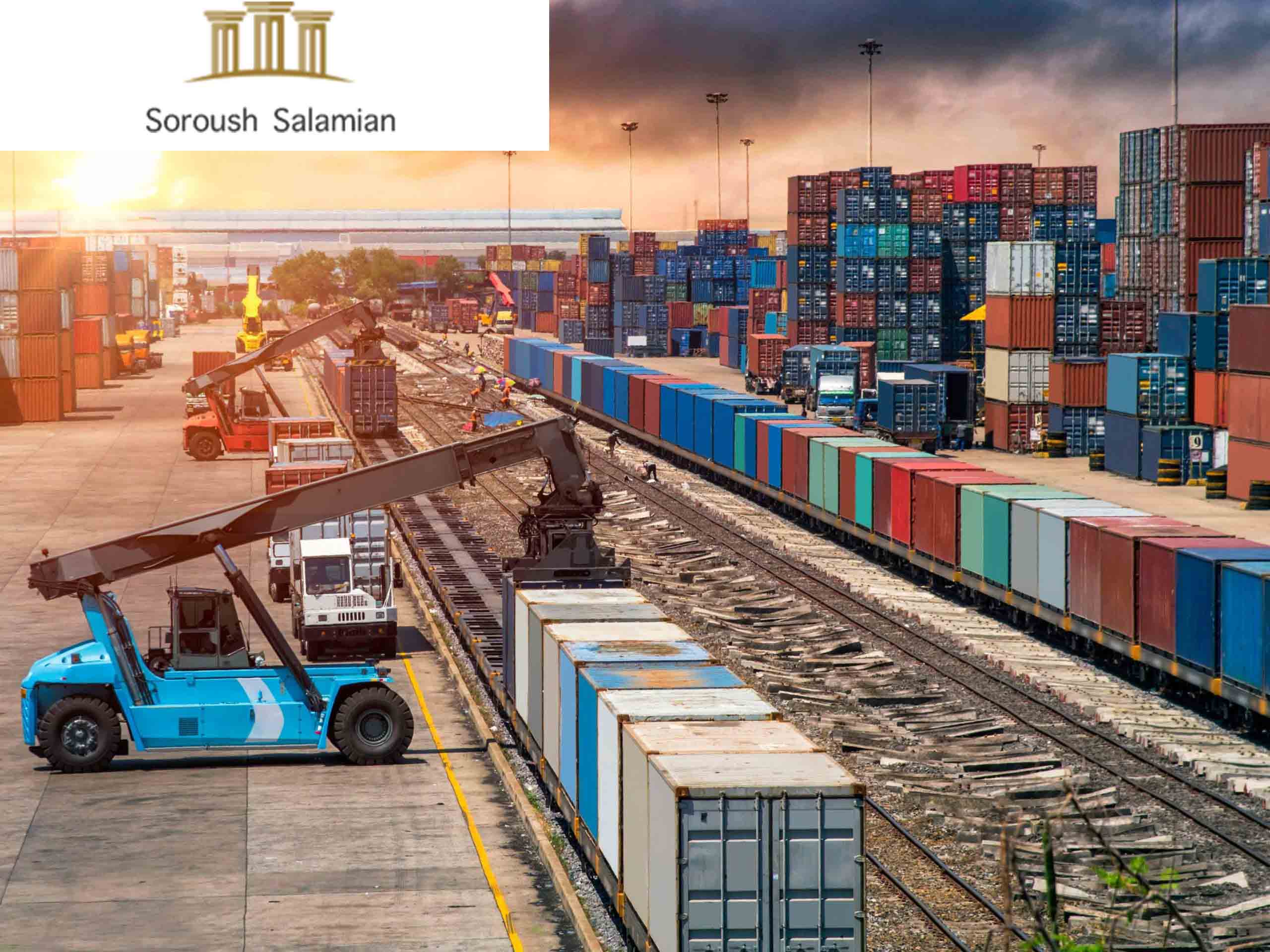
Frequently Asked Questions About Container Shortage Disputes



What if the shipping line confirms the booking but later says no empty container is available?
That can create a contractual issue, especially if the booking confirmation included a clear commitment to provide equipment. The wording of the booking, any equipment availability clauses, and the reason for the shortage would need to be reviewed before determining whether the shipping line is responsible.
Can I claim the extra cost of using a different container size because the one we booked was unavailable?
Potentially, yes. If the substitution was reasonable and necessary to keep the shipment moving, the additional cost may become part of the dispute. Responsibility would depend on who was contractually required to provide the original container and how extra costs were allocated.
What if containers are available at another nearby port but moving the cargo there costs much more?
That raises questions about mitigation and commercial reasonableness. A party may be expected to consider realistic alternatives, but it is not always required to accept a significantly more expensive option. The contract and the scale of the additional cost would matter.
If the seller promised a fixed delivery date, can they still blame the shipping line for a container shortage?
Possibly, but the seller’s obligations to the buyer are separate from the shipping line’s obligations to the seller. The sales contract, Incoterms, force majeure provisions, and transport booking terms should all be reviewed to determine where the risk of delay was allocated.
Can a container shortage count as force majeure if shortages happen regularly during peak season?
Not automatically. If shortages were predictable or common when the contract was made, it may be harder to characterize the event as truly unforeseeable. The specific force majeure clause, market conditions, and steps taken to secure equipment would all be relevant.
What if the carrier gives available containers to bigger customers first and delays smaller bookings?
That could raise issues depending on the booking commitments and the carrier’s contractual discretion. If a confirmed allocation was withdrawn or reassigned without contractual justification, the affected customer may have grounds to challenge the resulting delay or additional costs.
If we rent our own container because the carrier has none, does the carrier have to accept it?
Not necessarily. Shipping lines may impose technical, safety, ownership, or certification requirements for shipper-owned containers. The booking terms and the carrier’s equipment policies should be checked before arranging an independent container.
Can storage charges still be passed to us if the cargo is waiting only because no empty container was provided?
That may be disputable. If the storage costs arose directly from a party’s failure to provide containers when required, the contractual allocation of those charges becomes important. Evidence showing when the cargo was ready and when equipment became available can be particularly useful.
What if the shortage delays production because our raw materials cannot be shipped on time?
That may create a claim for consequential loss, but such claims usually require strong evidence of causation and foreseeability. The contract may also exclude or limit lost production or lost-profit claims, so the liability provisions should be reviewed carefully.
If the shipping line keeps cancelling bookings because of container shortages, can that justify ending a long-term contract?
Potentially. Repeated failure to provide equipment may amount to a serious contractual issue if container supply was a core obligation. Whether termination is justified would depend on the frequency of the failures, notice requirements, cure provisions, and the exact termination clause.