
What Is the Carrier’s Liability for Customs Delays?
The liability of a transport company for customs delays refers to the set of duties and obligations that carriers assume during customs clearance. When goods arrive at customs, the clearance procedure must be carried out in accordance with applicable regulations and within a reasonable timeframe. In this process, the transport company often plays an important operational role. If delays occur, the key legal question is whether the carrier is responsible or whether other factors are involved.
In many situations, the carrier is responsible for submitting transport documentation, the bill of lading, cargo details, and coordinating with customs authorities in a timely manner. If these obligations are not properly fulfilled, part of the responsibility for the delay may fall on the transport company. However, a delay does not automatically imply fault on the part of the carrier. Various external factors-such as customs regulations, incomplete documentation, or additional inspections-may also cause delays.
Understanding the legal allocation of responsibility for customs delays is extremely important for cargo owners, as identifying the responsible party is decisive in pursuing legal remedies and obtaining compensation for losses.
Liability of the Carrier for Customs Delays
Table of Contents
- What is a customs delay, and how does it occur?
- Who is responsible for customs delays?
- The role of the carrier in the customs clearance process.
- The most common causes of customs delays.
- Carrier liability in cases of incomplete documentation.
- Legal analysis of liability for customs delays in transport contracts.
- When is the carrier considered liable for customs delays?
- The role of customs authorities and third parties in causing delays.
- How liability for customs delays is proven.
- Frequently asked questions about carrier liability for customs delays.
What Is a Customs Delay and How Does It Occur?
A customs delay occurs when the clearance process for goods takes longer than the normal or expected timeframe. Such delays may arise at different stages of the customs process, including document verification, cargo inspection, or the payment of duties and taxes.
Various factors can cause these delays. Missing or incomplete transport documents, discrepancies between cargo information and submitted paperwork, security inspections, or sudden regulatory changes are among the most common causes. In some cases, congestion and high cargo volumes at customs facilities can also slow down the clearance process.
Customs delays may lead to additional costs for the cargo owner, including storage charges, demurrage, and possible penalties. For this reason, efficient management of the customs clearance process is essential, and the transport company’s role in facilitating it can be highly significant.
Who Is Responsible for Customs Delays?
One of the most common questions in international transport law is who bears responsibility for customs delays. The answer depends on the specific circumstances of each case, and there is no single rule applicable to all situations.
In some cases, the transport company may be responsible for submitting incomplete documentation or for delays in transmitting required paperwork, which can lead to customs delays. In such situations, part of the liability may rest with the carrier.
However, delays are often caused by internal customs procedures, strict regulatory requirements, or additional inspections, all of which are typically outside the carrier’s control. In other situations, the cargo owner may have failed to provide accurate information or to make timely payments of duties and charges. Therefore, determining responsibility requires careful examination of the relevant contract and supporting documentation.
The Role of the Carrier in the Customs Clearance Process
Transport companies often serve as an intermediary between the cargo owner and customs authorities, assuming several responsibilities during the clearance process. These companies must ensure that transport documents are properly prepared and submitted to the relevant authorities so that the clearance procedure proceeds smoothly.
Typical responsibilities include coordinating with customs authorities, presenting the bill of lading, tracking the shipment status, and cooperating with customs brokers. Any deficiencies or delays in these steps can disrupt the clearance process.
Nevertheless, the carrier does not always have full control over the process. Certain stages depend entirely on customs authorities’ decisions. As a result, the carrier’s role is often characterized more as a facilitator of the process rather than the final decision-maker.
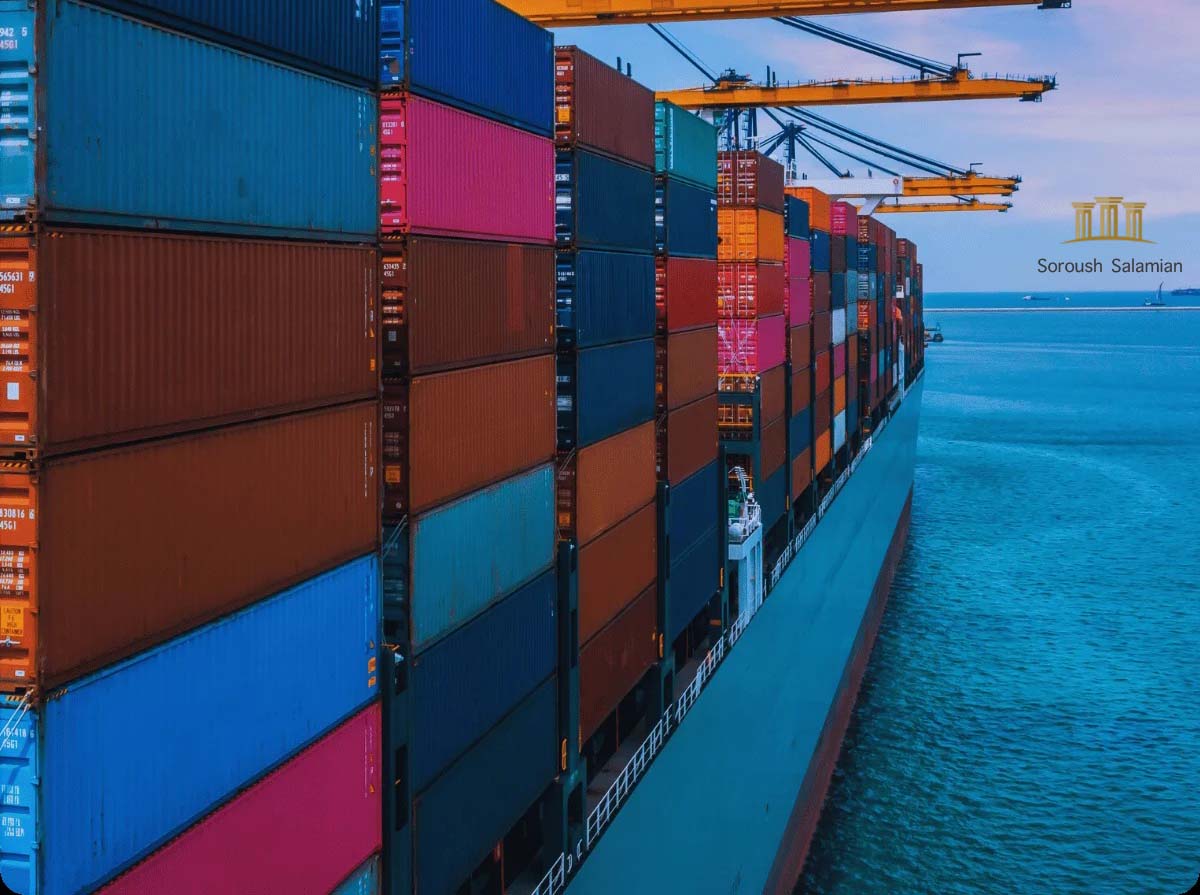
The Most Common Causes of Customs Delays
Customs delays typically arise for several reasons, and understanding these causes can help reduce operational disruptions.
One of the most common causes is incomplete or inaccurate transport documentation. If the information about the cargo does not match the documents submitted to customs, the clearance process may be suspended.
Another factor may be enhanced customs inspections. Certain types of goods require additional security checks or regulatory compliance, which can prolong the clearance process. Sudden regulatory changes may also lead to delays.
Other factors include congestion at customs facilities, personnel shortages, or issues related to the payment of customs duties and taxes.
Carrier Liability in Cases of Incomplete Documentation
One situation that may give rise to liability for the transport company is the submission of incomplete or inaccurate documentation. If deficiencies in the documentation result in a delay or suspension of the customs clearance process, the carrier may be held responsible for part of the resulting damages.
Transport documentation typically includes the bill of lading, commercial invoice, packing list, and customs-related data. If any of these documents are improperly prepared, customs authorities may refuse to proceed with clearance.
However, it should also be considered that documentation errors may originate from incorrect information provided by the cargo owner. For this reason, determining liability requires careful analysis of the contractual arrangements and the responsibilities assigned to each party.
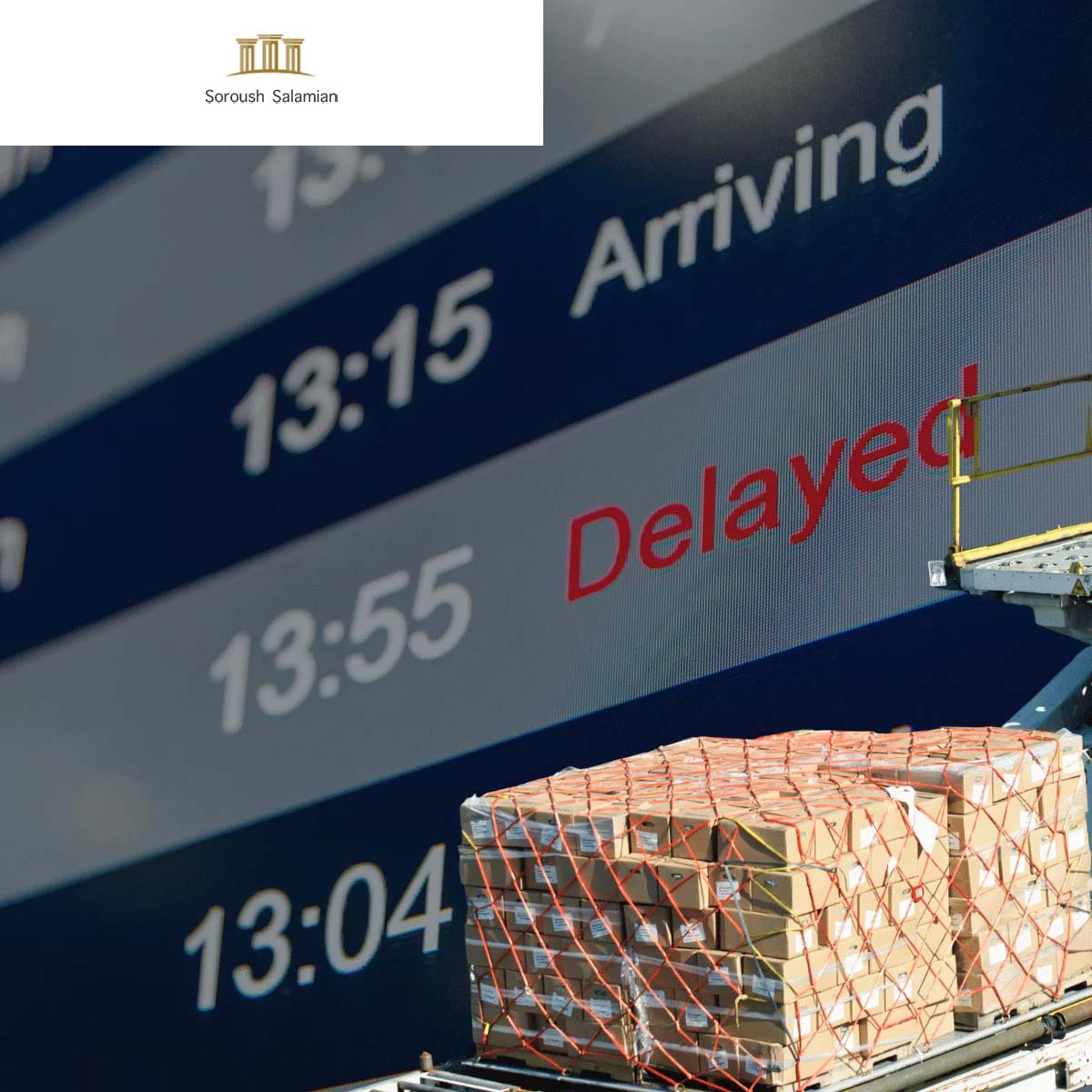
Legal Analysis of Liability for Customs Delays in Transport Contracts
The issue of liability for customs delays is an important topic in international transport law. Once goods arrive at customs, the clearance process is expected to proceed within a reasonable timeframe and in accordance with the applicable legal framework. Yet delays frequently occur, raising the question of which party should bear responsibility.
From a legal perspective, a transport company is generally considered liable only when the delay results from a failure to perform its contractual obligations. For example, if transport documentation is incomplete or coordination with customs authorities is handled improperly, the carrier may bear legal responsibility.
However, the mere existence of a delay does not automatically establish liability. A clear causal link must be demonstrated between the carrier’s conduct and the delay that occurred.
In many legal systems, liability for customs delays must be analyzed under the provisions of the transport contract and the applicable customs regulations. Consequently, disputes between cargo owners, carriers, and customs authorities often require detailed legal and technical evaluation.
When Is the Carrier Considered Liable for Customs Delays?
A transport company is considered liable for customs delays when it has directly or indirectly contributed to the delay. One of the most common examples is the submission of incomplete or incorrect transport documents.
If the documentation required by customs authorities is not properly prepared or transmitted, the clearance process may be delayed, and liability may fall on the carrier.
Liability may also arise if the transport company fails to coordinate properly with customs authorities or with customs brokers responsible for clearance. In some cases, delays in informing the cargo owner may also contribute to delays in the clearance process.
Nevertheless, when assessing liability for customs delays, the precise role of the transport company must be carefully examined. If the delay results from factors beyond the carrier’s control, the carrier is usually not considered directly responsible.
The Role of Customs Authorities and Third Parties in Customs Delays
In many cases, customs delays are not caused by the transport company but rather by external factors. Customs authorities, as the primary regulatory body responsible for controlling and clearing goods, play a crucial role in determining the speed of the process.
High cargo volumes, security inspections, regulatory changes, or personnel shortages may all contribute to delays.
Third parties such as insurance companies, banks, or even the cargo owner may also influence the clearance process. For example, the failure to submit financial documentation or required permits on time may halt the clearance procedure.
When analyzing legal responsibility for customs delays, it is essential to recognize that the carrier is not always the primary responsible party. In many cases, delays result from multiple factors occurring simultaneously. Therefore, a thorough examination of the entire customs operations chain is necessary to determine the true source of the delay.
How Liability for Customs Delays Is Proven
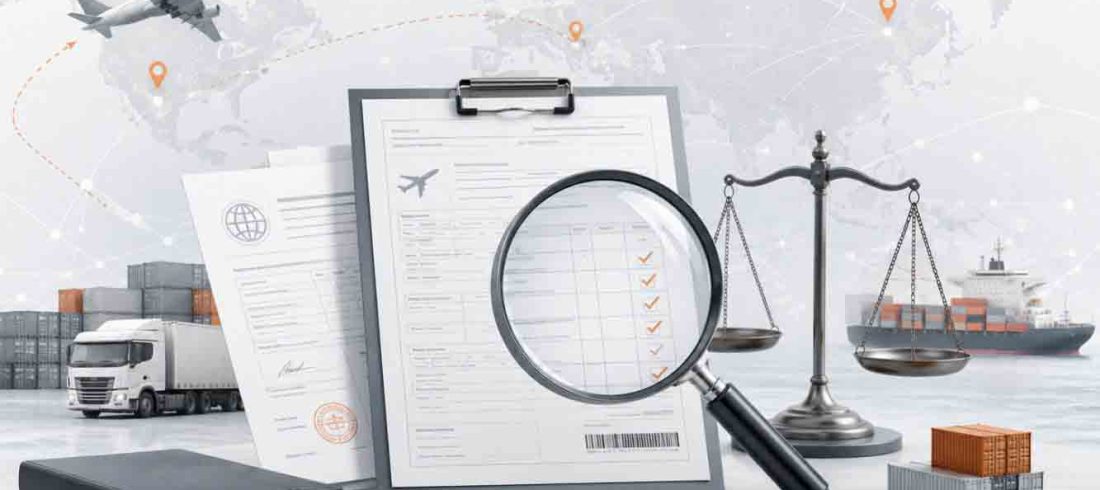
Establishing liability for customs delays can be one of the most challenging aspects of transport-related disputes. To determine who is responsible, various documents and records must be examined.
Relevant evidence typically includes transport documents, correspondence between the carrier and customs authorities, the cargo arrival timeline, and official reports related to the incident.
In many cases, legal and logistics experts review these materials to identify the origin of the delay. If the investigation shows that the delay resulted from the carrier’s negligence, legal liability may be established.
However, if the delay is attributed to factors beyond the carrier’s control-such as customs procedures or administrative complications-the carrier is generally relieved of liability.
In disputes involving customs delays, expert analysis often plays a crucial role. Without a specialized technical and legal review, accurately identifying the cause of the delay can be extremely difficult. For this reason, consultation with legal and transport professionals is often essential for reaching a fair and accurate conclusion.
Frequently Asked Questions About Carrier Liability for Customs Delays
It refers to the legal responsibility that a transport company may bear if its actions or omissions cause delays during the customs clearance process.
A customs delay occurs when the clearance of goods takes longer than the normal or expected timeframe due to documentation issues, inspections, or regulatory requirements.
Responsibility depends on the circumstances. It may lie with the carrier, the cargo owner, customs authorities, or other parties involved in the clearance process.
Common causes include incomplete documentation, discrepancies in cargo information, security inspections, regulatory changes, congestion at customs facilities, or unpaid duties.
The carrier’s liability is assessed by examining whether it properly fulfilled its contractual duties, including submitting documents and coordinating with customs authorities. What is meant by the carrier’s liability for customs delays?
What is a customs delay?
Who is responsible for customs delays?
What are the most common causes of customs delays?
How is the carrier’s role evaluated in customs delays?



What if customs asks for a new document after the shipment has already arrived?
That does not automatically make the carrier responsible for the delay. The key question is who was required to obtain or provide that document and whether the request could reasonably have been anticipated. The transport contract and customs correspondence would be important to review.
Can the carrier be liable if they knew a document was missing but waited two days to tell us?
Potentially, yes. A carrier’s delay in notifying the cargo owner can contribute to a customs delay, especially if earlier notice would have allowed the problem to be corrected sooner. Causation and the actual effect of that delay would still need to be established.
What if the customs broker makes the mistake, not the shipping company?
That depends on who appointed the customs broker and how responsibilities were allocated. In some cases, the broker’s mistake may be treated separately from the carrier’s obligations. The contractual relationship between the cargo owner, carrier, and broker would need to be examined.
If customs holds the cargo for a random inspection, can I still claim storage costs from the carrier?
Not necessarily. Random or enhanced customs inspections are often outside the carrier’s control. A claim against the carrier would usually require evidence that its own conduct contributed to the delay or increased the resulting costs.
What if the carrier submitted the right documents but sent them to customs too late?
Late submission can still create potential liability even where the documents themselves are accurate. The important issue is whether the carrier had a duty to transmit them within a particular timeframe and whether the late submission actually caused the customs delay.
Can I recover demurrage if customs delay happened because of the carrier’s paperwork mistake?
Potentially. Demurrage or storage charges may form part of the claimed loss if they were caused by the carrier’s documentary failure and are recoverable under the contract and applicable law. The amount and causal connection would need supporting evidence.
What if both the cargo owner and carrier made different mistakes that delayed customs?
Responsibility may be shared. Customs delays can result from several problems happening at the same time, so each party’s contribution to the delay may need to be assessed separately. The timeline and documentary evidence become especially important in that situation.
If customs changes the rules overnight, does the carrier have to find another way to clear the goods?
Not automatically, but the carrier may still have duties to communicate the change, cooperate with customs, and take reasonable steps within its contractual role. Whether an alternative clearance method was required would depend on the contract and the new regulation.
Can emails with customs officials be used to prove who actually caused the delay?
Yes, they can be very useful. Correspondence with customs, shipment timelines, transport documents, and official reports can help establish when the problem arose and which party was responsible for addressing it.
What if customs clears the goods late but never gives any reason for the delay?
That can make proving liability more difficult. In that situation, the available timeline, carrier communications, customs records, and any official status updates should be examined to determine whether the delay resulted from administrative processing or from an identifiable failure by one of the parties.