
What Is a Shipowner’s Liability for Personal Injuries?
A shipowner’s liability for personal injuries refers to the legal obligations of a vessel owner in connection with injuries sustained by crew members, passengers, port workers, or other individuals during the operation of a vessel. The nature and extent of liability depend on the circumstances of the accident, the injured person’s relationship with the vessel, the applicable law, and the location where the incident occurred.
A shipowner is generally expected to take appropriate measures to provide reasonably safe conditions, properly maintain the vessel, and prevent foreseeable hazards. If an accident results from a technical defect, inadequate maintenance, defective equipment, or a failure to comply with applicable safety requirements, a liability claim may potentially be brought against the owner.
A careful investigation of the incident is essential to determine the cause of the injury. Medical records, accident reports, maintenance records, vessel inspection reports, and witness statements may all be relevant in determining liability.
What Factors Can Give Rise to Liability for a Shipowner?
Various factors may contribute to a finding of liability against a shipowner. Technical defects in the vessel, inadequate repair and maintenance, the use of defective equipment, insufficient safety equipment, and failure to comply with applicable safety requirements are among the principal issues that may require examination.
The working conditions of crew members are also important. If employees have not received adequate training for a particular task or are required to work without appropriate protective equipment, these circumstances may be relevant when evaluating liability.
Weather conditions, decisions made by the captain and crew, and the manner in which maritime operations were managed should also be examined. In some accidents, several factors may contribute simultaneously to the resulting injury. For this reason, determining liability generally requires both technical and legal analysis.
Inspection reports, maintenance records, safety procedures, and testimony from individuals present at the scene may be useful in reconstructing the events leading to the accident.
What Liability Does a Shipowner Have for Injuries to Crew Members?
Crew members are exposed to various occupational hazards due to the nature of maritime work. A vessel owner or operator is generally required to comply with the legal and safety requirements applicable to the maritime working environment.
A shipowner’s liability for personal injuries sustained by crew members may arise where the injury is connected to unsafe conditions, defective equipment, inadequate training, a lack of appropriate protective equipment, or insufficient maintenance of the vessel.
For example, if a crew member falls because a piece of deck equipment malfunctions, the maintenance and repair history of that equipment may become an important part of the investigation. The training provided to employees and compliance with applicable safety procedures should also be examined.
However, the mere occurrence of an accident does not automatically establish the shipowner’s liability. A connection must be established between the accident, the relevant conduct or condition, and the resulting injury. Maritime laws may also differ from one jurisdiction to another regarding the standards used to determine liability and compensation.

How Is a Shipowner’s Liability Toward Passengers Determined?
The liability of a shipowner or vessel operator toward passengers is generally evaluated based on applicable safety obligations, the conditions of carriage, the nature of the accident, and the governing law.
Passengers should generally be able to use maritime transportation services under reasonably safe conditions, and foreseeable risks should be appropriately managed. Slippery deck surfaces, defective safety equipment, the absence of warning signs, or improper operation of certain equipment may be relevant in an accident investigation.
When an injury occurs, it is necessary to determine exactly how the incident happened and whether an act or omission by the owner or operator contributed to the injury. The contract of carriage, passenger ticket, terms governing the use of the vessel, and applicable maritime transportation regulations may also affect the scope of liability.
Accordingly, the fact that an injury occurred is not, by itself, sufficient to establish liability. The available evidence and the circumstances surrounding the incident must be evaluated as a whole.
Can a Technical Defect in a Vessel Result in Liability for the Owner?
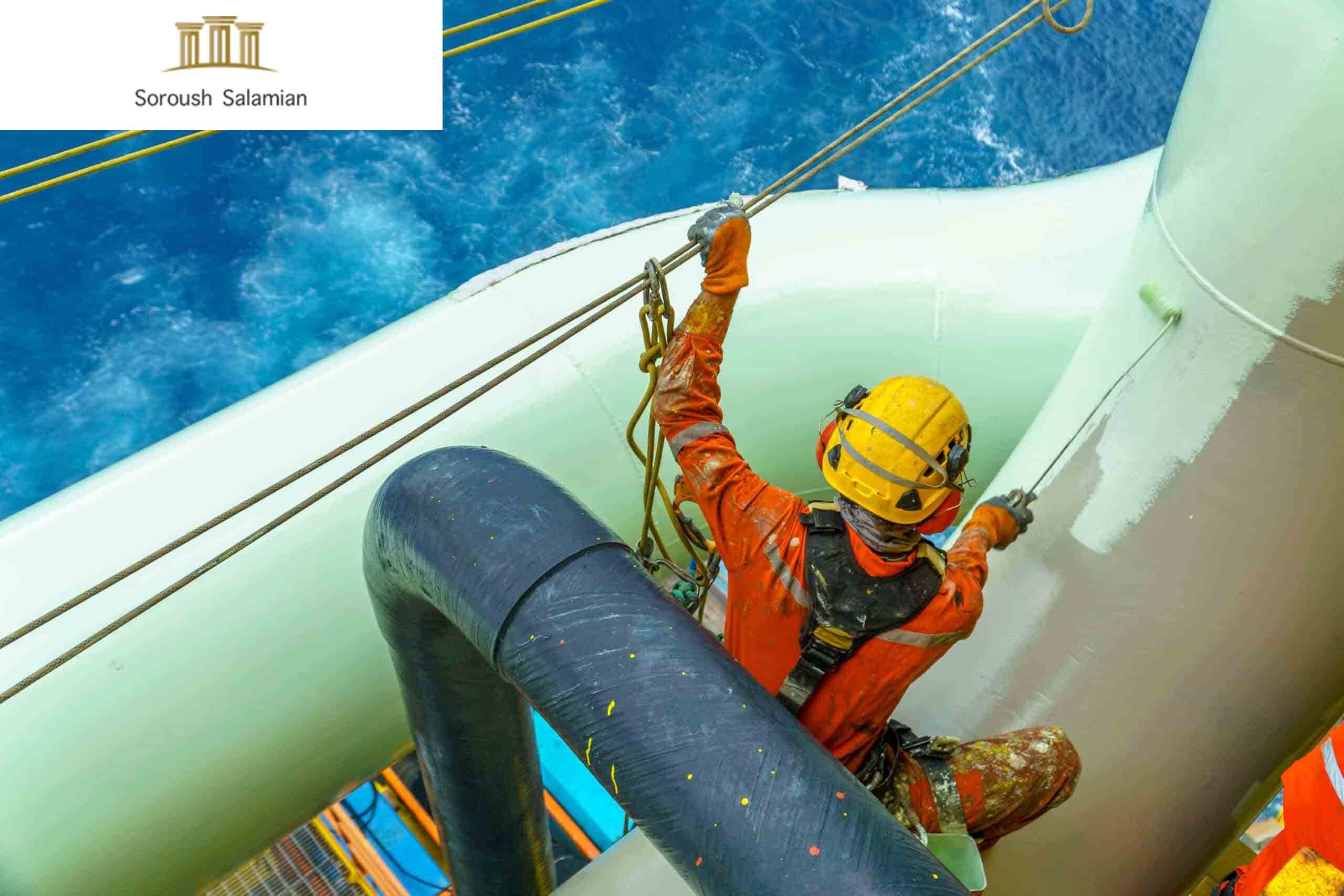
A technical defect that is connected to a personal injury may be an important factor in determining a shipowner’s liability. Vessels and their equipment should be maintained in accordance with applicable technical and safety requirements, and necessary repairs should be performed within an appropriate period.
For example, malfunctioning lifting equipment, defective safety systems, damaged ladders, or hazardous deck conditions may create risks to individuals on board.
If it is established that the owner knew of a defect, or reasonably should have known about it under the circumstances, and failed to take appropriate corrective action, that fact may be significant in a liability claim. Maintenance records and periodic inspection reports are commonly reviewed when evaluating such allegations.
However, not every technical defect automatically creates legal liability. It must also be determined how the defect was connected to the accident and whether appropriate preventive or corrective measures could have prevented the injury.
What Damages May an Injured Worker on a Vessel Be Entitled to Claim?
If a worker is injured on a vessel, the types of damages recoverable depend on the applicable law and the specific circumstances of the case. Medical expenses, hospitalization costs, rehabilitation expenses, and medication costs may be considered when assessing damages.
Loss of earning capacity, lost income, and expenses associated with a period of disability may also be recoverable under certain legal systems. In more serious cases, permanent injuries or a reduction in the individual’s ability to work may have a greater impact on the amount of compensation available.
Medical documentation, employment records, and evidence of income are particularly important in establishing these losses. A connection between the injury and the maritime accident must also be demonstrated.
Applicable law, relevant contracts, and the specific circumstances of the case determine the nature and amount of compensation. For this reason, an injured person should preserve all records relating to the accident, medical treatment, and financial losses from the time of the incident.
What Role Do Vessel Inspection and Maintenance Records Play in Determining Liability?
Vessel inspection and maintenance records can provide important information about a vessel’s condition before an accident. These documents may show when equipment was inspected or repaired, which defects had been identified previously, and what measures were taken to correct them.
If a defect was identified before an accident but remained unresolved for an extended period, that fact may become relevant when evaluating liability.
Official inspection reports, maintenance records, work orders, and documents related to part replacements are among the materials that may be reviewed. It may also be necessary to determine whether the vessel’s maintenance program was carried out in accordance with applicable requirements.
In personal injury cases, reviewing these records may help identify the cause of the accident. Maintaining accurate and regular technical and safety records is therefore important for shipowners because these records can demonstrate the measures taken before an incident occurred.
Is a Shipowner Liable If an Accident Is Caused by Crew Error?
Crew error is an important consideration in maritime accident investigations, but its effect on a shipowner’s liability depends on the circumstances of the case.
It should be determined whether the individual received appropriate training, whether adequate safety procedures were provided, and whether the working environment was properly managed. In some cases, human error may be the primary cause of an accident. In other cases, defective equipment, inadequate training, or improper management may contribute to the accident together with crew error.
For this reason, an investigation should not focus exclusively on the conduct of the injured person or other employees. The captain’s report, witness statements, training records, operating procedures, and technical information concerning the vessel may all be relevant in identifying the cause of the accident.
Ultimately, liability will depend on the applicable law and the relationship between the conduct of the individuals involved, the condition of the vessel, and the resulting injury.
What Evidence Is Important for Establishing a Shipowner’s Liability After a Maritime Accident?
Collecting evidence after a maritime accident can be critically important when evaluating and establishing a shipowner’s liability for personal injuries.
An official accident report, medical records, photographs of the accident scene, vessel information, witness statements, and repair and maintenance records are among the documents that may be significant. For crew members and other vessel employees, employment contracts, safety training records, and documentation regarding the specific duties being performed at the time of the accident may also be relevant.
If a technical defect is involved, inspection reports and records of repairs to the relevant equipment may help establish the vessel’s condition before the accident.
Information regarding the time, location, and manner in which the accident occurred should also be recorded as accurately as possible. Copies of official documents and reports should be preserved.
The evidence required will vary depending on the circumstances of each case. The applicable law, contractual provisions, and facts surrounding the accident must therefore be reviewed to determine which evidence is necessary.
How Can a Claim for a Shipowner’s Liability for Personal Injuries Be Pursued?
Pursuing a claim involving a shipowner’s liability for personal injuries generally begins with collecting information about the accident and identifying the legal basis for the claim.
It is first necessary to determine the injured person’s relationship with the vessel, where the accident occurred, and which laws apply. Medical records, accident reports, vessel records, and other relevant documents should then be reviewed. Determining the cause of the accident is also essential because it must be established how the injury occurred and which individuals, conditions, or other factors contributed to it.
Maritime injury cases may also involve issues such as jurisdiction, choice of law, contractual limitations, and applicable deadlines for bringing a claim. As a result, these matters often require simultaneous consideration of both the technical and legal aspects of the incident.
An injured person should preserve all documentation relating to the accident and medical treatment and should seek assistance from a maritime law professional to evaluate the available legal rights and appropriate course of action.
Frequently Asked Questions About Shipowner Liability for Personal Injuries
A shipowner’s liability for personal injuries depends on the circumstances of the accident, the cause of the injury, the injured person’s relationship with the vessel, and the applicable law. Technical defects, inadequate maintenance, defective equipment, or failure to comply with safety requirements may contribute to the owner’s liability.
If a crew member’s injury is connected to unsafe conditions, defective equipment, inadequate training, or a failure to maintain the vessel, a liability claim properly may potentially be brought against the owner. The cause of the accident and the relevant evidence must be reviewed to determine liability.
Yes, if a technical defect is connected to the accident and resulting personal injury, it may provide a basis for evaluating the owner’s liability. Maintenance records, inspection reports, and the condition of the equipment before the accident are important in this analysis.
Accident reports, medical records, photographs of the accident scene, witness statements, maintenance and repair records, inspection reports, and the injured person’s employment records may be important when evaluating and establishing liability.
The mere occurrence of crew error does not automatically establish the owner’s liability. It is necessary to determine whether adequate training, appropriate equipment, and safety procedures were provided and whether technical defects or improper management also contributed to the accident. What is a shipowner’s liability for personal injuries?
Is a shipowner liable for injuries sustained by crew members?
Can a technical defect in a vessel result in liability for the owner?
What evidence is needed to establish a shipowner’s liability?
Is a shipowner liable if a maritime accident is caused by crew error?




I was injured on a Panama-flagged ship but it happened in UAE waters. Which country’s law would apply?
That can depend on several factors, including the vessel’s flag, where the accident occurred, your employment or carriage contract, and any jurisdiction or choice-of-law clause. Maritime cases can involve more than one legal system, so the documents and facts would need to be reviewed before determining the applicable law.
I only reported my injury the next morning because the pain got worse overnight. Is that a problem?
A delay in reporting does not necessarily prevent a claim, but it can make proving when and how the injury happened more difficult. Medical records, witness statements, messages, and a clear explanation for the delay may become important. The effect of the delay also depends on the applicable law and reporting requirements.
What if the shipowner says the contractor I worked for was responsible for safety, not them?
That does not automatically remove the shipowner from potential liability. Responsibility may depend on who controlled the work area, who provided the equipment, the contractual arrangements, and the legal duties imposed on each party. In some cases, more than one party may share responsibility.
If I was partly at fault for the accident, does that mean I cannot claim anything?
Not necessarily. Some legal systems allow compensation even when the injured person contributed to the accident, although the amount may be reduced based on their share of responsibility. The exact effect of contributory or comparative fault depends on the law governing the case.
Can the waiver printed on a passenger ticket stop someone from making an injury claim?
Not always. The validity of that type of clause can depend on its wording, the applicable maritime law, consumer protection rules, and the circumstances of the accident. The ticket and its terms should be reviewed carefully before assuming that a claim has been waived.
The vessel was sold to another company after my accident. Does that change who I can claim against?
A later sale of the vessel does not necessarily eliminate rights that arose before the sale. It would be necessary to identify who owned, operated, managed, or employed personnel on the vessel when the accident occurred. Insurance arrangements and the structure of the vessel’s operation may also be relevant.
The shipowner’s insurer offered me a settlement while I’m still getting treatment. Is it risky to accept it early?
It can be. An early settlement may require you to release further claims even if your medical condition later turns out to be more serious than expected. Before signing anything, the medical prognosis, settlement terms, and applicable law should be reviewed carefully.
I’m a port worker, not crew. I got hurt while boarding the vessel. Can the shipowner still be responsible?
Potentially, yes. Liability may depend on who controlled the boarding area, the condition of the gangway or access equipment, and the respective duties of the vessel owner, operator, port, and your employer. Your status as a port worker does not by itself rule out a claim against the shipowner.
What if I already had a back problem and the accident on the ship made it much worse?
A pre-existing condition does not automatically exclude a claim. The main issue is usually whether the accident caused a new injury or materially aggravated the existing condition. Medical records from before and after the accident can be particularly important in establishing that connection.
What can someone do if the ship leaves the country right after the accident?
It is important to preserve available evidence as quickly as possible, including photographs, medical records, witness details, vessel information, and accident reports. Depending on the jurisdiction, formal steps may also be available to request records or protect a potential claim. Because cross-border maritime procedures can be time-sensitive, the specific circumstances should be reviewed promptly.