
What Are the Legal Liabilities Associated with Container Damage?
Container damage is an important issue in international transportation and may give rise to disputes among cargo owners, container owners, carriers, freight forwarders, and other parties involved in the shipment. When a container is damaged during transit, it is first necessary to determine at what stage the damage occurred and which party was responsible for the container’s custody, handling, or movement at that time.
Legal liability in such cases is generally determined based on the contract of carriage, the terms governing the use of the container, applicable transportation laws, and relevant documentation. For example, if the damage results from negligent loading, improper unloading, or misuse of equipment, liability may be attributed to the party responsible for performing those operations.
The nature and extent of the damage are also important. Minor damage, such as scratches or cosmetic defects, may be treated differently from punctures, significant structural deformation, or damage that renders the container unfit for use. Delivery reports, photographs, transport documents, and contractual terms should therefore be carefully reviewed when determining liability.
What Factors May Give Rise to Legal Liability for Container Damage?
Legal liability for container damage depends on a variety of factors, and the mere existence of damage does not automatically establish that a particular party is responsible. One of the most important considerations is how the container was used, handled, and maintained during transportation. If the container is damaged as a result of improper storage conditions, overloading, or inappropriate handling, liability may rest with the party whose conduct caused the damage.
The type of contract of carriage also plays an important role in determining the parties’ respective responsibilities. In some contracts, obligations relating to the delivery, receipt, custody, use, and return of the container are expressly defined. The terms contained in transport documents, including the bill of lading, may also establish the framework governing liability.
Environmental factors, such as storms, maritime incidents, or other unforeseeable circumstances, must also be considered. In such situations, liability may be reduced, or compensation may be determined under specific contractual or legal rules. A proper determination of liability generally requires an examination of when and where the damage occurred, inspection reports, and the available documentary evidence.
How Is a Carrier’s Liability for Container Damage Assessed?
A carrier is one of the parties that may face a liability claim when a container is damaged. Such liability generally arises where the carrier was responsible for the custody, handling, or transportation of the container and the damage occurred while the container was under its control.
In assessing the carrier’s liability, factors such as loading practices, transportation conditions, compliance with applicable handling standards, and the measures taken to protect the container may be examined. If the damage is shown to have resulted from the carrier’s negligence or improper performance, a compensation claim may arise.
However, the carrier is not necessarily responsible for every form of damage. In some circumstances, the damage may have resulted from improper packing by the shipper, the inherent nature of the cargo, or events beyond the carrier’s control. In such cases, determining liability requires a careful examination of the documentation and the specific circumstances of the shipment. Reports recording the condition of the container at the time of delivery and receipt are particularly important in identifying when the damage occurred. For this reason, documenting the condition of the container at each stage of transportation is essential.
What Does the Cargo Owner’s Liability for Container Damage Include?
The cargo owner may also be held responsible for damage to a container in certain circumstances. This issue most commonly arises where the damage results from the manner in which the cargo was loaded, the nature of the goods, or a failure to comply with instructions governing the proper use of the container.
For example, if goods are improperly stowed inside the container and place excessive pressure on its walls or floor, liability for the resulting damage may be attributed to the shipper or cargo owner. Similarly, transporting dangerous goods without properly declaring their characteristics may give rise to legal consequences.
Providing accurate information concerning the weight, nature of the cargo, and required storage conditions is an important responsibility of the cargo owner. Inaccurate information may result in damage to the container, other goods, or transportation equipment. In many disputes involving container damage, the manner in which the cargo was prepared is a significant issue. If required packaging or securing standards were not followed, legal liability may shift toward the cargo owner.
What Is the Role of the Contract of Carriage in Determining Liability for Container Damage?
The contract of carriage is one of the most important documents in determining legal responsibility for container damage. It generally defines the parties’ duties regarding the delivery, custody, use, and return of the container.
The terms of the contract may determine when responsibility for the container passes from one party to another. For example, responsibility for the care of the container may pass to the shipper once the container is delivered. At the same time, the carrier may be responsible for maintaining the condition of the container during a particular stage of transportation. Some contracts also contain provisions regarding limitations of liability, procedures for reporting damage, notice periods, and dispute resolution mechanisms. These provisions should be carefully reviewed when damage occurs.
In international transportation, documents other than the contract itself, including the bill of lading and general conditions of carriage, may also affect the allocation of liability. Accordingly, the legal assessment of a container damage claim should be based on the relevant contractual documents together with the actual circumstances of the shipment.
How Can Container Damage Be Proven in Legal Disputes?
Proving container damage is an important part of pursuing a legal claim. The party alleging damage must be able to establish when the damage occurred, the extent of the damage, and which party may be legally responsible for it. Container inspection reports, photographs taken before and after transportation, delivery records, port reports, and repair documentation may all play an important role in substantiating a claim. Recording the visible condition of the container at the time of delivery and receipt can also help prevent subsequent disputes.
In some cases, a technical expert assessment may be necessary to determine the cause of the damage. An expert may examine whether the damage resulted from impact, improper loading, environmental conditions, or misuse. The timing of the damage notification is also important. Many contracts of carriage specify a particular period within which damage must be reported. A delay in providing notice may make it more difficult to pursue a claim.
How Is a Freight Forwarder’s Liability for Container Damage Determined?
A freight forwarder, acting as a coordinator of transportation services, may in certain circumstances become involved in legal liability relating to container damage. The extent of that liability depends on the forwarder’s actual role in the transportation process and the obligations it has undertaken.
If the freight forwarder acts solely as an intermediary or coordinator, its liability may differ from that of the carrier or principal transport operator. However, if the forwarder has assumed broader contractual responsibilities, such as organizing the entire shipment, selecting the route, appointing subcontractors, or managing transportation operations, its conduct may require closer examination.
In complex shipments involving several companies, determining the responsibility of each participant is particularly important. Liability issues in multimodal transportation may also arise because the damage may have occurred during one of several stages of carriage. To reduce the risk of disputes, the responsibilities of the freight forwarder, carrier, and other parties should be clearly defined in the relevant contracts.
How Is Container Damage Pursued in International Transportation?
Pursuing a claim for container damage in international transportation generally requires an examination of the relevant documentation, applicable law, and contractual terms. Because the parties may be located in different countries and subject to different legal systems, determining liability can be more complex than in domestic transportation. The first step is usually to collect all evidence relating to the damage. Damage reports, photographs, the bill of lading, the contract of carriage, repair invoices, and correspondence between the parties may all be relevant.
It is then necessary to determine which country’s law governs the contract or dispute. This may affect the procedure for claiming compensation, the scope of liability, and the available dispute resolution mechanisms. In some cases, the parties may attempt to resolve the matter through negotiation or contractual dispute resolution procedures. If no settlement is reached, the dispute may be referred to a court or arbitration, depending on the applicable agreements and legal framework.
Prompt and proper handling of a claim is important because delays in collecting evidence or notifying the relevant parties of the damage may make it more difficult to establish liability.
Methods for Preventing Disputes Relating to Container Damage
Preventing disputes concerning container damage is generally more efficient than pursuing legal proceedings after damage has occurred. One of the most important preventive measures is to document the condition of the container accurately at the time of delivery and receipt. This can reduce disputes concerning when and how the damage occurred. Inspecting the condition of the container before loading is equally important. If the container already has defects before use, documenting those defects can help clarify the respective responsibilities of the parties.
Compliance with appropriate packing standards, proper securing of the cargo, and accurate disclosure of information concerning the shipment are also important preventive measures. Many forms of container damage result from improper loading practices. Contracts of carriage should also contain clear provisions regarding responsibility, damage notification procedures, and dispute resolution mechanisms. Contractual clarity can prevent many future disputes. In complex transportation arrangements, obtaining assistance from transportation professionals and legal counsel may also help reduce potential risks.
Legal Consequences of Container Damage for the Parties to the Contract
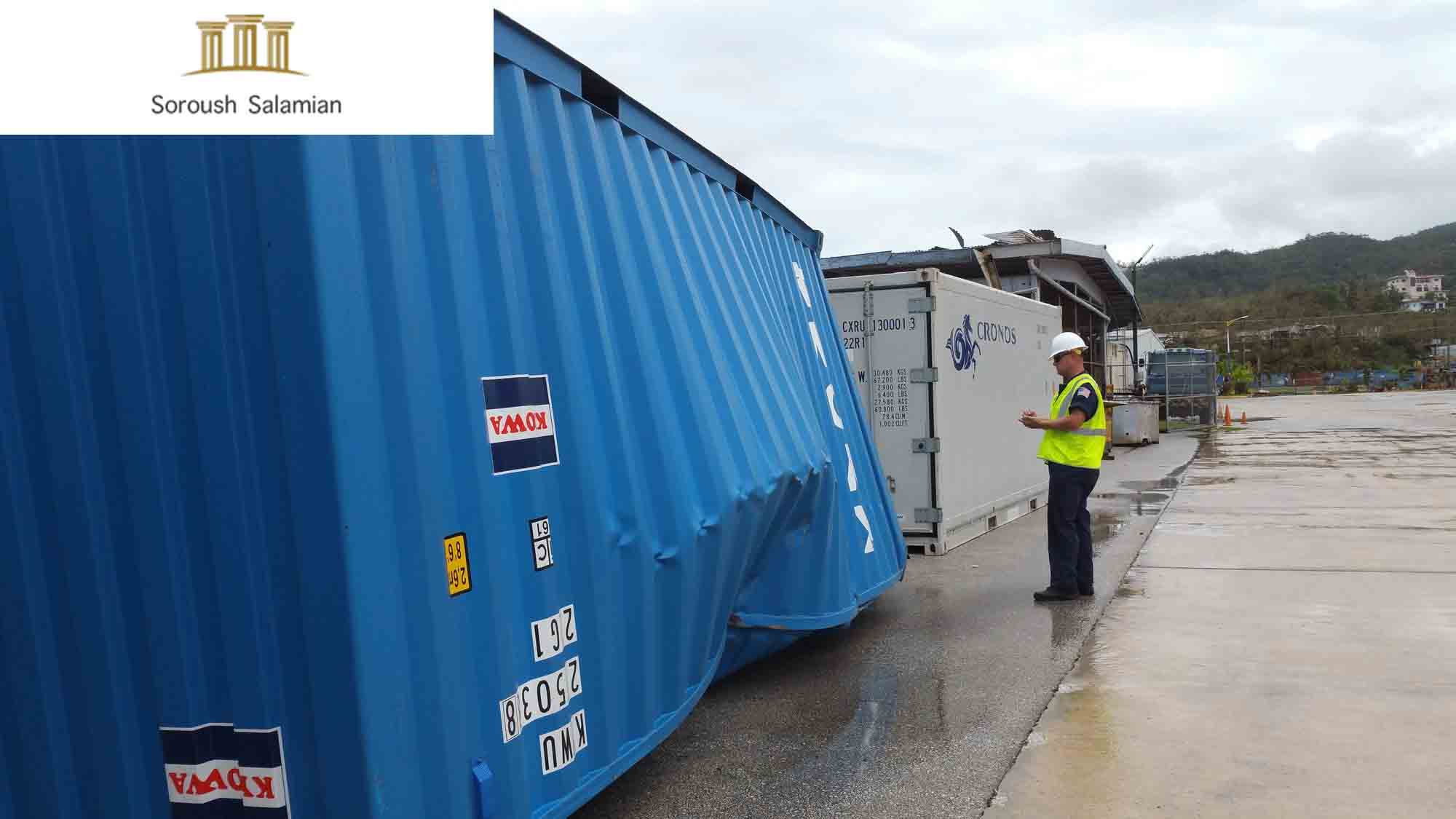
Container damage may give rise to various consequences for the parties to a contract of carriage. These may include repair costs, compensation claims, disputes concerning liability, and, in some circumstances, legal proceedings. The amount of loss may depend on factors such as the severity of the damage, repair expenses, the period during which the container is unavailable for use, and the relevant contractual provisions. In some cases, the principal dispute concerns not the amount of the damage but which party is legally responsible for paying it.
In transportation-related matters, issues such as transportation disputes in cross-border transactions and the legal consequences of breach of a transportation contract may be directly relevant to liability arising from container damage. Proper documentation management, careful contract drafting, and compliance with contractual obligations are therefore particularly important. Understanding the applicable legal responsibilities before transportation begins can help prevent disputes and may simplify the resolution process if damage occurs.
Frequently Asked Questions About Legal Liability for Container Damage
Legal responsibility for container damage depends on the circumstances of the incident, the contract of carriage, the time at which the damage occurred, and the role of each party. The carrier, cargo owner, freight forwarder, or other parties involved may be held responsible for compensation if negligence or a breach of their obligations is established.
Factors such as improper loading, misuse of the container, inadequate handling or storage, inaccurate information concerning the cargo, improper movement of the container, and failure to comply with transportation standards may give rise to legal liability for container damage.
Container damage may generally be proven through evidence such as inspection reports, photographs taken before and after transportation, delivery documents, the bill of lading, repair reports, and expert opinions. These documents can help establish when the damage occurred and which party may be responsible for it.
Yes. If the damage results from improper loading, inadequate packaging, excessive weight, failure to disclose special characteristics of the cargo, or misuse of the container, the cargo owner may be held responsible for the resulting damage.
The contract of carriage defines the duties and obligations of each party in relation to the container. Provisions concerning delivery, custody, damage notification, and limitations of liability may serve as the basis for determining legal responsibility when a dispute arises. Who is legally responsible for container damage?
What factors can give rise to liability for container damage?
How can container damage be proven in a legal dispute?
Can the cargo owner be held responsible for container damage?
What role does the contract of carriage play in determining liability for container damage?



What if the container was already damaged before the shipping company received it?
In that situation, the condition of the container at the time it was handed over becomes very important. Inspection reports, photographs, and transport records may help determine whether the damage existed beforehand or occurred during the period of responsibility of another party. Each case depends on its specific facts.
If the container is damaged while unloading at the destination port, is the shipping company still responsible?
It depends on the contractual arrangements, the applicable transport rules, and who was responsible for the unloading operation. In some cases, liability may involve the carrier, terminal operator, or another party involved in handling the cargo. The documents and circumstances of the incident should be reviewed carefully.
Who pays if a forklift damages the container during loading?
The responsible party may depend on who operated the equipment, who controlled the loading process, and the agreements between the parties. Evidence such as loading reports, photographs, and witness records can be important in determining responsibility.
Can a cargo owner be blamed for container damage even if they did not own the container?
Yes, in some circumstances. For example, improper loading methods, inadequate packaging, or incorrect handling instructions may create responsibility for the cargo owner or another party involved. A review of the loading process and agreements would be necessary to assess liability.
If the container has a small hole and the goods inside are damaged by water, who is responsible?
Responsibility would depend on when the damage occurred, who had control of the container at that time, and whether the damage resulted from poor maintenance, handling, or another cause. Evidence showing the condition of the container before and after transport can be very important.
What documents should we keep to prove that the container was not damaged when we received it?
Documents such as interchange records, inspection reports, photographs, delivery receipts, and communication with the carrier or terminal can help establish the condition of the container at different stages. Proper documentation is often essential in container damage disputes.
If the container was damaged because the goods were loaded incorrectly, can the shipping company still charge us?
The answer depends on the cause of the damage and the terms of the transport agreement. If improper loading by the cargo owner contributed to the damage, the allocation of responsibility may be different. The relevant contracts and evidence should be reviewed before reaching a conclusion.
Are container damage claims handled differently for international shipments?
International shipments often involve multiple contracts, jurisdictions, and parties such as carriers, terminals, and cargo owners. The applicable rules may vary depending on the route, agreements, and type of transport involved, so the specific shipment details are important.
What if the container damage happened while it was stored at the port?
Damage during storage can raise different liability questions because responsibility may shift depending on who had custody and control of the container at that time. The storage agreement, terminal records, and incident reports would usually be relevant in assessing the situation.
Can insurance cover repair costs for a damaged container?
Insurance coverage depends on the specific policy terms, the type of damage, and the circumstances that caused the loss. It is important to review the insurance contract and supporting documents to determine whether a particular claim may be covered.