How to Pursue Compensation for Damaged Goods in Transportation
Damage to goods in transit refers to any physical harm, deterioration in quality, defect, loss, or destruction affecting a shipment from the moment it is handed over to the carrier until delivery to the consignee. Such damage may result from improper packaging, incorrect loading, unsuitable storage conditions, delay in transport, or unforeseen incidents. Identifying precisely when and how the damage occurred is the first and most critical step in pursuing a legal claim.
Under transport law principles, the carrier is generally presumed liable unless it can prove otherwise. Accordingly, understanding the legal definition of cargo damage and its various forms is crucial to the success of any compensation claim.
Types of Cargo Damage in Transportation
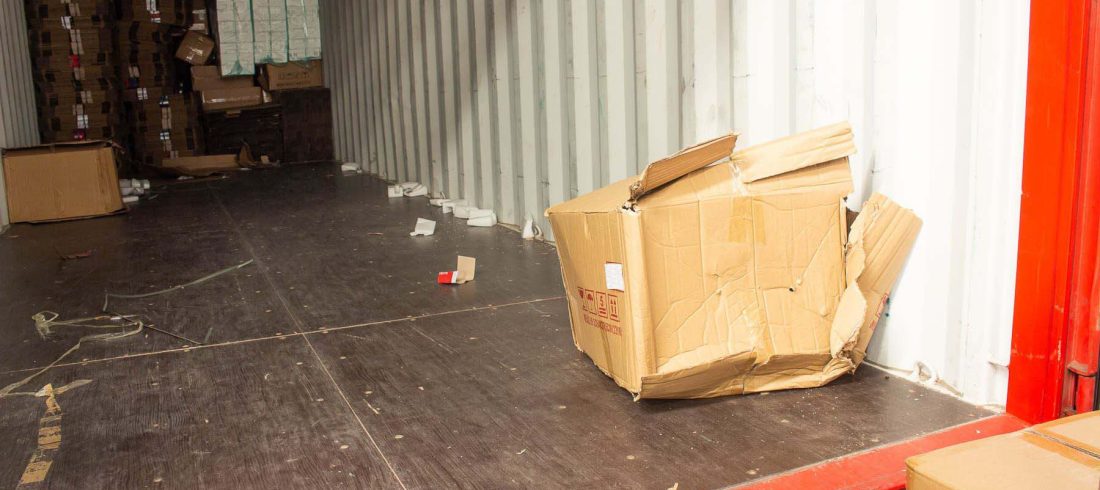
Cargo damage may manifest in several forms. Apparent damage, such as breakage, tearing, crushing, or visible deformation, is among the most common. Another category is concealed damage, which is not visible at the time of delivery and becomes apparent only after unpacking. Deterioration in quality, spoilage, or loss of usability also falls within the scope of compensable damage.
Total or partial loss of the shipment is considered one of the most severe forms of cargo damage. Identifying the exact type of damage is essential because each category requires a different method of proof and may directly affect the amount of compensation recoverable.
Liability of Transport Companies for Cargo Damage
Transport companies are obligated to deliver goods in the same condition in which they were received. Any damage occurring during transit is, as a general rule, attributed to the carrier’s responsibility. This obligation includes selecting appropriate transport equipment, ensuring proper loading, maintaining suitable storage conditions, and delivering the goods within the agreed timeframe.
If the carrier cannot demonstrate that the damage resulted from circumstances beyond its control, it will be required to compensate for the loss. This presumption forms the legal foundation for pursuing compensation in cargo damage cases.

The Role of Packaging in Determining Liability
Packaging plays a significant role in assessing responsibility for cargo damage. If the goods were delivered to the carrier with proper and transport-appropriate packaging, liability for damage typically rests fully with the carrier. However, where packaging is inadequate or defective, part of the responsibility may shift to the shipper.
For this reason, documenting the condition of packaging in transport documents is crucial. Recording the apparent condition of packages at the time of handover serves as a key evidentiary tool in any subsequent claim.
Importance of Transport Documents in Proving Damage
Transport documents such as the bill of lading, delivery receipt, and delivery reports are central to establishing liability. These documents reflect the condition of the goods at the time of receipt and at delivery. Any remarks, qualifications, or reservations noted in the documents may significantly influence the outcome of a dispute.
If the consignee fails to record visible damage at the time of delivery, proving it later becomes considerably more difficult. Careful review and accurate documentation at delivery are therefore essential to preserving the cargo owner’s rights.

Proper Notification of Damage to the Carrier
Damage must be reported formally and within the applicable time limits. In cases of visible damage, notification should be made immediately upon delivery. For concealed damage, notice should be given as soon as the damage is discovered.
Claims are generally submitted in writing and supported by relevant documentation. Failure to provide timely notice may result in loss of the right to claim or significantly weaken the cargo owner’s position. Observing notification deadlines is, therefore, a critical component of a successful claim.
Documenting Cargo Damage
Comprehensive documentation is one of the most important aspects of pursuing compensation. Evidence may include photographs, video recordings, expert inspection reports, delivery protocols, and correspondence with the carrier.
Accurate recording of the extent of damage and the condition of the goods strengthens the evidentiary basis of the claim. The more thorough and organized the documentation, the greater the likelihood that the carrier or adjudicating authority will accept the claim. Proper documentation often shortens the recovery process and reduces associated costs.

The Role of Insurance in Cargo Damage Claims
In many cases, shipments are covered by cargo insurance. Insurance can compensate a substantial portion of the financial loss and alleviate the immediate economic burden on the cargo owner. However, invoking insurance coverage does not preclude pursuing the carrier’s liability.
In certain circumstances, after indemnifying the insured party, the insurer may exercise a right of recourse against the carrier. Understanding the insurance policy terms and coverage limits is essential for making informed decisions during the recovery process.
Resolving Cargo Damage Claims Through Negotiation
Many cargo damage disputes can be resolved through negotiation with the transport company. Presenting complete documentation and a clear legal position may encourage the carrier to accept responsibility and settle the claim.
Negotiation is often faster and less costly than formal litigation. Nevertheless, if the carrier fails to cooperate or denies liability without justification, more formal legal avenues may need to be pursued.

Filing a Legal Claim for Compensation
If negotiations do not produce a satisfactory outcome, the cargo owner may initiate formal legal proceedings before the competent authority. At this stage, submitting transport documents, evidence of damage, and proof of communication with the carrier becomes essential.
The adjudicating body will examine the evidence and determine the extent of liability and the amount of compensation payable. Legal proceedings require careful preparation, procedural compliance, and a well-supported evidentiary record, and they may be time-consuming.
The Importance of Expert Assessment in Quantifying Damage
Expert evaluation plays a critical role in determining the actual extent of the damage. An independent expert opinion may form the basis for judicial determination or facilitate settlement between the parties.
A precise and objective assessment reduces disputes over the amount of compensation and enhances the credibility of the claim. Selecting a qualified and impartial expert strengthens the overall recovery process.
Legal Awareness as a Key to Successful Recovery
Understanding rights and obligations in transportation law is fundamental to successfully pursuing compensation for damaged goods. Cargo owners who are aware of liability principles, deadlines, and procedural requirements are better positioned to protect their interests.
Lack of legal awareness may result in forfeiture of valid claims. Pursuing compensation for damaged cargo is therefore not merely an operational issue, but a matter requiring careful legal analysis and strategic action.
Frequently Asked Questions About Pursuing Compensation for Damaged Goods in Transportation
In principle, the carrier is presumed liable for damage occurring during transit unless it proves that the damage resulted from exempted causes under the contract or applicable law.
Concealed damage should be reported in writing to the carrier immediately upon discovery and within the contractual or statutory time limits.
Possibly, but inadequate packaging may reduce or eliminate the carrier’s liability depending on the circumstances and the evidence available.
No. Insurance provides financial protection, but the carrier’s liability may still be pursued separately, and the insurer may seek recourse after payment.
Comprehensive documentation establishes the condition of the goods, the extent of the damage, and the causal link to the transport process, all of which are essential for a successful claim. Is the carrier automatically liable for any cargo damage?
What should be done if damage is discovered after delivery?
Can compensation be claimed if the packaging was inadequate?
Does insurance eliminate the need to file a claim against the carrier?
Why is documentation so important?