
What legal action should be taken after a cargo hijacking?
Cargo hijacking is a critical incident that can cause immediate financial loss while also triggering complex legal consequences. Whether the incident occurred within one country or along an international route, the mode of transport involved, and the presence or absence of insurance will all shape the legal path forward. One rule, however, applies in every case: prompt action and accurate documentation are essential to recovering the shipment or securing compensation.
Below is a step-by-step guide to the actions that should be taken immediately, the documents that must be collected, how to deal with criminal authorities and insurers, and what civil and international legal options may be available.
Protecting People and Halting Further Activity After Cargo Hijacking
The first responsibility of the employer or cargo representative is to protect human life and safety. If the hijacking involved violence or physical confrontation, local emergency services and law enforcement should be contacted immediately. Until the scene is confirmed safe, no one should enter the area or interfere with any evidence. Doing so may destroy key evidence and weaken a future criminal case.
The next step is to notify all relevant parties, including:
- Local police or law enforcement authorities.
- The shipping company or carrier.
- The cargo owner or its legal representative.
- Cargo insurers and liability insurers.
- The freight forwarder or any transport agent involved in the chain.
- The consulate or embassy, if the incident occurred outside the country of origin.
- Senior management, to facilitate internal decision-making.
Notification should be both immediate and in writing. A phone call may be necessary for urgent warning. Still, it should always be followed by a written notice stating the time, place, a brief description of the incident, and a request to formally record the cargo theft or hijacking from a legal standpoint.
Collecting and Preserving Evidence After Cargo Hijacking
The following documents are critical in any legal follow-up:
- The bill of lading and copies of it.
- The sales invoice and the declared value of the cargo.
- The packing list and seal numbers.
- Vehicle and driver identification details.
- Transport, forwarding, and warehousing contracts.
- Insurance documents and policy number.
- Any photographs, videos, or CCTV footage from the time of loading until the loss was discovered.
- GPS tracking logs, tag data, and reports from the tracking operator.
- Correspondence with the carrier, forwarder, and warehouse.
- The official police report or complaint receipt.
All of these materials should be preserved in a way that maintains the chain of custody. In other words, it should be clearly recorded when each document or electronic file was collected, stored, transferred, or reviewed, and by whom.
How to File a Formal Complaint After Cargo Hijacking
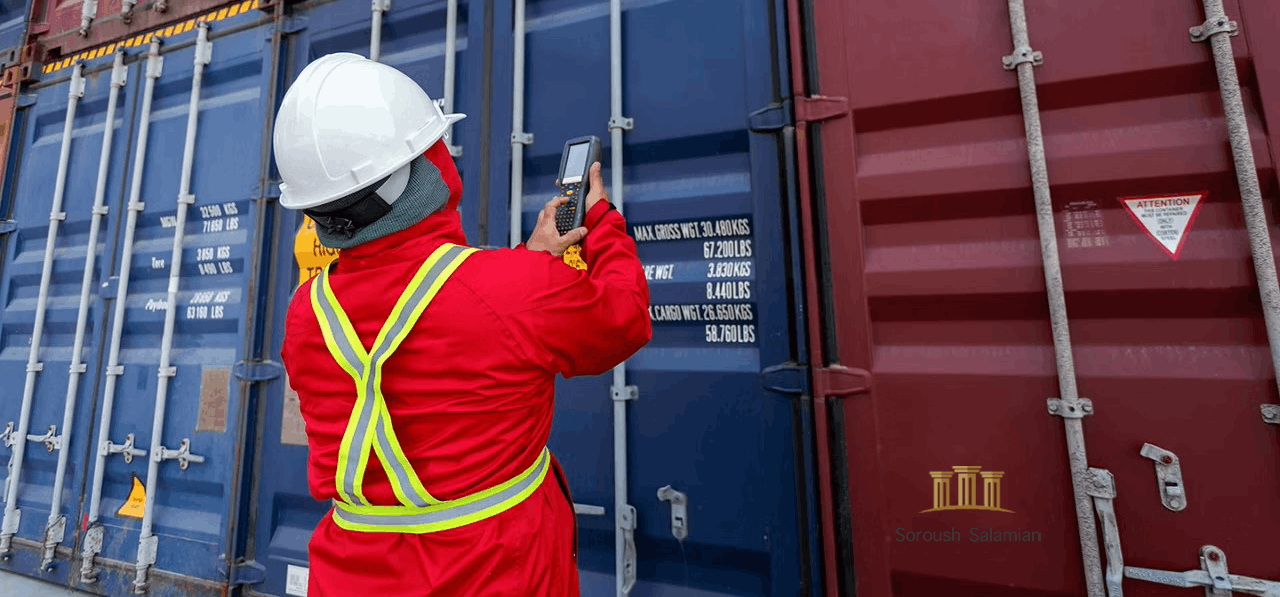
In all cargo hijacking cases, the first legal step is to file a criminal report with the local police. The complaint should include the date and time the loss was discovered, the last confirmed location of the cargo, the bill of lading number, a description of the goods, the approximate value of the shipment, and any available technical or visual evidence.
If smuggling or organized criminal activity is suspected, the matter should also be reported to the relevant anti-theft or organized crime unit.
In international cases where cargo was stolen in transit, the incident may also need to be reported to port and customs authorities and, where appropriate, to Interpol. At that stage, it may be possible, through the competent authorities, to request an international alert to search for the shipment or the individuals involved. Coordination with the consulate or embassy of the country of origin can also be highly useful in cross-border cases.
How to Notify the Insurer and Submit a Cargo Loss Claim
The insurer should be notified immediately, and the claim should be submitted formally without delay. Insurance policies typically impose strict deadlines for initial notice and for submitting supporting documents. Failure to comply with these deadlines may result in the claim being denied.
The initial notice to the insurer should include basic information, such as the policy number, a summary of the incident, the estimated loss amount, and a list of attached documents.
The insurer will usually appoint a surveyor or loss adjuster to inspect the scene and review the documents. Full and prompt cooperation with the insurer’s expert is crucial. This includes avoiding any change to packaging, records, or physical evidence without prior coordination. It should also be kept in mind that once compensation is paid, the insurer may exercise a right of recourse against the responsible carrier or wrongdoer. For that reason, preserving evidence and coordinating legal strategy at this stage is essential.
Practical Measures to Recover the Shipment After Cargo Hijacking
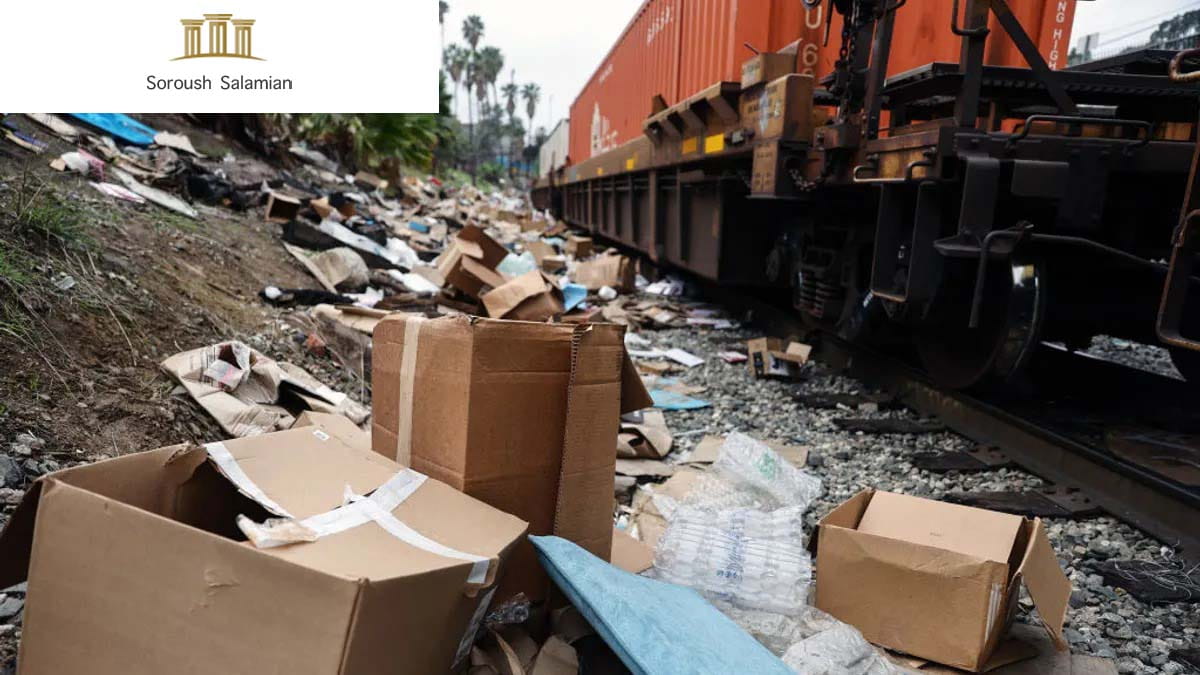
In some cases, rapid notification to ports, terminals, and transit points can prevent the cargo from leaving the transport network. It may also be possible to request that carriers and border authorities search for or temporarily detain the shipment.
However, direct attempts to recover the cargo through private individuals or armed teams may create criminal liability or pose serious safety risks. Such action is generally not advisable unless it is carried out under official supervision and with proper legal guidance.
If tracking data is available, the forwarder or carrier should immediately request that the vehicle’s movement be stopped or request that border authorities inspect it. International cargo-tracing institutions and transport intelligence networks may also be used to help locate the shipment.
Compensation Claims and Legal Remedies After Cargo Hijacking
Alongside the criminal prosecution of the perpetrators and other legal responses to cargo theft in transit, the cargo owner may also bring a civil claim for damages. Civil claims are usually based on the transport contract or the underlying sales contract.
The damages claimed may include:
- The direct value of the lost goods.
- Replacement costs.
- Consequential losses, such as loss of customers or contracts.
- Legal fees and related expenses.
To bring a civil claim successfully, the claimant should generally provide evidence of delivery of the goods to the carrier, insurance documents, the police report, an expert assessment of the loss, and proof of negligence or fault by the opposing party.
Many contracts also contain notice periods and dispute resolution clauses. Ignoring these deadlines may render a legal claim inadmissible.
Where sufficient evidence exists, it may be possible to request interim relief from the court, such as attachment of the defendants’ assets or even seizure of substitute cargo. In some legal systems, temporary injunctions may also be obtained to freeze payments or prevent the defendant from transferring funds to secure enforcement of a future judgment. These measures must be pursued quickly and with strong supporting evidence, as the window for obtaining emergency relief is often limited.

International Cooperation and Legal Action After Cargo Hijacking
If the hijacking occurred during international transit, intergovernmental correspondence and cross-border legal cooperation may be required. Interpol and international intelligence networks can play an important role in identifying offenders and tracing the shipment. In addition, certain conventions and international bodies establish rules for cooperation in maritime and transit-related cases, enabling local authorities across jurisdictions to coordinate more effectively.
Special Considerations for Sea, Air, and Road Transport
Each mode of transport has its own legal framework. In maritime transport, the bill of lading and international shipping conventions often play a decisive role. In air transport, international aviation rules and the air waybill are central. In road transport, the transport document and the domestic law of the route are especially important.
In all of these cases, it is essential to assess the competent forum, the applicable notice periods, and the rules governing carrier liability.

Fake Documents and Fraudulent Delivery Claims
In some cases, cargo hijacking is accompanied by the use of forged documents or delivery to a false consignee. In such situations, the delivery documents should be reviewed immediately, and any forgery should be reported without delay to banks, insurers, and judicial authorities. Documentary fraud can escalate quickly and often requires coordinated international legal action.
The Role of Legal Counsel
Practical action should always be taken in parallel with legal action. A legal team experienced in transport law and international disputes should be involved as early as possible. Legal counsel can assist with:
- Drafting and sending formal notices.
- Preserving and strengthening evidence.
- Filing criminal and civil claims.
- Requesting interim measures or protective orders.
- Coordinating with international authorities.
Early legal involvement significantly improves the chances of protecting your rights, recovering the cargo, or obtaining proper compensation.
How Are Damages Calculated After Cargo Hijacking?
The calculation of damages should take into account the contractual value of the goods, replacement costs, additional shipping expenses, and any consequential losses. A financial or valuation expert should assess the market value at the time of the loss, import costs, tariffs, and all provable losses.
A detailed expert report is often essential for substantiating the amount claimed, whether in insurance proceedings or civil litigation.
Preventive Measures Against Cargo Hijacking
Preventive action may include:
- Using standard security seals and tracking tags.
- Implementing driver and contractor identity verification programs.
- Working only with reputable carriers.
- Obtaining comprehensive insurance with theft and hijacking coverage.
- Installing active tracking systems.
- Training staff at both the origin and the destination to report suspicious activity.
Contracts should also include clear security clauses, reporting obligations, and standards applicable to subcontractors.

Immediate Action Checklist After Discovering Cargo Hijacking
- Protect people and secure the scene.
- Contact the police immediately and file a complaint.
- Notify the insurer formally.
- Inform the carrier, forwarder, and cargo owner.
- Collect documents and visual evidence.
- Preserve tracking logs and request data from GPS operators.
- Contact specialist legal counsel.
- Send formal notices to contractual stakeholders.
- Request action from the border and port authorities.
- Pursue seizure orders or interim relief through the courts.
Cargo hijacking is a complex event that requires rapid action, close coordination between operational and legal teams, and careful preservation of evidence. Criminal, civil, and insurance routes should often be pursued in parallel to maximize the likelihood of recovering the cargo or obtaining adequate compensation.
Above all, personal safety must come first. Then the evidence must be preserved, and all formal notifications must be made within the applicable legal time limits. Working with specialist legal counsel, coordinating closely with insurers, and using technical tracking tools are the three key pillars of successful crisis management in these cases.
Frequently Asked Questions About Legal Action After Cargo Hijacking
The first step is to protect people and halt any further activity. If violence is involved, the police and emergency services should be contacted immediately. Relevant parties should then be notified, and written notices should be sent to formally record the incident. The evidence is preserved.
Key documents include the bill of lading, invoice, packing list, vehicle and driver details, contracts, insurance documents, CCTV footage, GPS logs, and correspondence with relevant stakeholders. Preserving the chain of custody is essential.
A formal complaint should be filed with the local police and should include the date, place, bill of lading number, description of the cargo, and any available evidence. In international cases, it may also be necessary to notify Interpol, the consulate, and customs authorities.
The insurer should be notified immediately, and the claim should be submitted formally. The initial report should include the policy number, a description of the incident, the estimated loss, and supporting documents. Full cooperation with the insurer's appointed surveyor is also essential.
Prompt notification to carriers, ports, terminals, and border authorities, combined with GPS tracking, transport intelligence networks, and coordination with the forwarder and official authorities, may assist in locating the shipment. Direct recovery attempts without legal authority are generally not recommended.
Damages may include the contractual value of the goods, replacement costs, additional transport expenses, and consequential losses such as lost customers or contracts. A financial expert should prepare a detailed report to support an insurance claim or civil action.
Specialist legal counsel can help prepare criminal and civil claims, send formal notices, preserve evidence, and seek seizure orders or interim relief. Early legal advice increases the likelihood of recovering the cargo or obtaining compensation.
Preventive measures include using security seals and tracking tags, verifying drivers and contractors, choosing reputable carriers, securing comprehensive theft coverage, installing active tracking systems, and training staff. Contracts should also contain clear security and reporting requirements.
The checklist should include protecting people and the scene, contacting the police, notifying the insurer, informing the carrier and cargo owner, collecting documents, preserving tracking data, contacting legal counsel, sending formal notices, and requesting action from border authorities and the court.
In domestic cases, the matter is usually handled mainly through local police and insurance channels. In international cases, it may require cooperation with Interpol, embassies or consulates, port and customs authorities, and compliance with international conventions.
If cargo hijacking is linked to forged documents, the documents should be reviewed immediately, and the forgery should be reported to banks, insurers, and judicial authorities. Documentary fraud often requires urgent and coordinated international legal action. What are the immediate steps to take after cargo hijacking, and why are they important?
What documents should be collected immediately after cargo hijacking?
How should a formal complaint be filed after cargo hijacking?
How should a cargo loss claim be reported to the insurer after hijacking?
What practical steps can be taken to recover hijacked cargo?
How can damages arising from cargo hijacking be calculated?
What is the role of legal counsel in cargo hijacking cases?
What preventive measures can reduce the risk of cargo hijacking?
What should be included in an immediate response checklist after cargo hijacking is discovered?
What is the difference between domestic and international cargo hijacking cases?
What is the significance of forged documents or delivery to a false consignee in cargo hijacking cases?





If the hijacked truck is later found empty, can the carrier still argue that the loss was outside its control?
Potentially. Finding the vehicle does not by itself determine liability. The carrier’s security measures, route planning, parking decisions, tracking procedures, and response to the incident would all be relevant when assessing whether the loss could reasonably have been prevented.
What if the GPS device suddenly stopped transmitting right before the hijacking?
That can become an important evidentiary issue. Investigators may need to determine whether the device failed technically, was disabled, or lost signal for another reason. Tracking logs, telematics records, driver communications, and expert analysis can help clarify what happened.
Can the cargo owner claim against the forwarder if the actual hijacking happened while a subcontractor had the goods?
Possibly. The answer depends on the forwarder’s contractual role and whether it assumed responsibility for the entire transport chain. The subcontractor’s conduct may also create a separate claim, so the forwarding and carriage contracts should be reviewed together.
What if the insurer says we notified them too late even though we called them the same day?
A phone call may not satisfy every policy requirement. Many policies require formal written notice within a specific period and may also require supporting documents. Proof of the call can still help, but the policy’s exact notification clause should be checked carefully.
If the hijacking was clearly an inside job, can the employer be liable for the employee involved?
Potentially. The employee’s criminal responsibility is separate, but the employer’s civil exposure may depend on supervision, access controls, internal procedures, and whether negligence within the organization contributed to the loss. The exact employment and operational facts would matter.
Can stolen cargo be frozen by a court if it shows up at another warehouse before the criminal case is finished?
Potentially. Interim measures may be available to preserve or seize identifiable cargo while the underlying dispute or criminal investigation continues. The request generally needs to be made quickly and supported by evidence linking the goods to the hijacked shipment.
What if the thieves used a fake consignee document instead of physically attacking the driver?
That can still create a serious cargo theft and fraud case. False delivery documents may shift the investigation toward forgery, fraudulent delivery, and failures in identity verification. Banks, insurers, carriers, and judicial authorities may all need to be notified depending on how the documents were used.
If part of the cargo is recovered but the rest is missing, how is the insurance claim calculated?
The claim would usually focus on the remaining proven loss, together with any additional recoverable expenses or damage to the recovered goods. The insurer may require valuation evidence, recovery records, inspection reports, and proof of the original shipment value.
Can the carrier blame the driver personally and avoid responsibility to the cargo owner?
Not automatically. The carrier may have internal claims against the driver, but its contractual responsibility to the cargo owner is a separate issue. The transport agreement, the driver’s role, and whether the carrier fulfilled its own security and supervision duties would need to be examined.
If the hijacking happened in another country, can we still start a civil claim in Iran?
Possibly, but jurisdiction would depend on factors such as the transport contract, governing law, place of performance, defendant’s location, and any arbitration or jurisdiction clause. International cargo hijacking cases can involve several legal systems, so forum selection should be reviewed before filing.