What Are the Consequences and Legal Implications of a Ship Running Aground?
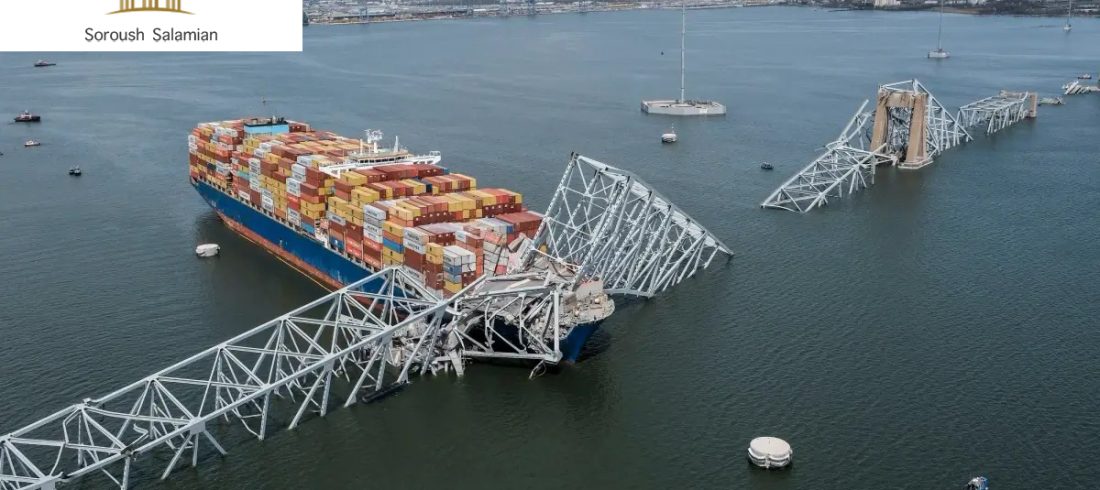
A ship runs aground when its hull or other parts of the vessel contact the seabed, shoreline, rocks, or shallow waters, preventing the vessel from continuing its voyage under normal operating conditions. Such an incident may result from navigational errors, equipment failures, inaccurate information concerning water depth, adverse weather conditions, malfunctions in navigational systems, or other contributing factors. The severity of grounding incidents may vary considerably. In some cases, a vessel can be refloated following changes in water levels or with the assistance of tugboats. In contrast, in other cases, substantial damage may occur to the hull, cargo, or onboard equipment.
From a legal perspective, ship grounding may raise issues of civil liability, salvage and towage expenses, cargo damage, marine pollution, delays in cargo delivery, and disputes among shipowners, operators, charterers, cargo owners, and insurers. In certain circumstances, maritime authorities may also intervene to investigate safety concerns, prevent pollution, or eliminate hazards to other vessels.
The legal consequences of such an incident depend on its location, underlying causes, extent of damage, relevant contractual arrangements, coastal State regulations, and applicable international instruments. Accordingly, assessing each case must begin with an examination of the technical circumstances of the incident, the precise location of the grounding, and the legal relationships among the parties involved. A grounding incident alone is insufficient to establish an individual’s liability. The cause of the incident and each party’s obligations must also be carefully examined.
Liability of the Shipowner and Master in Vessel Grounding Incidents
After a ship grounding, a primary legal question is the potential liability of the shipowner and master. The shipowner or vessel operator generally has obligations concerning the vessel’s seaworthiness, equipment maintenance, employment of qualified crew members, and compliance with applicable safety requirements. The master also plays a significant role in navigating the vessel, selecting appropriate routes, monitoring weather conditions, using navigational information, and managing emergencies.
If an investigation establishes that the incident resulted from negligence, improper decision-making, preventable equipment defects, or failure to comply with safety requirements, legal liability may be attributed to one or more parties. For example, selecting an unsuitable navigational route despite reliable warnings may be relevant when assessing the master’s conduct. Similarly, if a vessel’s technical malfunction resulted from inadequate maintenance, the shipowner’s or operating company’s responsibilities must be examined.
Nevertheless, liability does not automatically rest with the master or shipowner. Factors such as inaccuracies in nautical charts, defective navigational aids, improper instructions, emergency circumstances, or exceptional weather conditions may influence the legal assessment of the incident. In such cases, technical reports, data recorded by navigational systems, the ship’s logbook, crew testimony, and maritime experts’ opinions may be essential to determining the cause of the grounding and each party’s Responsibility.
Civil Liability and Compensation for Damage Resulting from Ship Grounding
A ship grounding incident may cause various forms of financial loss. Potential consequences include hull damage, repair expenses, cargo damage, costs of transferring cargo to another vessel, interrupted port operations, and delivery delays. Where the incident also causes injury to individuals or damage to third-party property, the scope of compensable losses may become more extensive.
To pursue a compensation claim, you generally must establish the nature of the loss, identify the party or parties whose actions contributed to the incident, and demonstrate the causal link between their conduct and the resulting damage. Liability may arise under applicable law, a contract of carriage, a charterparty agreement, or other relevant contractual arrangements. In certain legal systems, establishing fault is a central requirement. Specific maritime liability regimes may also prescribe special rules governing liability or its limitation.
The claimed compensation must be supported by reliable documentation. Repair invoices, cargo survey reports, storage expenses, shipping documents, records of operational interruptions, and documents concerning salvage expenses may all be relevant to calculating the recoverable losses. It is also necessary to determine whether the applicable contract or law establishes limitations of liability, deadlines for initiating legal proceedings, or specific notification requirements for damage claims.
Importantly, a grounding incident does not automatically entitle a claimant to recover every alleged expense. The causal connection between each expense and the incident, its foreseeability, and the legal or contractual basis for recovery must be assessed separately.
Effects of Ship Grounding on Contracts of Carriage and Cargo Owners’ Rights
A ship grounding incident may significantly disrupt the performance of a contract of carriage by sea. If the vessel cannot reach its destination port within the scheduled period, the cargo owner may experience delayed delivery, increased storage expenses, lost commercial opportunities, or damage to the goods. Where cargo is damaged during the incident or must be discharged to facilitate the vessel’s refloating, contractual disputes may become increasingly complex.
Determining the cargo owner’s rights requires examining the contract of carriage, bill of lading, provisions on delays, the carrier’s obligations, and applicable legal regulations. Under certain circumstances, the carrier may be liable for the resulting damage. In other situations, circumstances beyond the carrier’s control, valid contractual exceptions, or specific legal provisions may affect the outcome. The validity of any contractual provision depends on the governing law and the particular circumstances of the case.
After becoming aware of the grounding, the cargo owner should monitor the shipment’s condition through the carrier or its representative and preserve all documentation related to potential losses. If damage is identified, documenting the cargo’s condition, obtaining an expert survey report, and submitting timely notice of the damage are essential. Depending on the circumstances, the cargo insurer may also need notice.
You must also distinguish between direct physical damage to cargo and financial losses resulting from delayed delivery. The recoverability of each category depends on the applicable contractual provisions and governing law. A careful examination of the bill of lading and conditions of carriage is the first step toward determining liability and selecting an appropriate procedure for pursuing compensation.
Salvage, Towage, and Vessel Refloating Expenses
Following a ship grounding, refloating the vessel may require tugboats, specialized equipment, partial discharge of cargo, fuel transfer, or salvage operations. The costs associated with these measures can be substantial, and disputes concerning their payment constitute an important aspect of maritime law.
It is necessary to distinguish between ordinary technical assistance, contractual towage services, and maritime salvage operations. Each type of service may involve different payment conditions and legal principles. In salvage operations, the nature of the services provided, the degree of danger, the value of the property saved, the efforts undertaken, and the outcome of the operation may influence the determination of a salvage award.
The International Convention on Salvage, 1989, establishes a framework for salvage awards and, under specified circumstances, special compensation associated with preventing or minimizing environmental damage. The application of these provisions in any particular case depends on whether the Convention applies and on the governing law.
To minimize disputes, properly document all instructions issued, services performed, working hours, equipment used, operational expenses, and financial arrangements. In emergencies, salvage operations may begin without time for comprehensive contractual negotiations. Even under these circumstances, maintaining accurate records of the operations and any subsequent agreements remains essential.
Salvage expenses may involve multiple interests associated with the maritime incident. However, these expenses cannot be presumed to be allocated the same way in every case. To determine Responsibility, examine the salvage agreement, contract of carriage, insurance policy, and applicable legal regulations together.
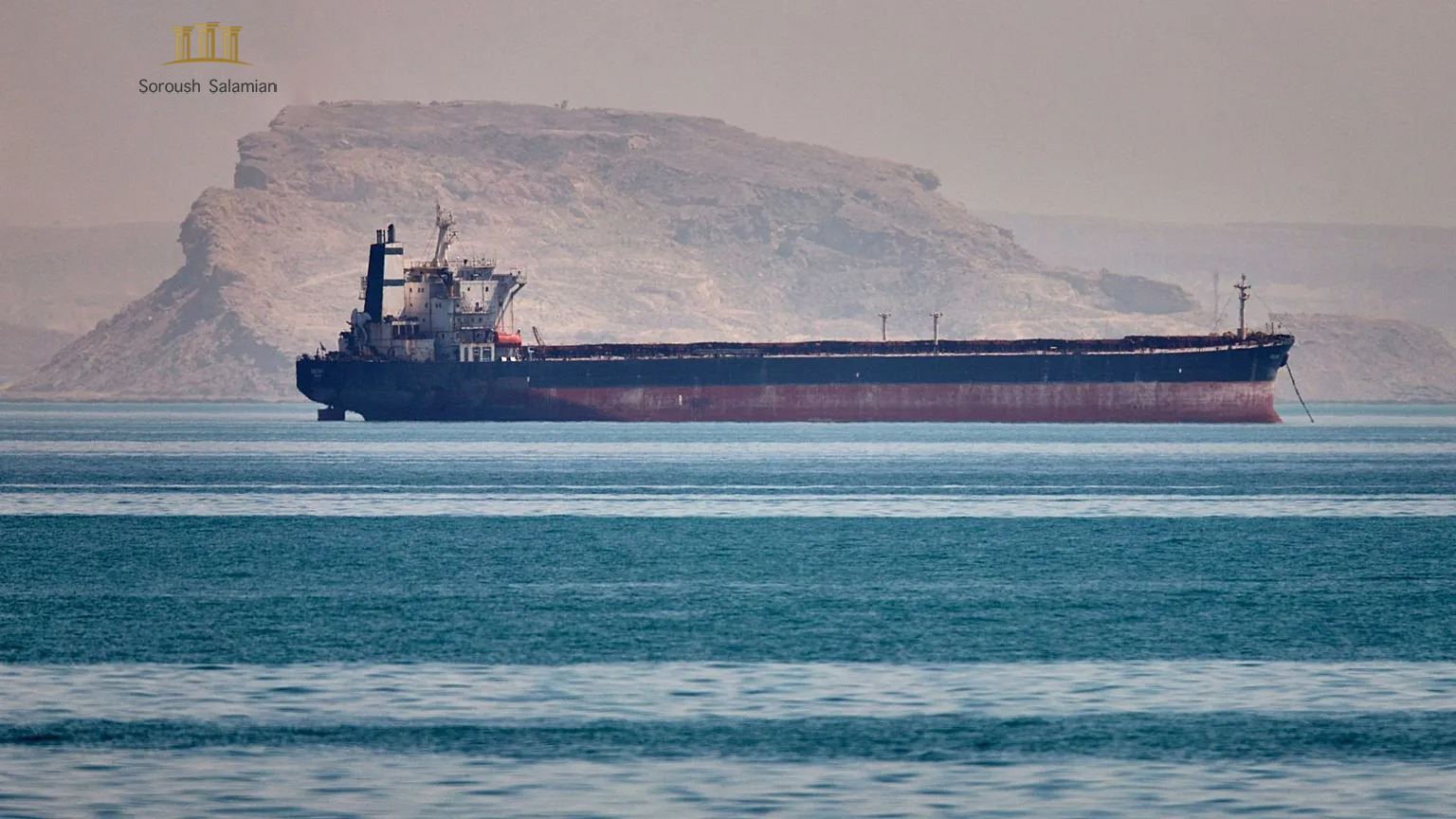
Liability for Marine Pollution Following a Ship Grounding
One of the most serious consequences of ship grounding is the potential discharge of fuel, oil, or hazardous substances into marine waters. If the vessel’s hull is damaged or its tanks are breached, the resulting pollution may harm coastal areas, fisheries, marine habitats, and economic activities in the surrounding region. Under such circumstances, legal concerns extend beyond losses sustained by the shipowner or cargo owner and may include liabilities associated with environmental protection.
The United Nations Convention on the Law of the Sea (UNCLOS) requires States to protect and preserve the marine environment and adopt necessary measures to prevent, reduce, and control pollution. Article 221 of the Convention also addresses measures relating to pollution arising from maritime casualties. However, coastal States’ authority and how they implement such measures depend on the incident’s location, the severity of the threat, applicable regulations, and relevant circumstances.
Where pollution occurs, legal consequences may include containment and cleanup expenses, compensation for affected parties, and administrative or judicial liability. Determining Responsibility requires examining the type of pollutant, the source of the discharge, the cause of the incident, the preventive measures undertaken, and the specific legal provisions applicable to the circumstances.
Certain international legal regimes also establish specialized liability and compensation systems for particular categories of pollution. Prompt action to contain a discharge, notification of competent authorities, and accurate documentation of implemented measures can help minimize environmental damage and clarify the responsibilities of the parties involved.
Authority of Maritime Authorities and Coastal States in Responding to Grounded Vessels
When a vessel runs aground along a maritime route, maritime authorities may intervene to maintain navigational safety, assess the vessel’s condition, prevent pollution, and reduce risks to other ships. The nature and extent of such intervention depend on the incident’s location and the applicable law. For example, a grounding within internal waters or the territorial sea may raise different jurisdictional considerations from a comparable incident occurring farther offshore.
Potential measures may include technical inspections, requests for information from the master, restrictions on vessel movement, establishing safety zones, coordinating salvage operations, or requiring preventive measures. If the grounded vessel threatens the marine environment or maritime traffic, competent authorities may take appropriate action under the law. The extent of their intervention and the conditions governing it must be assessed against domestic regulations and relevant international obligations.
UNCLOS establishes obligations for States to protect the marine environment and, under specified circumstances, provides for enforcing regulations relating to vessel-source pollution. In addition, specialized maritime conventions may establish supplementary provisions governing safety, salvage, pollution, or wreck removal.
When examining a particular case, it is necessary to determine the precise maritime zone where the incident occurred, the vessel’s flag State, and the regulations applicable in that location. Without this information, no definitive conclusion can be reached regarding the extent of the coastal State’s authority or the legality of a particular intervention.
The Role of Marine Insurance in Compensating Losses Resulting from Ship Grounding
Marine insurance plays a significant role in managing losses arising from ship grounding incidents. The type of insurance coverage determines which categories of loss may be insured and what conditions must be satisfied before compensation becomes payable. Hull and Machinery (H&M) insurance, shipowners’ liability insurance, and marine cargo insurance may cover different risks, and their respective scopes of Coverage should not be treated as identical.
For example, physical damage to the vessel’s hull may fall within hull insurance, while damage to cargo may be addressed through marine cargo insurance. Liability toward third parties may require separate Coverage or specific insurance arrangements. Coverage for salvage, towage, pollution cleanup, or wreck removal expenses also depends on the policy terms and applicable regulations.
Following an incident, timely notification to the insurer, preservation of relevant records, cooperation with appointed surveyors, and measures to prevent unnecessary increases in damage are particularly important. The master’s report, photographs of the incident site, navigational records, repair yard reports, cargo documentation, and invoices for salvage expenses may all be relevant to assessing an insurance claim.
Insurance does not guarantee full compensation for every loss. Policy exclusions, deductibles, coverage limits, compliance with the insured’s obligations, and the cause of the incident may influence the outcome of the claim. Accordingly, review insurance coverage and obligations before a voyage, and maintain a properly documented and organized claim file after any incident.
Wreck Removal and the Risks of Leaving a Grounded Vessel in a Maritime Route
If a vessel cannot be refloated or repaired following grounding, it may become a wreck or maritime obstruction that threatens navigational safety and the marine environment. Leaving a vessel within a shipping route may increase the risk of collisions, while the potential release of pollutants may cause further environmental damage. In such circumstances, wreck removal and determining Responsibility for the associated expenses become important legal considerations.
Liability for wreck removal depends on the incident’s location, the nature of the hazard, domestic regulations, and the applicability of relevant international instruments. The Nairobi International Convention on the Removal of Wrecks, 2007, establishes a framework for addressing hazardous wrecks within its scope and includes provisions on shipowner liability and financial security.
The Convention does not apply uniformly in all maritime areas or to all States. Consequently, the relevant State’s status under the Convention and the conditions governing its application must be examined.
Wreck removal operations may include risk assessments, examination of the hull’s structural condition, removal of hazardous substances, relocation or dismantling of sections of the vessel, and cleanup of the affected area. The appropriate method depends on water depth, structural conditions, weather, cargo characteristics, and environmental risks.
In disputes concerning wreck removal expenses, expert reports and directives issued by maritime authorities are particularly important. It is also necessary to determine which expenses were essential to eliminate the hazard and which measures were taken under lawful orders or agreements between the parties. Proper documentation throughout the operation helps determine liability and assess financial claims.
Legal Procedures and Required Documentation Following a Ship Grounding
Following a ship grounding, decisions made during the initial stages may significantly affect safety, the extent of damage, and subsequent legal proceedings. As an initial measure, the master and responsible personnel should assess the condition of the crew, vessel, and cargo, together with any potential pollution risks, in accordance with applicable safety requirements and regulations. Notification of maritime authorities and coordination of salvage operations should also be undertaken according to the circumstances of the incident.
From an evidentiary perspective, accurate documentation of the incident’s time and location, the vessel’s route, weather conditions, recorded water depths, navigational system data, instructions issued, and actions taken by the crew is essential.
If the vessel or cargo is damaged, preserve photographs, expert reports, repair invoices, shipping documents, and evidence of salvage expenses. Maintaining records of correspondence with the shipowner, operating company, carrier, cargo owner, and insurer may also help clarify subsequent disputes.
The next stage involves reviewing relevant contractual arrangements, including the contract of carriage, charterparty agreement, salvage contract, and insurance policies. Determining the governing law, competent dispute resolution forum, deadlines for notifying damage, and applicable limitation periods is equally important.
In international cases, several legal systems or maritime instruments may apply, and understanding how they interact may require specialized legal analysis.
The appropriate course of legal action depends on the nature of the incident. In certain cases, negotiation and settlement with the insurer or contractual counterparty may be sufficient, while others may require judicial proceedings or arbitration. Prompt action, preserving evidence, and consulting a maritime law specialist can help prevent impairment or loss of the legal rights of the parties involved.
Frequently Asked Questions About the Legal Consequences of Ship Grounding Along Maritime Routes
Ship grounding refers to a situation in which a vessel comes into contact with the seabed, shoreline, or shallow waters, disrupting its normal movement. Such an incident may give rise to civil liability, salvage expenses, cargo damage, and environmental liabilities.
Liability depends on the cause of the incident, the roles of the parties involved, contractual arrangements, and the applicable law. The shipowner, operator, master, or other parties may be held liable depending on the evidence and their respective obligations.
The right to claim compensation for delayed delivery depends on the contract of carriage, bill of lading, applicable law, and circumstances of the incident. The cargo owner must preserve documentation of the damage and associated expenses and comply with the applicable notification deadlines.
Responsibility for payment depends on the towage or salvage agreement, circumstances of the operation, insurance policy, and applicable regulations. It cannot be assumed that a single party is responsible for all expenses in every case.
The incident may give rise to pollution containment and cleanup expenses, compensation claims by affected parties, and administrative or judicial liability. The type of pollutant, cause of the discharge, and applicable legal regime are important factors in determining liability.
Coverage depends on the type of insurance policy, its terms, exclusions, coverage limits, and the cause of the incident. Hull insurance, cargo insurance, and liability insurance may cover different categories of damage.
The master's report, navigational records, weather data, photographs, expert reports, shipping documents, repair invoices, and records of salvage expenses are among the important documents. Correspondence with the insurer and contractual parties should also be preserved.
Measures taken by coastal authorities depend on the location of the incident, the risks posed to safety or the environment, and applicable laws. Assessing the legality of such measures requires identifying the relevant maritime zone and the legal basis for the intervention.
Responsibility for wreck removal depends on the applicable regulations, location of the incident, nature of the hazard, and applicability of relevant international conventions. Contractual arrangements and insurance coverage must also be examined.
The initial assessment should establish the location and cause of the incident, the condition of the vessel and cargo, the parties involved, and the available technical evidence. Then examine relevant contracts, insurance policies, governing law, and statutory deadlines. In international cases, consultation with a maritime law specialist is particularly important. What does ship grounding mean from a legal perspective?
Who is responsible when a ship runs aground?
Can a cargo owner claim compensation for delayed delivery?
Who is responsible for the costs of refloating and towing a grounded vessel?
What happens if a grounded ship causes marine pollution?
Does marine insurance cover damage resulting from ship grounding?
What documents are required for legal proceedings following a ship grounding?
Can a coastal State detain or restrict a grounded vessel?
Who pays for wreck removal if the vessel cannot be repaired?
Where should the legal assessment of a ship grounding case begin?