
What Is the Legal Liability of a Shipowner for Oil Pollution?
Oil pollution is one of the most significant environmental risks associated with maritime transportation and may cause extensive damage to coastal waters, shorelines, fisheries, marine life, and economic activities. In such circumstances, determining the shipowner’s legal liability is particularly important, as the owner may face substantial claims and financial obligations arising from oil leakage or discharge.
A shipowner’s liability is generally determined by the domestic laws of the country where the incident occurs, the laws of the ship’s flag state, and, in certain cases, applicable international conventions. The type of oil involved, the source of the pollution, the location of the incident, the type of vessel, and the extent of the damage may also affect the legal framework governing the case.
Under legal regimes governing marine pollution, a shipowner may face specific liability for pollution-related damage. At the same time, rules on limitation of liability, insurance, and financial security for compensation may also apply. Accordingly, assessing a shipowner’s liability in an oil pollution case requires considering national and international regulations, as well as the incident’s specific circumstances.
What Factors May Give Rise to the Legal Liability of a Shipowner for Oil Pollution?
Oil may be discharged from a vessel under various circumstances. Collisions, contact between vessels, grounding, technical defects, damage to fuel or cargo tanks, loading and unloading operations, and certain operational activities may all result in pollution. In assessing legal liability, it is first necessary to determine the source of the pollution and its connection to the vessel and its operations. The nature and extent of the resulting damage, as well as the causal relationship between the incident and the damage, must then be examined.
The vessel type is also relevant. Rules applicable to oil carried as cargo may differ from those governing oil used as bunker fuel. The incident location may also determine which laws and regulations apply. Under certain legal systems, liability may arise even without proof of the shipowner’s personal fault, while statutory exemptions and limitations of liability may also apply. Therefore, examining the owner’s personal conduct alone is not sufficient to determine liability. The legal framework governing the incident must also be identified.
Shipowner Liability Under International Conventions
Oil pollution at sea often has cross-border consequences, so international regulations play an important role in determining liability. A principal legal framework in this area is the International Convention on Civil Liability for Oil Pollution Damage, commonly referred to as the CLC. This framework regulates shipowners’ liability for pollution damage caused by certain oil tankers and provides mechanisms for compulsory insurance and liability limitation.
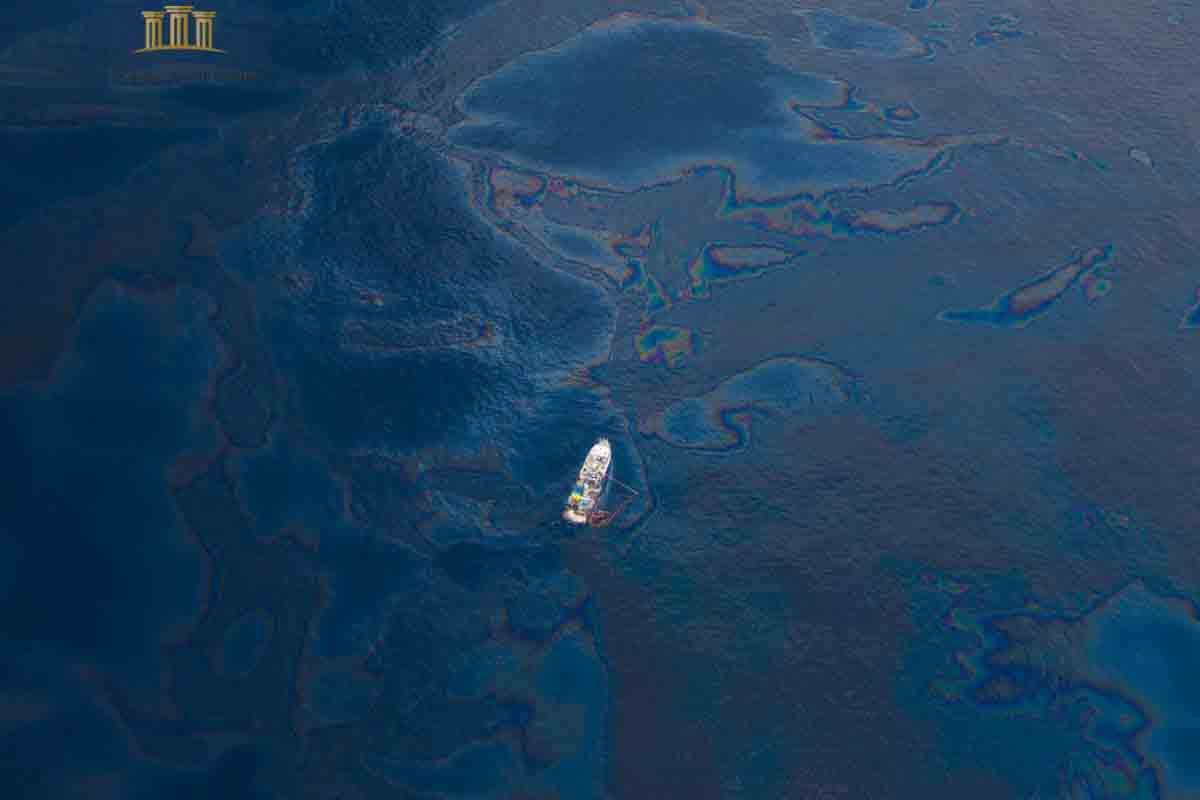
In addition to the CLC, the International Oil Pollution Compensation Funds, commonly known as the IOPC Funds, may be relevant in applicable cases where compensation exceeds the shipowner’s liability limit. However, not every oil pollution incident necessarily falls within a single convention. The type of oil, type of vessel, country where the incident occurs, the relevant states’ participation in international conventions, and other circumstances of the case must all be considered. For this reason, determining the applicable law is one of the first legal issues in international oil pollution cases.
Civil Liability of a Shipowner for Oil Pollution Damage
Civil liability concerns the obligation to compensate individuals or entities that have suffered loss as a result of oil pollution. Such losses may take various forms. Relevant compensation regimes may cover damage to shorelines, losses affecting fishing and aquaculture activities, reduced income from tourism-related businesses, pollution cleanup costs, and certain expenses associated with preventive measures.
To pursue a compensation claim, you generally need to establish the nature of the loss, its amount, and its connection to the incident. Documentation relating to cleanup operations, expert reports, financial records, and official incident reports may be important in proving the loss. The scope of recoverable damages depends on the applicable law and the regulations governing the incident. Accordingly, you cannot assume all economic or environmental losses are recoverable without first determining the governing legal framework.
Limitation of a Shipowner’s Liability for Oil Pollution
One important principle of maritime law is the possibility of limiting a shipowner’s liability. Certain legal systems and international conventions establish specific limits on the amount for which a shipowner may be liable. These mechanisms aim to balance protecting parties who have suffered loss with providing a predictable legal and insurance framework for maritime operations. Under some regimes, the applicable liability limit is calculated based on the vessel’s size or tonnage.
However, the right to limit liability is subject to specific legal conditions. Where the conduct of the shipowner or another responsible party reaches a particular level of fault or involves intentional conduct, the right to rely on limitation of liability may be lost. Furthermore, a liability limit does not eliminate the shipowner’s financial obligations. Insurance, compensation funds, and other legal mechanisms may provide additional financial resources for compensating affected parties.
The Role of Insurance in Compensating Oil Pollution Damage
Insurance is an important mechanism for managing the financial consequences of oil pollution. Cleanup expenses and compensation claims can be substantial, and payment from the shipowner’s own financial resources may not always be feasible. Under certain international legal frameworks, vessels subject to the relevant regulations must maintain insurance or other financial security covering oil pollution liability. This mechanism may help affected parties access financial resources where the applicable legal requirements are satisfied.
The insurance certificate, scope of coverage, policy limits, and contractual terms may all become important during the claims process. In certain circumstances, an affected party may also be entitled to bring a direct claim against the insurer. In oil pollution cases, insurance arrangements should therefore be reviewed together with the shipowner’s underlying liability. Insurance does not, by itself, remove the shipowner’s legal liability. Instead, it provides a mechanism for securing financial resources that may be used to satisfy compensation obligations.
Shipowner Liability for Environmental Damage
Oil pollution causes more than direct financial loss to individuals and businesses. Releasing oil into the marine environment may also harm aquatic species, coastal habitats, seabirds, and other natural resources. Assessing this type of damage is generally more complex than calculating direct financial losses. For example, determining the effects of pollution on aquatic populations or estimating the cost of restoring a damaged habitat may require specialized environmental studies and expert analysis.
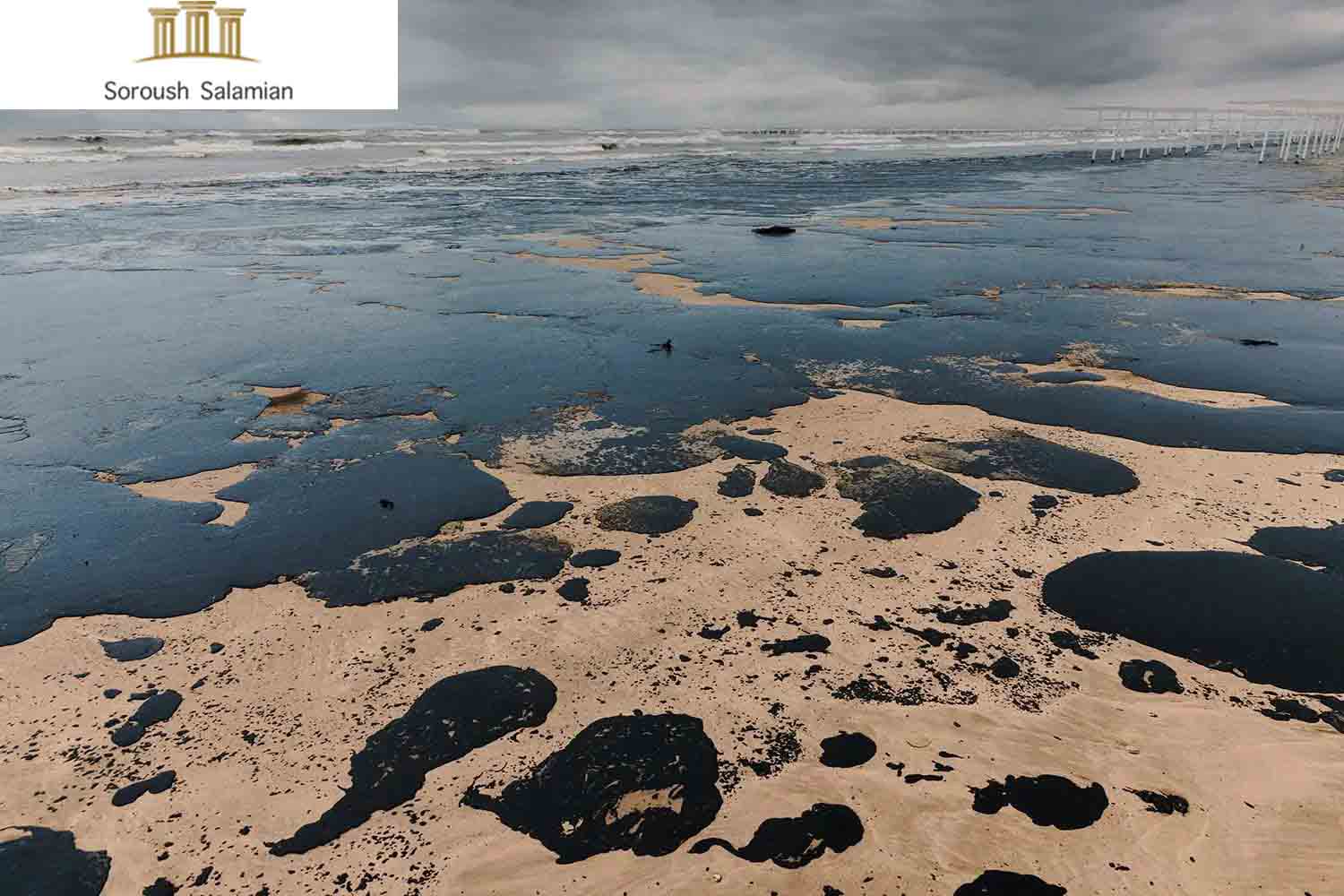
Under certain legal systems, the compensation framework may also include cleanup costs and measures taken to prevent the spread of pollution. The extent of such liability depends on the governing law, the nature of the incident, and the applicable regulations. Accordingly, an oil pollution case should address not only immediately visible damage but also the incident’s long-term environmental effects. Expert reports, environmental sampling, documentation of cleanup operations, and environmental impact assessments may all be relevant in determining the extent of the damage.
Legal Measures Following an Oil Pollution Incident
After an oil pollution incident, accurate documentation is critical. Relevant information may include the time and location of the incident, vessel particulars, the type of oil involved, the estimated quantity discharged, weather and sea conditions, and the measures taken to contain the pollution. Competent authorities should take steps to prevent the spread of the pollution and begin containment and cleanup operations. At the same time, carefully document all costs and losses, as these records may later support compensation claims.
In complex cases, maritime, environmental, and financial expert reports may be required to determine the source of the pollution and the extent of the resulting damage. It is also necessary to establish which law applies and which judicial or administrative authority has jurisdiction. Assess the shipowner’s liability based on a combination of factors, including the nature of the incident, the applicable regulations, the extent of the damage, the insurance arrangements, and the conditions governing limitation of liability. In practice, a lawyer experienced in maritime law should review the relevant documents and legal framework.
Frequently Asked Questions About the Legal Liability of a Shipowner for Oil Pollution
The legal liability of a shipowner concerns the owner's legal obligations in relation to damage caused by oil pollution. The scope of this liability depends on the type of vessel, the source of the pollution, the location of the incident, the governing law, and the applicable international regulations.
The liability of a shipowner must be assessed in accordance with the applicable legal rules and the circumstances of the incident. Under certain legal frameworks, the shipowner is held liable. At the same time, exemptions and limitations of liability may also be established by law.
The International Convention on Civil Liability for Oil Pollution Damage, or CLC, is one of the principal international legal frameworks in this area. In cases falling within its scope, the Convention regulates shipowner liability, compulsory insurance, and limitation of liability.
Under certain legal systems and international conventions, specific limits may apply to a shipowner's liability. The right to benefit from such limitation depends on compliance with applicable legal requirements. In certain circumstances, the limitation of liability may not be available.
Insurance may provide the financial resources required to compensate oil pollution damage and cover related cleanup expenses. Under certain international regulations, vessels falling within the relevant legal framework are also required to maintain insurance or other financial security.
Depending on the governing law, recoverable losses may include cleanup costs, damage to shorelines, losses affecting fishing and aquaculture activities, and certain economic losses associated with the pollution. The determination of recoverable damage depends on the circumstances of the case and the applicable regulations.
Important measures following an incident include accurately recording the details of the event, documenting the extent of the pollution and resulting damage, collecting records relating to cleanup costs, and determining the applicable law and competent authority. In complex cases, consultation with a lawyer experienced in maritime law is also important. What is the legal liability of a shipowner for oil pollution?
Is a shipowner always liable for oil pollution?
What role does the CLC Convention play in oil pollution cases?
Can a shipowner's liability for oil pollution be limited?
What role does insurance play in compensating oil pollution damage?
What types of damage may be recoverable following an oil pollution incident?
What legal steps should be taken following an oil pollution incident?



If the spill happens while the ship is being bunkered by another company, can the owner still be held responsible?
Potentially, yes. Liability may still attach to the shipowner even where another company was involved in the bunkering operation, depending on the applicable convention and local law. Responsibility between the owner, supplier, contractor, and other parties would need to be examined separately based on the facts.
What if nobody can prove which of two nearby ships actually caused the oil spill?
Identifying the source of the pollution can become one of the main issues in that situation. Authorities and claimants may rely on samples, vessel records, tracking data, witness evidence, and expert analysis. Liability should not be assumed until the evidence linking a particular vessel to the pollution has been reviewed.
Does the same law apply if it was fuel leaking from a cargo ship rather than oil carried by a tanker?
Not necessarily. A bunker fuel spill from a non-tanker may fall under a different legal regime from a tanker spill involving oil carried as cargo. For example, the 2001 Bunkers Convention may be relevant in some jurisdictions, so the vessel type, oil involved, and location of the incident need to be checked first.
Can the charterer also be liable or does everything fall on the registered owner?
It depends on the type of charter and the legal regime governing the incident. In some pollution regimes, parties other than the registered owner, including a bareboat charterer, manager, or operator, may also be relevant. The charterparty and the circumstances of the spill would need to be reviewed before allocating responsibility.
What happens if the spill starts in international waters but later reaches another country’s coast?
That can raise several jurisdiction and applicable-law issues. The place where the pollution damage actually occurs can be important, particularly where the affected coastal state is party to an international liability convention. The vessel’s route, location of the initial discharge, affected waters, and relevant treaty memberships should all be examined.
If a shipowner knew there was a problem with the tank but sailed anyway, could they lose the right to limit liability?
Possibly, but the legal threshold for breaking limitation can be quite high. Under some international regimes, it is necessary to establish a particular level of personal conduct, such as intentional or reckless conduct with the required knowledge. Maintenance records, warnings, internal communications, and the owner’s actual involvement could therefore become important evidence.
Can people claim directly from the P&I insurer if the shipping company has no money left?
In certain pollution cases, a direct claim against the insurer or financial security provider may be permitted. Whether that option exists depends on the convention and law applicable to the incident. The insurance certificate and the legal basis of the claim should be reviewed before proceeding directly against the insurer.
Is there a deadline for fishermen or local businesses to file pollution claims?
Yes, limitation periods can apply and they should be taken seriously. Under the 1992 CLC regime, for example, specific time limits apply to bringing compensation proceedings, but other regimes may have different rules. Anyone considering a claim should identify the applicable framework early rather than waiting until the full extent of the loss is known.
If a company pays for emergency cleanup before the authorities order it, can those costs still be claimed?
They may be recoverable in some circumstances if the measures were reasonable and sufficiently connected to an actual or serious pollution threat. Whether the expenses qualify for compensation will depend on the governing regime and the evidence supporting the necessity and amount of the costs. Detailed records of the response measures are particularly important.
Can a business claim lost income from a spill even if no oil actually touched its property?
Sometimes, but purely economic loss can be more difficult to establish than physical damage. The applicable compensation regime may consider factors such as the connection between the pollution and the financial loss, geographic proximity, and supporting financial records. A specific claim would need to be assessed against the rules applicable to that incident.