
What Is the Resolution of Legal Freight Forwarding Disputes and Why Is It Important?
The resolution of legal freight forwarding disputes refers to the measures and procedures used to manage and resolve disputes among cargo owners, freight forwarding companies, carriers, customs authorities, and other parties involved in the transportation process. In international transactions, multiple parties, differences between national legal systems, and complex transportation routes can significantly increase the likelihood of disputes.
Disputes may arise for various reasons, including delays in cargo delivery, damage to goods, disagreements over charges, problems with transport documents, or failure to perform contractual obligations. Prompt, structured handling of such matters is particularly important because prolonged disputes may increase storage costs, disrupt the supply chain, and cause financial losses for the parties involved.
A successful freight forwarding process extends beyond the physical movement of goods. Managing obligations, communication among the parties, and contractual clarity are also essential components of the process. When a dispute arises, reviewing relevant documents, contractual terms, each party’s responsibilities, and applicable laws can help determine the appropriate course of action. Negotiation, mediation, arbitration, and, in certain circumstances, litigation are common methods for resolving legal freight forwarding disputes.
Claims and Resolution of Legal Freight Forwarding Disputes
Freight forwarding disputes cannot always be resolved through negotiation or mediation and may require formal legal action. In such cases, filing a claim or using formal dispute resolution procedures may be necessary to protect and enforce the parties’ rights. Before commencing legal proceedings, it is important to carefully review the contract, transport documents, the extent of the alleged loss, and applicable legal rules. The appropriate method for pursuing a dispute depends on factors such as the countries where the parties are located, the nature of the contract, the value of the cargo, and the conditions of transportation.
In international transactions, cross-border transportation disputes are generally more complex because several legal systems may apply to the same matter. For this reason, familiarity with international transportation law and assistance from experienced legal advisers can help prevent unnecessary costs and procedural complications.
Legal proceedings generally aim to determine liability, recover any recoverable loss, and establish a framework for resolving the dispute. Nevertheless, many companies seek to resolve disagreements before they develop into judicial proceedings through effective contract management and clear communication.
Resolving Legal Freight Forwarding Disputes Through Contracts
A transportation contract is one of the most important tools for preventing freight forwarding disputes. A comprehensive contract should clearly specify the services to be provided, the parties’ responsibilities, costs, schedules, delivery terms, procedures for handling loss or damage, and the agreed method of dispute resolution.
Many disputes arise when one party understands its obligations differently from the other party. When the contract clearly defines each party’s responsibilities, reviewing the circumstances and determining liability becomes considerably easier. In international contracts, you must also pay closer attention to the laws of the country of origin, destination, and any jurisdictions through which the cargo passes. Standardized trade terms, such as Incoterms, can also help reduce uncertainty about how responsibilities are allocated.
A key issue in freight forwarding contracts is allocating liability in specific circumstances, such as delays, cargo damage, rerouting, or customs-related problems. In such cases, reviewing the legal consequences of breach of a transportation contract can help determine what liabilities may arise from a failure to perform contractual obligations. A carefully drafted contract can simplify the dispute resolution process and increase the likelihood of reaching an agreement.
What Causes Legal Freight Forwarding Disputes?
Disputes between freight forwarding companies and their customers often arise from differing expectations, unclear contracts, or changes in transportation conditions. One of the most frequent issues concerns the delivery schedule. A customer may expect a shipment to arrive on a particular date. At the same time, factors such as weather conditions, port disruptions, customs delays, or transportation route restrictions may affect the original schedule.
Cost disputes are another significant issue. Additional expenses, including storage charges, rerouting costs, customs charges, or fees for supplementary services, should be clearly addressed from the outset. Without a clear agreement on these expenses, financial disputes can arise.
In some cases, disputes arise because cargo has been damaged or because the parties disagree over responsibility for the loss. The condition of the goods at delivery, transportation reports, insurance documentation, and contractual terms are important in determining liability. Clear contracts, accurate transportation records, defined responsibilities, and continuous communication between the customer and the freight forwarder can significantly reduce the likelihood of such disputes.
Negotiation and Methods for Resolving Legal Freight Forwarding Disputes
Negotiation is generally one of the first and least costly ways to resolve legal freight forwarding disputes. In many cases, parties can resolve a disagreement through direct discussions and a careful review of the relevant documentation. Negotiation allows the parties to identify a practical solution and potentially continue their commercial relationship without lengthy legal proceedings.
In more complex disputes, mediation may be an effective alternative. Under this method, an independent individual or organization acts as a mediator and helps the parties examine the issues and try to reach a mutually acceptable agreement. The mediator does not impose a final decision; instead, they facilitate and manage the negotiation process.
Accurate documentation is particularly important for effective negotiation or mediation. The transportation contract, bill of lading, delivery reports, correspondence, and cost records may help establish the relevant facts. In many freight forwarding disputes, reaching an out-of-court settlement can reduce costs, preserve commercial relationships, and prevent disruption to supply chain operations.
Resolution of Legal Freight Forwarding Disputes Arising From Delay
Transportation delays are among the most common causes of disputes among parties involved in freight forwarding operations. When goods do not arrive at their destination within the agreed period, various losses may arise, including production interruptions, loss of sales opportunities, and increased storage costs.
To assess liability for a delay, the underlying cause must first be identified. Certain delays may be outside the carrier’s or freight forwarder’s control, including emergencies, regulatory restrictions, or unforeseen problems along the transportation route. Conversely, where a delay results from a failure to perform contractual obligations, legal liability may arise for the party responsible for the breach.
In such circumstances, considering legal action in cargo delay cases becomes important because the appropriate course of action depends on factors such as the contractual terms, applicable law, the extent of the loss, and the parties’ responsibilities. Accurate records of when the cargo was received, dispatched, held, and delivered may be particularly important in establishing a claim. Proper document management and continuous communication among the parties can also prevent a disagreement from escalating.
Challenges in Resolving Legal Freight Forwarding Disputes
International transportation involves numerous legal challenges because goods cross different borders, become subject to different national laws, and are often handled by several service providers. Questions concerning jurisdiction, applicable law, allocation of responsibility, and compensation for loss are among the issues that may arise in this area.
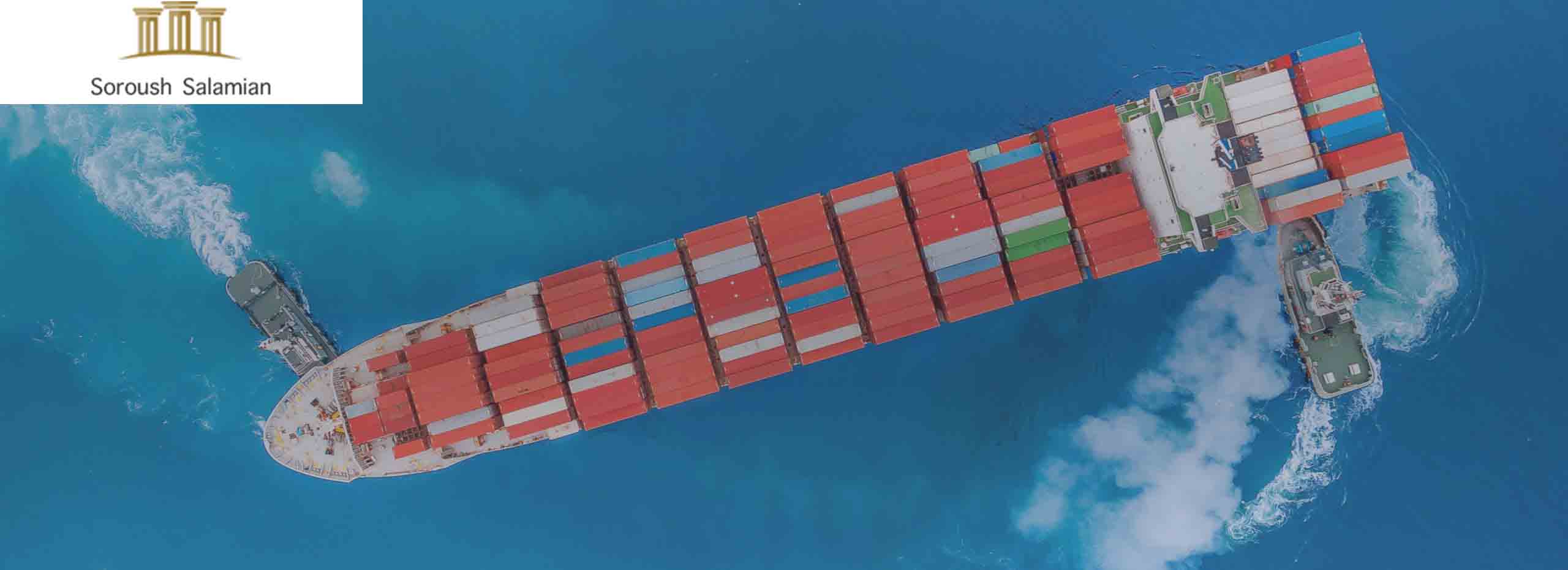
In cross-border transactions, contractual terms require particular attention because a single dispute may involve the laws of several jurisdictions. For example, the responsibilities of the carrier, freight forwarder, insurer, and cargo owner should be clearly defined.
Understanding legal challenges in cross-border transportation is especially important in this context. Differences in customs regulations, import and export restrictions, documentary requirements, and destination-country laws can make dispute resolution more complex. Standardized contracts, specialized legal advice, and reputable transportation partners can help reduce these risks. A clear understanding of the applicable legal frameworks also helps manage potential disputes more effectively.
Liability in Legal Freight Forwarding Disputes
In multimodal transportation, goods move using more than one mode of transport, such as road, sea, rail, or air. Coordination among multiple parties is essential in these arrangements, and this complexity may increase the likelihood of disputes.
A principal issue in such circumstances is determining responsibility at each stage of the transportation route. If cargo is damaged or delayed during a particular part of the journey, it is necessary to determine which party bears responsibility. Detailed contracts and accurate records for each stage of transportation can help resolve these disputes.
Liability in multimodal transport is particularly important because of the complexity of the transportation chain. A freight forwarder responsible for managing the overall process must coordinate different carriers, transportation documents, schedules, and legal requirements. If a dispute arises, the contract, transportation route, each company’s role, and cargo delivery conditions must be reviewed to determine liability. Professional management of multimodal transportation can reduce the likelihood of legal problems arising.
The Role of Transport Documents in Resolving Legal Freight Forwarding Disputes
Transport documents are among the most important sources of evidence for reviewing and resolving legal freight forwarding disputes. Bills of lading, invoices, packing lists, transportation contracts, certificates relating to the goods, and delivery reports may provide important information about the transaction and the parties’ responsibilities.
In many disputes, missing or incomplete documentation makes it more difficult to establish a claim. For example, if goods are damaged, a report recording the cargo’s condition at delivery may help determine when the damage occurred.
Accurate records concerning the cargo’s transportation route are also important. Modern tracking technologies can provide additional information on a shipment’s status and movement. In this context, cargo tracking and legal liability are closely connected because recorded tracking information may be used to examine the timing, route, and circumstances of cargo transportation. Effective document management from the beginning of the transportation process until final delivery allows the parties to rely on documented information if a dispute arises.
Strategies for Resolving Legal Freight Forwarding Disputes
Preventing freight forwarding disputes generally takes less time and costs less than resolving them after they arise. One of the most important preventive measures is selecting a reputable freight forwarding company and reviewing its experience in handling similar shipments. Clear contractual terms, defined responsibilities, accurate transportation records, and appropriate insurance coverage can all reduce the risk of disputes. Continuous communication between the cargo owner and the transportation provider can also help identify and manage potential problems early.
Modern technologies, including transportation management systems, digital document management, and cargo tracking tools, can also improve transparency. When information concerning the transportation route, schedule, and condition of the goods is readily available, many disagreements can be addressed before they develop into formal legal disputes. Resolving legal freight forwarding disputes requires professional management, knowledge of transportation law, and cooperation among the parties. Careful planning before transportation begins can prevent many financial and legal difficulties later on.
Frequently Asked Questions About the Resolution of Legal Freight Forwarding Disputes
How are legal freight forwarding disputes resolved?
Legal freight forwarding disputes are generally resolved by reviewing the contract and transport documents, negotiating between the parties, using mediation, and, where necessary, pursuing formal legal remedies. The primary objective is to determine the responsibilities of the parties and reach an appropriate solution for compensation or the continuation of the commercial relationship.
What are the main causes of disputes in the freight forwarding process?
Delays in cargo delivery, disagreements over costs, cargo damage, problems with transport documents, failure to perform contractual obligations, and uncertainty regarding the responsibilities of the parties are among the principal causes of freight forwarding disputes.
Can a delay in transporting goods create legal liability for a freight forwarder?
In certain circumstances, yes. If the delay results from a failure to perform contractual obligations, the freight forwarder or another responsible party may face legal liability. The contract, cause of the delay, and applicable laws must be reviewed to determine liability.
Why is the contract important in resolving legal freight forwarding disputes?
A contract plays an important role in preventing and resolving disputes by defining the parties' obligations, costs, delivery terms, responsibilities, and the applicable dispute resolution procedure. A carefully drafted contract makes it easier to review the circumstances when a problem arises.
What is the role of transport documents in resolving freight forwarding disputes?
Transport documents such as bills of lading, contracts, invoices, and delivery reports may provide important information concerning the condition of the cargo, transportation timeline, and responsibilities of the parties. These documents are particularly important for establishing claims during negotiation, mediation, and legal proceedings.


If the forwarder hires another carrier and that company damages the cargo, who do I claim against?
That depends on the freight forwarder’s contractual role and the terms governing the shipment. In some cases, the forwarder acts mainly as an agent, while in others it may assume responsibility as a contracting carrier or principal. The forwarding agreement, transport documents, and subcontracting arrangements should be reviewed before determining which party may be liable.
Can a freight forwarder add extra charges after the shipment has already left?
Additional charges are not automatically invalid, but their enforceability may depend on the contract, agreed tariff, circumstances that caused the extra cost, and whether the customer authorized or was properly informed about them. Charges arising from unexpected storage, customs action, or rerouting should be examined against the contractual terms and supporting records.
What if the forwarder delivered my goods to the wrong company by mistake?
Misdelivery can create significant liability issues, particularly where the cargo was released without following the required delivery instructions or documentation. The bill of lading, release procedure, identity checks, and the forwarder’s contractual responsibilities would be important in assessing a claim.
Is there usually a deadline for making a claim against a freight forwarding company?
Yes. Freight forwarding and transportation claims can be subject to relatively short notification and limitation periods. The exact deadline may depend on the mode of transport, applicable convention, contract terms, and governing law. It is generally advisable to review the relevant documents promptly rather than assume the ordinary civil limitation period applies.
Can the forwarder refuse to release cargo because I haven’t paid another old invoice?
Possibly. Some freight forwarding contracts or applicable laws recognize a lien or right to retain goods for unpaid charges, but the scope of that right can vary considerably. Whether cargo may be retained for charges relating to a different shipment requires a careful review of the contract and applicable law.
What happens if the forwarder filled out the customs documents wrong and I got fined?
A customs documentation error may lead to a claim if the forwarder had responsibility for preparing or submitting the relevant documents and failed to exercise the required level of care. However, it is also necessary to consider what information the customer provided and who was legally responsible for its accuracy. The customs records and forwarding agreement would be important in evaluating responsibility.
If the contract says disputes have to be handled in another country, do I really have to file the case there?
A jurisdiction or arbitration clause can be legally significant, particularly in international freight forwarding contracts. Whether it is enforceable depends on its wording, the governing law, mandatory transport rules, and the circumstances in which the agreement was made. It should be reviewed before proceedings are started in any jurisdiction.
Can I claim lost profits if a delayed shipment made me miss a big customer order?
Lost-profit claims can be more difficult than claims for direct physical loss. Issues such as foreseeability, causation, contractual exclusions, liability limits, and evidence of the expected profit can all be relevant. The specific contract and applicable transportation regime would need to be examined before determining whether such losses may be recoverable.
What if the freight forwarder says the damage happened before they received the goods?
The condition of the cargo at each stage becomes critical in that situation. Warehouse receipts, photographs, inspection reports, packing records, tracking information, and delivery documents may help establish when the damage occurred. Responsibility usually cannot be determined properly without reconstructing the chain of custody.
Does using an online booking platform change who is legally responsible if something goes wrong?
It can. Digital platforms may act as freight forwarders, intermediaries, booking agents, or contracting parties depending on their terms and the structure of the transaction. The platform’s terms of service, transport documents, payment arrangements, and the identity of the actual carrier should be reviewed to determine who assumed the relevant obligations.