
An Overview of the Framework for the Legal Protection of Seafarers Under International Law
The protection of seafarers at the international level consists of a set of rules and procedures that operate through two main channels: first, international conventions and regulations that states are obliged to implement; and second, practical enforcement and oversight through the flag state, the port state, and international institutions. The main purpose of these rules is to preserve the human dignity of seafarers, ensure fair working conditions, provide job security, and secure access to medical, legal, and social services.
The Main International Legal Sources Relating to Seafarers
The principal sources consist of a body of treaties and conventions that states ratify and implement in their domestic legal systems. Among the most important instruments are the Maritime Labor Convention adopted by the International Labor Organization, the International Convention for the Safety of Life at Sea, the Standards of Training, Certification and Watchkeeping for Seafarers Convention, the United Nations Convention on the Law of the Sea, and the set of rules relating to port state inspection and control. These instruments establish the minimum legal framework that states must apply within their territory or to ships flying their flag.
The Responsibility of the Flag State and Its Role in Protecting Seafarers
The flag state is the primary authority responsible for enforcing rules relating to the ship and its crew. It must ensure employment conditions, working and rest hours, wages and benefits, insurance and medical coverage, access to medical services, and repatriation arrangements.
In practice, the flag state is required to oversee the issuance of certificates confirming a ship’s compliance with seafarer labor regulations and to provide a process for handling and following up on complaints submitted by seafarers.
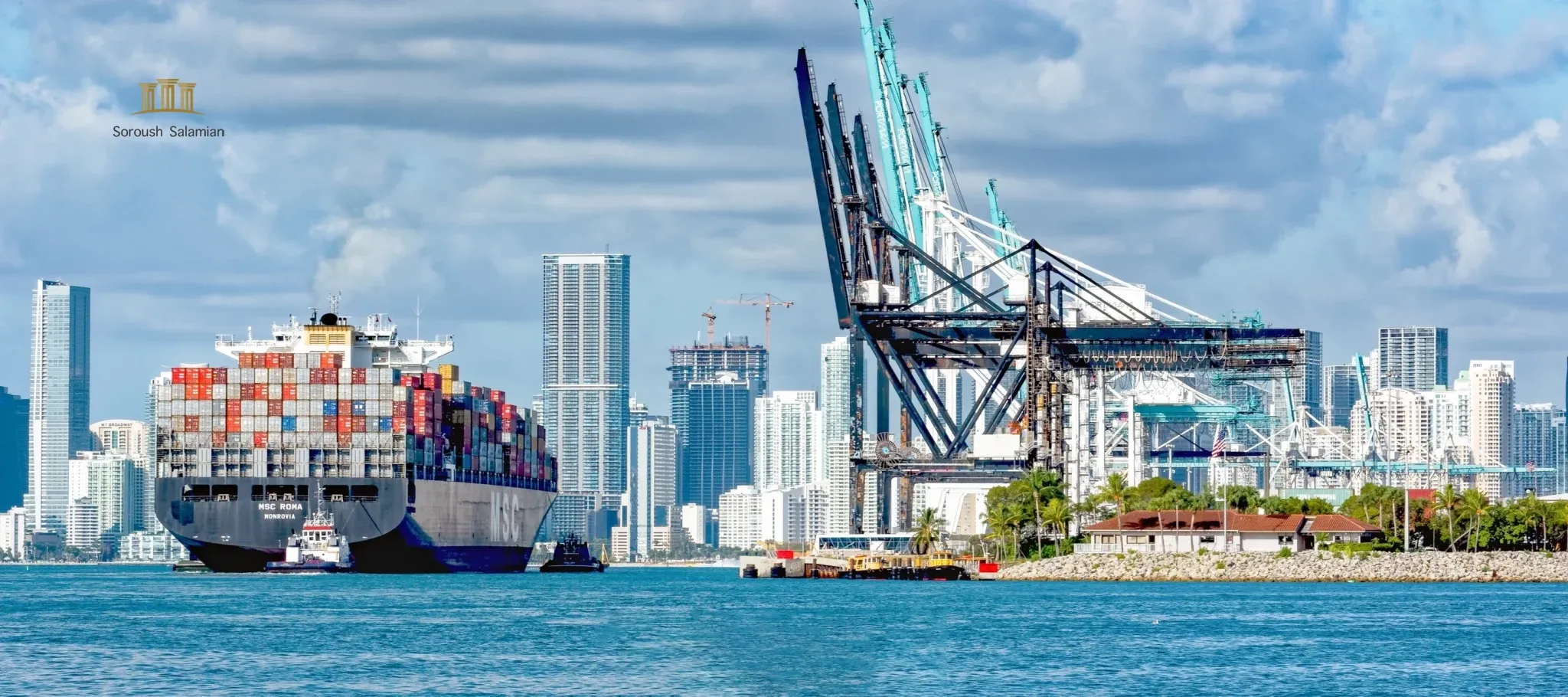
The Role of the Port State and Port State Inspection in Protecting Seafarers
The port state may, through port state inspections, monitor the actual living and working conditions of seafarers. Port inspection can result in a ship’s detention if minimum standards are breached, thereby creating operational pressure on the shipowner to remedy the defects. In addition, port inspectors are required to receive seafarers’ reports and complaints, record them in accordance with established procedures, or refer them to the competent authorities.
Seafarers’ Employment Rights and Employment Contracts
Seafarers enjoy specific employment rights, including the right to a written employment contract in a language they can understand, with clear terms that set out the engagement, contract duration, wage levels, working hours, rest days, and grounds for termination.
The employment contract should also clarify responsibilities, wage payment methods, the right to repatriation, and dispute resolution mechanisms. These rights are enforced through the domestic law of the flag state and through international procedures.

The Right to Wages and Wage Tracking; Financial Security in the Event of Abandonment
Timely and full payment of wages is one of the most fundamental rights of seafarers. If wages are not paid, a seafarer has the right to seek the arrest of the ship or take legal action. International maritime conventions require financial security arrangements to assist seafarers in the event of abandonment or desertion of the ship; these may include guarantee funds or insurance undertakings covering unpaid wages.

The Right to Repatriation and the Obligation to Cover Repatriation Costs
In cases of termination of service, illness, or breakdown of the contract, a seafarer has the right to repatriation at no unreasonable cost. International regulations impose obligations to ensure the return of seafarers, meaning that the shipowner must arrange or cover the cost of repatriation, or, if unable to do so, use alternative support mechanisms to facilitate return.
Provision of Medical Services and Support in Cases of Illness or Accident
A seafarer must have access to appropriate medical services throughout the period of service. This includes pre-employment medical examinations, access to medical assistance at sea, transfer to shore-based medical facilities when necessary, and coverage of medical expenses.
International contracts and regulations also require the keeping of medical records and health reports to ensure that seafarers receive the care they need.
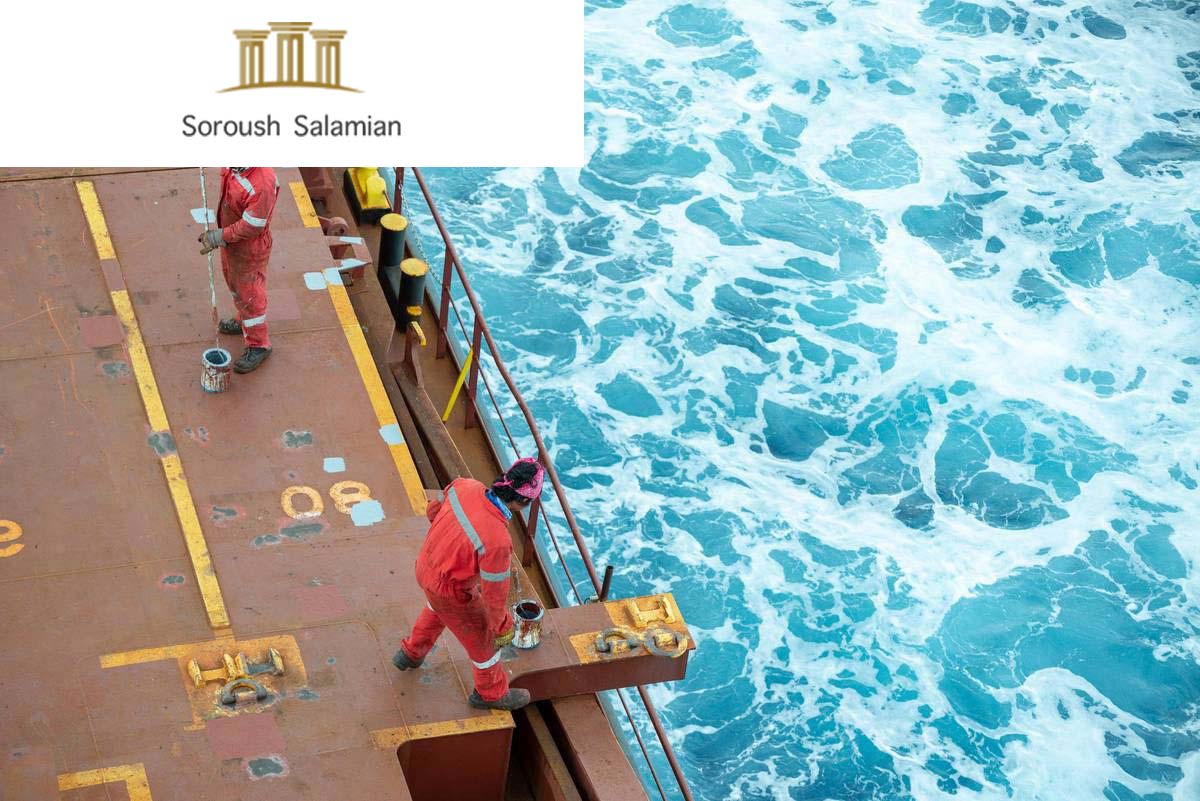
Rules Concerning Abandonment and the Desertion of Seafarers
Abandonment is a situation in which seafarers are left without wages, without the ability to return home, or without care. International law, including the rules relating to the financial obligations of the shipowner, the flag state, and insurance coverage, imposes duties aimed at preventing abandonment. Port state inspection and international institutions may also help pursue and safeguard seafarers’ rights.
Working Hours and Rest Periods, and Protection Against Fatigue
International regulations establish minimum standards for crew working hours and rest periods to prevent dangerous fatigue and maintain safety. Compliance with these rules is essential for the physical and mental health of seafarers. Violations may endanger both navigational safety and seafarers’ health, and judicial authorities or port inspectors may take action against violators.

Social Protection, Insurance, and Post-Service Benefits
Seafarers should have access to social security systems, accident insurance, pensions, and other benefits.
In many maritime legal regimes and international contracts, there are requirements for insurance coverage against accident, disability, and death. These guarantees form part of the responsibilities of the employer and the flag state.
Judicial and Consular Rights of Seafarers Abroad
If seafarers are arrested or detained in foreign waters or in the ports of another country, they have the right to access legal and consular assistance. The consulate of their home country may assist with legal proceedings, legal support, and the coordination of repatriation. The Vienna Convention on Consular Relations defines the scope and conditions of consular assistance.
Protection Against Violence, Harassment, or Discrimination
International law, including labor and human rights rules, provides protection against physical or psychological violence, sexual harassment, and discrimination on gender, religious, or other grounds. The employer and the flag state are obliged to prevent, investigate, and remedy such conduct. Complaint mechanisms and support for complainants should also be available.

Protection Against Piracy and Armed Attacks
In the event of an attack or piracy, seafarers must be afforded legal protection. This includes the ability to report to port and international authorities, cooperation from governments in search-and-rescue efforts, and legal action against perpetrators. In some cases, financial support for victims and repatriation costs is also provided.
The Right of Access to Courts and Arbitration, and Choice of Forum
Employment and carriage contracts may designate the forum for dispute resolution; however, in many cases, domestic law or international rules also preserve seafarers’ access to national courts. Arbitration is a common method of resolving commercial and employment disputes, but where issues of dignity or fundamental human rights are involved, access to state judicial bodies is also important.
Formal Complaints and Procedures for Seafarers
Seafarers may submit complaints to port inspectors, government inspection authorities, or the relevant national body. International organizations also have complaint or referral mechanisms that can be used where the state fails to act appropriately. In many countries, dedicated units are available to promptly handle seafarers’ complaints.
Financial Guarantees and Compensation Funds in Specific Cases
Some conventions and international systems require financial security arrangements, such as guarantees covering unpaid wages, medical expenses, and repatriation costs.
These guarantees may be provided through insurance, bank guarantees, or special funds, helping seafarers obtain compensation more quickly when their rights are violated.
The Role of Seafarer Unions and Welfare Organizations in Practical Support
Trade unions and seafarer welfare organizations play an important role in providing legal support, advice, welfare services, and emergency assistance. These bodies often cooperate with government authorities and international organizations to facilitate seafarers’ access to the support they need.
Practical Steps for Seafarers When Their Rights Are Violated
If a seafarer’s rights are violated, the practical steps to take include:
- Recording and preserving all relevant documents and records.
- Preparing a written report of the incident and sending it to the ship’s master and the employer.
- Contacting the consular representative or embassy of the home country.
- Informing the port inspectorate or the competent local authority.
- Contacting the seafarers’ union or welfare organization.
- Requesting a medical examination and keeping treatment records.
- Consulting a specialist lawyer if legal action is needed.
- Using international complaint mechanisms if local authorities fail to act appropriately.
Legal Checklist for Assessing a Ship’s Compliance with Seafarers’ Rights
- A written employment contract in the seafarer’s language.
- Wages are paid on time and in accordance with the contract.
- Medical insurance and repatriation coverage.
- Medical documents and examination records.
- Recorded working and rest hours.
- A certificate of compliance with international standards.
- A complaint reporting procedure and employer response mechanism.
- Access to communication with family and the consulate in emergencies.
The legal protection of seafarers is a combination of state obligations, employer responsibilities, and international enforcement procedures. In practice, the best protection is achieved when international law is properly implemented in domestic legislation and supervisory bodies are active and accessible.
Key recommendations for strengthening the legal security of seafarers include requiring transparent contracts, comprehensive insurance coverage, basic legal training for seafarers, active port state inspection mechanisms, and closer cooperation among governmental, professional, and international bodies.




If a seafarer is owed wages for several months, can they take action in the port country even if the ship has a foreign flag?
Potentially. Seafarers may have access to port authorities, courts, or vessel arrest procedures depending on the jurisdiction and the nature of the wage claim. The ship’s flag, employment contract, and location of the vessel would all be relevant.
What if the employment contract is only in English and the crew member doesn’t really understand it?
That can raise a serious issue. International standards emphasize that seafarers should have a written employment agreement in a language they can understand, with clear terms on wages, working hours, termination, and repatriation. The circumstances of signing would need to be reviewed.
Can a seafarer refuse extra shifts if the ship is understaffed and rest hours are being ignored?
Potentially. Minimum rest standards exist specifically to reduce fatigue and protect both crew welfare and navigational safety. Whether a particular refusal is legally protected depends on the circumstances, emergency conditions, and applicable employment and maritime rules.
If the company abandons the crew abroad, who actually pays for flights home?
The shipowner generally has responsibilities regarding repatriation, and international rules also contemplate financial security or insurance mechanisms where the owner fails to perform. The available route can depend on the vessel’s flag, insurance arrangements, and port where the crew is located.
What if a crew member gets injured but the company says the injury happened because he ignored instructions?
That allegation does not automatically eliminate the seafarer’s rights. The investigation would normally consider the safety procedures, training, working conditions, medical evidence, and the conduct of both the employer and crew member before determining responsibility.
Can a seafarer complain directly to port inspectors without telling the captain first?
In some circumstances, yes. Port state procedures can provide complaint mechanisms for seafarers, particularly where onboard channels are ineffective or inappropriate. The exact process depends on the port state and the nature of the complaint.
If a seafarer is arrested in a foreign port, does the employer have to arrange a lawyer?
Not necessarily in every case, but the seafarer may have rights to legal and consular assistance. The consulate can often assist with communication, legal support, and coordination, while the employer’s obligations depend on the employment agreement and circumstances of the detention.
What if harassment is coming from the captain himself? Who is the crew supposed to report it to?
The complaint should not necessarily be limited to the captain or onboard management. Depending on the situation, the seafarer may be able to report the matter to the shipowner, flag state authority, port inspectors, union representatives, or other competent bodies. Preserving written evidence is particularly important.
Can the ship be detained just because the crew says working conditions are bad?
A complaint alone does not automatically lead to detention. Port inspectors would generally investigate and determine whether actual violations of minimum labor or safety standards exist. Serious or unresolved deficiencies can potentially result in detention until corrective measures are taken.
If a seafarer’s contract ends while the ship is still far from home, can the company make them pay for their own return?
Generally, international rules recognize a right to repatriation without unreasonable cost to the seafarer in qualifying situations such as contract termination, illness, or abandonment. The employment contract and applicable maritime labor rules should be reviewed to determine who is responsible for the expenses.