
A Guide to Oil and Gas Transportation Law
Oil and gas transportation law is a specialized branch of energy law that addresses the laws, contracts, liabilities, and regulatory requirements governing the transportation of oil, natural gas, petroleum products, and petrochemical products. This area of law plays an important role in reducing legal and commercial risks from hydrocarbon extraction through delivery to refineries, export terminals, consumers, or international markets.
Because of the cargo’s high value, environmental risks, safety concerns, and the complexity of international commercial relationships, oil and gas transportation is subject to specific legal and regulatory requirements. Even a minor contractual dispute or failure to comply with applicable legal obligations may result in substantial financial losses for companies. For this reason, companies operating in the energy sector generally review the relevant legal aspects before commencing transportation operations.
Oil and gas transportation law is not limited to moving cargo. It also covers matters such as insurance, liability for loss or damage, delivery terms, ownership of goods, dispute resolution, international law, and the contractual obligations of the parties. A clear understanding of these regulations enables companies to participate in domestic and international projects with greater legal certainty.
Key Methods of Oil and Gas Transportation from a Legal Perspective
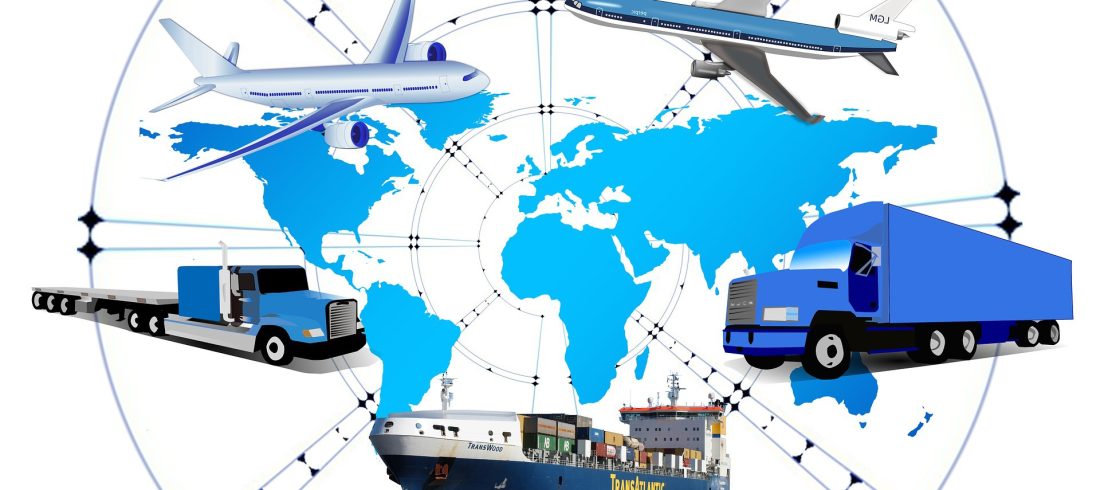
Oil and gas are transported through several methods, each subject to its own legal rules and regulatory requirements. Selecting an appropriate mode of transportation matters not only from a technical and economic perspective, but also for legal liability. Pipelines are among the most common methods used for transporting crude oil and natural gas. In pipeline transportation, operating agreements, rights-of-way, maintenance responsibilities, and liability damages are particularly important. In maritime transportation, charterparty agreements, bills of lading, marine insurance, and international regulations play a decisive role.
Road transportation is commonly used for petroleum products such as gasoline, diesel fuel, and industrial fuels. In this area, safety regulations, permits for transporting hazardous materials, and the responsibilities of drivers and transportation companies are of considerable importance. Rail transportation is also widely used in certain countries to move large volumes of petroleum products and is subject to railway transportation regulations and applicable safety standards.
From a legal perspective, the selected mode of transportation directly affects contract structure, liability allocation, insurance coverage, and dispute-resolution procedures. Accordingly, select the transportation method only after a comprehensive review of the applicable legal requirements.
How Are Transportation Contracts Drafted in the Oil and Gas Industry?
A transportation contract is one of the most important legal documents in oil and gas projects. It determines which party is responsible for transporting the goods, when the cargo must be delivered, how transportation costs are to be paid, and what liabilities arise in the event of loss or damage.
When drafting these agreements, clearly state the cargo specifications, point of origin, destination, mode of transportation, timetable, and loading and unloading conditions. The contract should then define each party’s obligations, termination provisions, payment terms, liabiLiabilitydelay, and force majeure conditions.
One of the most important provisions of a transportation contract concerns the transfer of risk. The agreement should clearly specify when the risk of loss or damage passes from the seller to the buyer or to the carrier. Incoterms in international transactions can help clarify this issue.
The contract should also clearly establish the dispute resolution mechanism, the competent court or arbitral tribunal, the governing law, and confidentiality obligations. Professionally drafted agreements can significantly reduce disputes and enhance legal certainty for investments in oil and gas projects.
Legal Liability of Transportation Companies in the Movement of Oil and Gas
Transportation companies operating in the oil and gas sector may have extensive responsibilities toward cargo owners, customers, governments, and regulatory authorities. These responsibilities extend beyond physical transportation and may include loading, storage, carriage, handling, and final delivery.
If cargo is damaged during transportation, leaks, or arrives after an unauthorized delay, the transportation company may be held liable for the resulting losses. The extent of such liability, however, depends on the terms of the contract, the method of transportation, and the applicable law.
Transportation companies must also comply with safety standards, environmental obligations, and regulations governing the transport of hazardous materials. Failure to satisfy these requirements may result not only in civil liability but also in criminal liability and substantial regulatory penalties.
To mitigate these risks, many companies rely on liability insurance, cargo insurance, and formal risk management systems. Strict compliance with operational standards and proper maintenance of records and documentation can also help defend a company in a legal dispute.
The Role of Insurance in Oil and Gas Transportation and the Coverage of Potential Risks
Insurance is a principal risk management tool in the oil and gas transportation industry. The high value of cargo, the risks associated with oil spills, the possibility of maritime or land-based accidents, and potential environmental damage make appropriate insurance coverage essential. Without adequate insurance, a single incident may result in substantial financial losses for the cargo owner, carrier, or other contractual parties.
This industry uses various types of insurance. Cargo insurance, carrier liability insurance, hull or vehicle insurance, environmental pollution insurance, and third-party liability insurance are among the most important forms of coverage. Each type of insurance has its own conditions, exclusions, and limits of liability; you should select it based on the nature of the specific project.
International contracts commonly specify which party is responsible for obtaining insurance. This issue is directly related to the agreed delivery terms, the applicable Incoterms rule, and when risk transfers. If these provisions are not properly drafted, serious legal disputes may arise between the parties when an incident occurs.
Insurance companies also commonly assess applicable safety standards, transportation procedures, the type of vehicle or vessel, the transportation route, and the carrier’s operating history before issuing a policy. Stronger risk management practices may result in more favorable insurance terms. Therefore, compliance with technical and legal requirements can reduce potential losses and lower insurance costs.
Environmental Liabilities in Oil and Gas Transportation
Environmental protection is one of the most significant aspects of oil and gas transportation law. Oil spills, pipeline explosions, contamination of open waters, or the release of hazardous substances can cause severe and potentially irreversible harm to the environment and human health. For this reason, domestic and international legal frameworks impose substantial responsibilities on companies operating in this sector.
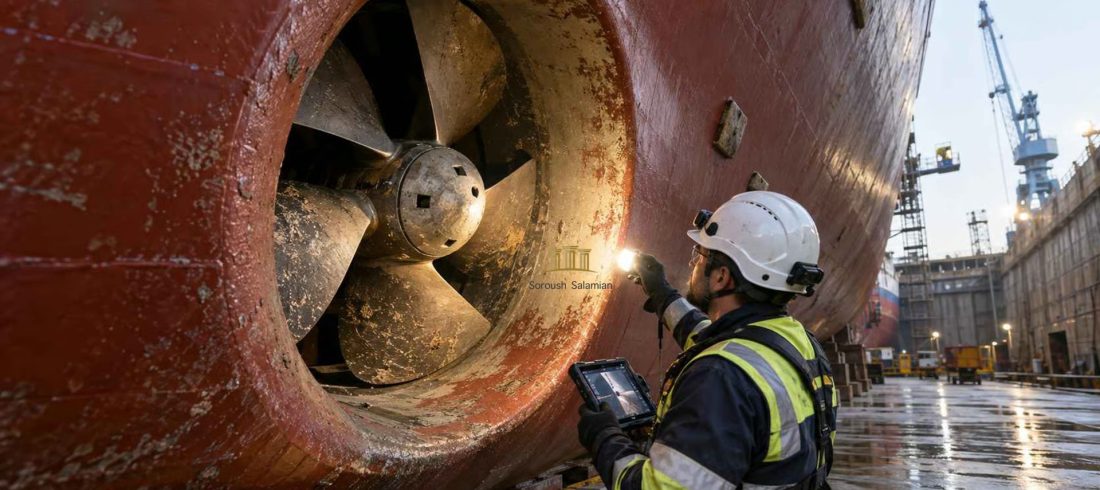
Transportation companies must comply with all applicable safety and environmental standards. These standards may include proper equipment maintenance, employee training, continuous monitoring of transportation systems, emergency response procedures, and the use of suitable technology to prevent the leakage or release of petroleum products.
If an incident occurs, the responsible company may be required not only to compensate for financial losses but also to carry out environmental cleanup, pay restoration costs, compensate affected individuals, and pay statutory fines or penalties. In certain jurisdictions, company directors and senior officers may also face criminal liabiLiabilityay, many major oil and gas projects conduct environmental impact assessments before operations begin and develop crisis management and emergency response plans. Beyond facilitating legal compliance, these measures can strengthen investor and commercial partner confidence and reduce the likelihood of future legal disputes.
How Do Incoterms Affect the International Transportation of Oil and Gas?
In international oil and gas transactions, Incoterms are among the most important instruments for allocating contractual responsibilities. Developed by the International Chamber of Commerce, these rules determine which party is responsible for transportation costs, insurance, customs formalities, and certain transportation risks at different stages of a transaction.
For example, under some sales terms, the seller is responsible for transporting the goods to the destination port, while under others, the seller’s responsibility may end once the goods have been loaded on board the vessel. These distinctions directly affect legal liability, costs, and how losses are allocated.
Selecting an inappropriate Incoterms rule may give rise to substantial disputes among the seller, buyer, and carrier. Before entering into a contract, the parties should therefore carefully evaluate the type of goods, transportation route, applicable laws, insurance arrangements, and their respective operational capabilities.
In the oil and gas industry, where transactions commonly involve significant financial value, the proper use of Incoterms is particularly important. Clearly identifying when risk transfers, who covers transportation and insurance costs, and who handles export and import formalities can prevent disputes early and improve the transaction’s legal certainty.
What Legal Challenges Affect Cross-Border Oil and Gas Transportation?
Transporting oil and gas between countries involves numerous legal challenges in addition to technical considerations. Each country may have its own customs, tax, environmental, security, and transportation laws, and companies must comply with all applicable requirements.
Economic sanctions, export restrictions, transit permits, customs duties, regulations governing international pipelines, and conflicts between national legal systems are among the principal legal challenges in this field. In many projects, international treaties and intergovernmental agreements may also affect transportation operations in addition to domestic law.
Another important issue is determining the governing law and the forum for resolving disputes. In international transactions, the parties may be in different jurisdictions and subject to different legal systems. Clearly addressing governing law and dispute resolution in the contract can prevent complex disputes later.
Working with legal advisers who specialize in energy law and international trade, conducting a comprehensive review of the laws of the relevant jurisdictions, and using carefully drafted contractual arrangements are among the most effective ways to reduce the legal risks associated with cross-border oil and gas transportation.
Dispute Resolution in Oil and Gas Transportation Contracts
Given the substantial financial value of oil and gas contracts, legal disputes in this sector are not uncommon. Delays in cargo delivery, damage to goods, disagreements over the quality of transportation services, interpretations of contractual provisions, and disputes over liability and losses are among the most common sources of disagreement between parties.
Many international contracts establish the applicable dispute resolution mechanism from the outset. Some parties choose domestic courts, while others prefer international arbitration. Arbitration may provide greater confidentiality, more specialized decision-making, and, depending on the circumstances, a more efficient dispute resolution process.
Accurate documentation of shipping records, bills of lading, inspection reports, insurance documents, formal correspondence, and technical records is particularly important in dispute proceedings. The more complete the evidentiary record, the easier it may be to establish or defend a claim.
Clear contractual drafting, precise allocation of responsibilities, appropriate emergency provisions, and clearly defined compensation mechanisms can significantly reduce the likelihood of disputes. Many major disputes arise from ambiguity in contractual provisions and can be avoided through careful, professional drafting.
The Future of Oil and Gas Transportation Law in the Digital Transformation Era
Digital transformation is changing many processes within the oil and gas industry, and transportation law is also being affected by these developments. The growing use of smart contracts, blockchain technology, the Internet of Things, artificial intelligence, and real-time monitoring systems is transforming transportation operations management and the oversight of contractual performance.
Many companies now record and manage information concerning cargo location, equipment status, storage conditions, and transportation documents in real time. In addition to increasing transparency, these technologies can provide more accurate evidence when disputes arise.
In the future, new laws and regulatory frameworks are expected to address the use of digital data, electronic documents, digital signatures, cybersecurity, and artificial intelligence in oil and gas transportation. Companies that begin adapting early may be better prepared to operate in international markets.
Alongside technological developments, issues such as sustainable development, emissions reduction, intelligent transportation systems, and evolving environmental standards are also expected to influence the legal framework governing this industry. Consequently, the future of oil and gas transportation law will increasingly depend on technology, international cooperation, and effective risk management.
Key International Laws and Conventions Governing Oil and Gas Transportation
International oil and gas transportation is not governed solely by domestic law. Much of the industry operates within international conventions, treaties, and standards intended to establish common rules, improve safety, reduce disputes, and facilitate global trade. Understanding these frameworks is particularly important for companies in the energy sector because many international agreements refer to these rules.
In maritime transportation, regulations and standards established by the International Maritime Organization (IMO) play an important role in defining safety standards, preventing marine pollution, and regulating the responsibilities of shipping companies. Rules governing the carriage of goods by sea, carrier liability, and vessel requirements also form part of the legal framework applicable to this sector.
For pipeline transportation, bilateral and multilateral agreements between states are particularly significant. These agreements may address rights of way, transportation tariffs, pipeline maintenance, energy security, and dispute resolution procedures. In many international projects, international trade law, customs regulations, sanctions regimes, and environmental standards affect transportation operations simultaneously.
Companies engaged in the export, import, or transit of oil and gas should understand not only their own jurisdiction’s laws but also the applicable international legal framework. Compliance with these requirements can reduce the likelihood of legal disputes and facilitate the implementation of cross-border projects.
How Can Legal Risks in Oil and Gas Transportation Be Reduced?
Managing legal risk is one of the most important factors affecting the success of oil and gas transportation projects. As project scale and cargo value increase, preventing disputes and potential losses becomes increasingly important. Many legal risks can be addressed from the start of a project through proper planning and compliance with fundamental principles.
The first step is to prepare precise and transparent contracts. Responsibilities, obligations, schedules, payment procedures, delivery conditions, liability for loss or damage, force majeure provisions, and dispute resolution mechanisms should all be clearly stated in the agreement. Ambiguity in contractual language is a primary cause of disputes between parties.
Selecting reputable transportation companies, obtaining appropriate insurance coverage, complying with safety standards, maintaining complete transportation records, and carrying out technical inspections also play an important role in reducing risk. In addition, reviewing the destination country’s laws, customs requirements, environmental regulations, and applicable international restrictions before transportation begins can help prevent legal difficulties later.
Working with legal advisers who specialize in energy and international transportation law can also help identify legal risks before they develop into significant disputes. Ultimately, companies that incorporate legal risk management into their operational processes generally incur lower legal costs, maintain more stable commercial relationships, and operate with greater confidence in domestic and international markets.
Continue Reading: National Legal Frameworks Governing Shared Oil and Gas Resources
Frequently Asked Questions About Oil and Gas Transportation Law
Oil and gas transportation law consists of the laws, regulations, and contractual rules governing the transportation of oil, natural gas, and petroleum products, including legal liabiLiabilityurance, safety, compensation for loss or damage, and the relationships among the parties involved. It is an important area of energy law and international trade law.
Oil and gas are transported through pipelines, oil tankers, rail transportation, and road transportation. Each method is subject to different regulations, standards, and legal responsibilities. The appropriate method depends on the type of cargo, destination, and circumstances of the project.
A transportation contract defines the duties and responsibilities of all parties. Matters such as delivery time, transportation conditions, insurance, payment procedures, liabilityLiability or damage, force majeure, and dispute resolution are addressed in the contract, which can prevent many legal disputes.
LiabilityLiabilityensation depends on the terms of the contract, delivery conditions, mode of transportation, insurance coverage, and the law governing the agreement. For this reason, professionally drafted contracts clearly identify the point at which responsibility and risk are transferred.
Insurance protects companies against losses arising from accidents, petroleum leaks or spills, damage to cargo, legal liabilities, and environmental harm. It is one of the most important risk management tools in oil and gas projects.
Incoterms determine which party is responsible for transportation costs, insurance, customs formalities, and the transfer of risk at each stage of the transaction. Proper use of these rules improves contractual clarity and reduces commercial disputes.
Delays in cargo delivery, damage to goods, disputes concerning carrier liability, insurance issues, breaches of contractual provisions, environmental pollution, and disagreements regarding the interpretation of contractual terms are among the most common legal challenges in this field.
Yes. In addition to domestic laws, many international projects are subject to international conventions, regulations issued by specialized organizations, maritime standards, and agreements between governments.
Careful contract drafting, obtaining appropriate insurance coverage, complying with safety standards, working with specialized legal advisers, selecting reputable transportation companies, and maintaining complete documentation are among the most important measures for reducing legal risks in this industry.
Oil or gas leaks can cause extensive harm to the environment and human health. Compliance with environmental standards not only helps prevent environmental damage but also reduces exposure to legal liability, litigation claims, and substantial regulatory penalties. What is oil and gas transportation law?
What methods are used to transport oil and gas?
Why is a transportation contract particularly important in the oil and gas industry?
Who is responsible for compensation if the cargo is damaged?
What role does insurance play in oil and gas transportation?
How do Incoterms affect oil and gas transportation contracts?
What are the most common legal disputes in oil and gas transportation?
Is international oil and gas transportation subject to international law?
How can legal risks in oil and gas transportation be reduced?
Why is compliance with environmental regulations important in oil and gas transportation?

If a tanker is delayed because a port suddenly changes its safety rules, who usually carries that extra cost?
That will usually depend on the transportation contract, charterparty terms, applicable port regulations, and the reason for the delay. Some contracts allocate these costs through delay, demurrage, or force majeure provisions. Review the specific wording before determining which party is responsible.
Can an oil company still be liable for a spill if the actual transport was outsourced to another company?
Potentially, yes. Outsourcing transportation does not always remove every legal obligation from the cargo owner or contracting company. Liability may depend on the jurisdiction, environmental regulations, contractual allocation of responsibility, and the circumstances that caused the spill. A detailed review would be necessary in an actual incident.
What if the amount of oil delivered is slightly less than what was recorded when it was loaded?
Small quantity differences can arise from measurement methods, temperature changes, handling losses, or other operational factors. Legally, the important issues include the agreed measurement standard, contractual tolerance, inspection records, and the point at which risk transferred. Those documents would normally need to be compared before deciding whether a shortage claim is valid.
Can a carrier refuse to move the cargo if they find out there may be sanctions issues after signing the contract?
In some circumstances, a carrier may be required or permitted to suspend performance where continuing the transportation could violate applicable sanctions or other mandatory laws. However, the contractual consequences depend on the sanctions clause, governing law, and the precise restriction involved. Sanctions matters should be reviewed carefully before either party takes action.
If a pipeline crosses two countries, can both countries’ laws apply at the same time?
Yes, that is possible. Cross-border pipeline projects can be affected by each country’s domestic laws, as well as treaties, transit agreements, environmental rules, and the governing law chosen in the commercial contracts. Different legal rules may apply to different parts of the same project.
Would weather delays normally count as force majeure for an oil shipment?
Not automatically. Severe weather may qualify under some contracts, but ordinary seasonal conditions may not. The result depends mainly on the wording of the force majeure clause, whether the event was reasonably foreseeable, and whether the affected party took reasonable steps to reduce the delay.
What happens if the cargo passes inspection at loading but fails a quality test when it reaches the buyer?
That can become a complex evidentiary issue. The parties may need to examine the agreed quality specifications, sampling procedures, inspection certificates, storage conditions, and custody records during transportation. The contract should also specify which inspection or laboratory result controls in the event of a disagreement.
Can the buyer make a claim directly against the shipping company even if their contract is only with the seller?
Possibly, depending on the contractual structure and transport documents involved. For example, a bill of lading or other carriage document may create rights separate from the underlying sale contract. The applicable maritime law and the buyer’s legal status under those documents would need to be examined.
If an oil spill happens during unloading, is that considered the carrier’s responsibility or the terminal’s?
There is no automatic answer because responsibility may change during different stages of the operation. The cause of the spill, control of the unloading equipment, contractual responsibilities, terminal rules, and applicable environmental law are all relevant. In some situations, more than one party may face potential liability.
Can emails and tracking data actually be used as evidence if there is a dispute over when the cargo arrived?
They can potentially be important evidence, particularly when they show timestamps, instructions, vessel movements, or communications between the parties. Their evidentiary value will depend on authenticity, reliability, applicable procedural rules, and whether the contract recognizes electronic records. It is generally advisable to preserve the complete digital record once a dispute becomes likely.