
What Is Freight Forwarding Dispute Resolution and Why Is It Important?
Freight forwarding dispute resolution refers to the measures taken to manage and resolve disputes among cargo owners, freight forwarding companies, carriers, customs authorities, and other parties involved in the transportation process. In international transactions, the involvement of multiple parties, differences between national legal systems, and the complexity of transportation routes can significantly increase the likelihood of disputes.
Disputes may arise for various reasons, including delays in cargo delivery, damage to goods, disagreements over charges, transportation document issues, or failure to perform contractual obligations. Prompt and appropriate handling of such disputes is particularly important because an unresolved dispute may result in increased storage costs, supply chain disruption, and financial losses for the parties involved.
A successful freight forwarding process is not limited to the physical movement of goods. Managing contractual obligations, communication among the parties, and transparency in contractual arrangements are equally important. When a dispute arises, reviewing the relevant documents, contractual terms, each party’s responsibilities, and applicable laws can help determine the appropriate course of action. Negotiation, mediation, arbitration, and, in certain circumstances, judicial proceedings are among the methods commonly used to resolve freight forwarding disputes.
Transportation Claims and Legal Proceedings
In some cases, freight forwarding disputes cannot be resolved through negotiation or mediation and require formal legal action. Under such circumstances, initiating legal proceedings or using formal dispute resolution mechanisms may be necessary to protect and enforce the parties’ rights. Before commencing legal action, it is important to conduct a detailed review of the contract, transportation documents, extent of the alleged loss, and applicable laws. The appropriate method of pursuing a claim may depend on factors such as the countries in which the parties are located, the type of contract, the value of the goods, and the terms of transportation.
In international transactions, transportation disputes are generally more complex because several different legal systems may apply to the same matter. For this reason, familiarity with international transportation laws and obtaining advice from qualified legal professionals can help reduce unnecessary costs and legal exposure.
The purpose of legal proceedings is to determine liability, secure compensation for any recoverable losses, and establish an appropriate framework for resolving the dispute. Nevertheless, many businesses seek to resolve disputes before they reach the litigation stage through effective contract management and clear communication.
The Role of Contracts in Preventing and Resolving Freight Forwarding Disputes
A transportation contract is one of the most important tools for preventing freight forwarding disputes. A comprehensive contract should clearly define the scope of services, responsibilities, costs, schedules, delivery terms, procedures for handling loss or damage, and the agreed method of dispute resolution.
Many disputes arise because one party has a different understanding of its own obligations or those of the other party. When the duties and responsibilities of each party are clearly defined in the contract, assessing the circumstances and determining liability becomes considerably easier. In international contracts, particular attention should be given to the laws of the country of origin, the destination country, and the jurisdictions through which the goods are transported. The use of standardized trade terms, such as Incoterms, may also help reduce ambiguity regarding the allocation of responsibilities.
Another important aspect of freight forwarding contracts is the allocation of responsibility in specific circumstances, including delay, cargo damage, rerouting, or customs-related difficulties. In such situations, reviewing the legal consequences of breach of the transport contract can help determine the liabilities that may arise from a failure to perform contractual obligations. A carefully drafted contract can simplify the dispute resolution process and increase the likelihood of reaching an agreement.
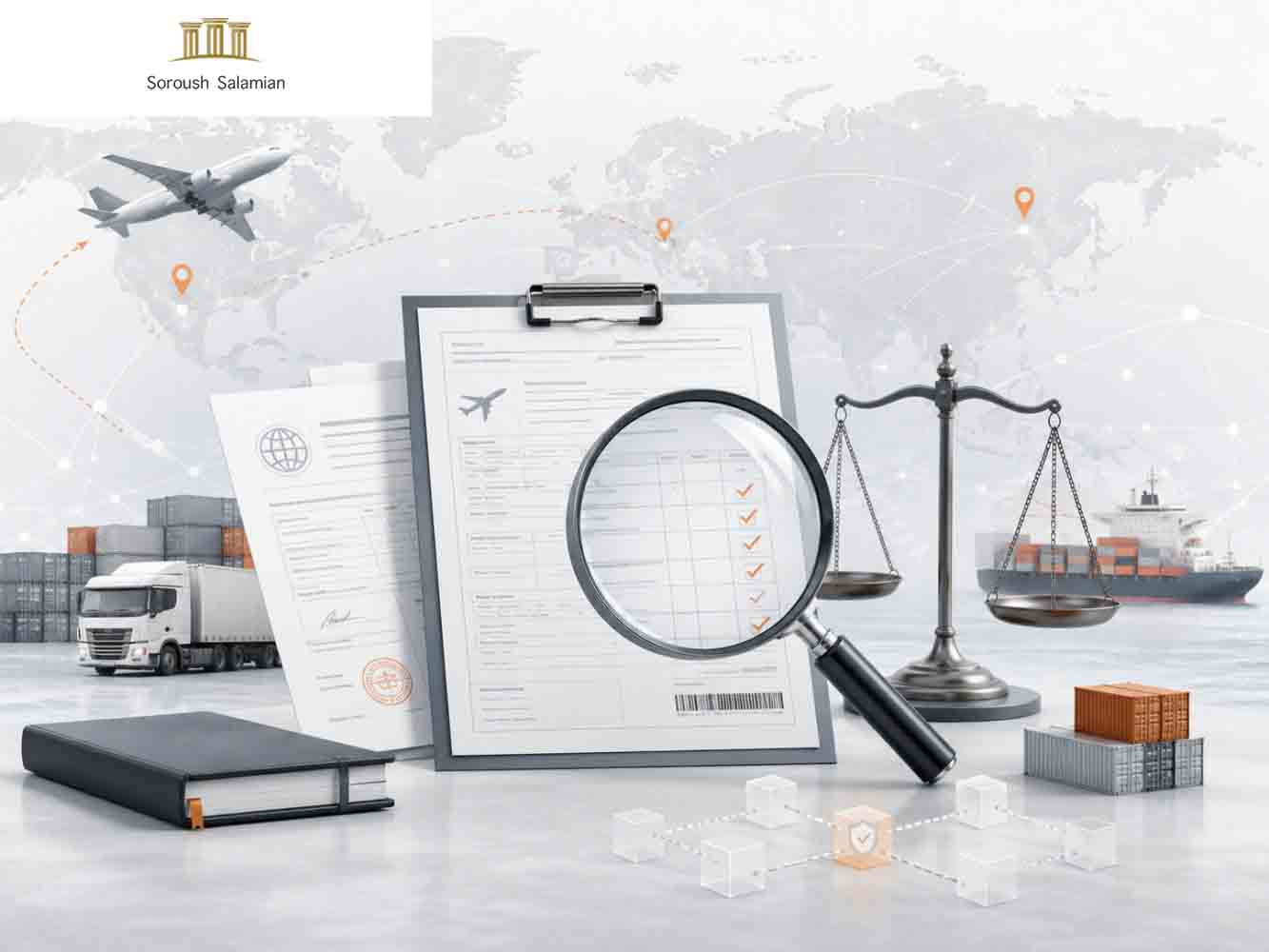
The Most Common Causes of Disputes Between Freight Forwarders and Customers
Disputes between freight forwarding companies and their customers commonly arise from differing expectations, a lack of contractual clarity, or changes in transportation conditions. One of the most frequent sources of disagreement concerns the expected delivery date. A customer may expect a shipment to arrive on a specific date. At the same time, factors such as weather conditions, port congestion, customs delays, or transportation route restrictions may affect the original schedule.
Disagreements over costs are another significant source of disputes. Additional charges, including storage fees, rerouting expenses, customs-related charges, or supplementary service costs, should be clearly addressed from the outset. A lack of clear agreement regarding such charges may result in financial disputes.
In some cases, disputes arise from cargo damage or disagreements regarding liability for the resulting loss. The condition of the goods at the time of delivery, transportation reports, insurance coverage, and contractual terms all play an important role in determining responsibility. To reduce the likelihood of such disputes, it is important to prepare clear contracts, maintain accurate transportation records, define the parties’ obligations, and ensure continuous communication between the customer and the freight forwarder.
Negotiation and Mediation Methods for Resolving Transportation Disputes
Negotiation is often one of the first and most cost-effective methods of resolving freight forwarding disputes. In many cases, a dispute can be addressed through direct discussions between the parties and a careful review of the relevant documents. Negotiation allows the parties to identify a practical solution without becoming involved in lengthy formal legal proceedings and may also enable them to preserve their ongoing commercial relationship.
In more complex disputes, mediation may provide an effective alternative. Under this process, an independent and neutral third party assists the parties in examining the issues and working toward a mutually acceptable settlement. The mediator does not impose a binding decision but instead facilitates and manages the negotiation process.
Accurate documentation is particularly important for successful negotiation or mediation. Transportation contracts, bills of lading, delivery reports, correspondence, and records relating to charges and expenses may be essential in identifying the nature and scope of the dispute. In many freight forwarding disputes, reaching an out-of-court settlement can reduce costs, preserve commercial relationships, and prevent disruptions to supply chain operations.
Disputes Arising from Delays in Transportation and Delivery of Goods
Transportation delays are among the most common causes of disputes between parties involved in freight forwarding operations. When goods do not arrive at their destination within the agreed timeframe, various forms of loss may occur, including production interruptions, lost sales opportunities, or increased storage expenses.
When assessing liability for a delay, the first step is to determine the underlying cause. Certain delays may be outside the reasonable control of the carrier or freight forwarder, including emergencies, legal restrictions, or unforeseen disruptions along the transportation route. By contrast, where a delay results from a failure to perform contractual obligations, the party responsible for that failure may potentially face legal liability.
In such circumstances, reviewing the available legal actions in cases of cargo delays becomes important because the appropriate course of action depends on factors such as the contract, governing law, extent of the loss, and responsibility of each party. Maintaining accurate records of the dates and times of receipt, dispatch, storage, interruption, and final delivery may be important in supporting or defending a claim. Proper document management and continuous communication among the parties can also help prevent a dispute from escalating.
Legal Challenges in International Transportation and Freight Forwarding
International transportation involves numerous legal challenges because goods cross national borders, different legal systems may apply, and several service providers may participate in the transportation process. Questions concerning jurisdiction, applicable law, allocation of liability, and compensation for loss are among the issues that may arise in this context.
In cross-border transactions, contractual terms require particular attention because a single dispute may involve the laws of several jurisdictions. For example, the responsibilities of the carrier, freight forwarder, insurer, and cargo owner should be clearly defined.
Understanding the legal challenges in cross-border transportation is particularly important in this area. Differences in customs regulations, import and export restrictions, documentary requirements, and the laws of the destination country may make the dispute resolution process more complex. To reduce legal risk, businesses should consider using standardized contracts, specialized legal advice, and reputable transportation partners. A clear understanding of the applicable legal framework can significantly improve the management of potential disputes.
Freight Forwarder Liability in Multimodal Transportation
In multimodal transportation, goods are moved using more than one mode of transport, such as road, sea, rail, or air transportation. This type of arrangement requires coordination among several parties, which may increase the likelihood of disputes.
One of the principal issues in multimodal transportation is determining responsibility at each stage of the journey. If goods are damaged or delayed during a particular segment of transportation, it is necessary to identify which party bears responsibility for the relevant event. Detailed contracts and accurate records for each stage of transportation can help resolve such disputes.
Liability in multimodal transport is especially important because of the complexity of the transportation chain. A freight forwarder responsible for managing the overall process must coordinate the activities of different carriers, transportation documents, schedules, and applicable legal requirements. If a dispute arises, the contract, transportation route, role of each company, and conditions of delivery should be examined to determine responsibility. Professional management of multimodal transportation can help reduce the likelihood of legal disputes.
The Role of Transportation Documents in Proving and Resolving Freight Forwarding Disputes
Transportation documents are among the most important forms of evidence in assessing and resolving freight forwarding disputes. Bills of lading, invoices, packing lists, transportation contracts, certificates relating to the goods, and delivery reports may provide essential information concerning the terms of the transaction and the responsibilities of the parties.
In many disputes, missing or incomplete documentation can make it difficult to establish a claim. For example, where goods have been damaged, a report recording the condition of the shipment at the time of delivery may help determine when and during which stage of transportation the damage occurred.
Accurate records concerning the movement and route of the goods are also important. Modern tracking technologies can provide additional information regarding the status and progress of a shipment. In this context, cargo tracking and legal liability are particularly relevant because recorded tracking information may be used to assess the timing, route, and circumstances surrounding the transportation of goods. Proper document management from the beginning of the transportation process through final delivery allows the parties to rely on documented information if a dispute arises.
Strategies for Reducing Freight Forwarding Disputes in the Future
Preventing freight forwarding disputes generally requires less time and expense than resolving them after they have arisen. One of the most important preventive measures is selecting a reputable freight forwarding company and reviewing its experience in managing comparable shipments. Preparing a clear contract, defining responsibilities, maintaining accurate transportation records, and obtaining appropriate insurance coverage are among the measures that may reduce the risk of disputes. Continuous communication between the cargo owner and the transportation company can also help identify and address potential problems early.
The use of modern technologies, including transportation management systems, digital document management, and shipment tracking tools, can also improve transparency. When information concerning the transportation route, schedule, and condition of the goods is readily available, many potential disputes can be addressed before they develop into legal claims.
Effective freight forwarding dispute resolution requires a combination of professional management, knowledge of transportation law, and cooperation among the parties involved. Careful planning before transportation begins can help prevent many financial and legal complications in the future.
Frequently Asked Questions About Freight Forwarding Dispute Resolution
Freight forwarding disputes are generally resolved by reviewing the contract and transportation documents, conducting negotiations between the parties, using mediation, and, where necessary, pursuing formal legal remedies. The primary objective is to determine the responsibilities of the parties and identify an appropriate solution for compensation or the continuation of the commercial relationship.
Delays in the delivery of goods, disagreements over costs, cargo damage, problems with transportation documents, failure to perform contractual obligations, and ambiguity regarding the responsibilities of the parties are among the most common causes of freight forwarding disputes.
In certain circumstances, yes. If the delay results from a failure to perform contractual obligations, legal liability may arise for the freight forwarder or another responsible party. Determining liability requires an examination of the contract, the cause of the delay, and the applicable laws.
A contract plays an important role in preventing and resolving disputes by defining the parties' obligations, costs, delivery terms, responsibilities, and dispute resolution procedures. A carefully drafted contract makes it easier to assess the circumstances and determine responsibility when a problem arises.
Transportation documents, including bills of lading, contracts, invoices, and delivery reports, may provide important information regarding the condition of the goods, transportation timeline, and responsibilities of the parties. Such documents can be highly important for establishing claims during negotiation, mediation, and formal legal proceedings. How are freight forwarding disputes resolved?
What are the most common causes of disputes in the freight forwarding process?
Can a delay in transporting goods create legal liability for a freight forwarder?
Why is the contract important in resolving freight forwarding disputes?
What role do transportation documents play in freight forwarding disputes?




Can a forwarder charge demurrage if the delay was caused by customs and not by me?
It may depend on the contract, the applicable tariff terms, and who was responsible for the customs delay. Demurrage and similar charges can sometimes apply even when the cargo owner did not directly cause the delay. The relevant documents and communications should be reviewed before determining whether the charge can be challenged.
What happens if the freight forwarder used another carrier without telling us and the cargo got damaged?
That can raise questions about the forwarder’s contractual authority and the allocation of liability between the forwarder and the subcontracted carrier. The answer usually depends on the transportation agreement, bill of lading, and applicable law. A review of the contractual chain is important before deciding which party should be pursued.
Is there usually a deadline for making a claim against a freight forwarder?
Yes, transportation claims can be subject to relatively short notice requirements or limitation periods, depending on the type of transport, contract, and governing law. Missing a contractual or statutory deadline may affect a claim, so it is generally advisable to review the relevant documents as soon as a dispute arises.
Can emails between us and the forwarder be used if the written contract doesn’t cover the issue?
Emails and other written communications can be relevant when determining what the parties discussed, agreed to, or understood during the transaction. Their legal significance depends on the contract and applicable law. They should be reviewed together with the formal transportation documents rather than in isolation.
Our goods arrived fine but the forwarder refuses to release them because of a payment dispute. Can they legally hold the cargo?
In some situations, a freight forwarder or carrier may claim a contractual or legal right to retain goods for unpaid charges. Whether that right exists and how far it extends depends on the contract, local law, and the nature of the outstanding amount. The specific documents should be reviewed before taking action.
If the contract says disputes have to be handled in another country, are we always stuck with that?
Jurisdiction and dispute resolution clauses are often important, but their enforceability can depend on the wording of the clause, the countries involved, and the applicable legal rules. In some cases, there may be grounds to challenge or interpret such a clause differently. A case-specific review would be necessary.
Can a freight forwarder blame force majeure for any delay caused by a port closure?
Not automatically. Whether a force majeure provision applies depends on the contract, the cause of the delay, whether the event was beyond the party’s control, and what steps were taken to reduce the impact. The wording of the clause and the surrounding facts are particularly important.
If insurance paid for the damaged cargo, can we still take action against the forwarder?
Possibly, but once an insurer pays a claim, subrogation rights may become relevant. This can affect who has the right to pursue the responsible party and for what amount. The insurance policy, settlement documents, and transportation contract should be reviewed before any further claim is made.
Does a screenshot from a cargo tracking system actually help in a legal dispute?
It can. Tracking records may help establish timing, location, route changes, or periods of delay. However, their evidentiary value depends on the reliability of the system and whether the records can be properly authenticated. They are usually stronger when supported by other transportation documents and correspondence.
What if the bill of lading and the forwarding agreement say different things about liability?
Conflicting contractual documents can complicate liability analysis. The outcome may depend on which document governs the specific issue, the order of priority between the documents, and the applicable law. In that situation, both documents should be reviewed carefully before determining the parties’ rights and obligations.