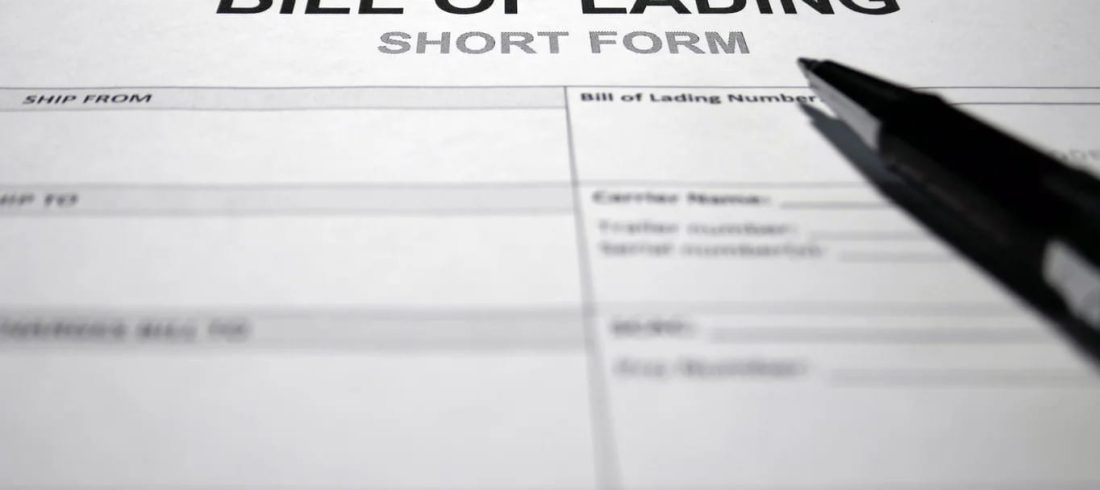
A Legal Guide to Salvage of Ships and Cargo at Sea
Salvage of ships and cargo at sea is an important subject in maritime law and international shipping. Incidents such as vessel collisions, engine failures, fires, groundings, hull flooding, or exposure to adverse weather can endanger crew members’ lives, vessel safety, and cargo value. Under such circumstances, salvage operations are undertaken to minimize losses, remove vessels from dangerous situations, and preserve maritime property.
Salvage vessels, tugboats, specialized maritime salvage companies, or other capable vessels may carry out these operations. From a legal perspective, matters such as entitlement to salvage remuneration, shipowner liability, cargo owners’ rights, and determining operational expenses are particularly significant.
The key considerations regarding the salvage of ships and cargo at sea include:
- Identifying maritime hazards and selecting appropriate methods for salvaging vessels and cargo.
- Understanding the differences between maritime salvage operations and ordinary towage services.
- Determining the rights and obligations of shipowners, vessel masters, and salvors.
- Calculating salvage remuneration under contractual provisions and applicable regulations.
- Documenting losses and examining insurance coverage for vessels and cargo.
This article by Soroush Salamian Law Firm examines these matters in detail, with a focus on maritime and international law.
What Is the Salvage of Ships and Cargo at Sea?
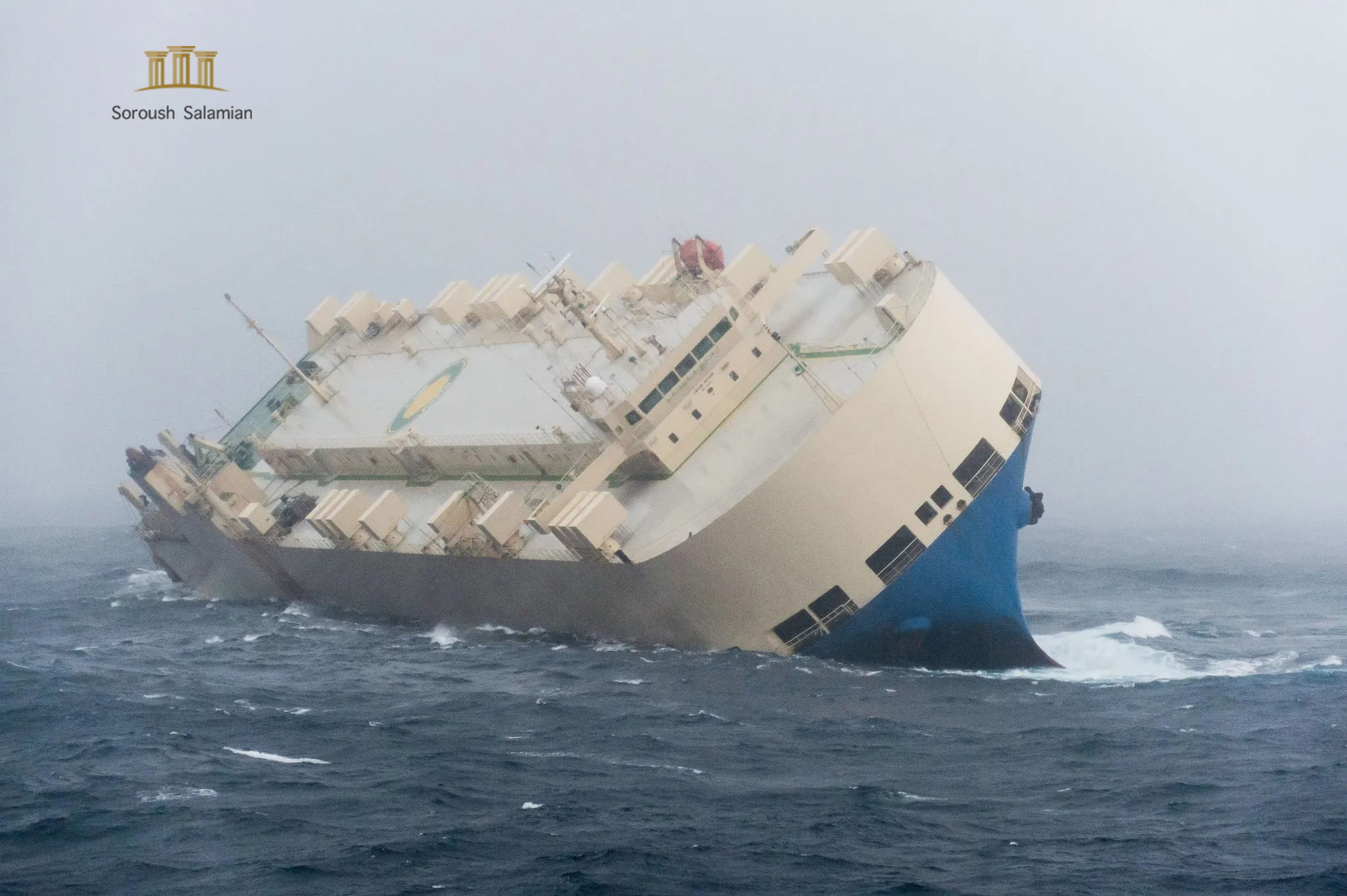
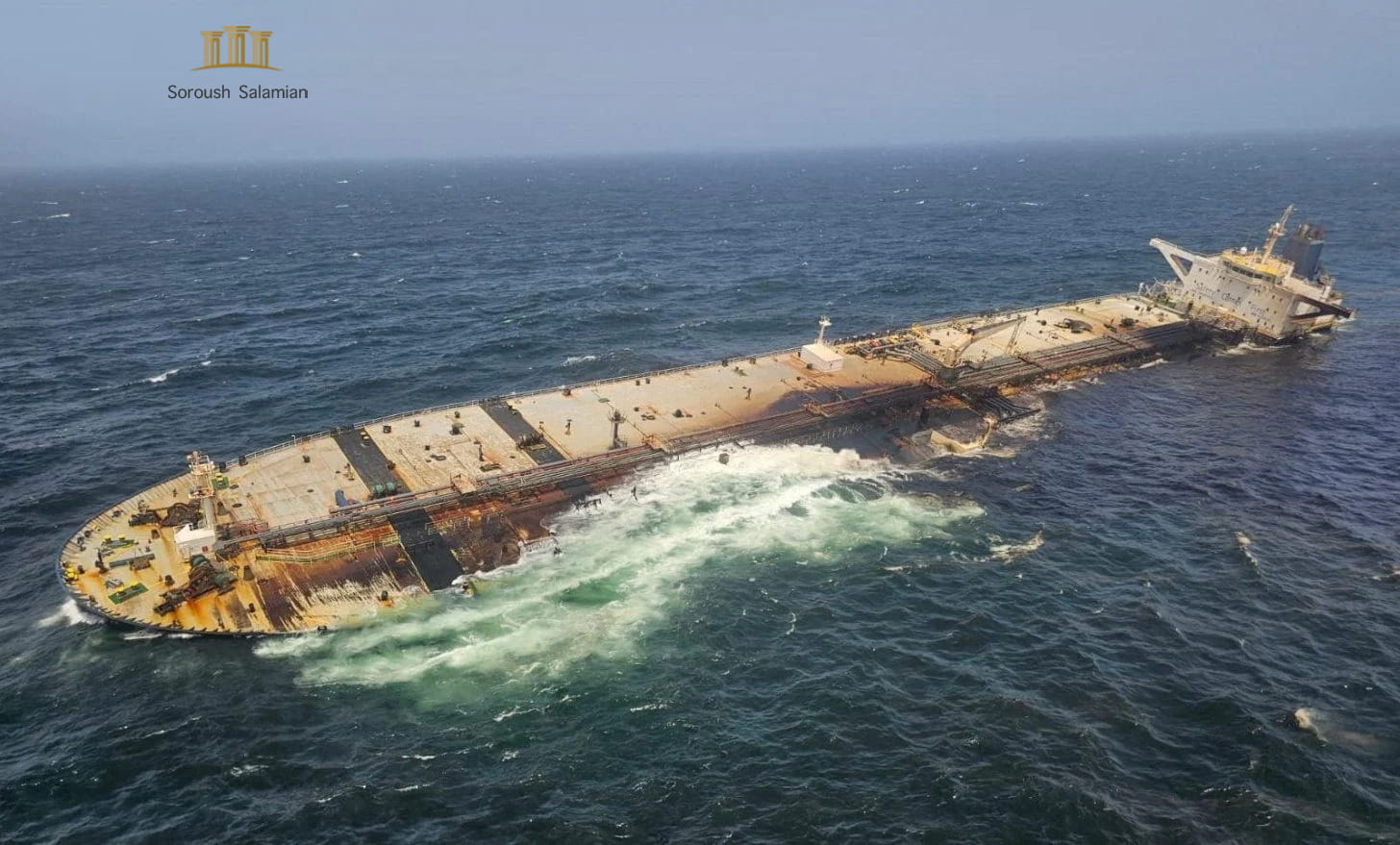
Maritime salvage refers to operations undertaken to assist vessels or maritime property exposed to danger. These operations may include moving a vessel to safety, refloating a grounded vessel, controlling water ingress, extinguishing fires, recovering floating or sunken cargo, and preventing further damage.
The incident circumstances play a decisive role in determining the appropriate salvage operation. For example, if a vessel experiences engine failure in heavily trafficked waters, towing it to a safe location may be the primary solution. Where a vessel suffers significant water ingress, the initial priority may be to control flooding and assess the vessel’s stability. If cargo is at risk of falling overboard, securing the cargo and transferring it to another vessel may take precedence.
Maritime salvage may be undertaken to preserve an entire vessel or may be limited to recovering part of its cargo or equipment. In certain incidents, protecting human life and preventing marine environmental pollution take priority.
Under Iranian maritime law, Chapter Eleven of the Iranian Maritime Law addresses assistance and salvage at sea. Article 173 governs, within its prescribed scope, assistance and salvage involving seagoing vessels and property aboard them, including cargo and freight.
The Most Common Reasons for Maritime Salvage Operations
Maritime casualties may result from technical failures, natural conditions, human factors, or a combination of these causes. Identifying the cause of an incident helps select the appropriate salvage method, estimate operational expenses, and determine potential liabilities.
- Technical Defects in Vessels: Main engine failures, steering system malfunctions, damaged pumps, or navigation equipment failures may make continuing a voyage difficult or dangerous. Depending on the vessel’s condition, repairs may be carried out on site, or the vessel may be transferred to another location by tugboat.
- Adverse Weather Conditions: Storms, heavy seas, strong winds, and reduced visibility may cause a vessel to deviate from its intended course or increase the risk of collision or grounding. Under such circumstances, the timing of salvage operations and selection of a safe route are particularly important.
- Collisions and Hull Damage: Collisions with other vessels, contact with underwater obstacles, or structural hull damage may cause water ingress and reduce vessel stability. Structural assessments and damage control measures are among the initial responses required in these situations.
- Fires and Explosions: Incidents involving fuel, engine rooms, or hazardous cargo may complicate salvage operations. In such cases, prioritize controlling risks to personnel and rescue vessels.
- Cargo Shifting or Damage: Improper cargo securing, cargo movement caused by waves, or water entering cargo holds may result in losses. Salvage operations may involve stabilizing cargo, conducting controlled unloading, or transferring goods to a safe location.
The cause of an incident does not, by itself, establish legal liability. Determining responsibility requires examining technical evidence, vessel maintenance records, contractual provisions, and the causal relationship between the parties’ conduct and the resulting damage.
Main Stages of Ship and Cargo Salvage Operations
Maritime salvage operations require careful planning, specialized equipment, and coordination among the individuals and organizations involved. Operational procedures vary depending on the incident, the vessel’s location, cargo condition, and environmental circumstances.
- Stage One: Risk Assessment: Assess information on the vessel’s position, hull condition, weather conditions, number of persons aboard, nature of the cargo, and potential environmental pollution. This information determines the urgency of the salvage operation.
- Stage Two: Stabilizing the Vessel: Immediate measures are implemented to prevent further damage. These measures may include controlling water ingress, extinguishing fires, isolating hazardous systems, or securing cargo.
- Stage Three: Selecting the Salvage Method: Depending on the circumstances, the operation may involve towing, emergency repairs, using refloating equipment, discharging cargo, or transferring the vessel to a port of refuge. The selected method must be based on technical assessments and the level of risk involved.
- Stage Four: Conducting the Salvage Operation: The salvage team carries out the operation using vessels, securing equipment, pumps, cables, and other specialized tools. Continuous communication between the master of the distressed vessel and the person directing the salvage operation is essential to minimizing risks.
- Stage Five: Transfer to a Place of Safety and Damage Assessment: Once the situation is under control, the vessel or cargo is transferred to an appropriate location. The condition of the cargo, equipment, and hull is subsequently examined, and the necessary reports are prepared.
Throughout these stages, it is important to maintain accurate records of operational timelines, equipment used, expenses incurred, correspondence, and operational decisions. Such documentation may be used to determine salvage remuneration, process insurance claims, and resolve potential disputes.
Differences Between Maritime Salvage and Ordinary Towage
Maritime salvage and towage may both involve moving a vessel, but they differ in the nature of the services provided and their legal implications.
Ordinary towage is generally performed pursuant to a prearranged contract. For example, a tugboat may transport a vessel from a port to a repair facility or assist with port maneuvers. Under such circumstances, the service provided ordinarily falls within the scope of contractual obligations.
In salvage operations, however, the vessel or maritime property is exposed to danger, and the salvor intervenes to prevent or reduce losses. The existence of genuine danger, the nature of the services provided, the outcome of the operation, and the contractual terms are important factors in determining the legal classification of the service.
Article 176 of the Iranian Maritime Law provides that a tugboat is not ordinarily entitled to separate salvage remuneration for assisting or salvaging the vessel and cargo under tow unless it has rendered exceptional services beyond its obligations under the towage contract.
Accordingly, the mere use of a tugboat does not automatically establish a salvage operation that gives rise to an independent entitlement to salvage remuneration. Determining the parties’ rights requires an examination of the agreement, the circumstances of danger, and the actual nature of the services provided.
Responsibilities of Shipowners, Vessel Masters, and Salvors
Several parties may have different rights and responsibilities during maritime salvage operations. Each party’s obligations depend on the governing law, contractual arrangements, and the incident’s circumstances.
- Shipowner Responsibilities: Shipowners must comply with the statutory and contractual obligations relating to vessel safety and maintenance. After an incident, key considerations include investigating the cause, providing required information, coordinating with insurers, and cooperating in salvage operations. Liability for compensation depends on the cause of the incident and the applicable legal provisions.
- Duties of the Vessel Master: The master must assess the condition of the vessel and its cargo, take necessary measures to reduce risks, and communicate relevant information to the appropriate authorities. Article 100 of the Iranian Maritime Law emphasizes the master’s duty to make efforts to save the vessel, cargo, and crew in unforeseen emergencies. Article 182 also establishes the obligation to assist persons in danger at sea, to the extent possible and subject to the prescribed conditions.
- Rights and Obligations of Salvors: Salvors must conduct operations in accordance with the prevailing risks, their technical capabilities, and the obligations they have undertaken. Salvage remuneration may depend on the outcome of the operation, the risks encountered, the expenses incurred, and the value of the property saved. Negligence or fraudulent conduct by a salvor may also affect entitlement to remuneration or create other liabilities.
- Rights of Cargo Owners: Cargo owners may help determine the salvage method, provide evidence of ownership, and pursue compensation claims. Their rights against shipowners, carriers, salvors, or insurers must be assessed under the contract of carriage, insurance policy, and applicable regulations.
How Is Salvage Remuneration for Ships and Cargo Determined?
A principal legal issue in salvage operations is determining the amount payable to the salvor. Salvage remuneration depends on the incident’s circumstances, the nature of the services provided, and the governing legal provisions. Consequently, the amount varies across cases.
Under Article 174 of the Iranian Maritime Law, fair remuneration is awarded for assistance and salvage operations that produce a useful result. Under this provision, the general rule is that no salvage remuneration is payable where the operation produces no useful result. Furthermore, the amount payable cannot exceed the value of the property saved.
Article 178 provides that the parties determine salvage remuneration by agreement. In the absence of an agreement, the court determines the amount.
Pursuant to Article 180, the court considers factors such as the following when determining salvage remuneration:
- The degree of success achieved during the salvage operation.
- The severity of the danger threatening the vessel, crew members, passengers, and cargo.
- The efforts, skills, and actions of the salvors.
- The duration of the salvage operation.
- The expenses incurred and losses sustained by the salvors.
- The value of the property saved and the equipment employed.
A salvage agreement may establish the method for calculating remuneration, additional operational expenses, the allocation of payments among salvors, and procedures for resolving disputes.
Nevertheless, Article 179 of the Iranian Maritime Law allows modification or rescission of an assistance or salvage agreement under certain circumstances, including unfair contractual terms or established fraud or deception.
In international cases, it is necessary to determine whether specific maritime salvage conventions and regulations apply. For example, the International Maritime Organization’s International Convention on Salvage, 1989, sets out principles governing salvage remuneration and establishes mechanisms that account for salvors’ efforts to prevent marine environmental pollution.
The Role of Insurance in Ship and Cargo Salvage
Marine insurance may cover a significant portion of the expenses and losses associated with maritime casualties. However, coverage depends on the type of insurance policy, contractual terms, exclusions, and applicable regulations.
- Hull and Machinery Insurance: This insurance may cover physical damage to a vessel’s hull and equipment under specified conditions. Depending on the policy terms, it may also cover certain salvage-related expenses.
- Marine Cargo Insurance: This insurance covers risks affecting goods during maritime transportation. Damage resulting from flooding, fire, sinking, or other insured perils is assessed according to the coverage selected and the exclusions contained in the policy.
- Marine Liability Insurance: Coverage for the liability of shipowners or vessel operators toward third parties, certain categories of damage, and expenses associated with maritime incidents may be available through marine liability insurance policies.
Following an incident, notifying the insurer within the prescribed period, preserving shipping documents, preparing incident reports, and recording salvage expenses are important requirements.
Where feasible, before undertaking nonemergency measures, review the policy requirements for approving expenses and selecting contractors.
Do not assume that all salvage expenses or cargo losses are automatically covered by marine insurance. Reviewing the policy provisions and establishing the connection between the incident and the resulting damage are essential to determining whether coverage applies.
Rights of Cargo Owners and Procedures for Addressing Damage to Salvaged Goods
Successful salvage of a vessel does not necessarily mean its cargo will reach the intended destination undamaged. Goods may sustain damage through exposure to water, impact, contamination, temperature fluctuations, or emergency handling. Accordingly, assessing cargo condition after salvage is particularly important.
First, compare the inventory of salvaged cargo with the shipping documents and cargo manifest. Record the number of packages, their external condition, and any signs of moisture, breakage, or other damage. Where possible, photographs and video recordings of the goods before further unloading or handling may help preserve evidence.
Cargo owners should retain the contract of carriage, insurance policy, bill of lading, and relevant correspondence. Where damage is visible, obtaining an expert assessment and notifying the relevant parties within the prescribed deadlines are important considerations.
Delays in reporting damage or the loss of supporting evidence may complicate legal proceedings and insurance claims.
You must also distinguish between salvage expenses and cargo damage. Salvage expenses relate to services rendered to preserve a vessel or maritime property exposed to danger, whereas cargo damage concerns physical deterioration or a reduction in the value of goods. Each may be subject to different contractual and insurance provisions.
When salvage operations involve transferring cargo to another vessel or conducting emergency discharge, you must also review storage conditions, responsibility for cargo delivery, and warehousing expenses.
Ultimate liability cannot be determined without reviewing the relevant documentation and establishing the cause of the damage.
Essential Measures and Legal Considerations Following Ship Salvage
After salvaging a vessel or its cargo, timely, well-documented measures can help prevent further losses and support the resolution of potential disputes.
- Preparing an Incident Report: The report should record the date and time of the incident, its location, weather conditions, the vessel’s condition, the nature of the damage, actions taken, and the individuals present.
- Collecting Salvage Documentation: Preserve salvage agreements, technical reports, equipment invoices, working hours, towage expenses, and correspondence between the parties. These documents are important when assessing salvage remuneration and recoverable expenses.
- Notifying Insurers and Contractual Parties: Shipowners, carriers, and cargo owners must take the necessary steps under their respective obligations and the notification periods specified in contracts and insurance policies.
- Obtaining an Independent Damage Assessment: Where disputes arise concerning the extent or cause of damage, a report prepared by a maritime expert or loss adjuster may help clarify the relevant circumstances.
- Examining the Governing Law and Limitation Periods: In international salvage operations, the location of the incident, the vessel’s flag, contractual provisions, choice-of-law clauses, and court jurisdiction or arbitration agreements may influence the determination of applicable regulations. Under Iranian law, Article 183 of the Iranian Maritime Law establishes a two-year limitation period for claims arising under the chapter governing assistance and salvage at sea, calculated from the date on which the assistance or salvage operation ends. However, before relying on this limitation period, the nature of the claim and the applicable legal provisions must be established.
Overall, effectively managing salvage operations requires technical cooperation, accurate documentation, and a clear understanding of the rights and obligations of the parties involved.
Prompt action to minimize risks, together with a careful examination of contractual arrangements and applicable regulations, may help prevent further losses and avoid prolonged legal disputes.
Frequently Asked Questions About the Salvage of Ships and Cargo at Sea
Maritime salvage refers to operations undertaken to assist vessels or maritime property exposed to danger. These operations may include emergency towage, controlling water ingress, extinguishing fires, refloating grounded vessels, and recovering cargo.
Specialized maritime salvage companies, equipped vessels, tugboats, and other vessels with the necessary technical capabilities may conduct salvage operations. The selection of a salvor depends on the nature of the incident, the equipment required, safety conditions, and applicable regulations.
Entitlement to salvage remuneration depends on the governing law, the agreement, and the outcome of the operation. Under Article 174 of the Iranian Maritime Law, fair remuneration is awarded for salvage operations that achieve a useful result. Where no useful result is achieved, the general rule is that no salvage remuneration is payable.
Salvage remuneration may be determined by agreement between the parties. In the absence of an agreement, the court determines the amount by considering factors such as the degree of success, severity of danger, efforts of the salvors, duration of the operation, expenses incurred, and value of the property saved.
Ordinary towage is generally performed under a service contract. In contrast, maritime salvage involves assisting vessels or maritime property exposed to danger. The nature of the services provided, the existence of danger, and the contractual provisions determine the financial rights of the parties.
The condition of the goods should be documented through photographs, expert reports, and comparison with the shipping documents. Notifying insurers and contractual parties within the prescribed deadlines and preserving the bill of lading, insurance policy, and salvage documentation are important for pursuing compensation claims.
Coverage of salvage expenses depends on the type of insurance policy, contractual terms, exclusions, and applicable regulations. The policy provisions and circumstances of the incident must be examined to determine which expenses and losses are recoverable.
Article 183 of the Iranian Maritime Law establishes a two-year limitation period for claims arising under the chapter governing assistance and salvage at sea, calculated from the date on which the operation ends. Given the nature of individual claims and the possible application of other regulations, a legal assessment of the case is essential before taking action. What does the salvage of ships and cargo at sea mean?
Who can conduct maritime salvage operations?
Is a salvor always entitled to salvage remuneration?
How is salvage remuneration for ships and cargo determined?
What is the difference between maritime salvage and towage?
What should be done if cargo is damaged following salvage?
Does marine insurance cover ship salvage expenses?
What is the limitation period for maritime salvage claims in Iran?