What Is a Negotiable Bill of Lading and How Is It Used in International Trade?
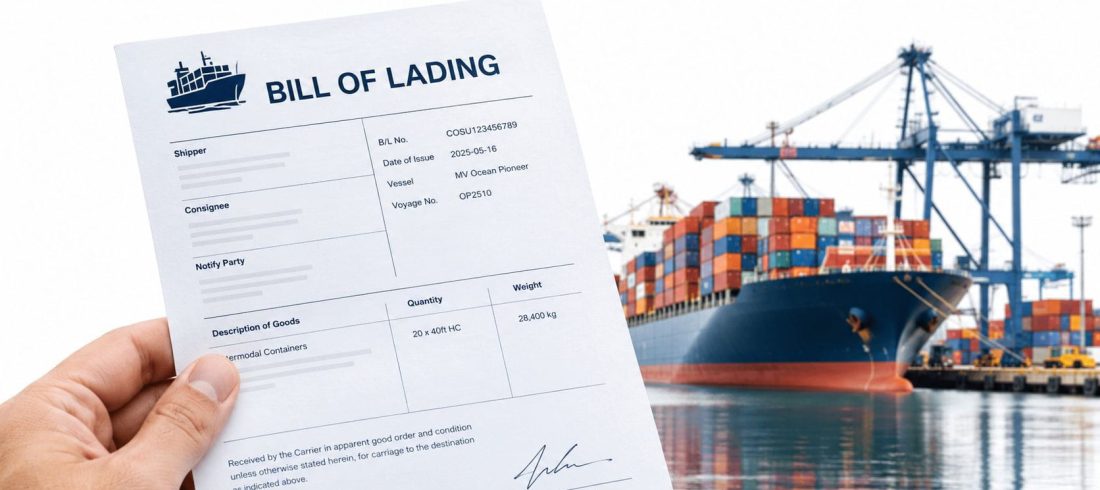
A negotiable bill of lading is an important document in international transportation of goods that allows the rights under the document to be transferred to another party. A shipping company or its authorized agent generally issues this document and provides the parties involved in a transaction with information about the goods, shipper, consignee, port of loading, port of discharge, and terms of carriage. The principal characteristic of this type of bill of lading is its transferability through endorsement or another method recognized under the governing law.
Accordingly, when a bill of lading is issued in negotiable form, its lawful holder may transfer the rights to take delivery of the goods to another party. This characteristic is particularly significant in international transactions, as goods may be resold to another buyer while in maritime transit, or the relevant shipping documents may be used for settlement through banking arrangements.
A negotiable bill of lading differs from documents that merely record the receipt of goods in the name of a specified consignee. For example, a bill of lading issued to a named consignee that is non-negotiable is generally unsuitable for transferring rights relating to the goods through the transfer of the document itself.
However, the negotiability of a bill of lading does not necessarily automatically transfer ownership of the goods under every legal system. The legal consequences of transferring the document depend on the bill of lading’s terms, the sales contract, the governing law, and the transaction’s circumstances. Therefore, examining the type of bill of lading before executing a contract or making payment is essential in international trade.
Key Characteristics of a Negotiable Bill of Lading
A negotiable bill of lading possesses several important characteristics that make it a practical instrument in international commercial transactions.
The first characteristic is the ability to transfer rights associated with the document to a subsequent holder. This feature allows traders to assign their rights to another party, subject to applicable legal and contractual requirements, while the goods are still in transit.
The second characteristic is the bill of lading’s role as evidence of receipt of goods for carriage. After receiving the cargo and complying with the applicable requirements for issuing the document, the carrier records shipment information in the bill of lading. This information may include the description of the goods, number of packages, weight, shipper’s details, and relevant ports.
The third characteristic concerns the bill of lading’s role in the cargo delivery process. In many cases, presenting an original negotiable bill of lading and complying with the prescribed formalities are important requirements for obtaining delivery of the cargo. Nevertheless, precise delivery requirements depend on the document’s terms, the carrier’s procedures, and applicable regulations.
Another important characteristic is its use in trade finance and banking transactions. Banks may examine the bill of lading as one of the required documents under a letter of credit or other commercial financing arrangements.
To ensure proper use of a bill of lading, the information in the document must match the sales contract, commercial invoice, and other shipping documents. Discrepancies in the description of the goods, the names of the parties, or the terms of carriage may create difficulties in customs clearance, payment, or delivery.
Consequently, carefully examining the information contained in the document and confirming the type of bill of lading before its transfer are particularly important.
Differences Between Negotiable and Non-Negotiable Bills of Lading
The main distinction between negotiable and non-negotiable bills of lading is whether the document’s rights can be transferred to another party and how the cargo consignee is identified. This distinction may affect commercial transactions, payment arrangements, and cargo delivery.
A negotiable bill of lading is generally issued “to order” or contains similar wording that permits transfer in accordance with the document’s terms. In such circumstances, transfer may be accomplished through endorsement and delivery of the document. For example, where a seller ships goods under a negotiable bill of lading, the seller may transfer the rights arising from the document to a subsequent buyer during the course of the transaction.
By contrast, a non-negotiable bill of lading generally identifies a specific consignee. It is not intended to facilitate the transfer of rights relating to the goods through the transfer of the bill of lading itself. A common example is a bill of lading issued in the name of a designated consignee, generally called a Straight Bill of Lading. The procedure for delivering goods under this type of document depends on its terms and the applicable regulations.
The practical distinction between these documents is significant. For example, in a transaction where the goods may be resold during transit, a negotiable bill of lading may provide greater commercial flexibility. However, where the buyer is identified from the outset, and there is no need to transfer the document, a non-negotiable bill of lading may also be suitable.
When selecting the appropriate type of bill of lading, consider the sales contract, payment method, banking requirements, and regulations of the countries of origin and destination. Merely referring to a particular type of document in the contract, without examining its actual wording and conditions, is insufficient to determine its legal consequences.
How Is a Negotiable Bill of Lading Issued and Transferred?
A negotiable bill of lading is generally issued after the goods have been delivered to the carrier or after the prescribed procedures for accepting the shipment have been completed. The issuing party may be the shipping company or its authorized agent. The information recorded in the document must correspond with the actual characteristics of the cargo and the relevant commercial documentation.
Initially, the shipper provides the carrier with the necessary information, including the description of the goods, weight, number of packages, port of loading, and destination. After verifying the information and accepting the shipment under the terms of carriage, the carrier issues the bill of lading. For the document to be negotiable, the consignee designation and the wording governing its transfer must comply with the applicable regulations and requirements of the transaction.
Transfer of a negotiable bill of lading is generally accomplished through endorsement and delivery of the document. However, the precise method depends on how the bill of lading was issued and the governing law. Where a bill of lading is issued to the order of a specified party, the endorsement of that party or subsequent endorsements may be required to transfer the relevant rights. Other circumstances may require different formalities.
In transactions involving letters of credit, the bill of lading may be presented to the bank together with the commercial invoice, packing list, and required certificates. The bank examines the documents for compliance with the letter of credit terms. Discrepancies in wording or information may result in the rejection of documents or delays in payment.

After the document is transferred, the new holder should verify the validity of the chain of transfers and ensure compliance with the requirements for cargo delivery.
Issuing or transferring a bill of lading does not automatically extinguish the contractual obligations of the seller, buyer, or carrier. Carefully examining the relevant documents and seeking specialized advice in high-value transactions may help prevent disputes.
The Role of Negotiable Bills of Lading in International Trade and Letters of Credit
A negotiable bill of lading can play an important role in the relationships between sellers, buyers, banks, and carriers in international trade.
In cross-border transactions, the seller generally must ship the goods in accordance with the sales contract, while the buyer must pay under the agreed terms. As a principal shipping document, the bill of lading records essential information about the cargo and the transportation route.
In certain transactions, payment is arranged through a letter of credit. Under this method, the bank examines the documents presented against the credit terms. Where the letter of credit requires a negotiable bill of lading, the manner of issuance, number of original copies, shipping particulars, and wording contained in the document must comply with the credit requirements.
The negotiability of a bill of lading may be particularly useful where a buyer intends to resell the goods before they arrive at the destination. In such circumstances, transferring the rights associated with the document may facilitate subsequent transactions in the commercial chain. However, the transfer of the bill of lading must align with the sales contract and the parties’ obligations.
A bill of lading may also serve as documentary evidence in potential disputes concerning shipment dates, cargo descriptions, or delivery of goods. Nevertheless, its evidentiary value depends on the document type, its contents, and the governing law.
Traders should recognize that banks generally examine documents according to the terms of the letter of credit and applicable banking rules. A negotiable bill of lading alone does not guarantee payment.
If the document fails to comply with the letter of credit requirements, payment may be delayed, or amendments to the documents may become necessary. Ensuring consistency among the sales contract, payment arrangements, and bill of lading particulars is one of the most important preventive measures in international commercial transactions.
Legal Responsibilities of the Parties Involved in a Negotiable Bill of Lading
Various parties have legal responsibilities related to the issuance, transfer, and use of negotiable bills of lading. Understanding these responsibilities can help reduce commercial disputes and prevent delays in cargo delivery.
The shipper must ensure that the information provided for issuing the bill of lading is accurate and correct to the required extent. Providing incorrect information concerning the nature, weight, or characteristics of the cargo may, under certain circumstances, give rise to contractual or statutory liability. The shipper must also comply with requirements for packaging, cargo declarations, and submission of necessary documents.
The ocean carrier must also perform its obligations under the contract of carriage and applicable regulations. These responsibilities may include issuing the bill of lading based on the information received, transporting the goods in accordance with its obligations, and delivering the cargo under the document’s terms. The extent of the carrier’s liability depends on the contractual provisions, applicable international rules, and relevant legislation.
The buyer or holder of the bill of lading must exercise care when transferring the document, presenting the required originals, and completing the cargo delivery formalities. Where a bill of lading is transferred through endorsement, compliance with the prescribed transfer procedures and verification of the validity of previous transfers are important.
In a dispute, documents such as the sales contract, contract of carriage, bill of lading, commercial correspondence, payment records, and delivery documentation may be relevant to determining the circumstances.
For example, a dispute about delivering cargo to someone who is not the lawful holder of the document may require a detailed examination of the chain of transfers and the applicable delivery conditions.
In general, each party’s liability must be determined based on the actual documents, the nature of the relevant obligations, and the applicable legal provisions. Including clear contractual clauses and conducting a legal review of the documents before shipment may reduce the likelihood of disputes.
Common Problems in Using Negotiable Bills of Lading and How to Prevent Them
Despite the widespread use of negotiable bills of lading, errors in their issuance, transfer, or presentation may disrupt cargo delivery and create additional costs.
One common problem is an incorrect cargo description. Discrepancies between the information in the bill of lading, commercial invoice, and packing list may complicate document examination or prompt requests for amendments.
Another problem concerns errors in designating the consignee and specifying the conditions of transfer. If the document is not issued in accordance with the intended commercial transaction, transferring the rights arising from it may become difficult. Accordingly, before issuing the bill of lading, determine whether the document should identify a specific consignee or be issued in negotiable form.
The loss of an original bill of lading may also complicate cargo delivery. Because many transactions require presentation of an original document, losing a bill of lading may require legal and administrative procedures.
Under such circumstances, the carrier and a legal adviser should be contacted promptly, and unilateral attempts to replace the missing document without following the appropriate procedures should be avoided.
Incomplete or invalid transfers constitute another potential risk. In transactions involving successive buyers, it is particularly important to examine endorsements and supporting transfer documents before purchasing the goods or accepting the bill of lading.
Similarly, using a bill of lading that does not comply with the terms of a letter of credit may delay payment.
To prevent these problems, verify the bill of lading particulars before issuance, store original documents securely, and clearly establish transfer conditions in the contract. Effective coordination between the seller, buyer, bank, and carrier also plays an important role in reducing disputes.
Important Considerations When Selecting and Reviewing a Negotiable Bill of Lading
Select a negotiable bill of lading based on an assessment of the transaction’s commercial requirements and legal circumstances.
The first consideration is whether the rights relating to the goods may need to be transferred to another buyer during maritime transit. If transferring the document forms part of the commercial arrangement, select the appropriate type of bill of lading from the outset.
The second consideration involves examining the wording relating to the consignee and document transfer. Determine whether the bill of lading is issued in the name of a specified party or to the order of a person or another designated party. The requirements for endorsement and delivery must also be examined based on the type of bill of lading and the governing law.
The third consideration is ensuring consistency between the bill of lading, the sales contract, and the payment method. Where a transaction is conducted through a letter of credit, the credit requirements concerning the type of bill of lading, designated ports, shipment date, number of original copies, and other necessary information must be examined.
Another important matter concerns the carrier’s identity and the terms of carriage. Carefully review information relating to the issuing company, date of issuance, receipt of goods for carriage, and any qualifications concerning the condition of the cargo. The wording included in the bill of lading may have significant implications in subsequent disputes.
It is also necessary to establish which law governs the contract of carriage and the legal effects of the bill of lading, and whether specific international rules or conventions apply to the transaction. These matters depend on the shipping route, the contract’s provisions, and the parties’ circumstances.
Finally, for high-value transactions or complex chains of sales, it is advisable to have an international shipping specialist or a lawyer experienced in commercial law review the document. Such a review may reduce the risk of accepting an unsuitable document, disputes concerning cargo delivery, and delays in payment settlement.
Frequently Asked Questions About Negotiable Bills of Lading
A negotiable bill of lading is a document under which the rights arising from it may be transferred to another party, subject to the terms of the document and applicable regulations. Such transfers are generally accomplished through endorsement and delivery of the document. Negotiable bills of lading are used in international transactions, the resale of goods, and certain payment arrangements.
A negotiable bill of lading is designed to facilitate the transfer of rights arising from the document to a subsequent holder. By contrast, a non-negotiable bill of lading generally identifies a specific consignee, and the document itself does not transfer rights in the same way. The choice between these two types depends on the circumstances of the transaction and the procedures for delivering the goods.
A negotiable bill of lading is generally transferred through endorsement and delivery of the document. The precise transfer procedure depends on how the bill of lading was issued, the wording contained in it, and the governing law. Before transferring the document, its validity and the formalities required for transferring the relevant rights must be examined.
A negotiable bill of lading may play an important role in transferring rights associated with taking delivery of goods. However, its effects on ownership differ across legal systems. Determining ownership depends on the sales contract, governing law, and circumstances of the transaction and must be assessed separately.
If an original bill of lading is lost, the carrier or its authorized agent should be notified as soon as possible. Take appropriate measures to prevent unauthorized delivery of the cargo. Issuing a replacement document may require supporting documentation, guarantees, or compliance with legal formalities. Obtaining legal advice before taking action is important. What is a negotiable bill of lading?
What is the difference between a negotiable and a non-negotiable bill of lading?
How is a negotiable bill of lading transferred?
Does a negotiable bill of lading establish absolute ownership of the goods?
What should be done if a negotiable bill of lading is lost?