
Maritime Shipping and Sea Transportation
Today, a significant portion of successful international trade is conducted via maritime shipping and related services. One of the most important factors in determining the mode of transportation is a country’s geographical conditions.
Maritime transportation is the world’s largest industry and employs approximately 2.5 million people. This industry has a substantial impact on countries’ foreign trade, to the extent that nearly ninety percent of global commercial transportation is conducted by sea.
Access to well-equipped cargo vessels is essential for maritime transportation. A considerable share of Iran’s maritime transport operations is carried out through the southern seas of the country.
Important Documents in International Maritime Transportation
Which Goods Can Be Transported by Sea
The following types of goods are suitable for sea transportation:
- Goods with a very large volume.
- Goods for which long transit times do not affect quality, noting that temperature-sensitive goods may be transported using refrigerated containers.
- Goods for which delayed delivery does not result in loss of market opportunity.
Means of Transportation in Maritime Shipping
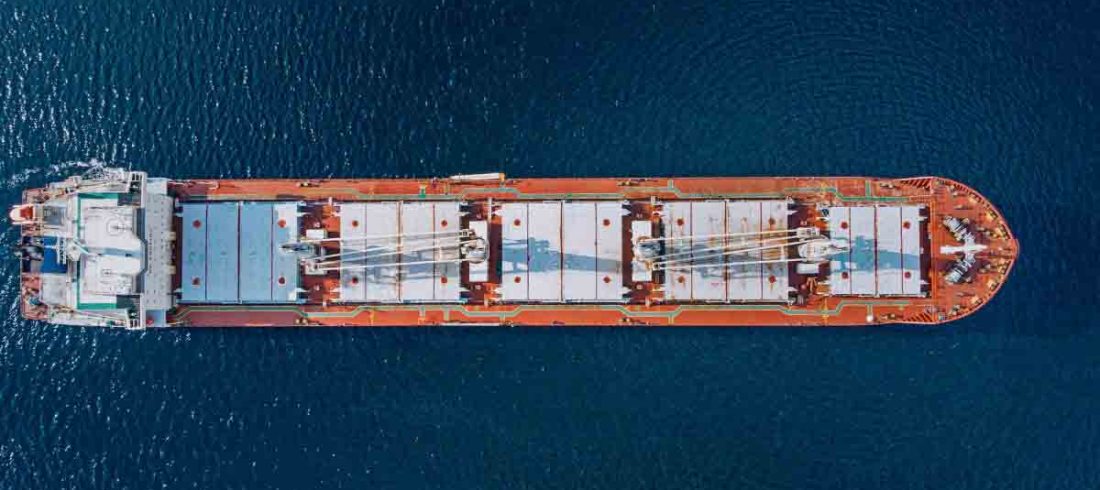
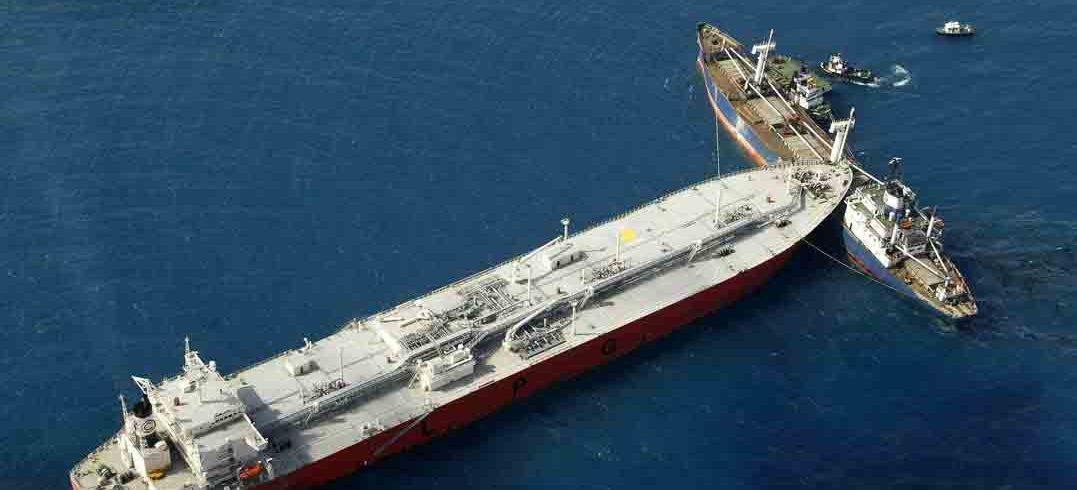
The type of maritime transport vehicle is selected based on the distance between the loading point and destination, as well as the type and volume of goods. Common types include:
- Landing craft.
- Traditional vessels.
- Barges.
- Ships.
- Barges and similar marine vessels.
Advantages of Maritime Shipping and Sea Transportation
- Sea transportation is less costly than other modes of transportation.
- Due to the high volume of goods, operational efficiency in this method is relatively high.
- Freight rates are generally stable and are determined by major maritime transportation companies.
- The transportation of large-volume cargo is possible via maritime shipping.
Advantages of Maritime Transportation in Iran
Due to its geographical position, Iran enjoys several advantages in the field of maritime transportation, including the following:
- Access to major seas in both the northern and southern regions of the country.
- Extensive coastlines.
- Access to international waters through the Indian Ocean.
China, the United Arab Emirates, and South Korea are among the countries with the highest volume of maritime imports to Iran. Major imported goods transported by sea include:
- Medical equipment.
- Industrial raw materials.
- Road construction machinery.
- Sports equipment.
- Aircraft and vessel-related supplies.
- Club and recreational equipment.
- Food and consumable products.
- Various toys and textile machinery.
Disadvantages of Maritime Transportation
Compared to its advantages, the disadvantages of maritime shipping are limited. The primary drawback of this industry is the lengthy transit time. For this reason, maritime transportation is unsuitable for goods that degrade over time or for markets requiring rapid delivery.
Types of Ships Based on Routes
- Liner vessels with regular routes that operate according to a fixed schedule.
- Tramp vessels with irregular routes that do not follow predetermined shipping lines and transport cargo based on demand.
Methods of Maritime Cargo Shipment
Direct Shipping
In this method, the vessel proceeds directly to the destination without any stops, resulting in shorter delivery times.
Indirect Shipping
- Cross-stuffing: An indirect method in which cargo is transferred from one vessel to another before reaching its final destination.
- Chartering: This method is used for transporting large volumes or unpackaged goods. Vessels are chartered exclusively for cargo transportation. Charter contracts are not accepted by banks.
- Transshipment: This method is used when customs clearance is not permitted at the intended port, requiring the cargo to be transferred to another customs office.
- Groupage transportation: also known as consolidated shipping, is used when cargo volume is less than a full container load. The cargo is transported jointly with other shipments and delivered separately at the destination.
- Bulk transportation: In this method, goods are loaded onto the vessel without packaging or containerization.
Frequently Asked Questions About Maritime Shipping and Sea Transportation
High volume goods, goods not affected by long transit times, and goods with low time sensitivity are most commonly transported by sea. Temperature-controlled goods may also be transported in refrigerated containers.
Lower costs compared to other transportation methods, the ability to transport large volume goods, operational efficiency for bulk cargo, and stable freight rates are among the main advantages.
The primary disadvantage is the long transit time, which makes it unsuitable for perishable or time-sensitive goods.
The two main types are liner vessels with regular routes and tramp vessels with irregular routes.
Methods include direct shipping, indirect shipping, cross stuffing, chartering, transshipment, groupage transportation, and bulk transportation. Each method is selected based on the nature of the cargo and destination.
Iran benefits from extensive northern and southern coastlines, access to international waters and the Indian Ocean, and a strategic geographical location.
China, the United Arab Emirates, and South Korea are among the countries with the highest volume of maritime transportation with Iran. Which goods are most commonly transported by sea?
What are the advantages of maritime transportation?
What are the disadvantages of maritime transportation?
What types of ships are used in maritime shipping?
How do different maritime shipping methods differ?
What advantages does Iran have in maritime shipping?
Which countries have the highest maritime trade with Iran?

If cargo needs to be transferred between two ships during the journey, does that have to be specifically allowed in the transport contract?
In many cases, yes. Whether transshipment is permitted depends on the terms of the contract of carriage and, where applicable, the bill of lading. Some agreements expressly authorize it, while others may restrict or prohibit it under certain circumstances.
If bad weather forces a ship to take a longer route, who usually bears the extra transportation costs?
The answer depends on the contract, the applicable law, and the reason for the deviation. Certain circumstances, such as safety concerns or unavoidable navigational risks, may be addressed by contractual clauses or international maritime rules. Each situation should be assessed on its own facts.
Can a shipping company refuse to carry certain cargo even after a booking has been confirmed?
In some circumstances, yes. The carrier’s rights and obligations depend on the transportation agreement, the nature of the cargo, applicable safety regulations, and any legal restrictions affecting the shipment. Reviewing the contract is essential before determining whether such a refusal is justified.
Does maritime transportation law apply only to international voyages, or can it also cover domestic shipping?
Maritime law often applies to both international and domestic shipping, although the governing legal rules may differ depending on the jurisdiction and the nature of the voyage. Domestic legislation and international conventions frequently work together in regulating maritime activities.
If goods are delayed but eventually arrive undamaged, can the cargo owner still have a legal claim?
Possibly. Whether compensation is available depends on the transportation contract, the applicable legal framework, the reason for the delay, and whether the delay caused recoverable losses. Each claim requires a careful review of the relevant facts and contractual provisions.
Are electronic bills of lading becoming more common in maritime transportation?
Yes. Electronic shipping documents are increasingly being used in international trade as technology develops and legal frameworks continue to evolve. Their use, however, depends on the agreement of the parties and compliance with the applicable legal requirements.
Can several carriers become legally responsible for the same shipment if more than one vessel is involved?
Yes. In multimodal or successive transportation arrangements, responsibility may involve more than one carrier depending on the contractual structure and where any loss, damage, or delay occurred. Determining liability requires examining the relevant contracts and applicable legal rules.
Is maritime transportation mainly governed by international conventions, or do individual countries still have their own shipping laws?
Both are important. International conventions provide a common legal framework for many aspects of shipping, while each country also maintains domestic maritime legislation governing matters within its jurisdiction. Together, these rules form the legal structure for maritime transportation.
If cargo is damaged because it wasn’t packed properly before loading, is the carrier always responsible?
Not necessarily. Liability often depends on the cause of the damage and the allocation of responsibilities under the transportation agreement. If inadequate packing by the shipper contributed to the loss, that may affect the legal outcome under the applicable law and contract.
What’s one mistake businesses often make when arranging maritime transportation?
A common mistake is concentrating only on freight rates while paying insufficient attention to contractual terms governing liability, insurance, dispute resolution, delivery obligations, and risk allocation. A carefully drafted transportation agreement can help prevent costly disputes if problems arise during the shipment.