What Are Charter Party Disputes and Why Do They Arise? A charter party is an agreement between a shipowner or vessel operator and a charterer that establishes the terms and conditions governing the use of a vessel or its cargo-carrying capacity. Disputes arise when one party has difficulties with the other party regarding performance of...Read More
Shipowner Liability for Damage Caused by Technical Defects Shipowner liability for damage caused by technical defects is a significant issue in maritime law, closely associated with navigational safety, the shipowner’s legal obligations, and compensation for property damage, personal injury, and loss of life. Engine failures, steering system malfunctions, defects in navigation equipment, or structural deficiencies...Read More
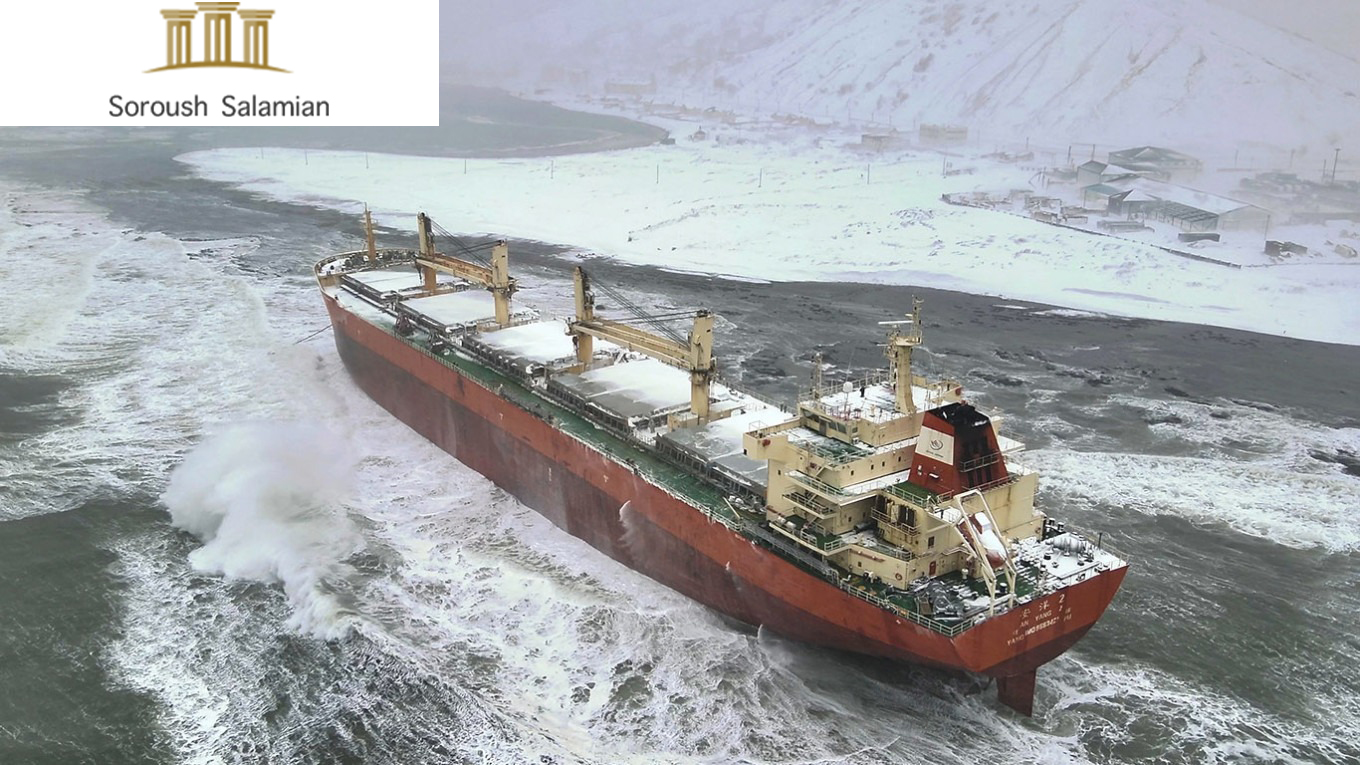
What Are the Consequences and Legal Implications of a Ship Running Aground? A ship runs aground when its hull or other parts of the vessel contact the seabed, shoreline, rocks, or shallow waters, preventing the vessel from continuing its voyage under normal operating conditions. Such an incident may result from navigational errors, equipment failures, inaccurate...Read More
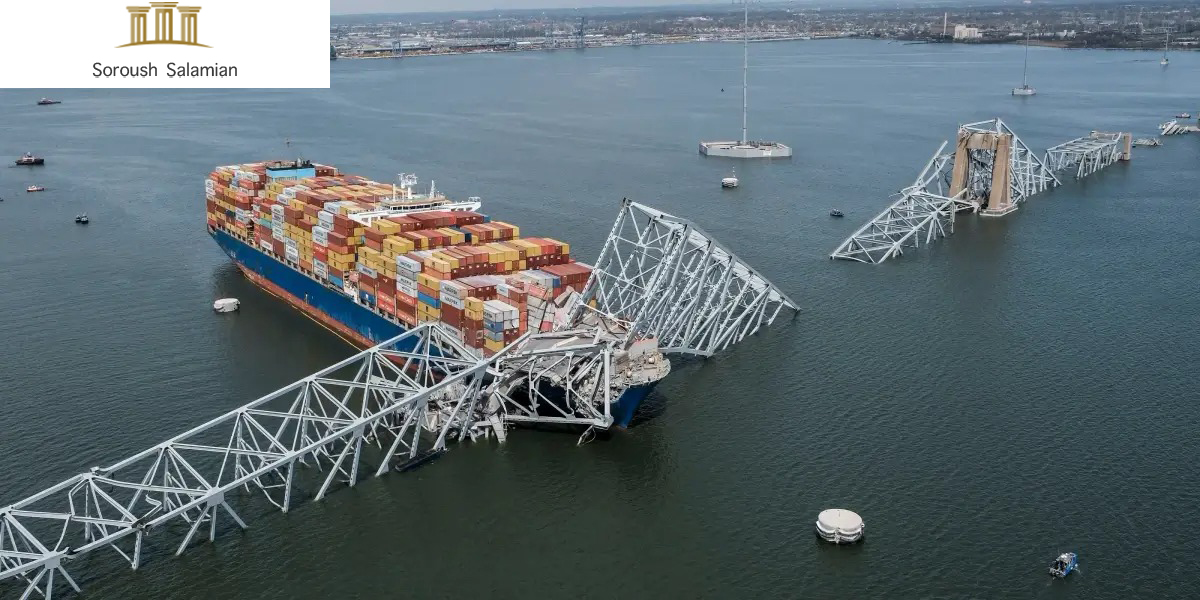
An Examination of Legal Liability for Ship Collisions with Port Facilities Ship collisions with port facilities are significant incidents in the maritime transportation industry that can cause substantial financial damage to docks, cranes, cargo handling equipment, breakwaters, and other port infrastructure. Such incidents may also suspend port operations, delay cargo unloading, trigger disputes between shipping...Read More
Importance of a Bulk Cargo Carriage Contract Bulk cargo transportation is one of the most sensitive and high-risk areas of commercial transportation. The substantial financial value of the goods, large cargo volumes, long transportation routes, and involvement of multiple parties mean that even minor contractual ambiguities may lead to significant disputes. A bulk cargo carriage...Read More
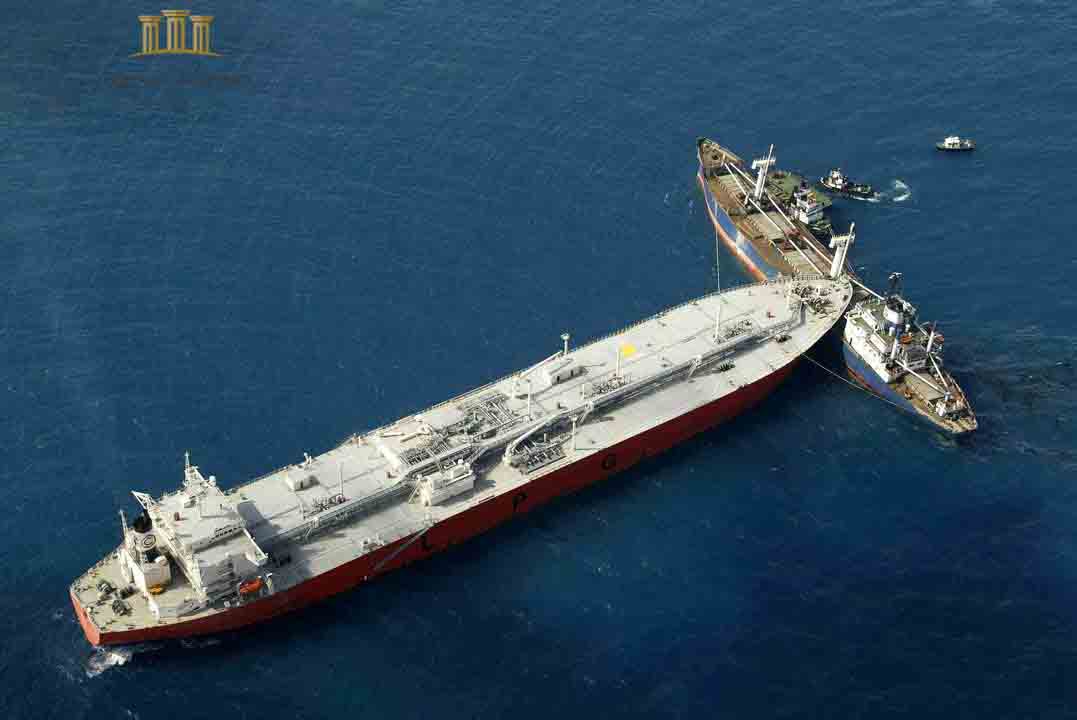
What Is Liability Arising from a Collision Between Two Ships? A collision between two ships is a significant incident under maritime law that can result in property damage, personal injury, loss of life, and environmental harm. In such incidents, determining liability requires a detailed examination of the circumstances surrounding the collision, the conduct of crew...Read More
What Is the Resolution of Legal Freight Forwarding Disputes and Why Is It Important? The resolution of legal freight forwarding disputes refers to the measures and procedures used to manage and resolve disputes among cargo owners, freight forwarding companies, carriers, customs authorities, and other parties involved in the transportation process. In international transactions, multiple parties,...Read More
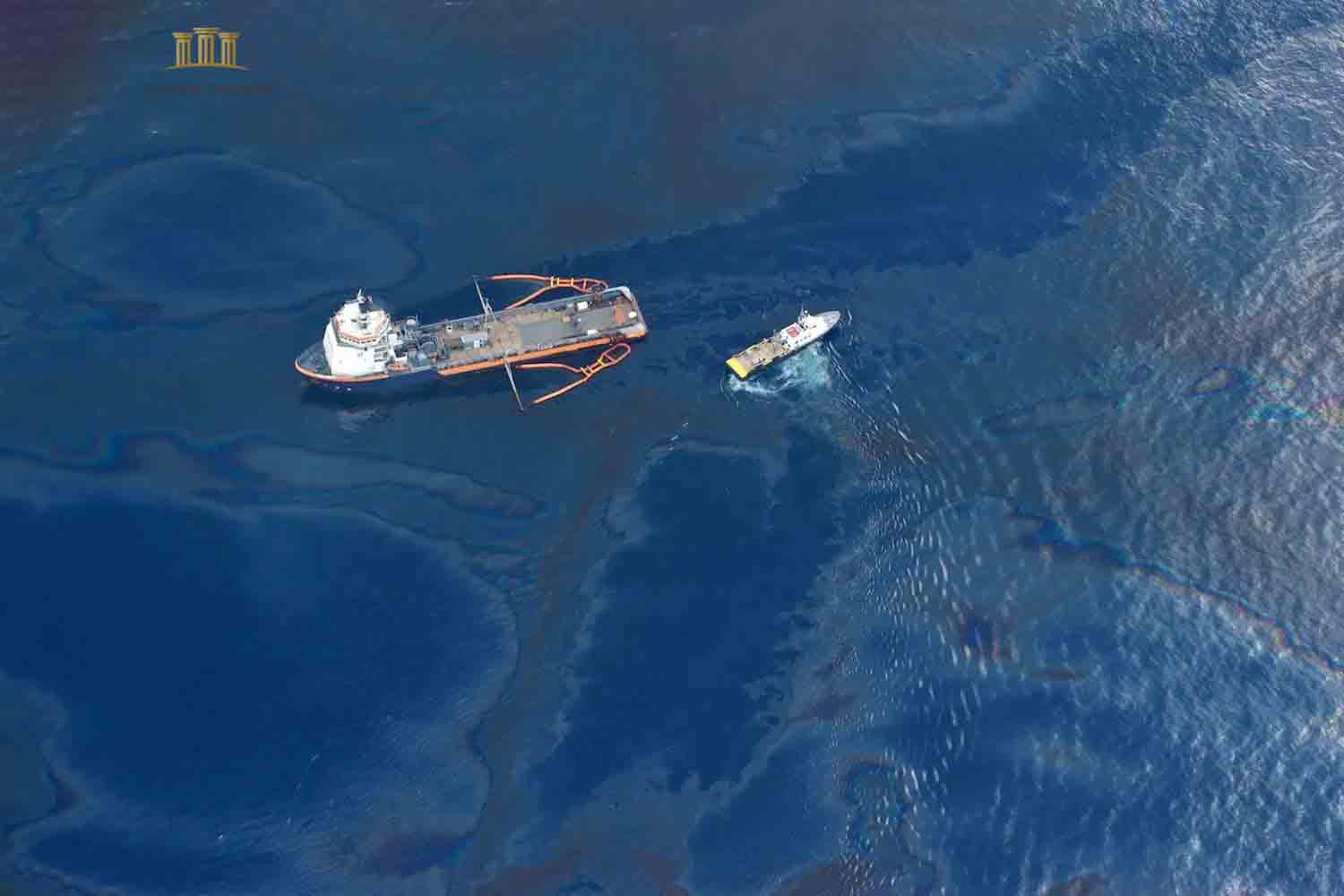
What Is the Legal Liability of a Shipowner for Oil Pollution? Oil pollution is one of the most significant environmental risks associated with maritime transportation and may cause extensive damage to coastal waters, shorelines, fisheries, marine life, and economic activities. In such circumstances, determining the shipowner’s legal liability is particularly important, as the owner may...Read More
What does the right to detain cargo consist of in the context of maritime freight claims? When disagreements arise over maritime freight charges, the question of whether to retain or attach the cargo may arise if the freight, transportation costs, or other legitimate carrier claims remain unpaid. In Iran, it is necessary to distinguish between...Read More
What Does Enforcement of a Right of Retention Against a Vessel in Maritime Claims Mean? Enforcement of a right of retention against a vessel in maritime claims refers to situations in which a vessel may be prevented from entering or leaving a port, or from continuing its operations, to secure or enforce a claim until...Read More