
The Exclusive Economic Zone and the Legal Regime Governing It
The third maritime zone of a coastal State is known as the Exclusive Economic Zone. Prior to the 1982 United Nations Convention on the Law of the Sea, the concept of the Exclusive Economic Zone did not formally exist. Instead, State practice primarily referred to the concept of an exclusive fishing zone, which was not expressly included in the 1958 Geneva Convention on the Territorial Sea and the Contiguous Zone.
Over time, the concept of an exclusive fishing zone evolved and expanded, ultimately giving rise to the Exclusive Economic Zone.
Compared to the exclusive fishing zone, broader rights and jurisdictions are granted to coastal States within the Exclusive Economic Zone. In return, coastal States assume certain obligations, particularly with respect to the rights of navigation and overflight enjoyed by other States.
Pursuant to Article 55 of the 1982 United Nations Convention on the Law of the Sea, the Exclusive Economic Zone is defined as an area beyond and adjacent to the territorial sea. Based on this definition, the Exclusive Economic Zone begins immediately after the territorial sea. It should be noted that the contiguous zone, as the second maritime zone of a coastal State, also begins beyond the territorial sea and partially overlaps with the Exclusive Economic Zone. Nevertheless, each of these zones has been established for distinct purposes, and their respective legal regimes may operate simultaneously without interfering with one another.
Rights and Powers of the Coastal State in the EEZ
The Legal Nature of the Exclusive Economic Zone
Regarding the legal nature of the Exclusive Economic Zone, some scholars view it as akin to the territorial sea, while others liken it to the high seas. Although the Exclusive Economic Zone shares certain characteristics with both the territorial sea and the high seas, it has an independent legal regime distinct from that governing the territorial sea and the high seas.
This principle is clearly reflected in Article 55 of the 1982 Convention, which provides that the coastal State does not enjoy sovereignty over the Exclusive Economic Zone. Instead, the coastal State exercises specific rights and jurisdictions within this zone. The recognition of other States’ rights and freedoms within the Exclusive Economic Zone precludes the coastal State from exercising full sovereignty, despite the acknowledgment of exclusive economic rights and jurisdictional powers.
The Extent of the Exclusive Economic Zone
The maximum breadth of the Exclusive Economic Zone is two hundred nautical miles measured from the baseline. In practice, the zone begins beyond the territorial sea.
If the maximum breadth of the territorial sea is considered to be twelve nautical miles, the effective breadth of the Exclusive Economic Zone may extend up to one hundred and eighty-eight nautical miles from the outer limit of the territorial sea.
As previously emphasized, the contiguous zone constitutes the initial portion of the Exclusive Economic Zone. In this overlapping area, the coastal State enjoys rights arising from both regimes. Beyond the contiguous zone, only the sovereign rights and jurisdictions related to the Exclusive Economic Zone apply, accompanied by corresponding obligations. Accordingly, if the contiguous zone also extends to twelve nautical miles, the legal regime of the Exclusive Economic Zone is fully applicable only within the remaining one hundred and seventy-six nautical miles.
Sovereign Rights of the Coastal State in the Exclusive Economic Zone
As noted above, the coastal State does not possess sovereignty in the Exclusive Economic Zone. Instead, it is granted specific sovereign rights and jurisdictions. The term used to describe the coastal State’s legal authority in this zone is “sovereign rights.”
Sovereign rights are exclusive rights granted to the coastal State for the purpose of exploiting living and non-living resources within the Exclusive Economic Zone.
Pursuant to Article 56, paragraph 1 of the 1982 Convention, the coastal State enjoys sovereign rights in the Exclusive Economic Zone for the following purposes:
- Exploration, exploitation, conservation, and management of natural resources, whether living or non-living, of the waters superjacent to the seabed and of the seabed and its subsoil.
- Sovereign rights with respect to other activities for the economic exploitation and exploration of the zone, such as the production of energy from water, ocean currents, and wind.
Jurisdiction of the Coastal State in the Exclusive Economic Zone
In addition to sovereign rights, the coastal State exercises jurisdiction in the Exclusive Economic Zone in relation to the following matters:
- The establishment and use of artificial islands, installations, and structures.
- The conduct of marine scientific research.
- The protection and preservation of the marine environment.
Frequently Asked Questions About the Exclusive Economic Zone and Its Legal Regime
The Exclusive Economic Zone is a maritime area adjacent to the territorial sea that may extend up to two hundred nautical miles from the baseline. The coastal State does not exercise full sovereignty in this zone but rather exercises specific rights and jurisdiction for economic purposes.
In the Exclusive Economic Zone, the coastal State lacks full sovereignty, and other States retain freedoms of navigation and overflight. This zone represents a distinct legal regime that combines elements of coastal State rights and high seas freedoms.
The Exclusive Economic Zone may extend up to two hundred nautical miles from the baseline. If the territorial sea measures twelve nautical miles, the Exclusive Economic Zone extends up to one hundred and eighty-eight nautical miles beyond it.
Sovereign rights include the exploration, exploitation, conservation, and management of living and non-living natural resources, as well as the production of energy from water, ocean currents, and wind.
The coastal State has jurisdiction over the establishment of artificial islands and installations, marine scientific research, and the protection of the marine environment.
The contiguous zone lies closer to the territorial sea and overlaps with the initial part of the Exclusive Economic Zone. In this overlapping area, the coastal State exercises rights under both regimes. Beyond the contiguous zone, only the legal regime of the Exclusive Economic Zone applies. What is the Exclusive Economic Zone, and what is its legal nature?
How does the Exclusive Economic Zone differ from the territorial sea and the high seas?
What is the maximum extent of the Exclusive Economic Zone?
What sovereign rights does the coastal State have in the EEZ?
What jurisdictions does the coastal State exercise in the EEZ?
What is the difference between the contiguous zone and the EEZ?


If another country’s fishing boats enter an EEZ without permission, is that automatically considered illegal?
In many cases, coastal states have sovereign rights over the living resources within their Exclusive Economic Zone. Whether a particular activity is unlawful depends on the applicable international rules, domestic legislation, and any agreements between the countries involved.
Can two countries claim the same EEZ at the same time?
Yes. When the maritime distance between two coastal states is less than the maximum EEZ entitlement, overlapping claims can arise. Those disputes are typically resolved through negotiation, agreement, or international dispute resolution procedures.
Does an EEZ mean the country owns the water like it owns its land?
Not exactly. An EEZ does not give a coastal state full sovereignty over the waters themselves. Instead, it grants specific sovereign rights relating to natural resources and certain economic activities, while other states retain freedoms such as navigation and overflight.
Can companies drill for oil in an EEZ without the coastal state’s approval?
Generally, no. Offshore exploration and exploitation of natural resources within an EEZ are typically subject to the rights and jurisdiction of the coastal state. Businesses should ensure they have the necessary legal authorization before beginning such activities.
Are submarine internet cables allowed to pass through another country’s EEZ?
In many situations, yes. International law generally preserves certain freedoms in the EEZ, including the laying of submarine cables, although those activities remain subject to the applicable legal framework and the rights of the coastal state.
Can the rules inside an EEZ change if a new government comes into power?
Domestic policies may change over time, but a state’s rights and obligations under international law remain governed by the applicable treaties and legal principles. Any changes to national regulations should also be consistent with those international obligations.
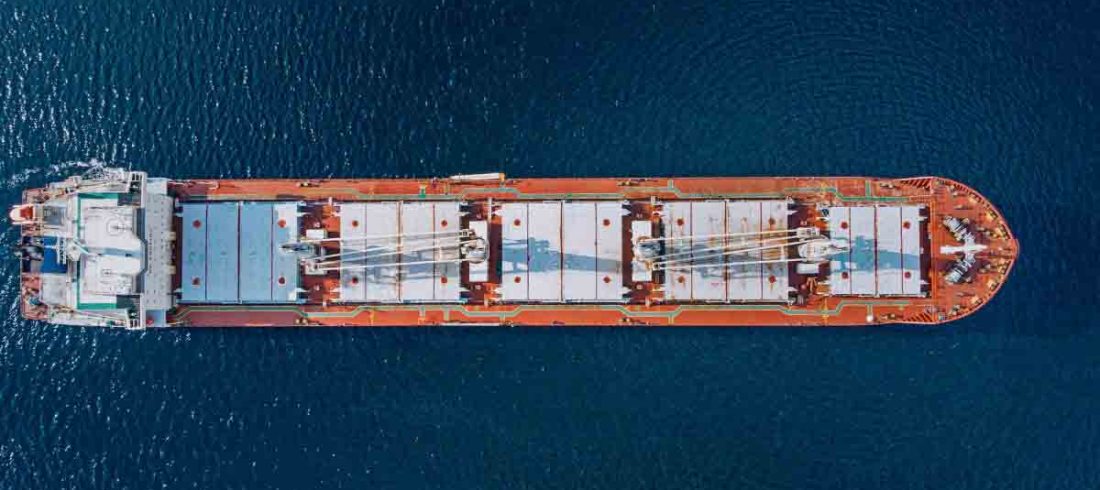
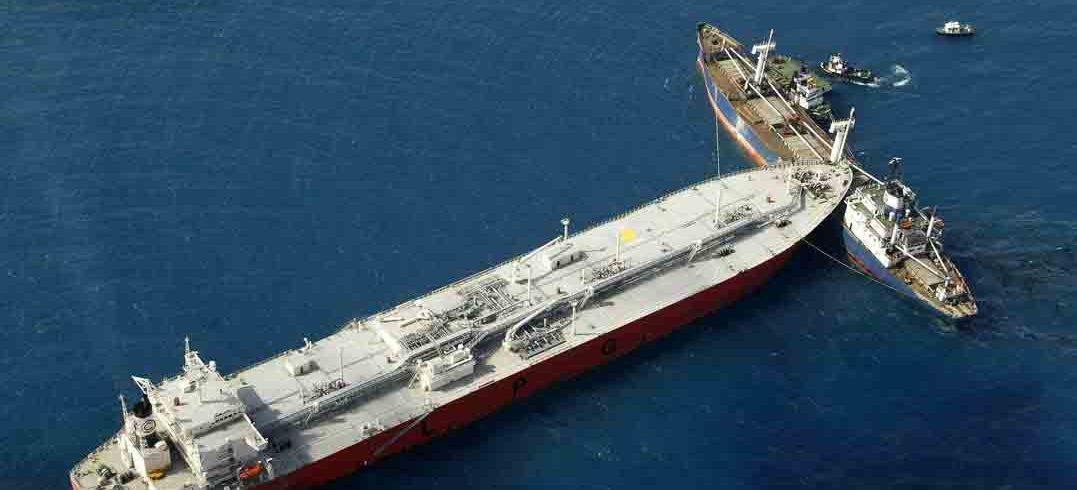
If a cargo ship is just passing through an EEZ, does it have to ask for permission?
Not usually. Ships generally retain the freedom of navigation through another state’s EEZ, provided they comply with the applicable rules of international law and respect the coastal state’s rights.
Can offshore wind farms be built anywhere inside an EEZ?
Not automatically. The construction of offshore installations is generally subject to the jurisdiction of the coastal state and may require permits, environmental reviews, and compliance with applicable laws.
What happens if valuable minerals are found in an area where two countries both claim an EEZ?
That can create a complex legal dispute. The outcome depends on maritime boundary negotiations, applicable international law, and any agreements between the states involved. Until the dispute is resolved, resource development may be significantly affected.
Does every coastal country automatically get a 200 nautical mile EEZ?
Not always. While international law allows coastal states to claim an EEZ of up to 200 nautical miles, the actual extent may be limited where neighboring states have overlapping maritime claims. In those situations, maritime boundaries must be determined in accordance with the applicable legal principles.