
What Is Liability Arising from a Collision Between Two Ships?
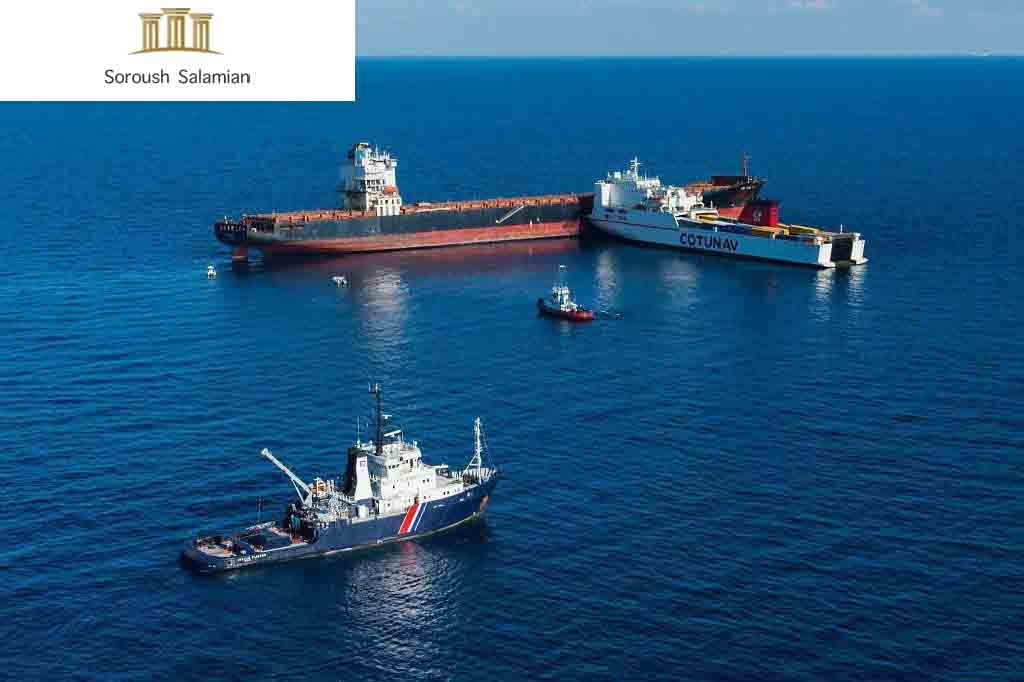
A collision between two ships is a significant incident under maritime law that can result in property damage, personal injury, loss of life, and environmental harm. In such incidents, determining liability requires a detailed examination of the circumstances surrounding the collision, the conduct of crew members and shipmasters, the technical condition of the vessels, and the degree of fault attributable to each party. The primary objective of the legal rules governing ship collisions is to identify the liable party or parties and establish appropriate compensation for the resulting damages.
Liability in a collision between two ships is generally assessed based on whether fault exists. If a collision results from negligence, failure to comply with maritime navigation regulations, improper vessel handling, or other actions attributable to one vessel, liability may rest with the party responsible for that vessel. Where both vessels have contributed to the incident, the degree of fault attributable to each party becomes an important factor in determining their respective shares of liability.
The nature of the Damage also influences liability. Damage to a vessel’s hull, cargo, equipment, crew members, passengers, or third parties may give rise to compensation claims. Consequently, resolving such cases generally requires a technical investigation of the incident alongside an examination of applicable maritime law.
Factors Affecting the Determination of Liability in a Collision Between Two Ships
To determine liability in a collision between two ships, the mere occurrence of the collision is insufficient. The cause of the incident must also be established. One of the most significant factors is how the vessels were navigated before the collision. Excessive speed relative to prevailing conditions, improper course changes, failure to observe navigational signals, and delayed responses may all be considered when assessing fault.
Weather conditions and visibility are also important considerations. Fog, storms, ocean currents, and particular navigational conditions may affect the ability to identify potential hazards and respond appropriately. However, adverse conditions do not, in themselves, eliminate liability. The investigation must examine the measures taken by the shipmaster and crew under the circumstances.
The vessel’s technical condition may also play a role in investigating the incident. Defects affecting the engine, steering system, navigational equipment, or other essential machinery and equipment may be relevant to the assessment of liability if they contributed to the collision. Furthermore, recorded data from navigational systems, crew reports, radio communications, vessel movement records, and expert assessments may be used to reconstruct the events immediately preceding the collision. Collectively, this evidence helps the competent authority or tribunal determine each factor’s contribution to the incident.
Liability Where One Ship Is at Fault for the Collision
If an investigation establishes that a collision occurred because of one vessel’s fault, the general principle is that the resulting Damage should be assessed in relation to the conduct attributable to the responsible party. For example, failure to comply with navigational and safety regulations or executing an inappropriate maneuver may be relevant to establishing fault. In such circumstances, demonstrating a causal relationship between the conduct of the vessel at fault and the resulting Damage is particularly important. Establishing that a collision occurred is not, by itself, sufficient to recover all claimed damages. You must also show how the losses for which you seek compensation are connected to the incident.
The extent of the Damage must also be supported by documentation to the greatest extent possible. Vessel repair costs, cargo damage, expenses associated with salvage or rescue operations, and other recoverable losses may be assessed based on financial records, expert reports, and other relevant evidence.
Technical expert reports are particularly important in maritime cases. Experts may examine the condition of the vessels, their navigational courses, speed, point of impact, and technical circumstances. This information, together with legal documentation and statements from the parties involved, may provide a basis for determining liability. However, the applicable legal provisions depend on factors such as the incident location, the vessels’ flags, the nature of the Damage, and relevant contractual or international instruments. Accordingly, the court must determine liability under the law governing the case.
Liability Where Both Ships Are at Fault for the Collision
In certain incidents, both vessels contribute to a collision. For example, both parties may have failed to comply with navigational regulations, or the actions of both vessels may have contributed to creating a hazardous situation. In such cases, liability may be apportioned between the parties.
To apportion liability, the court must examine the extent to which each vessel’s conduct contributed to the incident. If one vessel played a greater role in causing the collision, that vessel may be assigned a greater share of liability. The method of determining these respective shares depends on the governing law and the legal provisions applicable to the case. Establishing shared fault generally requires a detailed examination of the events leading up to the collision. Important considerations include the vessels’ courses, speed, distance from one another, actions taken to prevent the collision, and the responses of the respective shipmasters.
Where Damage is sustained by the vessels themselves or their cargoes, the apportionment of liability may affect the amount of compensation recoverable by each party. In cases involving personal injury or loss of life, the matter may become more complex, and specific rules concerning the liability of different parties may apply. For this reason, determining the respective degrees of fault in complex collision cases is generally not possible without a thorough technical and legal assessment. Expert reports may therefore play a decisive role in establishing liability.
Compensation for Damages Arising from a Collision Between Two Ships
Compensation for damages follows the determination of liability, and both the nature and extent of the losses must be established. Damage to a vessel’s hull is among the most common forms of loss and may include repair expenses or, in certain circumstances, costs associated with replacing the vessel or its loss of use. Cargo may also be damaged or destroyed as a result of a collision. In such cases, the cargo’s value, the terms of the contract of carriage, documentation relating to the goods, and the extent of the Damage must be examined.
Personal injury or loss of life may also result from a collision. Injuries sustained by crew members, passengers, or other individuals aboard the vessels may give rise to claims for compensation. How such claims are resolved depends on the applicable rules of civil liability and maritime law. Proper documentation of the incident is particularly important when pursuing compensation. Incident reports, photographs, navigational records, expert assessments, repair documentation, invoices, and cargo-related records may all be used to substantiate the claimed losses.
Insurance also plays an important role in compensating losses in certain cases. Hull insurance or liability insurance may cover some of the insured losses in accordance with the terms and conditions of the relevant policy. However, Insurance does not necessarily eliminate a party’s legal liability in an incident. Therefore, the terms of the insurance policy and the governing law must be examined.
The Role of Insurance in Compensating Damages Arising from Ship Collisions
Marine Insurance is an important mechanism for managing risks and compensating losses arising from maritime incidents. A shipowner or vessel operator may obtain hull and machinery insurance or liability coverage to protect against various risks. Following a collision, the terms of the insurance policy and the nature of the Damage must be examined to determine which losses fall within the scope of coverage. Insurers generally require documentation such as collision reports, expert assessments, photographs, repair records, and evidence of the claimed damage to evaluate the incident.
Liability toward third parties is also a significant consideration in many maritime cases. Damage caused to another vessel, its cargo, or third parties may be assessed under the relevant liability insurance coverage. However, the extent of the insurer’s obligations depends on the policy provisions, exclusions, coverage limits, and circumstances surrounding the incident. Therefore, Insurance alone does not guarantee compensation for all losses.
Where disputes arise concerning liability or the amount of compensation, legal disagreements may develop among the shipowner, insurer, cargo owner, and other relevant parties. In such circumstances, documentation relating to the incident and the provisions of insurance policies and contracts of carriage become particularly important.
Documents and Evidence Required to Establish Liability in a Collision Between Two Ships
Establishing liability in a collision case between two ships requires various forms of technical and legal evidence. One of the most important sources of information is the navigational records of the vessels involved. Data on their courses, speed, positions, and timing may help reconstruct the circumstances of the incident. Reports prepared by the shipmasters and crew members may also provide essential information about the conditions preceding the collision. Radio communications between the vessels, warnings, and instructions issued may also be significant in certain cases.
Photographs and video recordings of the incident, reports issued by port or maritime authorities, and technical expert assessments may also help identify the cause of the collision. To establish the extent of the Damage, repair records, invoices, expert valuations, ownership documents, and evidence relating to the cargo’s value are important. In cases involving cargo damage, you must also examine shipping documents and relevant contractual agreements.
Preserving such evidence from the earliest stages following the incident is essential. Any delay in documenting the condition of the vessels or losing technical information may make a thorough investigation more difficult. Given the specialized nature of maritime collision cases, combining technical evidence with legal analysis is particularly important for determining liability and assessing recoverable damages.
Legal Procedures for Pursuing Claims and Compensation Following a Ship Collision
Following a collision between two ships, the first step generally involves recording and documenting the incident. Record the time, location, weather conditions, vessel condition, and initial Damage as comprehensively as possible. Preserve official reports and navigational records.
The next stage involves investigating the cause of the incident and assessing the extent of the Damage. A technical expert examination may establish how the collision occurred and identify contributing factors. At the same time, we collect documentation relating to financial losses, cargo damage, and any potential personal injuries. Once the principal facts are established, the liability of each party is assessed under the governing law and relevant regulations. Where possible, the parties may reach an agreement regarding the amount of compensation and the manner in which it will be paid.
If the parties do not reach an agreement, they may pursue claims for compensation through judicial proceedings or other appropriate dispute resolution mechanisms. The jurisdiction of the competent authority or court and the applicable law depend on factors such as the location of the incident, the vessels’ flags, contractual arrangements, and relevant international regulations. Throughout these proceedings, compliance with the applicable legal time limits for pursuing claims is essential. Failing to initiate proceedings within the prescribed period or submit the necessary evidence may affect your ability to pursue legal remedies. Accordingly, obtaining an assessment from a maritime law specialist before initiating formal proceedings may help identify the most appropriate course of legal action.
Frequently Asked Questions About Liability Arising from a Collision Between Two Ships and Compensation for Damages
Liability is determined by examining the cause of the collision, the conduct and operation of each vessel, weather conditions, technical conditions, navigational courses, and other evidence relating to the incident. The degree of fault attributable to each party and the causal relationship between that fault and the resulting Damage are also important considerations.
Where both vessels are at fault, the extent to which each vessel contributed to the incident is examined, and liability may be apportioned between the parties according to their respective degrees of fault. The precise method of apportioning liability depends on the governing law and the legal provisions applicable to the case.
Damage to a vessel's hull and equipment, cargo damage, and, where applicable, personal injury or loss of life and other substantiated losses may give rise to claims for compensation. The nature and extent of recoverable damages depend on the governing law and the circumstances of the case.
Insurance may compensate certain covered losses in accordance with the terms and conditions of the relevant insurance policy. The type of coverage, policy limits, exclusions, and circumstances surrounding the incident affect the extent of the insurer's obligations.
Navigational records, reports prepared by the shipmaster and crew, radio communications, photographs and video recordings of the incident, official reports, expert assessments, and documentation relating to the damage may be used to establish liability and the extent of the losses.
Where the relevant legal requirements are satisfied and a causal relationship between the incident and the Damage is established, compensation may be claimed for damaged or destroyed cargo. Shipping documents, the value of the goods, the condition of the cargo, and relevant contractual agreements are important considerations when assessing such claims.
The incident and the resulting Damage should first be thoroughly documented. Preserve navigational records, reports, and technical evidence. The cause of the incident and the extent of the Damage must then be examined, and the parties' liability determined. If no agreement is reached, the claim may be pursued through legal proceedings or an appropriate dispute resolution mechanism. How is liability determined following a collision between two ships?
How is liability apportioned if both ships are at fault for the collision?
What types of damages may be claimed following a collision between two ships?
What role does insurance play in compensating damages arising from a collision between two ships?
What documents are required to establish liability in a collision between two ships?
Can compensation be claimed for cargo damage resulting from a collision between two ships?
What steps should be taken to claim compensation after a collision between two ships?
If our ship was anchored when another vessel hit it, can we still be blamed for part of the accident?
Yes, it’s possible. An anchored vessel may still share responsibility if it failed to display proper lights, maintain a lookout, or comply with other applicable safety requirements. The circumstances of the collision would need to be examined before determining fault.
What if the collision happened while a local port pilot was controlling the ship? Is the shipowner still responsible?
Having a pilot on board does not automatically release the shipowner from liability. The pilot’s role, whether pilotage was compulsory, and the actions of the master and crew all need to be considered. The applicable law may also affect how responsibility is allocated.
If two ships from different countries collide in international waters, where would the case actually be heard?
That can be a complicated jurisdictional question. Depending on the circumstances, proceedings may be possible in more than one country. The vessels’ flags, location of the parties and assets, and applicable international rules may all influence which court has jurisdiction.
Our cargo was damaged in a collision, but the shipping company says we should claim against the other ship. Is that how it works?
Not necessarily. A cargo owner may have contractual rights against the carrier and, in some circumstances, separate claims against another responsible vessel. The bill of lading, applicable liability rules, and cause of the damage should be reviewed before deciding which party to pursue.
What if one ship had its AIS switched off before the collision? Would that make it automatically responsible?
No, switching off AIS does not automatically establish liability. However, the reason it was disabled and whether that contributed to the collision could be significant. Radar records, bridge logs, and other navigational evidence would also need to be considered.
Can we still make a claim if the crew only noticed the damage after arriving at the next port?
Potentially, yes. Discovering damage later does not necessarily prevent a claim, but proving when and how it occurred may be more difficult. Inspection reports, vessel logs, photographs, and timely notification to the relevant parties can become particularly important.
If the captain says the steering system suddenly failed, does that mean the shipping company isn’t liable for the crash?
Not automatically. Investigators would need to determine why the steering failure occurred and whether proper maintenance and safety procedures had been followed. An unexpected technical failure may be treated differently from one caused by inadequate maintenance or earlier negligence.
Our insurance covered the repair costs after a collision. Can we still claim for the weeks the ship couldn’t operate?
Loss of use may be recoverable in certain circumstances, depending on the applicable law and available evidence. It’s also important to review what the insurance payment already covered and whether the insurer has acquired recovery rights. The same loss generally cannot be compensated twice.
What happens if the other ship is about to leave the port before we can settle the damage claim? Can anything be done?
In some jurisdictions, it may be possible to apply for the arrest of a vessel or obtain other security for a maritime claim. However, strict legal requirements apply, and an unjustified arrest can create additional liability. The available options should be assessed under the law of the relevant port.
We’ve been negotiating compensation with the other shipowner for months. Could we lose the right to sue if these talks keep dragging on?
Yes, that is a real concern. Settlement negotiations do not necessarily suspend the legal time limit for bringing a collision claim. The applicable limitation period and any valid agreement extending or suspending it should be checked before the deadline approaches.