
What Are the Fundamentals of International Trade and Transportation Law?
International trade and transportation law is one of the most important branches of commercial law. It governs legal relationships among merchants, transportation companies, buyers, sellers, insurance companies, banks, and other parties involved in cross-border trade. Whenever goods are transported from one country to another, a combination of laws, regulations, international conventions, and commercial agreements governs the process to clearly define the rights and obligations of all parties.
In domestic trade, the laws of a single country generally govern the transaction. International trade, however, involves more complex circumstances. A seller may be located in one country, the buyer in another, the carrier in a third country, and the paying bank in a fourth. For this reason, common legal frameworks are necessary to provide a structured basis for resolving potential disputes.
International trade and transportation law addresses matters such as contracts for the sale of goods, carrier liability, transportation documents, cargo insurance, customs procedures, international payment methods, commercial dispute resolution, and the contractual responsibilities of the parties. Understanding these fundamentals is particularly important for merchants, logistics managers, transportation companies, exporters, importers, and law students because many commercial risks can be prevented through proper knowledge of the applicable legal framework.
Why Is Understanding International Trade and Transportation Law Important?
Conducting business in international markets without understanding the applicable laws and regulations creates significant financial and legal risks. Many commercial disputes arise because parties are unfamiliar with their contractual responsibilities, documentation requirements, or the legal requirements of different countries. Understanding international trade and transportation law enables companies to draft more precise contracts, protect their rights more effectively, and reduce the likelihood of disputes.
In many international transactions, cargo values are substantial, and even a minor error in drafting the contract or preparing transportation documents may result in significant financial losses. For example, uncertainty regarding the transfer of risk, errors in a bill of lading, selection of an inappropriate payment method, or failure to comply with customs regulations may result in cargo detention, financial penalties, or even termination of the contract.
Knowledge of this field also helps managers make more informed decisions when selecting carriers, insurers, and transportation methods. In addition, familiarity with international regulations increases confidence among contracting parties and supports more stable commercial relationships. For these reasons, international trade and transportation law is one of the principal foundations of successful participation in global commerce.
Principal Sources of International Trade and Transportation Law
International trade and transportation law is not governed solely by the domestic laws of individual countries. Instead, several legal sources operate together to establish the framework governing international commercial relationships. Understanding these sources is essential for properly analyzing contracts and resolving disputes.
The first source is the domestic law of each country. National laws concerning commerce, customs, transportation, insurance, and civil liability regulate various aspects of commercial relationships. International conventions also play an important role by establishing common rules among participating countries and promoting greater consistency in global trade.
Private contracts are another major source of rights and obligations in this field. The parties may define many aspects of their relationship through contract, provided that the contractual provisions do not conflict with applicable mandatory law. International commercial customs and trade usages also have a significant role and may be relied upon when interpreting contractual terms.
International arbitral awards, judicial decisions, regulations issued by international organizations, and standardized commercial instruments are additional sources that contribute to the interpretation of disputes and the development of international trade law.
The Role of Commercial Contracts in International Transportation
A contract is the principal legal document in any international transaction. A significant number of commercial disputes arise when agreements are not drafted precisely or when the parties’ responsibilities are not clearly defined. For this reason, professionally drafted contracts form one of the foundations of international trade and transportation law.
An international transportation contract commonly addresses matters such as the description of the goods, packaging requirements, delivery time, place of delivery, transportation costs, responsibility for payment of expenses, transfer of risk, insurance, liability for damage, dispute resolution procedures, and the law governing the contract. Each of these provisions may help prevent serious disputes in the future.
The agreement should also establish how responsibility will be allocated if the goods are damaged during transportation, delivery is delayed, or transportation documents are defective. Identifying the dispute resolution forum is particularly important because courts in more than one country may potentially have jurisdiction over an international transaction.
A carefully drafted contract increases legal certainty and enables all parties to understand their rights, obligations, and responsibilities clearly. The quality of contractual drafting therefore has a direct impact on the success of international transactions.
Responsibilities of the Parties in International Transportation Contracts
Several different parties may be involved in an international transportation operation, each of which has specific responsibilities. Exporters, importers, carriers, insurance companies, freight companies, warehouse operators, and even banks may participate in different stages of the movement of goods. International trade and transportation law seeks to clearly define the scope of each party’s responsibilities.
The seller is generally required to prepare the goods in accordance with the contract, provide appropriate packaging, and supply the necessary documents. The buyer is required to perform its financial obligations under the agreement and, where applicable, complete import formalities.
The carrier is responsible for the safe transportation of the goods within the scope of its contractual obligations. If loss or damage occurs, its liability is assessed according to the contract and applicable law. The insurer is responsible for compensating covered losses in accordance with the terms of the insurance policy.
If these responsibilities are not clearly allocated from the outset, complex disputes may arise when loss or damage occurs. For this reason, defining the scope of each party’s obligations is one of the most important aspects of international transportation contracts.
What Role Do Transportation Documents Play in International Trade?
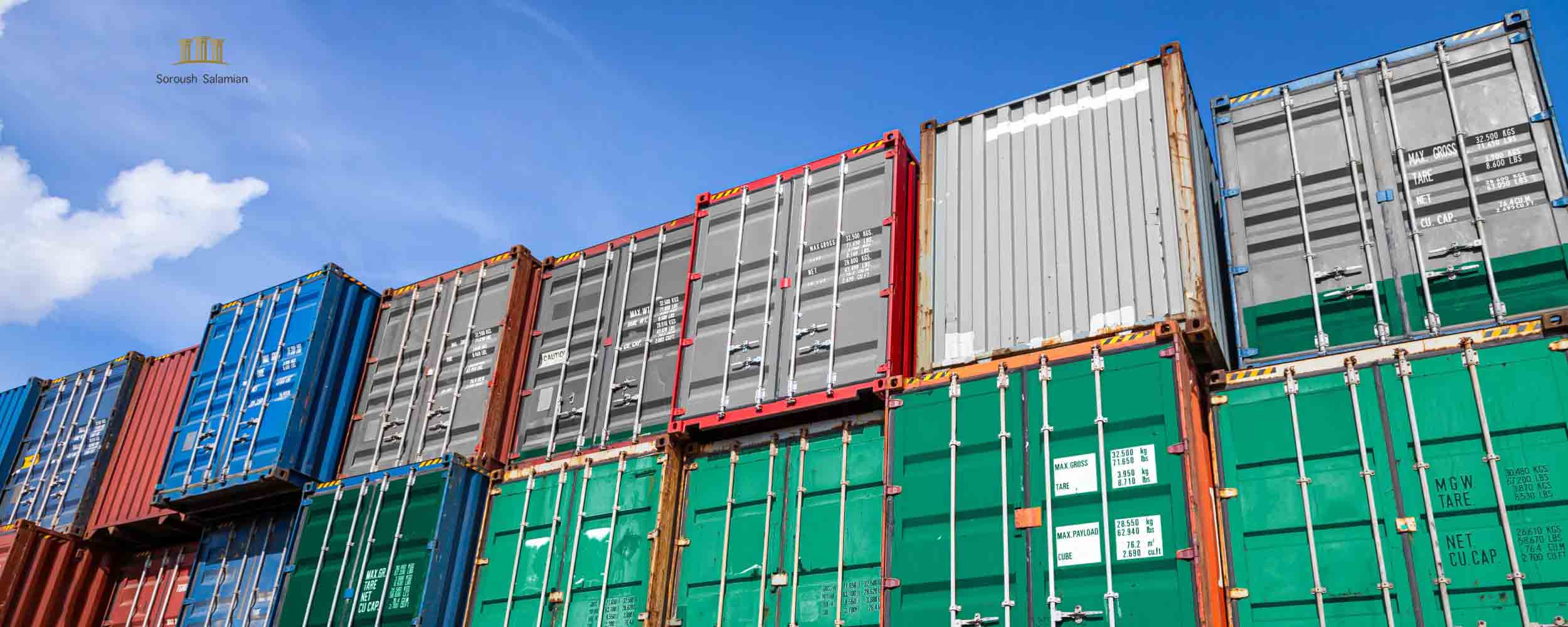
Transportation documents are among the most important legal instruments in international trade and serve functions far beyond merely recording the movement of goods. These documents contain information concerning the cargo, shipper, consignee, carrier, transportation route, delivery conditions, and condition of the goods. In some transactions, they may also play a role in the transfer of title or the right to take delivery of the goods.
One of the most widely recognized transportation documents is the bill of lading, which may take different forms depending on whether the goods are transported by sea, air, road, or rail. In addition to evidencing receipt of the goods by the carrier, certain bills of lading may function as documents of title. Errors in their preparation may therefore create significant legal and financial complications.
Other documents, such as packing lists, certificates of origin, insurance policies, commercial invoices, and customs documents, also form an important part of international transportation operations. Consistency among the information contained in these documents is critical because discrepancies may result in customs delays or disputes between the parties.
Careful preparation, review, and retention of transportation documents are therefore essential requirements of professional international trade operations.
The Role of Incoterms in International Trade and Transportation Law
Incoterms are among the most important tools for standardizing international commercial agreements and are developed by the International Chamber of Commerce. These rules define how responsibility for costs, transfer of risk, export and import formalities, and delivery of the goods is allocated between the seller and buyer.
Under certain Incoterms rules, the seller may be required only to make the goods available at its own premises. Under other rules, the seller may also be responsible for transportation, insurance, or delivery at the destination. Selecting an inappropriate Incoterm may result in unexpected expenses or substantial legal disputes.
It is important to recognize that Incoterms do not replace the contract of sale and do not regulate every aspect of the parties’ legal relationship. They address only specific matters relating to delivery, transfer of risk, and allocation of costs. For this reason, other contractual provisions must also be drafted carefully.
A thorough understanding of Incoterms is important for exporters, importers, commercial managers, transportation companies, and logistics professionals and represents one of the fundamental subjects within international trade and transportation law.
Liability of International Carriers for Cargo Loss or Damage
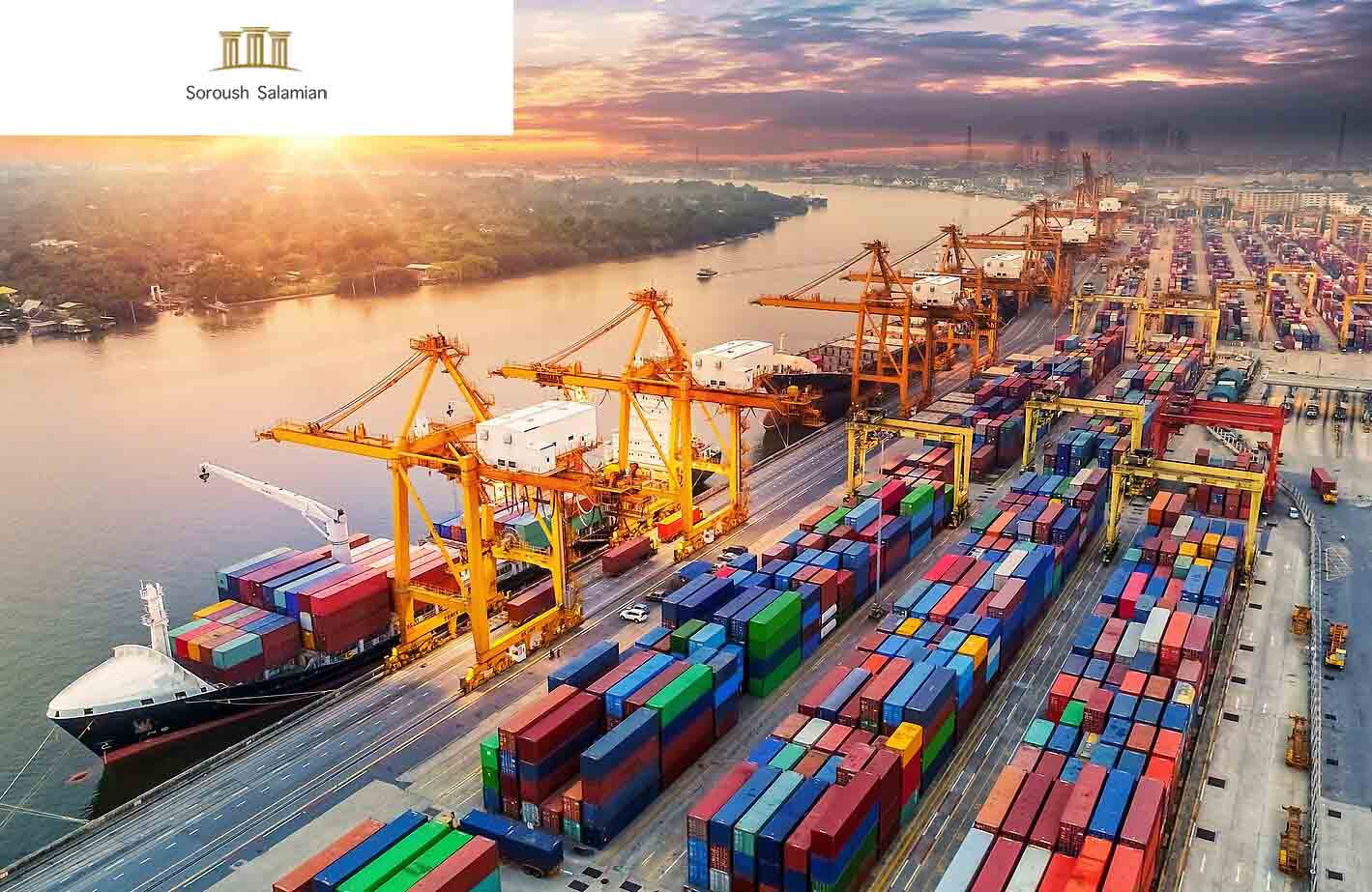
One of the most significant areas of international trade and transportation law concerns carrier liability for cargo damage, loss, or delay. Once the shipper delivers goods to the carrier, the carrier is generally required to transport them in accordance with the contract and deliver them to the consignee in the agreed condition and within the agreed period.
If the goods are damaged during transportation, one of the first legal questions is which party is responsible for compensating the loss.
A general principle in many legal systems is that a carrier is responsible for safeguarding the goods while they are in its custody. However, this liability is not absolute, and certain circumstances may exempt the carrier from responsibility. Examples may include natural disasters, war, governmental actions, inherent defects in the goods, or inadequate packaging by the shipper.
Many international conventions also limit the amount of a carrier’s liability, meaning that compensation may be recoverable only up to a specified amount unless the actual value of the goods was declared in advance. In some circumstances, where the injured party proves that the loss resulted from intentional misconduct or gross negligence by the carrier, the applicable limitation of liability may cease to apply.
Understanding the precise scope of carrier liability is highly important for exporters, importers, logistics companies, and participants in international trade because it determines who may be responsible for compensating losses and what legal rights are available to the contracting parties.
The Role of Insurance in International Trade and Transportation Law
Insurance is one of the principal risk management mechanisms in international trade and transportation law. Although carrier liability rules provide some protection to cargo owners, they may not always provide full compensation for a loss. For this reason, cargo insurance has become an essential component of international trade.
During transportation, goods may be exposed to risks such as accidents, fire, theft, vessel sinking, aircraft accidents, damage during loading or unloading, and even political events. Depending on the coverage selected, cargo insurance may compensate for some or all of these losses.
An important issue in commercial contracts is determining which party is responsible for obtaining insurance. In many transactions, this allocation is influenced by the selected Incoterm. Under certain rules, the seller must obtain insurance, while under others the buyer bears that responsibility.
When loss occurs, the insurer reviews the relevant documents, assesses the loss, and, where the policy requirements are satisfied, pays compensation. The insurer may subsequently seek recovery of the amount paid from the party responsible for the loss.
For this reason, familiarity with transportation insurance rules is important for all participants in international trade. Appropriate insurance coverage can help prevent substantial financial losses and provide greater security for international transactions.
Transportation Documents and Their Legal Value in International Trade
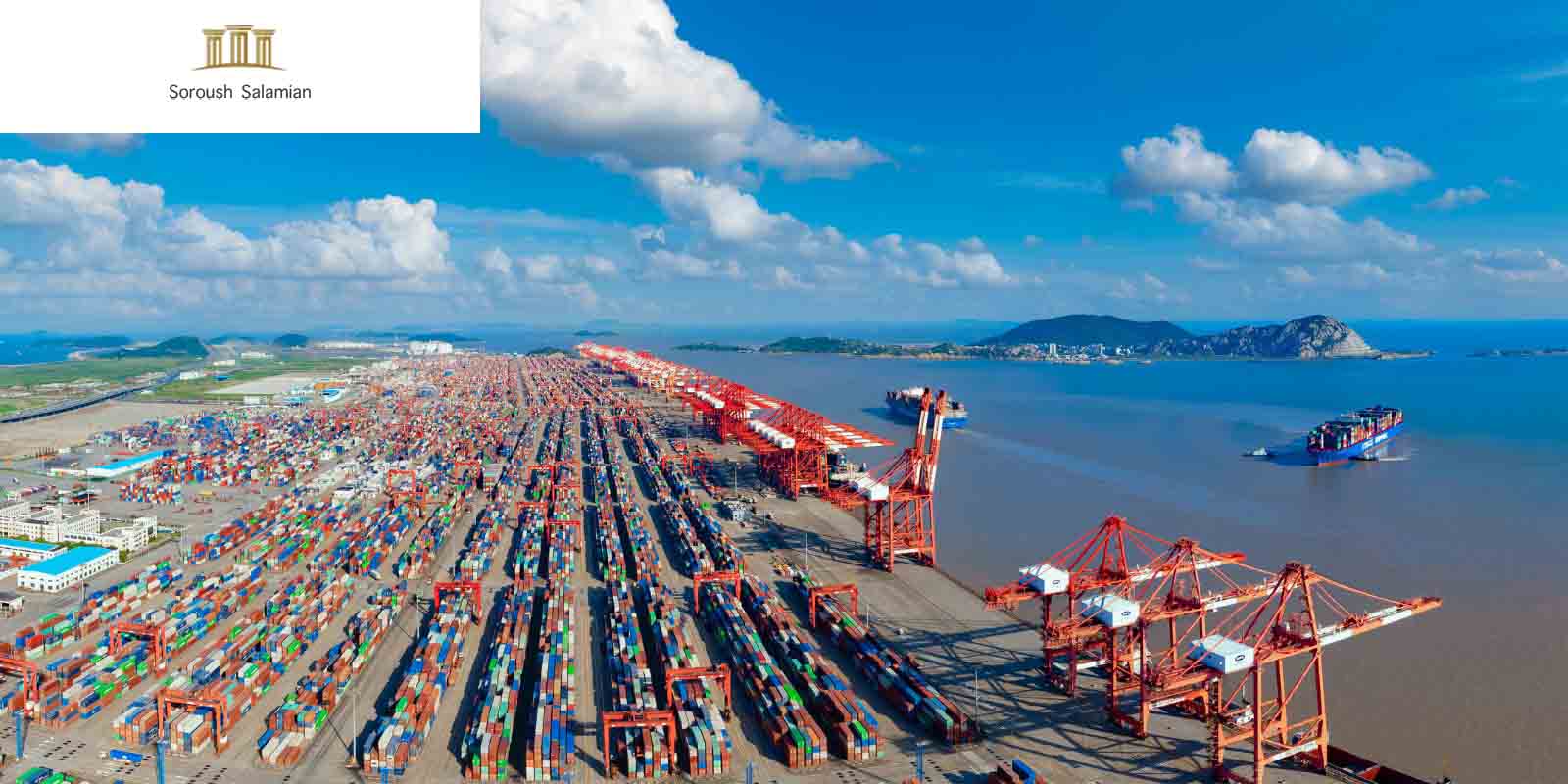
Transportation documents form an integral part of international trade and transportation law and play an important role in evidencing contracts, establishing rights relating to goods, and completing commercial procedures. Without such documents, many export, import, customs clearance, and payment operations cannot be completed effectively.
Important transportation documents include ocean bills of lading, air waybills, road consignment notes, rail consignment notes, and transportation receipts. Each document may have different legal effects depending on the mode of transportation.
For example, an ocean bill of lading may, in addition to evidencing the transportation contract, operate as a document of title and may be transferable to third parties. An air waybill generally does not perform the same function and is more commonly used as evidence of the transportation contract.
Information such as the identities of the shipper and consignee, description of the goods, number of packages, weight, destination, means of transportation, and transportation conditions is recorded in these documents. Errors in this information may result in legal disputes or customs complications.
Transportation documents also have considerable evidentiary value in legal proceedings. Courts and arbitral tribunals often examine these documents as important evidence when resolving disputes. Their accurate preparation is therefore one of the fundamental requirements of international trade.
Dispute Resolution in International Trade and Transportation Law
Commercial disputes are an unavoidable feature of international transactions. Delayed delivery, cargo damage, breach of contract, payment disputes, or disagreements concerning the interpretation of the Obligations of Transportation Companies Under International Law are among the matters that may arise between parties. International trade and transportation law therefore provides several mechanisms for resolving such disputes.
One common method is litigation before a court having jurisdiction. In international transactions, however, determining which court has jurisdiction may itself be a significant legal issue. For this reason, many contracts specify the competent court in advance.
Another method is international commercial arbitration, which has become widely used in cross-border transactions. In arbitration, the dispute is decided by an arbitrator or arbitral tribunal rather than a national court. Potential advantages include greater confidentiality, the ability to appoint decision-makers with specialized expertise, procedural flexibility, and the availability of international mechanisms for enforcing arbitral awards.
Some contracts also provide for negotiation or mediation before litigation or arbitration. These methods may require less time and expense and may better preserve ongoing commercial relationships.
The appropriate dispute resolution mechanism should therefore be considered when the agreement is drafted because reaching agreement on jurisdiction or procedure after a dispute has arisen is often significantly more difficult.
Read More: What Is the Liability of Transportation Companies for Shipment Delays?
Importance of Compliance with Customs Laws in International Transportation
Customs laws form an important part of international trade and transportation law, and compliance is necessary for the lawful import or export of goods. Each country has its own requirements concerning customs declarations, duties and taxes, document control, and cargo inspections.
The export and import process may require documents such as commercial invoices, packing lists, certificates of origin, bills of lading, permits, and customs declarations. Any deficiency or inconsistency in these documents may delay customs clearance or even result in detention of the goods.
Correct classification of goods under the applicable customs tariff is another important issue. Incorrect tariff classification may result in the improper payment of customs duties or create legal liability for the importer or exporter.
In many jurisdictions, customs authorities perform functions beyond collecting import duties, including enforcing product standards, health regulations, import restrictions, and anti-smuggling measures. Participants in international trade should therefore understand both the laws of their own country and the customs requirements of destination countries.
Careful planning and obtaining advice from qualified professionals can prevent many customs-related complications and unnecessary costs.
The Impact of New Technologies on International Trade and Transportation Law
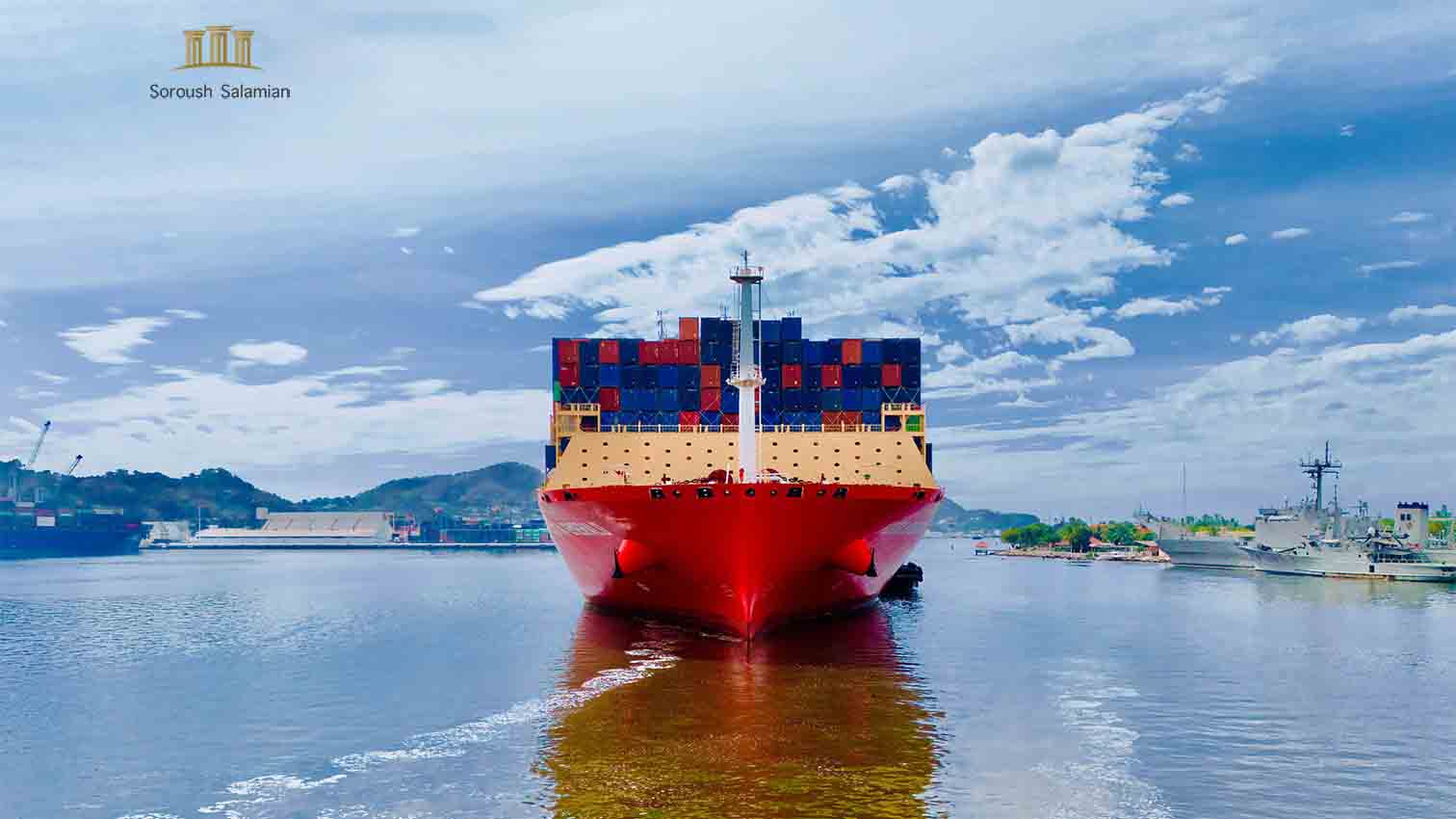
Technological developments in recent years have had a substantial impact on international trade and transportation law. Electronic documents, digital signatures, cargo tracking systems, smart contracts, and blockchain technology are transforming many traditional commercial and transportation processes.
One of the most significant developments is the gradual replacement of paper documents with electronic records. This can increase the speed of information exchange, reduce costs, and decrease the risk of document loss or forgery. However, the legal recognition of electronic documents may vary between jurisdictions and may still require further legal harmonization.
Cargo tracking systems also make it possible to monitor the real-time location of goods. In addition to improving transparency, this information may be important in legal disputes because it can provide detailed evidence concerning the time and location of relevant events.
Blockchain technology may also improve the security of contracts, transportation documents, and supply chains by enabling records to be stored in a manner designed to resist unauthorized alteration. At the same time, these technologies create new legal issues relating to data protection, cybersecurity, and the legal validity of digital information.
International trade law continues to adapt to these developments to respond to the requirements of digital commerce and intelligent transportation systems.
Common Legal Challenges in International Transportation
Although numerous laws and conventions have been developed to regulate global trade, international trade and transportation law continues to involve significant legal challenges. Differences between national laws, regulatory changes, sanctions, conflicting interpretations of contractual provisions, and enforcement difficulties are among the most important issues.
A contract may, for example, be governed by the law of one country while transportation takes place in another and damage occurs in a third. In such circumstances, determining the applicable law and competent forum may become highly complex.
Disputes concerning the interpretation of Incoterms, liability for cargo damage, transportation delays, documentary discrepancies, insurance issues, import and export restrictions, and enforcement of judgments or arbitral awards in different jurisdictions are also common.
Political developments, economic sanctions, international crises, and changes in trade regulations may further complicate contractual performance and create new responsibilities for the parties.
For this reason, companies engaged in international trade commonly seek assistance from legal counsel, transportation professionals, and international trade specialists before entering into agreements to identify potential risks and reduce the likelihood of costly disputes.
Why Is Knowledge of International Trade and Transportation Law Essential?
Effective global commerce depends on coherent legal rules. International trade and transportation law provides a framework within which manufacturers, exporters, importers, transportation companies, banks, insurers, and other economic participants can cooperate with greater certainty.
Knowledge of this field is not important only for lawyers and legal professionals. Company managers, commercial specialists, logistics professionals, customs agents, investors, and entrepreneurs seeking to enter international markets should also understand its fundamental principles.
A proper understanding of commercial contracts, the parties’ responsibilities, transportation documents, customs rules, insurance, dispute resolution methods, and international conventions can significantly reduce the risk of disputes, financial losses, and legal complications. Awareness of continuing regulatory and technological developments also helps businesses operate more effectively and adapt to changing conditions in global markets.
The greater the legal knowledge of participants in international trade, the stronger their ability to manage risk, protect economic interests, and develop sustainable commercial relationships. Familiarity with international trade and transportation law is therefore an important body of knowledge for long-term success in global commerce.
Frequently Asked Questions About the Fundamentals of International Trade and Transportation Law
International trade and transportation law consists of laws, regulations, conventions, and legal rules governing relationships among buyers, sellers, transportation companies, insurers, banks, and other parties involved in international trade. These rules address contract formation, transportation of goods, transfer of responsibility, payment, insurance, and dispute resolution.
Understanding these rules enables companies to draft more precise contracts, identify their responsibilities correctly, reduce legal risks, and protect their rights more effectively if a dispute arises. This plays an important role in reducing financial losses and increasing the security of international transactions.
International conventions establish common rules among countries concerning carrier liability, transportation documents, compensation for loss or damage, and dispute resolution procedures. These frameworks promote greater consistency in global trade and help reduce legal disputes between parties.
Incoterms determine how transportation costs, insurance, customs formalities, the place of delivery, and the transfer of risk from the seller to the buyer are allocated. Selecting the appropriate Incoterm helps prevent many contractual disputes and clearly defines the responsibilities of each party.
Documents such as bills of lading, consignment notes, insurance policies, and commercial invoices play an important role in establishing rights relating to goods, taking delivery, completing customs procedures, facilitating bank payments, and resolving disputes. Accurate preparation of these documents is an essential requirement of international trade.
Liability for compensation depends on factors such as the contractual provisions, applicable Incoterm, governing law, relevant international conventions, insurance conditions, and the cause of the damage. Determining liability requires a careful review of transportation documents, expert reports, and the contractual terms.
Disputes may be resolved through negotiation, mediation, international commercial arbitration, or proceedings before competent courts. Many international contracts include arbitration clauses so that disputes can be resolved within a specialized framework and, in some circumstances, more efficiently.
Transportation insurance protects cargo owners against potential losses arising from accidents, theft, fire, physical damage, or other unexpected events. Selecting appropriate insurance coverage is an important part of risk management in international trade.
A carefully drafted contract clearly establishes responsibilities, obligations, delivery schedules, payment terms, compensation procedures, governing law, and dispute resolution methods. This level of clarity significantly reduces the likelihood of legal disputes.
Compliance with legal principles, selection of appropriate Incoterms, use of carefully drafted contracts, appropriate insurance coverage, and accurate documentation reduce financial, legal, and operational risks in international transactions and provide greater certainty for the contracting parties. What is international trade and transportation law?
Why is understanding international trade and transportation law important for companies?
What role do international conventions play in the transportation of goods?
How do Incoterms affect the responsibilities of buyers and sellers?
Why are international transportation documents important?
How is liability determined if goods are damaged during transportation?
How are disputes resolved in international trade and transportation law?
What role does insurance play in international transportation?
Why is precise contract drafting important in international transportation?
How does international trade and transportation law affect risk management?





If the contract says one Incoterm but the invoice shows another, which one actually controls?
That kind of inconsistency can create a real dispute. The signed contract would usually be an important starting point, but the invoice, purchase order, correspondence, and the parties’ actual conduct may also matter. The documents should be reviewed together before deciding which term governs the transaction.
Can customs hold a shipment just because one document has a different weight listed?
A discrepancy in cargo documents can cause customs delays or additional inspection, particularly when the declared information does not match across the bill of lading, invoice, packing list, or customs declaration. The seriousness of the issue depends on the type of discrepancy and the applicable customs rules.
If the buyer refuses the goods at destination, does the seller automatically have to pay for the return shipping?
Not automatically. Responsibility for return transportation may depend on why the goods were rejected, the delivery terms, transfer of risk, and the contract between the parties. If the rejection itself is disputed, determining who bears the additional transportation costs can require a closer review.
Can a bank refuse payment if the goods arrived but there is a small mistake in the shipping documents?
Potentially, depending on the payment arrangement and the documents required. In transactions involving documentary payment mechanisms, discrepancies can become important even when the goods themselves have been delivered. The payment terms and exact documents presented would need to be reviewed.
What if the carrier loses the original bill of lading before the cargo reaches the port?
That can create significant practical and legal complications, particularly where the bill of lading is connected to the right to take delivery of the goods. The available solution depends on the type of bill of lading, the contract, and the procedures accepted by the carrier and other parties involved.
Can insurance still cover the loss if the seller chose the wrong Incoterm in the contract?
Possibly. An Incoterm and an insurance policy perform different legal functions. The selected Incoterm may determine which party was expected to arrange insurance, while actual coverage depends on the policy terms, insured risks, and circumstances of the loss. Both documents should be reviewed together.
If cargo tracking shows the shipment stopped somewhere it wasn’t supposed to, is that enough to prove the carrier was at fault?
Tracking data can be useful evidence, but it may not establish liability by itself. It would usually need to be considered alongside the agreed route, reason for the stop, transportation records, communications, and evidence connecting the stop to the actual loss or delay.
What happens if a new import restriction comes into effect while the goods are already in transit?
That can create a difficult cross-border issue. The effect may depend on the wording of the contract, applicable government measures, allocation of customs responsibilities, and provisions dealing with regulatory changes or unexpected events. The timing of the restriction can also be important.
Can an arbitration clause still apply if the carrier isn’t actually a party to the sales contract?
Not necessarily. Arbitration generally depends on the existence and scope of an agreement binding the relevant parties. A carrier may be operating under a separate transportation contract or bill of lading with its own dispute resolution terms, so each contractual relationship should be examined separately.
If the cargo value wasn’t declared before shipping, can the owner still claim the full loss?
Not always. International transportation rules and contractual terms may limit a carrier’s liability, and declaring the cargo value in advance can sometimes affect the applicable compensation limit. The transport mode, governing convention, contract terms, and cause of the loss would all need to be considered.