
The Importance of Transport Company Liability in Refrigerated Cargo Transportation
Refrigerated cargo transportation is one of the most sensitive areas of the transport industry. Even the smallest disruption in storage temperature can cause product spoilage, heavy financial losses, and, in some cases, serious risks to consumer health. For this reason, the responsibility of a transport company in this field goes far beyond the simple movement of goods. It includes maintaining the product’s quality, safety, and standard conditions throughout the entire transport process.
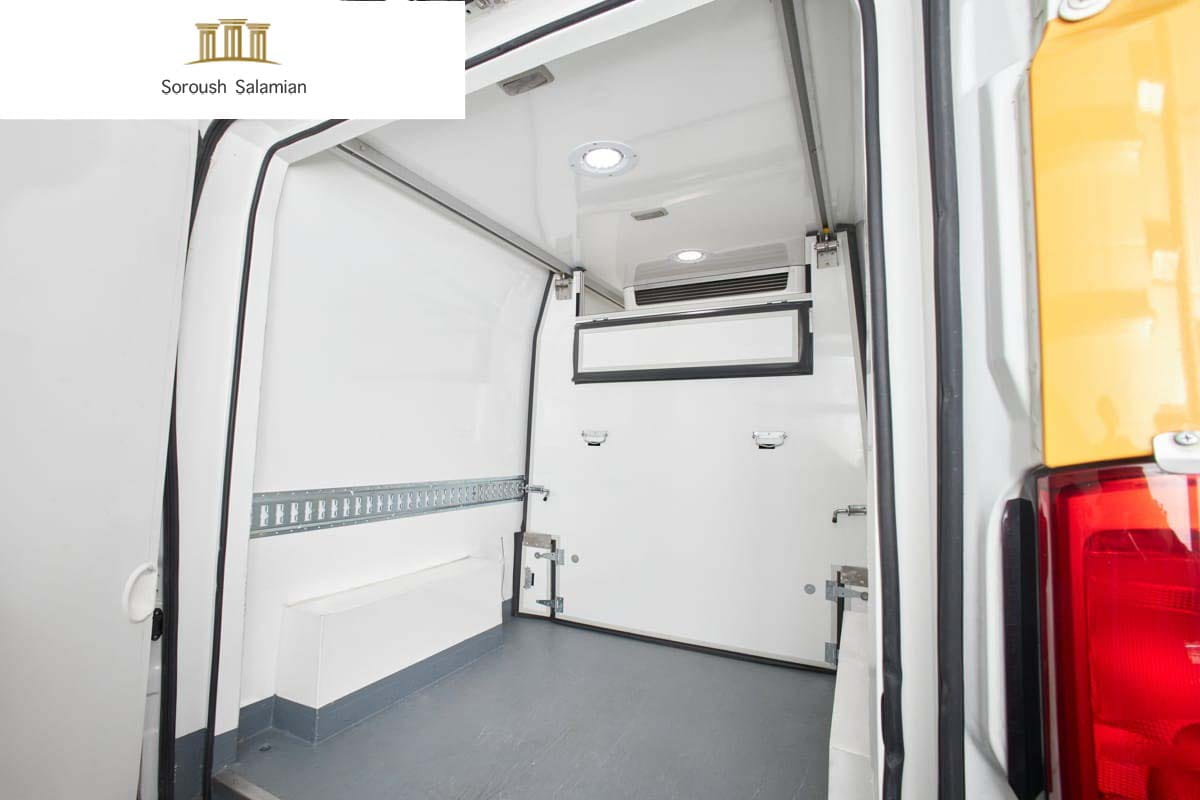
Refrigerated goods include food products, medicines, dairy products, meat, vaccines, fruit, and many other temperature-sensitive products. These goods must be kept within a specific temperature range, and any temperature fluctuation may destroy their quality. Therefore, the transport company is required to use standard refrigerated vehicles, reliable cooling systems, and temperature-control equipment.
In many countries, strict regulations apply to the transportation of refrigerated goods. Compliance with health standards, temperature recording, vehicle cleanliness, and continuous monitoring of storage conditions are among these requirements. If damage occurs, the transport company may be held liable for compensation, especially if it is proven that the required standards were not observed.
From a legal perspective, the transport company’s liability begins from the moment it receives the goods and continues until they are delivered safely. If the cargo is damaged due to a cooling system failure, transport delay, or improper storage, the transport company may face legal claims and compensation demands. For this reason, professional management of refrigerated cargo transportation is extremely important.
Legal Responsibility of the Transport Company in Maintaining the Cold Chain
One of the most important duties of companies transporting refrigerated goods is maintaining the cold chain. The cold chain refers to the set of processes that keep the goods within the required temperature range from loading to final delivery. Any disruption in this chain can cause cargo to spoil and cause serious damage.
The transport company must ensure that the vehicle’s refrigeration system is functioning properly before loading. The temperature inside the container or truck must be set according to the type of cargo and monitored throughout the journey. Some goods, such as vaccines or medicines, are sensitive to even minor temperature changes, and the smallest error can render them unusable.
In many transport contracts, the required cargo temperature is precisely specified. If the transport company fails to maintain these conditions, it may be held directly responsible for the loss. Temperature records, data loggers, and transport reports are important tools for proving compliance with required standards.
In addition, if there is a prolonged stop, a refrigeration breakdown, or a delay during the journey, the transport company must take immediate action to prevent cargo from spoiling. Failure to act properly may create civil and even criminal liability, especially where consumer health is at risk.
Duties of the Transport Company Before Loading Refrigerated Goods
The legal responsibilities of transport operators are not limited to moving cargo from origin to destination. A major part of their obligations begins before loading. Proper preparation of the vehicle and inspection of transport conditions play important roles in preventing subsequent losses.
The first duty is to ensure that the vehicle’s refrigeration system is functioning properly. Before loading, the transport company must inspect the refrigeration unit, cooling capacity, temperature sensors, and control equipment. Even a minor defect in the cooling system may cause the cargo to spoil completely during the journey.
Cleaning and disinfecting the vehicle’s interior is also extremely important. Food and pharmaceutical products must be transported in a fully hygienic environment. Remaining contamination, unpleasant odors, or traces of previous cargo may threaten the safety of the goods and create legal liability.
Checking the type of cargo and the appropriate transport temperature is also part of the transport company’s duties. Each product has its own storage requirements, and the transport company must be able to provide them. For example, meat, dairy products, fruit, and medicines each require different standards.
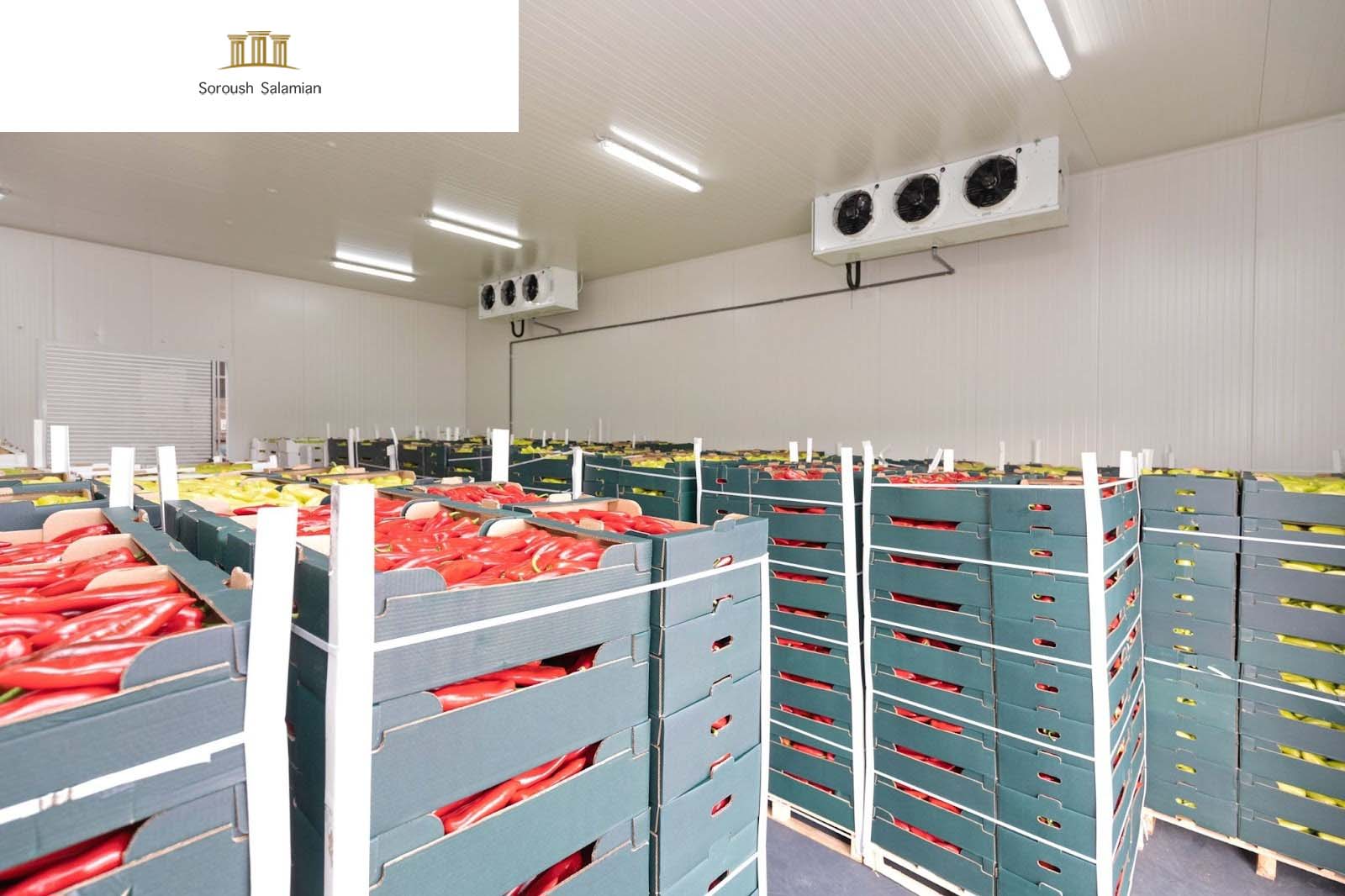
The loading method is also highly significant. If the goods are packed too tightly or the cold air circulation path is blocked, the temperature may not be distributed evenly. This can cause part of the cargo to spoil.
Recording the initial condition of the cargo, loading temperature, and transport report is also necessary before departure. These documents are highly important in the event of a legal dispute and can determine the scope of the transport company’s liability.

The Role of the Transport Contract in Determining the Company’s Liability
The transport contract is one of the most important legal documents in refrigerated cargo transportation. It defines the responsibilities of each party, the standards to be observed, and who is responsible for compensation if damage occurs.
A transport contract usually includes information such as the type of goods, required temperature, delivery time, transport route, storage conditions, and the scope of the transport company’s liability. The more precise this information is, the lower the risk of legal disputes.
One important issue in the contract is defining the limits of the transport company’s liability. Some companies try to limit their liability in certain circumstances, but such limitations must comply with the law to be legally valid. For example, if the damage results from negligence or defective equipment, the transport company usually cannot avoid responsibility.
Force majeure conditions are also commonly specified in transport contracts. Events such as natural disasters, road closures, or unforeseeable incidents may affect the transportation process. However, the transport company must prove that it took all reasonable steps to prevent or reduce the loss.
Many contracts also specify how temperature must be recorded, whether monitoring equipment must be used, and how transport reports must be provided. This information is very important in the event of a dispute and may serve as a basis for a court’s or an insurance company’s decision.
A professional and detailed contract is one of the most important tools for managing legal risk in refrigerated cargo transportation and can prevent many financial disputes.
Liability of the Transport Company in Case of Cargo Spoilage
Cargo spoilage is one of the most common problems in refrigerated transportation, and determining responsibility often becomes the main issue in disputes. When goods deteriorate in transit, the first question is whether the transport company complied with the required standards.
If cargo spoilage is caused by a refrigeration system failure, an incorrect temperature setting, an unjustified delay, or improper storage, the transport company will usually be held liable for compensation. In such cases, transport documents, temperature reports, and the vehicle’s technical condition play a key role in establishing liability.
However, the transport company’s liability is not absolute. If the goods were not in proper condition before loading or if their packaging was defective, part of the responsibility may fall on the cargo owner. In some cases, the inherent defect of the goods or unforeseeable circumstances may reduce the company’s liability.
One important factor is how quickly the transport company reacts when a problem occurs. If the refrigeration system fails, the company must act immediately, for example, by repairing the vehicle or transferring the cargo to another refrigerated vehicle. Indifference or delay in responding can lead to heavier liability.
In claims involving cargo spoilage, technical experts, insurance companies, and transport documents often play a decisive role. The more accurate the records are, the easier it becomes to determine liability. For this reason, professional companies always record and preserve temperature data and transport reports.
The Role of Insurance in the Liability of Refrigerated Cargo Transport Companies
Insurance is one of the most important tools for reducing risk in refrigerated cargo transportation. Because of the high sensitivity of these goods, there is always a risk of damage from refrigeration failure, delays, accidents, or spoilage. For this reason, many companies do not operate without appropriate insurance coverage.
Insurance for refrigerated cargo transportation usually covers losses due to spoilage, physical damage, accidents, and other unexpected events. However, the scope of coverage depends on the insurance contract and policy conditions. Some insurance policies cover only accidental damage and do not cover gradual spoilage of goods.
When a loss occurs, the insurance company first examines whether the transport company complied with the required standards. Recorded information about transport temperature, equipment condition, and delivery time is very important in this assessment.
If it is proven that the transport company was negligent, the insurer may pay compensation to the cargo owner and then bring a recourse claim against the transport company.
Another important issue is determining the actual value of the goods. In the transportation of high-value products such as medicines or vaccines, the amount of damage can be extremely high. Therefore, proper insurance is especially important.
Insurance can never replace proper transport management, but it can significantly reduce financial losses. Professional transport companies usually have both cargo insurance and civil liability insurance to protect themselves against potential claims.
Health Standards in Refrigerated Cargo Transportation
Compliance with health standards in refrigerated cargo transportation is highly important because many of these goods are directly related to human health. Any contamination, improper storage, or failure to observe hygiene standards may cause spoilage and pose serious risks to consumers.
The transport company must regularly wash and disinfect refrigerated vehicles. Remaining contamination, spoiled food residues, or unpleasant odors from previous cargo can affect the quality of the new shipment. This is especially important when transporting food and pharmaceutical products.
Temperature control is also part of health requirements. Many bacteria grow at improper temperatures and can threaten product safety. For this reason, continuous temperature monitoring and recording are necessary.
Employees of the transport company must also receive proper hygiene training. Loading methods, the use of appropriate equipment, and preventing contact between goods and environmental contamination are among the key issues. In some countries, even the clothing and equipment of staff are subject to specific hygiene standards.
Failure to comply with health standards can create not only civil liability but also criminal liability, especially if public health is endangered. For this reason, regulatory authorities usually apply strict controls to refrigerated cargo transportation.
Companies that comply with health standards not only reduce legal risk but also gain greater market trust and stronger professional credibility.

Transport Company Liability in Refrigerated Cargo Transportation and Delivery Delay
Delivery time is much more important in refrigerated cargo transportation than in many other types of cargo transport. Many refrigerated products have a limited shelf life, and any delay can reduce their quality or cause complete spoilage. Therefore, delayed delivery may create serious legal liability for the transport company.
In transport contracts, delivery time is usually specified precisely. If the transport company delays delivery without a valid reason and that delay causes damage, it may be held responsible for compensation. For example, a delay in delivering medicines, dairy products, or meat can cause financial loss and even health risks.
Of course, not every delay automatically means the carrier is liable for cargo damage. Unforeseeable events such as road closures, severe weather, or accidents may be considered force majeure events. However, the transport company must prove that it took reasonable steps to reduce the delay and prevent loss.
One important issue is prompt notification to the cargo owner if a problem occurs. Concealing the delay or ignoring the condition of the goods may increase the company’s liability. In many cases, recording stop times and the vehicle’s route is also important in resolving disputes.
Professional route management, proper vehicle maintenance, and accurate transport planning can reduce the risk of delay and prevent many legal claims.
Suggested reading: What Are the Responsibilities of Transport Companies in Cargo Delays?
The Role of Technology in Reducing Liability in Refrigerated Cargo Transportation
In recent years, technology has played a significant role in reducing the risks and liabilities for companies transporting refrigerated goods. Smart systems have made temperature control, cargo tracking, and transport management much more accurate.
One of the most important technologies is temperature recording and monitoring systems. These devices record the temperature inside the truck or container in real time and send alerts if an abnormal change occurs. These records can also be used as evidence in legal disputes.
GPS and online tracking systems are also highly important. The transport company can monitor the vehicle’s location, stop duration, and estimated delivery time. This increases security and reduces the risk of delay and mismanagement.
Some modern refrigerated vehicles are equipped with smart cooling control systems that automatically regulate temperature. These technologies reduce human error and improve transport quality.
Logistics management software also improves coordination between the warehouse, driver, and customer. Digital recording of transport information, documents, and reports makes dispute resolution easier.
The more advanced technology a transport company uses, the lower the risk of damage and legal liability becomes. For this reason, investment in smart equipment has become a competitive requirement in refrigerated cargo transportation.
Legal Risk Reduction Strategies for Refrigerated Transport Companies
Refrigerated cargo transport companies must take a range of preventive measures to avoid financial losses and legal claims. Proper risk management is one of the most important factors for success in this field.
The first step is using standard vehicles and reliable refrigeration equipment. Regular maintenance of refrigeration units, inspection of sensors, and control of cooling systems must be carried out periodically. Many losses are caused by vehicle technical defects that could have been prevented through proper maintenance.
Training drivers and staff is also extremely important. Employees must be familiar with loading methods, temperature settings, hygiene principles, and rapid response in emergency situations. Human error is one of the most common causes of cargo spoilage.
Accurate recording of transport information, temperature, stop times, and storage conditions also plays an important role in reducing disputes. The more complete the documentation is, the easier it becomes to prove compliance with obligations. Digital systems and online monitoring can improve the quality of this process.
Precise contracts and suitable insurance coverage are also essential. The contract must clearly define the scope of liability, transport conditions, and compensation procedures. Proper insurance can also cover part of the potential losses.
Companies that rely on professional management, standard equipment, and accurate documentation not only face lower legal risk but also gain greater market trust and stronger commercial credibility.
Frequently Asked Questions About the Liability of Transport Companies in Refrigerated Cargo Transportation
The liability of the transport company usually begins from the moment it receives the goods and continues until they are safely delivered to the destination. During this period, the company must maintain standard storage conditions, proper temperature, and cargo safety.
The cold chain is the process through which the cargo temperature is kept within the required standard range from loading to final delivery. Any disruption in this process can cause cargo spoilage and financial loss.
A change in the temperature of a refrigerated vehicle can cause food spoilage, reduce the quality of medicines, damage dairy products, or destroy temperature-sensitive goods. In many cases, the transport company may be responsible for compensation.
If the spoilage is caused by refrigeration system failure, improper storage, unjustified delay, or negligence by the transport company, the company will usually be held liable for compensation. However, the contract terms and the exact cause of the damage are also important.
Goods such as food products, meat, dairy products, fruit, medicines, vaccines, protein products, and many temperature-sensitive goods must be transported in refrigerated vehicles under standard conditions.
The transport company must check the refrigeration system, vehicle cleanliness, proper temperature, control equipment, and hygiene conditions before loading to prevent cargo spoilage during the journey.
Yes. If the delay causes spoilage or a reduction in quality and is due to the transport company's negligence, the company may be held liable for compensation. Delivery time is extremely important in refrigerated cargo transportation.
Insurance can cover losses caused by cargo spoilage, accidents, refrigeration system failure, or unforeseeable events. Many professional companies have both cargo insurance and civil liability insurance.
Temperature recording helps determine whether standard storage conditions were maintained throughout the journey. This information is highly important in legal disputes and insurance claim assessments.
Yes. If the transport company fails to observe hygiene standards and the safety of the goods or consumers is endangered, it may face civil liability, fines, or even criminal claims. When does the liability of a transport company in refrigerated cargo transportation begin?
What is the cold chain in refrigerated cargo transportation?
What happens if the temperature of a refrigerated truck changes?
Is the transport company liable if the cargo spoils?
Which goods require refrigerated transportation?
What duties does the transport company have before loading?
Can delayed delivery of refrigerated goods create legal liability?
What is the role of insurance in refrigerated cargo transportation?
Why is temperature recording important during transportation?
Can failure to comply with hygiene standards create legal problems for the transport company?





If the temperature stays within range most of the trip but spikes for only 20 minutes, can that still support a claim?
Potentially. For highly sensitive goods, even a short temperature excursion can matter. The product specifications, duration of the excursion, temperature logs, and expert findings would all be important in determining whether that brief event actually caused damage.
What if the driver notices the reefer unit is failing but keeps going instead of stopping for repair?
That can increase the carrier’s exposure. Once a refrigeration problem is known, the transport company is generally expected to take reasonable steps to prevent further loss, which may include repair, transfer to another refrigerated vehicle, or other emergency measures.
Can the carrier blame the shipper if the goods were loaded at the wrong temperature from the start?
Potentially. The condition and temperature of the cargo at loading can be very important. If the goods were already outside the required range before the carrier took custody, responsibility may be shared or shifted depending on the evidence and the parties’ contractual duties.
What if the temperature sensor was broken and there is no reliable data for part of the journey?
That can create an evidentiary problem for the transport company. Continuous temperature monitoring is one of the main ways to show that the cold chain was maintained. If records are missing, other evidence such as maintenance logs, delivery inspections, and expert analysis may become more important.
If only some boxes in the truck spoiled, can the carrier argue that the refrigeration system was working properly?
It can make that argument, but partial spoilage does not automatically prove the refrigeration system was functioning correctly. Poor air circulation, incorrect loading, blocked vents, or uneven temperature distribution can damage only part of the cargo. The loading pattern and technical records should be reviewed.
Can an insurer refuse the claim if the cargo spoiled gradually instead of after one sudden refrigeration failure?
Possibly. Some insurance policies distinguish between sudden accidental damage and gradual deterioration. Whether the loss is covered depends on the policy wording, exclusions, and the actual cause of spoilage, so the insurance terms should be reviewed closely.
What if traffic causes a long delay but the cooling system keeps working the whole time?
A delay alone does not automatically create liability if the cargo remained within the required temperature and storage conditions. However, for goods with a limited shelf life, the delay may still cause measurable loss, so delivery time and product condition would need to be assessed together.
If the truck was not properly cleaned from the previous cargo, can contamination be treated separately from temperature damage?
Yes. Hygiene and temperature control are separate obligations. Even where the refrigeration system works properly, contamination from residue, odors, or poor sanitation can create an independent basis for liability if it damages the goods or creates a health risk.
Can the carrier rely on force majeure if a road closure causes spoilage but they had another route available?
Not automatically. A force majeure defense generally becomes stronger where the event was genuinely beyond the carrier’s control and reasonable alternatives were not available. If another practical route or mitigation option existed, that could weaken the defense.
If the temperature records look normal but an expert says the goods clearly suffered heat damage, which evidence matters more?
Neither piece of evidence automatically controls. The reliability of the temperature data, sensor placement, calibration history, inspection findings, and expert methodology would all need to be compared. In refrigerated cargo disputes, technical evidence is usually strongest when the different records support the same timeline.