
The Importance of Complying With Legal Requirements for Dangerous Goods Transportation
The transportation of dangerous goods is one of the most sensitive areas of the transport industry, and compliance with legal requirements is extremely important. Dangerous goods include materials that, if transported improperly, may create risks for people, the environment, vehicles, and infrastructure. Chemicals, flammable gases, toxic substances, radioactive materials, and certain industrial liquids fall into this category.
Regulations governing the transportation of these goods are designed to reduce the risk of explosion, leakage, fire, or environmental contamination. International organizations and frameworks such as ADR, IMO, and IATA have established specific standards for road, sea, and air transport, and many countries base their domestic laws on these frameworks.
Failure to comply with these requirements can have very serious consequences, ranging from financial penalties and cargo detention to human casualties and widespread damage. For this reason, transport companies must observe specialized training, standard packaging, accurate labeling, and complete documentation requirements.
Today, with the growing volume of trade in industrial and chemical materials, the importance of correctly implementing dangerous goods transport regulations has never been greater. Companies must pay close attention to safety standards and legal compliance.
Classification Requirements for Dangerous Goods Transportation
One of the most important legal requirements in the transportation of dangerous goods is the correct classification of these materials. Each dangerous good is placed in a specific category based on its chemical characteristics and level of risk, so that the correct method of transport, storage, and packaging can be determined.
Under international standards, dangerous goods are usually divided into nine main classes. These classes include explosives, gases, flammable liquids, flammable solids, oxidizing substances, toxic substances, radioactive materials, and corrosive substances.
Accurate classification is extremely important because even a small mistake may lead to the wrong choice of transport equipment or packaging method. For example, transporting a flammable substance without complying with ventilation or temperature-control requirements can pose serious risks.
Each dangerous substance also has a specific identification code, which is entered in transport documents and labels. This information helps emergency responders, drivers, and transport companies respond appropriately in emergencies.
Companies operating in this field are required to fully review the safety information for the goods and, before transportation, identify and record the type of material in accordance with international standards. Correct classification is one of the main foundations of safety in dangerous goods transportation.
Packaging Requirements for Dangerous Goods
Standard packaging is one of the most important legal requirements in the transportation of dangerous goods. The purpose of these rules is to prevent leakage, explosion, contamination, or damage to materials during movement. The type of packaging must be selected in full accordance with the nature of the dangerous substance.
For each class of dangerous goods, specific standards apply to container types, physical strength, pressure resistance, and storage conditions. Some materials require corrosion-resistant containers, while others must be kept in explosion-proof or heat-resistant packaging.
The use of internationally approved packaging is extremely important. Such packaging usually bears special codes and markings showing compliance with dangerous goods transport standards.
Regulations also require packaging to be resistant to vibration, impact, and temperature changes. In long-distance transportation, there is a risk of physical damage to the cargo, and if the packaging is not of sufficient quality, serious hazards may arise.
In addition to the packaging itself, the way cargo is arranged is also important. Some materials must not be placed next to each other because they may react chemically. Therefore, transport companies must follow precise safety instructions to minimize potential risks.
Legal Labeling and Marking of Dangerous Goods
One of the most important rules in dangerous goods transportation is the correct use of labels and warning signs. These signs play a major role in quickly communicating the type of hazard and help drivers, emergency responders, and transport officials take the necessary safety measures.
Each dangerous good must have a label corresponding to its hazard class. These labels usually include international symbols, warning colors, and identification codes. For example, flammable materials are marked with a flame symbol, while toxic substances are identified with poison or hazard symbols.
The information placed on packaging must be clear, legible, and resistant to environmental conditions. In international transportation, missing or incorrect labels may result in cargo detention or heavy fines.
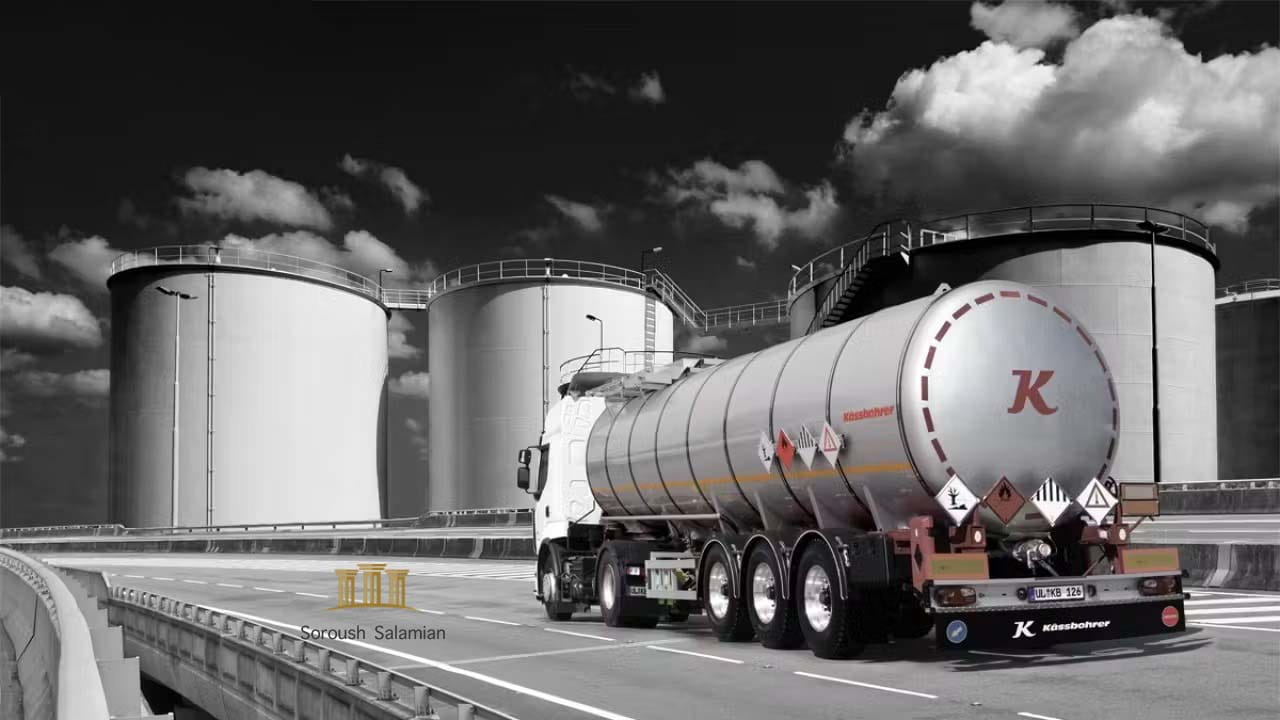
In addition to packaging, vehicles carrying dangerous goods must also display appropriate warning signs. This is especially important in road transport because, in the event of an accident, emergency responders must quickly identify the type of dangerous substance involved.
Accurate labeling also enables safer warehousing, loading, and unloading operations. Many dangerous goods transport accidents occur due to defective markings or incorrect identification of substances. For this reason, compliance with labeling standards is one of the most important legal requirements in the dangerous goods transport chain.
Required Documents for Dangerous Goods Transportation
The transportation of dangerous goods is not permitted without legal documents and safety records. These documents provide detailed information about the nature of the goods, the level of danger, storage methods, and emergency measures, and they form an important part of the legal requirements.
One of the most important documents is the Safety Data Sheet, or SDS. This document contains complete information on the substance, potential hazards, methods for responding to leaks or fires, and required safety equipment. Drivers and emergency responders need this information during emergencies.
A special consignment note or transport document for dangerous goods must also be completed accurately. These documents include information such as hazard class, UN number, type of packaging, and quantity of the substance. Any omission or mistake in these documents may create legal problems.
In international transportation, customs permits and approvals relating to transport standards are also very important. Some countries impose stricter rules on the entry or transit of dangerous goods, and transportation may not be allowed without valid documents.
Proper retention of documents is also a legal requirement. These records must be accessible to the driver and transport officials so they can be used quickly in the event of an inspection or accident.
Overall, accurate documentation plays a very important role in safety, transparency, and legal compliance in dangerous goods transportation.
Training of Drivers and Dangerous Goods Transport Personnel
One of the most important legal requirements in dangerous goods transportation is specialized training for drivers and related personnel. Transporting these materials without sufficient knowledge can pose serious risks to people and the environment.
Drivers must be familiar with types of dangerous goods, warning signs, safe loading and unloading methods, and emergency procedures. Many countries require drivers to obtain a specialized certificate for transporting dangerous substances.
Training usually includes how to respond to situations such as material leakage, fire, explosion, or road accidents. The driver must know how to use safety equipment and what actions to take to reduce risk in each situation.
Warehouse, loading, and unloading personnel also need specialized training. Mistakes in handling or storing dangerous goods can cause severe accidents. For this reason, many international regulations place strong emphasis on continuous staff training.
Transport companies are required to keep training records for their personnel and hold regular refresher courses. In some countries, legal inspections are carried out to assess the level of staff training.
Specialized training is one of the most important factors in reducing accidents in dangerous goods transportation and has a direct role in improving transport safety.

Safety Requirements for Vehicles Carrying Dangerous Goods
Vehicles used to carry dangerous goods must meet special safety standards. These requirements are designed to reduce the possibility of fire, explosion, or leakage during the journey.
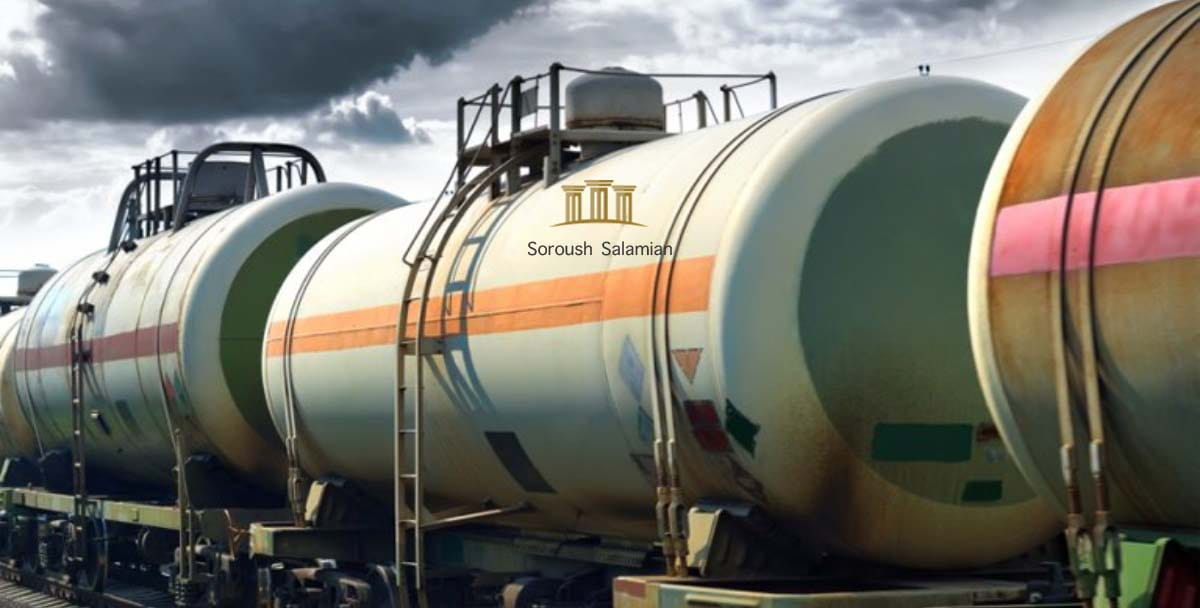
The type of vehicle must be selected according to the nature of the dangerous substance. For example, transporting fuel or flammable chemicals requires resistant tankers and special safety systems. Some materials also require temperature control or specific ventilation.
Safety equipment such as fire extinguishers, leakage-control systems, warning equipment, and first-aid kits must always be available in the vehicle. The absence of this equipment may constitute a legal violation.
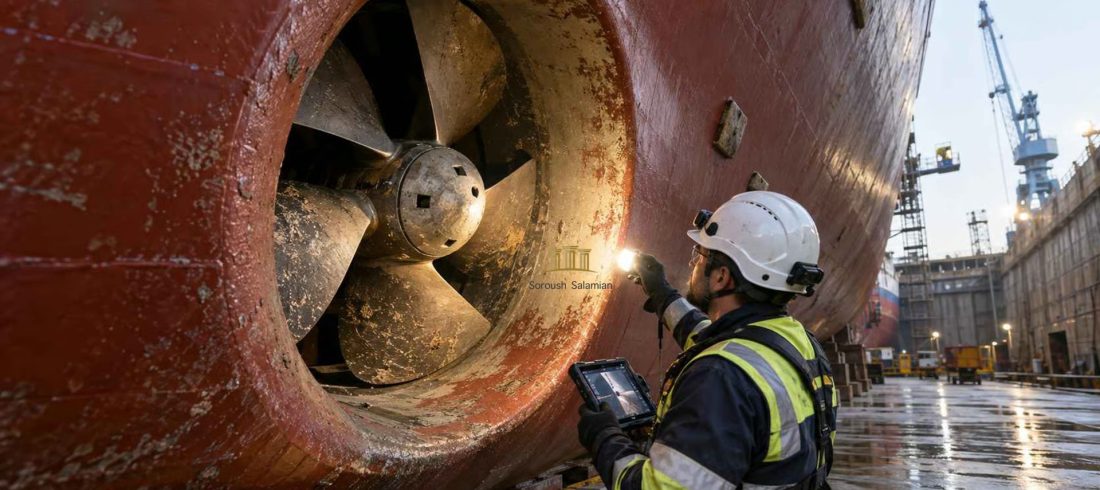
Periodic technical inspection of vehicles is also extremely important. Brakes, tires, tanks, and connections must be checked regularly to reduce the likelihood of technical failure. Many dangerous goods transport accidents are caused by vehicle defects.
Vehicles carrying dangerous goods must also have clear warning signs so that other drivers and emergency responders are aware of the type of cargo. Compliance with these requirements significantly reduces the risk of transporting dangerous materials and helps maintain the safety of transport routes.
International Rules for the Transportation of Dangerous Goods
International transportation of dangerous goods is governed by very detailed rules and standards. Each mode of transport has its own regulations, and companies must fully comply with these standards.
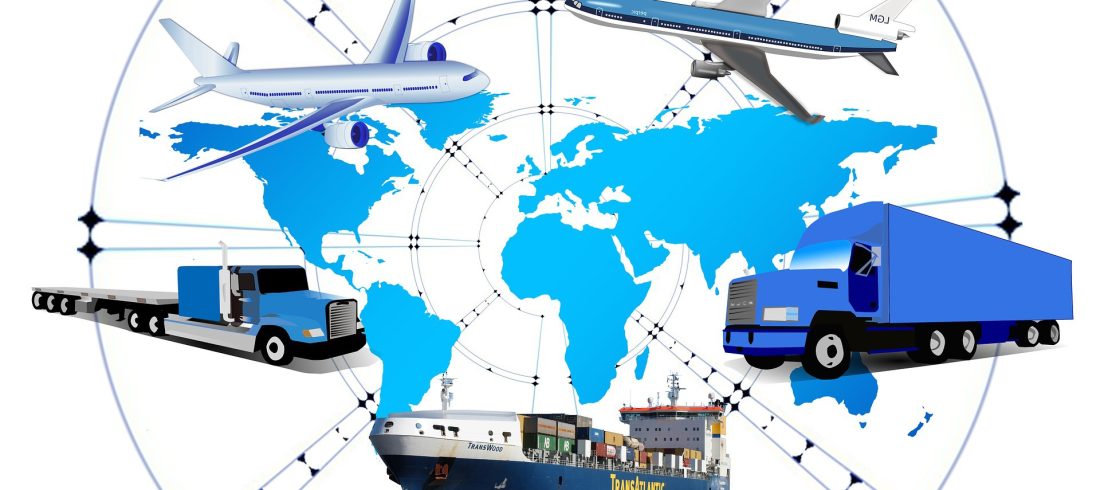
In European road transport, the ADR Agreement is one of the most important legal frameworks. In maritime transport, the IMDG Code has been developed by the International Maritime Organization. Air transport of dangerous goods is governed by IATA regulations.
These standards establish detailed rules on packaging, labeling, documentation, staff training, and safety equipment. Their main purpose is to create global coordination in reducing the risks of dangerous goods transportation.
Companies involved in international transport must also be familiar with the laws of different countries because some countries impose stricter restrictions on the entry or transit of these goods.
Failure to comply with international rules may result in cargo detention, heavy fines, or prohibition of the company’s operations. For this reason, many companies use specialist dangerous goods transport consultants.
In today’s world, where global trade has expanded significantly, accurate knowledge of international dangerous goods transport regulations has become extremely important.
Legal Responsibilities of Dangerous Goods Transport Companies
Transport companies have heavy legal responsibilities when carrying dangerous goods. These responsibilities include compliance with safety standards, staff training, use of appropriate equipment, and protection of people and the environment.
Before transportation, companies are required to review complete information about the goods and ensure that the packaging, labeling, and documents comply with applicable laws. Any negligence may create civil and criminal liability.
In the event of an accident, the transport company may be required to compensate for financial, environmental, or bodily damage. For this reason, specialized insurance for the transportation of dangerous goods is highly important.
Companies must also review the route, weather conditions, and vehicle safety status to reduce transport risk. In many countries, periodic inspections are carried out to monitor compliance with these requirements.
Maintaining transport records, accident reports, and training documents is also part of a company’s legal responsibilities. These records are important in legal and insurance investigations.
Ultimately, strict compliance with the law not only prevents penalties and legal problems but also increases customer trust and business credibility.
Legal Consequences of Non-Compliance With Dangerous Goods Transport Regulations
Failure to comply with dangerous goods transport regulations can have very serious and costly consequences. These consequences are not limited to financial penalties and may include extensive human, environmental, and legal damage.
One of the most common consequences is heavy legal fines. Many countries impose significant financial penalties for violations relating to packaging, labeling, or non-standard transportation of dangerous substances.
In more serious cases, the company’s operations may be suspended or its transport permit revoked. If an accident results in bodily injury or environmental contamination, company officials may even face criminal prosecution.
Accidents caused by improper transportation of dangerous materials can lead to significant losses, ranging from explosions and fires to the leakage of toxic substances and the contamination of water and soil resources. These damages not only create financial costs but can also seriously harm the company’s reputation.
Insurance companies may also refuse to pay compensation if a violation is proven. For this reason, strict compliance with laws and standards is essential.
Overall, adherence to the legal requirements for dangerous goods transportation is not merely an administrative matter. It is an essential part of professional responsibility and public safety protection.
Suggested reading for transport industry professionals: Liability of the Transport Company in Refrigerated Cargo Transportation
Frequently Asked Questions About Legal Requirements for Dangerous Goods Transportation
Compliance with legal requirements reduces risks such as explosion, fire, leakage of toxic substances, and environmental contamination. These rules are designed to protect drivers, transport workers, the public, and infrastructure. Failure to comply can cause very serious human and financial losses.
Dangerous goods include materials that can create hazards if transported improperly. Flammable materials, gases, corrosive chemicals, toxic substances, explosives, radioactive materials, and some industrial liquids are among the most important types of dangerous goods.
Correct classification determines the conditions under which each substance must be transported. The choice of packaging, vehicle, safety equipment, and storage method depends entirely on the substance's hazard class. Incorrect classification can create very serious risks.
Standard packaging prevents leakage, explosion, contamination, and damage to materials. Packaging must be suitable for the type of substance and resistant to impact, pressure, and temperature changes in order to maintain transport safety.
Labels identify the type of hazard quickly and clearly, helping drivers, emergency responders, and transport officials take the necessary safety measures. Missing or incorrect labels can lead to accidents or legal problems.
A special consignment note, Safety Data Sheet (SDS), substance identification documents, UN number, and transport permits are among the most important required documents. These documents provide complete information about the substance and the necessary safety measures.
Yes. Drivers must receive specialized training on transporting dangerous goods, responding to emergencies, using safety equipment, and complying with transport regulations. In many countries, a specialized certificate is required for this type of transport.
These vehicles must have appropriate safety equipment such as fire extinguishers, leakage-control systems, warning signs, and regular technical inspections. The type of vehicle must also be selected according to the nature of the dangerous substance.
The most important international standards include ADR for road transport, IMDG for maritime transport, and IATA for air transport. These rules set detailed requirements for packaging, labeling, staff training, and transport safety.
Non-compliance may lead to heavy fines, cargo detention, revocation of operating permits, environmental damage, and even criminal prosecution. If an accident occurs, the transport company may be liable for financial and bodily damage.
Specialized companies are familiar with laws, standards, and safety requirements and can transport dangerous goods with much lower risk. Standard equipment, trained personnel, and accurate documentation are among the main advantages of working with professional companies. Why is compliance with legal requirements in dangerous goods transportation so important?
What materials are considered dangerous goods?
Why is the classification of dangerous goods important?
Why is standard packaging necessary in dangerous goods transportation?
What role does labeling play in the safety of dangerous goods transportation?
What documents are required for dangerous goods transportation?
Do drivers transporting dangerous goods need specialized training?
What features should vehicles carrying dangerous goods have?
What international standards govern dangerous goods transportation?
What are the consequences of failing to comply with dangerous goods transport regulations?
Why is it important to use professional companies for dangerous goods transportation?



If the UN number is correct but the hazard class is listed wrong, can the shipment still be stopped?
Yes, potentially. A mismatch between the UN number and hazard classification can affect packaging, labeling, segregation, and emergency response requirements. Authorities may detain the shipment until the discrepancy is corrected, and the responsible party may also face penalties depending on the seriousness of the error.
What if the driver has the right certificate but it expired during the trip?
That can create a compliance issue because dangerous goods transport often requires valid certification throughout the operation. The effect would depend on the applicable rules, when the certificate expired, and whether the driver was legally permitted to continue.
Can the carrier refuse dangerous cargo after loading if they discover the packaging is not approved?
Potentially, yes. Approved packaging is a core safety requirement, and the carrier may need to stop transport or require corrective action if non-compliant packaging is discovered. The contract may also determine who bears unloading, repacking, storage, and delay costs.
What if two chemicals are legal to transport separately but dangerous when stored next to each other?
That can create a serious segregation issue. Dangerous goods rules do not focus only on individual classification, but also on whether certain substances may safely be transported or stored together. The relevant compatibility and stowage requirements should be checked before loading.
If the Safety Data Sheet is outdated but the substance itself has not changed, is that still a problem?
Potentially. The SDS is an important safety and emergency-response document, and outdated information can create compliance problems even if the underlying product has not changed. Companies should ensure that the version provided for transport is current and consistent with the cargo classification.
Can the company be liable if the driver was trained but warehouse staff loaded the dangerous goods incorrectly?
Yes, potentially. Training obligations can extend beyond drivers to warehouse, loading, and unloading personnel. If improper loading or handling contributes to an accident, responsibility may involve the company and the individuals responsible for that stage of the operation.
What if the vehicle passes inspection but a safety device fails during the journey?
A valid inspection does not automatically eliminate liability. Investigators may still examine maintenance history, whether the defect was foreseeable, how quickly the driver responded, and whether backup safety measures were available. The specific technical failure would need to be reviewed.
Can insurance deny the whole claim because one warning label was missing?
Possibly, but not every labeling defect will necessarily justify complete denial. The insurer would usually need to rely on the policy terms and may examine whether the labeling violation was material or connected to the loss. The policy and accident circumstances should be reviewed together.
If a country suddenly bans transit of a certain chemical, who pays for rerouting or storage?
That depends mainly on the contract. A sudden regulatory restriction may trigger force majeure, change-in-law, or rerouting provisions, but those clauses may allocate additional costs differently. The timing of the ban and available alternative routes would also be relevant.
If there is a leak but nobody is injured, can the company still face criminal or environmental liability?
Potentially, yes. Liability is not limited to cases involving personal injury. A leak can cause environmental contamination, property damage, or serious public safety risks, and significant violations may result in regulatory penalties or criminal proceedings depending on the facts.