
Legal Rights in Cases of Port Congestion and International Trade
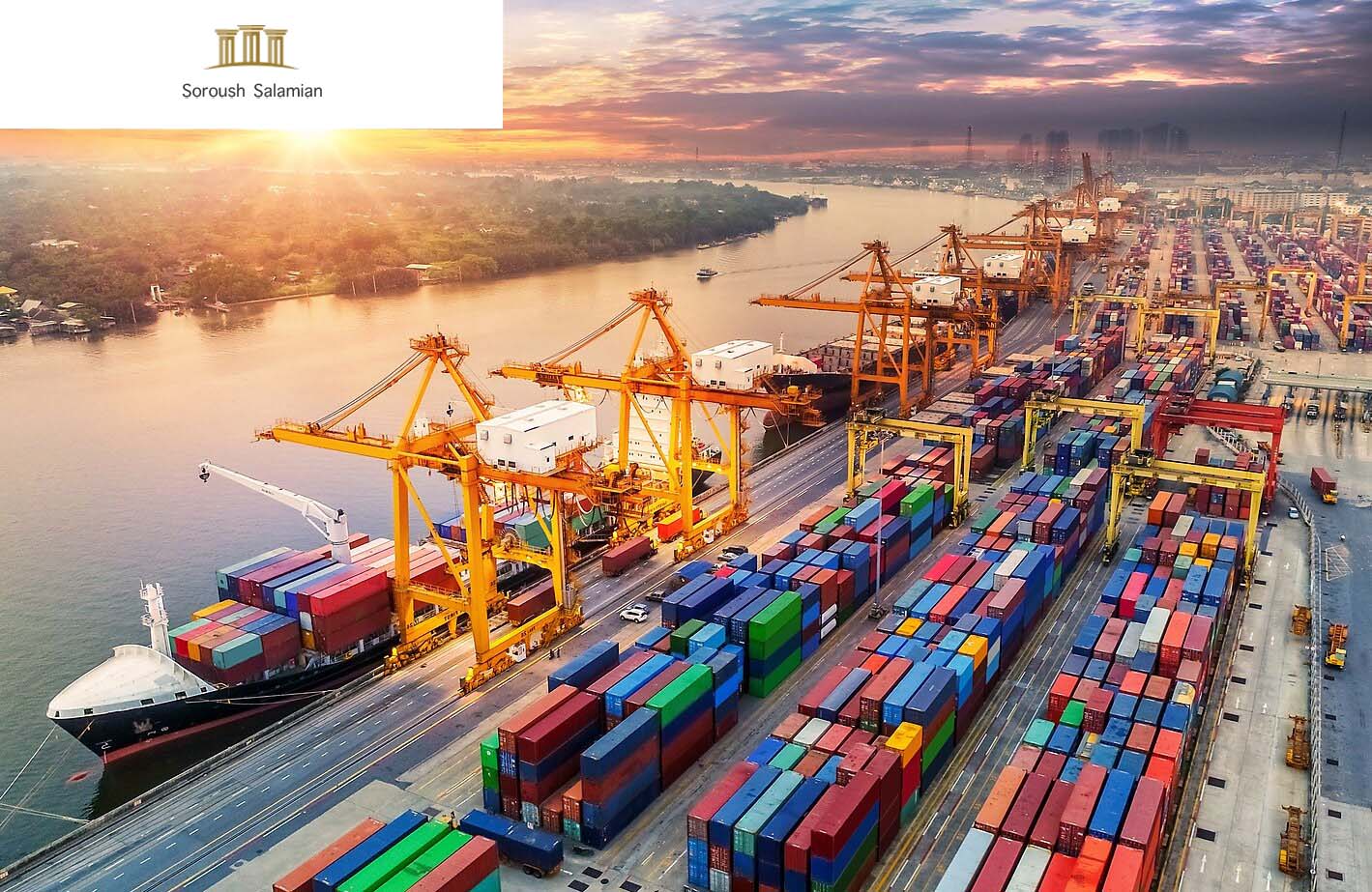
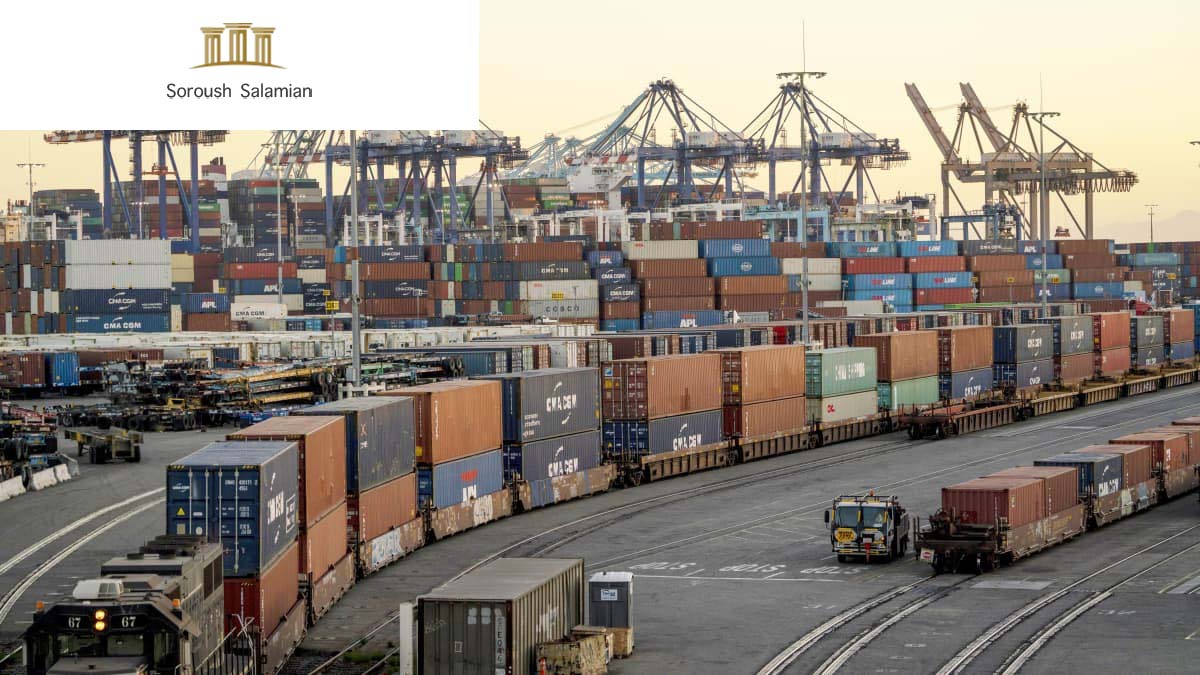
Port congestion is a common challenge in maritime transport and the global supply chain. When the number of vessels, containers, or the volume of port operations exceeds a port’s actual capacity, the process of discharging, loading, and clearing goods is delayed. This situation can create wide-ranging economic and legal consequences for cargo owners, shipping companies, importers, exporters, and other commercial actors.
In recent years, the growth of global trade, political crises, sanctions, logistics disruptions, and even weather conditions have caused many ports around the world to experience congestion and slower operations. In such circumstances, additional costs may arise, including demurrage, storage charges, delivery delays, and contractual damages.
The issue becomes even more important when we consider that many commercial contracts are based on precise timelines, and any delay may result in a breach of the parties’ obligations. For this reason, understanding legal rights during port congestion is essential for everyone involved in trade and transportation. Awareness of responsibilities, proper review of contractual terms, and consideration of the rules governing maritime transport can prevent many disputes and help businesses manage commercial risks more effectively.
Why Is It Important to Understand Legal Rights in Cases of Port Congestion?
Port congestion is an unavoidable reality of international trade and can have significant financial and legal consequences. Transport delays, increased costs, and contractual disputes are only some of the effects of this situation. Understanding legal rights, drafting precise contracts, managing documentation, and using specialist legal advice are among the most important tools for reducing risk in this area.
The more commercial actors understand their rights and responsibilities, the better they can manage crises and prevent financial losses. Ultimately, proper planning and a professional approach to port congestion can provide greater security for commercial activities.
Main Causes of Port Congestion
Port congestion is usually the result of several factors, and in many cases, it is not possible to identify a single cause. Economic conditions, natural events, and even management decisions can all contribute to this situation.
One of the most important causes is a sudden increase in import and export volumes. When the number of incoming vessels exceeds the port’s loading and discharge capacity, long queues form and vessel waiting times increase. Customs problems are also among the major causes of congestion.
Delays in customs formalities, shortage of personnel, or disruption in administrative systems can slow the movement of goods. Other factors may also contribute to port congestion, including:
- Adverse weather conditions.
- Strikes by port workers.
- Equipment breakdown.
- Container shortages.
- Sanctions and international restrictions.
- Increased transportation costs.
In some cases, global crises such as pandemics or wars may also cause widespread disruption to port operations. Identifying the main cause of congestion is extremely important because in many legal disputes, the allocation of responsibility depends on it.

How Does Port Congestion Affect Transportation Contracts?
Maritime transport contracts are usually based on specific timelines. When port congestion delays the loading or discharge of goods, performance of contractual obligations is also affected. In many cases, port congestion delays can increase ancillary costs.
If the goods are not delivered on time, the buyer may claim damages, or the seller may face legal problems for failing to perform its obligations. In some contracts, the time of delivery is critically important. For example, in contracts involving food products, seasonal goods, or raw materials for factories, any delay may cause significant economic losses.
For this reason, many professional contracts include separate clauses to manage abnormal circumstances such as port congestion. These clauses determine how responsibility will be allocated if a delay occurs and what mechanisms will be used to resolve disputes. Precise contract drafting can play an important role in reducing disputes arising from port congestion.
Who Is Responsible for Paying Damages Caused by Port Congestion?
One of the most important legal questions in this area is who must pay damages resulting from port congestion. The answer is not the same in every case and depends on the terms of the contract and the cause of the delay.
In some cases, responsibility may fall on the carrier. In others, cargo owners or charterers may be liable. Sometimes, neither party is considered at fault, and the matter is examined under force majeure principles. Several factors affect the determination of liability, including:
- Contractual terms.
- Cause of the congestion.
- Port regulations.
- Transport documents.
- International practices.
For this reason, the mere occurrence of delay is not enough to attribute responsibility to one party. In many disputes, the contract details and a careful analysis of the documents will determine the final outcome.
The Role of Force Majeure Clauses in Cases of Port Congestion
Force majeure is one of the most important legal concepts in international trade. In some cases, port congestion may result from circumstances beyond the parties’ control. For example, war, sudden sanctions, natural disasters, widespread strikes, or global crises may lead to severe port congestion. In such circumstances, the parties may rely on a force majeure clause.
However, the mere occurrence of port congestion does not automatically amount to force majeure. Courts and arbitral tribunals usually examine the following questions:
- Was the event foreseeable?
- Did the obligated party have the ability to prevent the loss?
- Was there a direct causal link between the event and the delay?
If the legal requirements for force majeure are satisfied, the obligated party may be exempt from liability for damages, or performance of part of its obligations may be suspended. For this reason, a precise and professionally drafted force majeure clause is extremely important in transportation contracts.
Effective Documents in Port Congestion Claims
Documents play a decisive role in disputes arising from port congestion. Many cases are resolved based solely on the available records, and the absence of sufficient evidence may result in the loss of a party’s rights.
Bills of lading, transportation contracts, customs documents, port reports, and correspondence between the parties are among the most important documents used in these disputes. Accurate recording of the vessel’s arrival time, the start of discharge, and the reason for the delay is particularly important.
Even emails and routine correspondence may play an important role in proving claims. The more accurate and complete the documents are, the greater the ability to defend legal rights effectively.
How Is Port Congestion Related to Demurrage and Additional Costs?
One of the most important consequences of port congestion is the creation of additional costs for the parties to the contract. When a vessel or container remains in port beyond the permitted period, costs such as demurrage charges and storage fees may arise. In many cases, the main dispute is not about whether a delay occurred, but about who should pay these costs.
Cargo owners may argue that the carrier is responsible, while the carrier may attribute responsibility to the port or other factors. Extended vessel waiting time can create substantial costs and may even eliminate the entire profit of a commercial transaction. For this reason, proper time management, close monitoring of customs clearance, and advance planning for emergency circumstances are extremely important.
How Are Disputes Arising from Port Congestion Resolved?
Many disputes are first resolved through negotiation between the parties. If no agreement is reached, the matter may be referred to arbitration or court proceedings. Common dispute resolution methods include:
- Direct negotiation.
- Mediation.
- Commercial arbitration.
- Maritime arbitration.
- Court litigation.
In international contracts, arbitration is often preferred because proceedings are usually faster and the parties can rely on specialists in transportation matters. The dispute resolution forum should be selected before any dispute arises and included in the contract to avoid future problems.
The Importance of Legal Advice in Port Congestion Cases
Cases involving port congestion often involve both technical and legal complexities. Reviewing contracts, analyzing responsibilities, and interpreting transport documents require specialist knowledge of commercial law and maritime transport.
Specialist legal advice can offer significant advantages. Many disputes can be resolved before litigation simply through proper legal negotiations. Specialist advice can:
- Prevent unnecessary losses.
- Increase the likelihood of success in the case.
- Reduce the duration of proceedings.
- Limit future risks.
Prevention is always less costly than becoming involved in long and complex disputes.
The Role of a Specialist Lawyer in Port Congestion Disputes
Disputes arising from port congestion are usually directly connected to transportation contracts, maritime regulations, commercial documents, and international practices. For this reason, the involvement of a specialist lawyer can play an important role in managing these cases.
Soroush Salamian, Attorney at Law, advises on commercial disputes, transportation matters, and contractual claims. Specialist advice in this field can help commercial actors reduce legal risks.
A specialist lawyer can review contracts carefully, analyze documents, manage negotiations, and select the most effective legal strategy. In many cases, the right decision at the early stages can prevent substantial financial losses.
Frequently Asked Questions About Legal Rights in Cases of Port Congestion
Port congestion occurs when the volume of incoming and outgoing vessels, containers, or goods exceeds the operational capacity of a port, causing queues, delays in loading and discharge, and slower customs clearance. It is highly important in international trade because it can affect the entire supply chain and increase transportation costs, demurrage, and storage charges.
Yes. In many cases, port congestion can be legally examined, but the nature of liability depends on the transportation contract, the circumstances of the delay, and the applicable rules. If the contract contains specific clauses on delay or force majeure, liability can be determined more precisely, and some losses may be recoverable or exempt from liability.
Responsibility for paying damages depends on the contract and the cause of the congestion. In some cases, the carrier may be liable; in others, the cargo owner or charterer may be responsible. In special circumstances, none of the parties may be at fault, and the matter may be assessed under force majeure principles. A careful review of documents and the contract is therefore essential.
No. The mere occurrence of port congestion does not automatically amount to force majeure. To rely on force majeure, it must be shown that the circumstances were unforeseeable, beyond the parties' control, and impossible to prevent. Otherwise, liability may still remain with one of the parties.
Transportation contracts are usually based on precise timelines, and port congestion can delay the performance of contractual obligations. This delay may lead to damages, breach of contract, or disputes between the parties. For this reason, clear clauses dealing with delays and special circumstances are very important in transportation contracts.
Demurrage is a charge that arises when a container or vessel remains at the port longer than the permitted period. Port congestion is one of the main reasons demurrage increases because it delays the loading or discharge of cargo. Although demurrage is usually addressed in contracts, determining who must pay it may require legal analysis in disputed cases.
Transport documents such as the bill of lading, transportation contract, commercial invoice, customs documents, port reports, and correspondence between the parties are among the most important evidence in these disputes. These documents are used to prove timing, responsibilities, and the cause of delay, and they play a key role in legal decision-making.
The best way to prevent disputes is to draft precise contracts, anticipate delay scenarios, include clear force majeure clauses, and use specialist legal advice. Proper management of transport timelines and continuous monitoring of port procedures can also reduce the risk of disputes.
A lawyer specializing in transportation and international trade can review contracts and documents, analyze the parties' responsibilities, and defend the client's rights in claims or negotiations. Experience in this field plays an important role in reducing losses and achieving a favorable outcome.
Understanding legal rights helps commercial actors better manage risks arising from delays, additional costs, and contractual disputes. This awareness enables them to draft more precise contracts and make more professional, lower-risk decisions when facing port-related problems. What is port congestion and how does it affect international trade?
Can port congestion be pursued legally?
Who is responsible for paying damages caused by port congestion?
Does port congestion always qualify as force majeure?
How is port congestion connected to transportation contracts?
What is demurrage and how is it related to port congestion?
Which documents are important in port congestion disputes?
How can disputes arising from port congestion be prevented?
What is the role of a lawyer in port congestion cases?
Why is understanding legal rights in cases of port congestion essential for commercial actors?



What if the carrier knew the port was already congested before accepting the shipment?
That could be relevant, particularly when considering foreseeability and whether reasonable alternatives were available. If the congestion was already known when the contract was made, relying later on force majeure may be more difficult. The timing and contractual wording would need to be reviewed.
Can I claim the cost of moving my cargo to another port because the original port was blocked?
Potentially. Rerouting expenses may be recoverable in some circumstances if they were reasonable, necessary, and connected to the delay or breach. The contract should also be checked to see who had authority and responsibility for changing the route.
What if the port congestion was caused by a strike that everyone knew about weeks in advance?
Advance knowledge can affect whether the event is treated as unforeseeable. A strike may sometimes support a force majeure argument, but not automatically. The notice period, available alternatives, and the exact force majeure clause would all matter.
If my goods spoiled while waiting at the port, can I claim more than just the storage costs?
Possibly. If the delay caused deterioration or loss of the goods, the claim may extend beyond storage charges. Issues such as causation, mitigation, cargo condition, temperature records, and contractual liability limits would need to be examined.
Can the carrier charge me extra just because it decided to use a different congested terminal?
Not necessarily. Whether additional charges can be passed on depends on the contract, tariff terms, and the carrier’s authority to change terminals. It may also be relevant whether the change was reasonable and whether the customer was notified.
What if customs cleared my shipment on time but the terminal still would not release the container?
That situation may involve a different source of delay from customs congestion. Terminal records, release instructions, gate logs, and correspondence can help identify where responsibility arose and whether any resulting storage or detention charges can be challenged.
Can a buyer cancel the whole purchase contract because the vessel is stuck outside the port?
That depends on the sale contract and how important the delivery date was to the transaction. A delay does not automatically create a right to cancel. The seriousness of the delay, contractual termination provisions, and any force majeure or hardship clauses would need to be considered.
If two ports were available and the carrier chose the more congested one, does that affect liability?
It may. If the carrier had a genuine contractual choice and selected a route that created avoidable delay, that decision could become relevant to negligence, mitigation, or contractual performance. The available alternatives and the carrier’s contractual discretion would need to be reviewed.
What if I paid demurrage first just to get my container released? Can I dispute it afterward?
Potentially, yes. Paying a charge to secure release of cargo does not always prevent a later challenge. However, any receipt, reservation of rights, correspondence, and contractual time limits should be checked promptly.
Can insurance cover losses caused only by port congestion when the cargo itself is not damaged?
That depends entirely on the policy wording. Standard cargo insurance may focus primarily on physical loss or damage, while delay-related financial losses can be excluded or require separate coverage. The policy and any extensions should be reviewed before assuming the loss is insured.