
Specialized Legal Advisory on Maritime Blockade and Its Impact on Shipping Contracts
With the closure of the Strait of Hormuz and the emergence of maritime blockade conditions, the performance of many shipping and carriage contracts has been severely disrupted. Vessels are unable to enter or exit designated routes, resulting in a complete interruption of cargo delivery and the suspension of contractual obligations throughout the supply chain.
This situation is not merely an operational challenge. It directly affects contractual liability, delay damages, and the application of force majeure provisions. Disputes typically arise over the allocation of responsibility and the method of compensating losses.
In such complex circumstances, many cases can be effectively managed through precise contractual analysis and timely legal action. Engaging specialized maritime transport counsel and an experienced international shipping lawyer can significantly reduce exposure to damages and prevent protracted legal disputes.
This article has been prepared under the supervision of Mr. Soroush Salamian, Attorney-at-Law and specialist in shipping disputes and maritime law. Issues arising from maritime blockades and cargo discharge delays are legally manageable. For urgent legal consultation, you may contact +98 912 186 0361.
Escalation of Conflict in the Strait of Hormuz and Suspension of Maritime Transport
Amid heightened military tensions in the Strait of Hormuz, maritime transportation has faced serious restrictions and operational standstills. Many vessels have been halted en route or near regional ports, unable to discharge cargo or continue their voyage.
Such developments directly affect the contractual obligations of shipping companies and cargo owners, giving rise to legal disputes concerning delay, damages, and liability allocation.
Despite the apparent complexity of these circumstances, a substantial portion of the resulting losses can be legally mitigated. Specialized maritime legal advice plays a decisive role in managing risk and preventing widespread financial exposure.
What Is the Legal Status of Cargo Stranded at Sea?
Due to disruptions to maritime routes, a significant volume of cargo has remained stranded at sea or within port limits, with no possibility of delivery or return. This has created serious legal challenges between shipping lines, cargo owners, and port-related parties.
The key issue concerns responsibility for cargo custody, storage costs, and delay-related damages. The answer depends entirely on the contract of carriage, the bill of lading, and the governing legal framework applicable to each case.
Through careful document review and strategic legal action, many of these disputes can be resolved or mitigated. Consulting a maritime transport specialist can clarify the legal position and provide a structured path forward.
Container Demurrage in Times of Maritime Crisis
With port operations halted or severely restricted, many containers have remained at terminals or onboard vessels, leading to a sharp increase in demurrage charges. These costs accrue daily and can escalate rapidly within a short period.
Disputes commonly arise over whether the delay resulted from circumstances beyond the parties’ control or from contractual non-performance. This distinction forms the basis of numerous claims between carriers and cargo owners.
In many cases, demurrage exposure can be reduced through proper legal interpretation and professional negotiation. Strategic legal support can play a critical role in minimizing losses and avoiding unnecessary litigation.
Legal Liability for Delay in Cargo Delivery
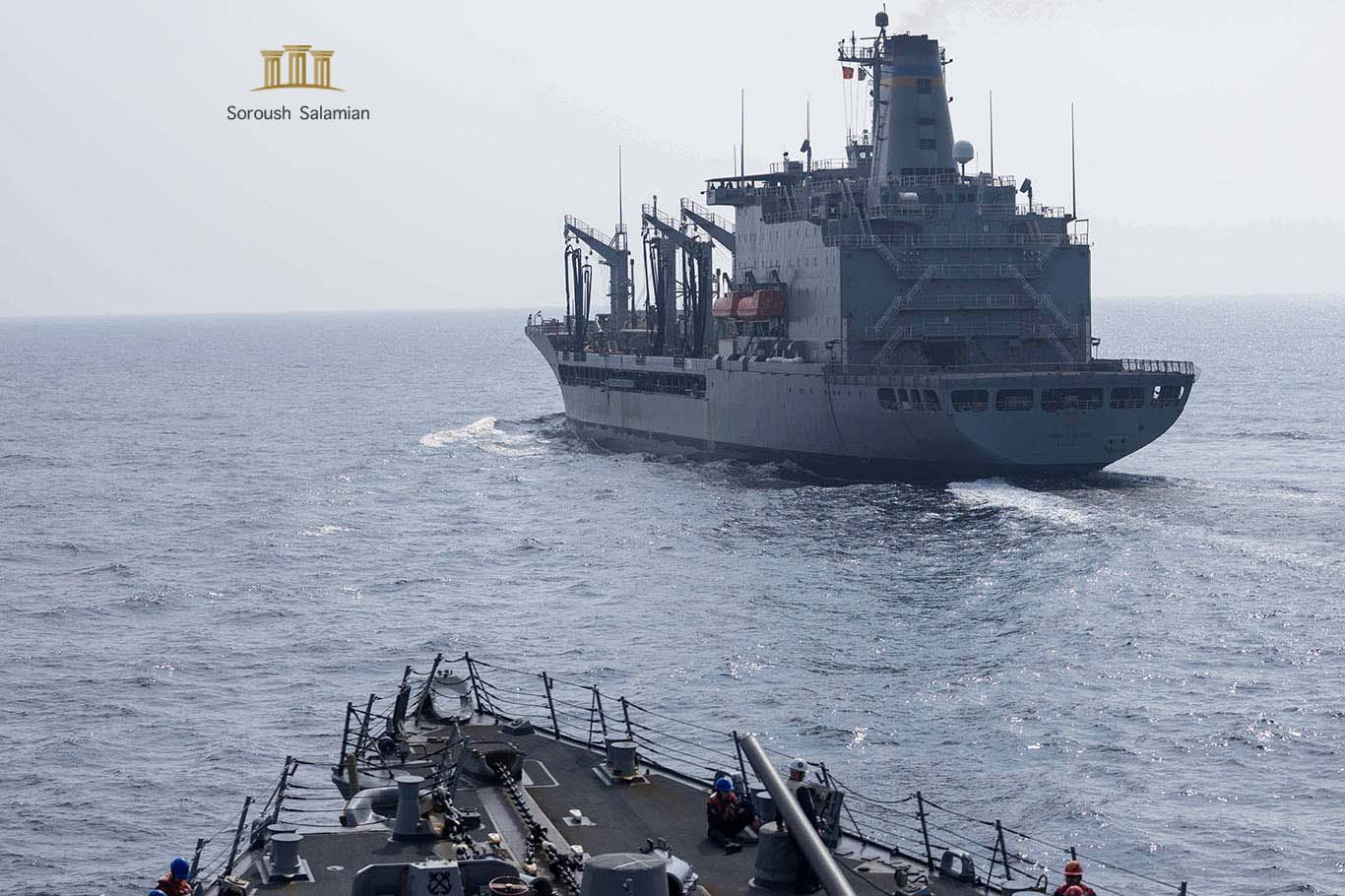
Delays in cargo delivery within the current Strait of Hormuz crisis have become one of the most contested legal issues between shipping companies and cargo interests. When goods fail to arrive within the agreed timeframe, questions of contractual liability and delay damages immediately arise.
The legal analysis begins with identifying the cause of delay-whether it stems from external factors such as military restrictions and route closures, or from operational negligence or mismanagement. This distinction is fundamental to determining liability in maritime disputes.
Many of these conflicts can be effectively managed through precise interpretation of the contract of carriage, bill of lading, and related transport documents.
The Role of Incoterms in Allocating Maritime Risk
In disputes involving halted cargo, rerouted vessels, and increased transport costs, the applicable Incoterms (Incoterms® 2020) play a decisive role in allocating risk and responsibility.
For example, under FOB contracts, risk typically transfers to the buyer once the goods pass the ship’s rail. If a maritime crisis occurs after loading, liability may largely shift to the buyer. Conversely, under DAP or DDP terms, the seller retains broader responsibility until delivery at destination.
Under CIF and CFR terms, although the seller arranges maritime transport, risk may transfer earlier in the transaction. FAS terms may also become particularly relevant when a vessel cannot enter the port at all.
A proper legal assessment, therefore, requires a parallel analysis of both the sales contract and the contract of carriage.
Force Majeure in Maritime Transport Contracts
Force majeure has become central in maritime transport contracts under present conditions. It applies where contractual performance becomes objectively impossible due to events beyond the parties’ control.
Closure of sea routes, military restrictions, and navigation suspensions may qualify as force majeure events. However, successful reliance on force majeure depends on the precise wording of the contract and the specific circumstances of the event.
Correct interpretation of force majeure clauses can prevent the imposition of substantial financial liabilities.
Legal Analysis of Maritime Blockade as Force Majeure
Under Iranian Civil Code Articles 227 and 229, a party invoking force majeure must demonstrate that the event was beyond its control, unforeseeable, and unavoidable. The Iranian Maritime Code of 1964 also recognizes certain exceptions, including perils of the sea and consequences of war operations, in defining the carrier’s liability.
In international shipping contracts, force majeure is often addressed through War Risk Clauses. Standard BIMCO charterparty forms, such as CONWARTIME 2004 and VOYWAR 1993, govern navigation in war zones, deviation rights, refusal to enter high-risk areas, and related contractual consequences.
Additionally, the York-Antwerp Rules on General Average and the New Jason Clause may influence the allocation of losses arising from deviation or emergency maritime operations.
The drafting and interpretation of these provisions directly affect liability exposure, recoverable damages, and available defenses.
The Legal Distinction Between Demurrage, Detention, and Laytime
In maritime disputes, Demurrage, Detention, and Laytime are often mistakenly used interchangeably, although their legal implications differ significantly.
In voyage charter contracts, demurrage is typically a pre-agreed daily amount payable once the allowed laytime for loading or discharge has expired. Under international arbitral practice, including LMAA precedents, demurrage is generally treated as liquidated damages, and invoking force majeure to eliminate it entirely may not be straightforward.
Detention, by contrast, generally relates to container retention beyond the permitted free time after release. Despatch may apply where operations are completed faster than anticipated, resulting in a time-saving payment.
Many charterparties rely on BIMCO Laytime Definitions 2013, including detailed rules on Notice of Readiness (NOR) and interruption of operations, all of which may directly impact final liability assessments.
The Position of Iranian Maritime Law in Shipping Disputes
The Iranian Maritime Code of 1964 remains a primary legal framework in many maritime transport disputes. It defines the responsibilities of the carrier and vessel master, as well as grounds for exemption from liability in cases involving delays, vessel detention, and cargo damage.
Articles 52 to 71 of the Code outline the scope of carrier liability and applicable exceptions, including perils of the sea, war operations, and circumstances beyond the carrier’s control.
In practice, disputes often require simultaneous analysis of domestic law, international transport conventions, bill of lading terms, and contractual clauses.
Risk Management for Shipping Companies in Wartime Conditions
Shipping companies operating in conflict-affected areas face heightened operational and legal risks, including vessel detention, delivery delays, increased operational costs, and complex litigation.
Effective risk management requires more than operational adjustments. It demands careful contractual review, force majeure analysis, and thorough documentation of events.
Companies that engage specialized maritime counsel are typically better positioned to minimize exposure and secure workable solutions efficiently.
Disputes arising from maritime blockades and cargo discharge delays are legally manageable. For immediate and direct consultation with Mr. Soroush Salamian, please contact +98 912 186 0361.
Frequently Asked Questions About Maritime Blockade and Its Impact on Shipping Contracts
A maritime blockade directly disrupts the performance of shipping contracts by restricting or preventing vessels from entering or exiting designated routes. This may result in suspended contractual obligations, delayed deliveries, and complex liability issues between contracting parties.
Cargo may remain suspended at sea or within port limits without the possibility of delivery or return. Responsibility for storage costs and delay-related damages depends on the contract of carriage and bill of lading terms.
Demurrage accrues when containers remain beyond the permitted free time at ports or onboard vessels. In crisis conditions, daily charges may increase significantly, although force majeure or emergency clauses may provide grounds for negotiation or reduction.
Liability depends on whether the delay results from external uncontrollable events such as war or blockade, or from operational fault by one of the contractual parties. Contract interpretation is central to this determination.
Force majeure may relieve a party from liability if performance becomes impossible due to unforeseeable and unavoidable events beyond its control. Its applicability depends on the specific contractual wording and governing law.
Disputes typically concern delivery delays, additional costs, deviation expenses, and responsibility for stranded cargo. Proper contractual interpretation and legal strategy are essential to resolving such conflicts.
Dubai Port has become a key rerouting hub during regional disruptions. However, deviations from original contractual routes may generate disputes regarding additional costs and delivery obligations.
Demurrage exposure may be reduced through timely documentation, reliance on force majeure provisions where applicable, and structured legal negotiation with carriers.
Extended storage may lead to demurrage, warehousing charges, and potential cargo damage. Liability depends on the underlying cause of delay and the governing contractual terms.
Effective risk management includes reviewing contracts, analyzing force majeure and war risk clauses, documenting events comprehensively, and obtaining specialized maritime legal advice to prevent costly disputes. How does a maritime blockade affect shipping contracts?
What happens to cargo stranded at sea during a blockade?
How is container demurrage calculated during a maritime crisis?
What determines liability for delayed cargo delivery?
How does force majeure apply in maritime contracts?
How do disputes arise between shipping companies and cargo owners during a blockade?
What is the role of Dubai Port during regional transport disruptions?
How can demurrage costs be reduced during a crisis?
What are the legal consequences of prolonged container storage?
How should shipping companies manage legal risk during wartime?



What if the vessel can technically sail around the blockade but the alternative route adds two weeks and huge extra costs?
That becomes a question of commercial reasonableness and contractual allocation of risk. A carrier may have deviation rights under certain clauses, but whether the additional time and expense can be passed on depends on the bill of lading, charterparty, war-risk provisions, and the circumstances of the rerouting.
Can the buyer cancel the purchase if the cargo is stuck at sea for a month because of a blockade?
Possibly, but a blockade does not automatically give the buyer a right to cancel. The sales contract, agreed delivery date, applicable Incoterms, force majeure provisions, and seriousness of the delay would all need to be reviewed before determining whether termination is available.
If the shipping line decides to discharge the cargo at a different country, who pays for getting it to the original destination?
That depends on whether the carrier had a contractual right to deviate or discharge at an alternative port and why the change became necessary. The resulting inland transport, storage, and handling costs may be allocated differently depending on the contract and the legal basis for the deviation.
What if the blockade starts after the ship is loaded but before it actually leaves the port?
The timing can significantly affect the analysis. The parties would need to determine whether performance has become impossible, merely delayed, or still possible through another route. Risk allocation under the sale contract and carriage contract would also need to be considered separately.
Can a carrier charge war-risk costs that were never mentioned when the booking was confirmed?
Potentially, but not automatically. The carrier would need a contractual basis for imposing the additional charge, such as incorporated tariffs, war-risk clauses, or other agreed terms. The timing of the surcharge and whether the customer was properly notified may also be important.
If the cargo expires while waiting offshore, can the carrier still rely on force majeure?
Possibly, but force majeure does not necessarily resolve every issue. Even where the blockade itself is beyond the carrier’s control, questions may remain about mitigation, cargo care, refrigeration, alternative discharge options, and whether reasonable steps were taken to reduce the loss.
What if the shipowner knew military restrictions were likely before signing the charterparty?
Foreseeability can be very important. If the relevant risk was already known or reasonably anticipated when the contract was made, relying later on force majeure may be more difficult. The exact wording of any war-risk or force majeure clause would be critical.
Can the insurer say the blockade is a war risk and refuse a normal cargo insurance claim?
That is possible depending on the policy wording. Standard marine cargo coverage and war-risk coverage may respond differently to losses connected with blockade, military action, or route closure. The cause of the loss and the applicable exclusions should be reviewed carefully.
If containers stay on the vessel because the port is closed, is that still demurrage or something else?
It depends on the contractual arrangement and the type of charge involved. Demurrage, detention, laytime, and storage are legally distinct concepts, even though they are often used interchangeably in practice. Identifying the correct charge requires reviewing the charterparty, bill of lading, and terminal terms.
If both the seller and carrier claim force majeure, can the buyer end up paying all the extra costs?
That can happen in some contractual structures, but it should not be assumed. The sale contract, Incoterms, contract of carriage, and each party’s force majeure provisions may allocate different risks and expenses. The two contracts need to be analyzed together to determine who ultimately bears the additional costs.