
Everything You Need to Know About Multimodal Transport Laws (Sea, Land, and Air)
Multimodal transport is one of the most important methods of moving goods in both domestic and international trade. In this system, cargo is transported through a single logistics chain that combines two or more modes of transportation, such as maritime, road, rail, or air transport. The expansion of global supply chains, the growing volume of trade, and the need to reduce costs and delivery time have made multimodal transport an essential component of modern commerce.
Despite its significant advantages, multimodal transport involves complex legal considerations. Each mode of transportation operates under its own regulatory framework, documentation requirements, and liability regime. These differences can create legal challenges when determining responsibility for delays, damage, or loss during the transport process.
This article outlines the legal framework governing multimodal transport, the key documentation involved, the allocation of responsibilities among different parties, methods of recovering damages, and the role of contracts in managing potential risks.
Multimodal Transport Laws (Sea, Land, and Air)
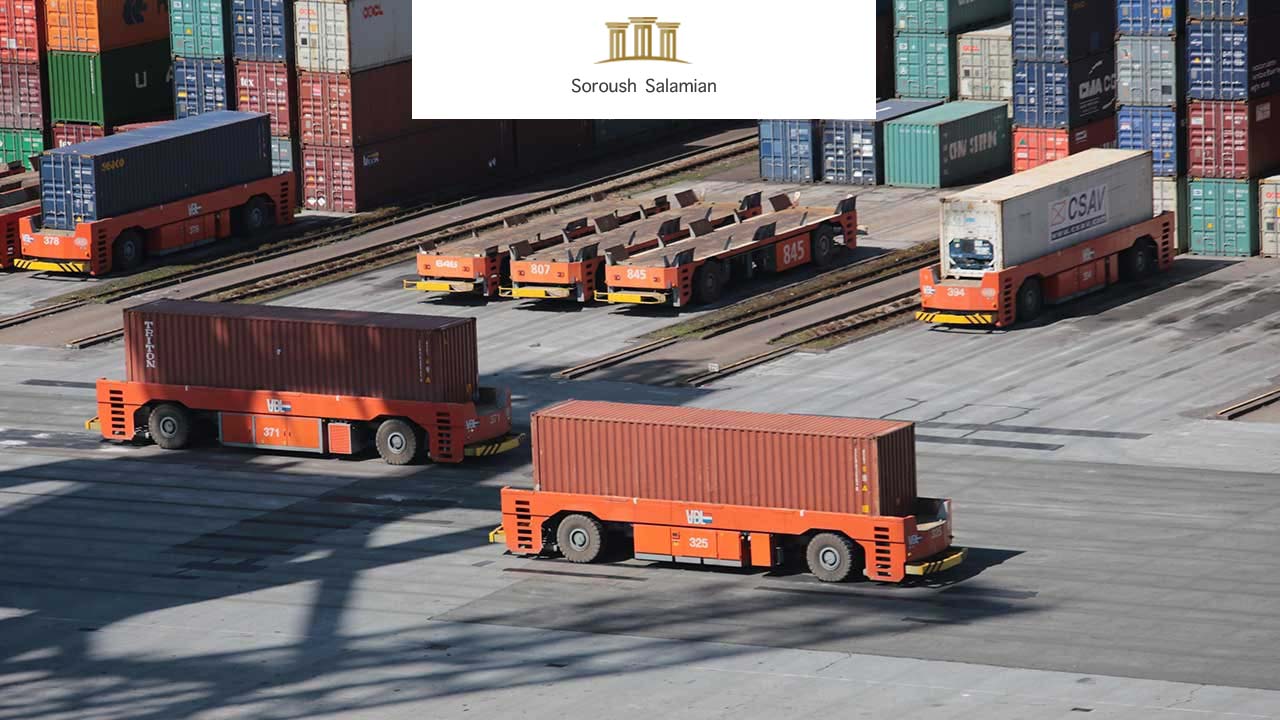
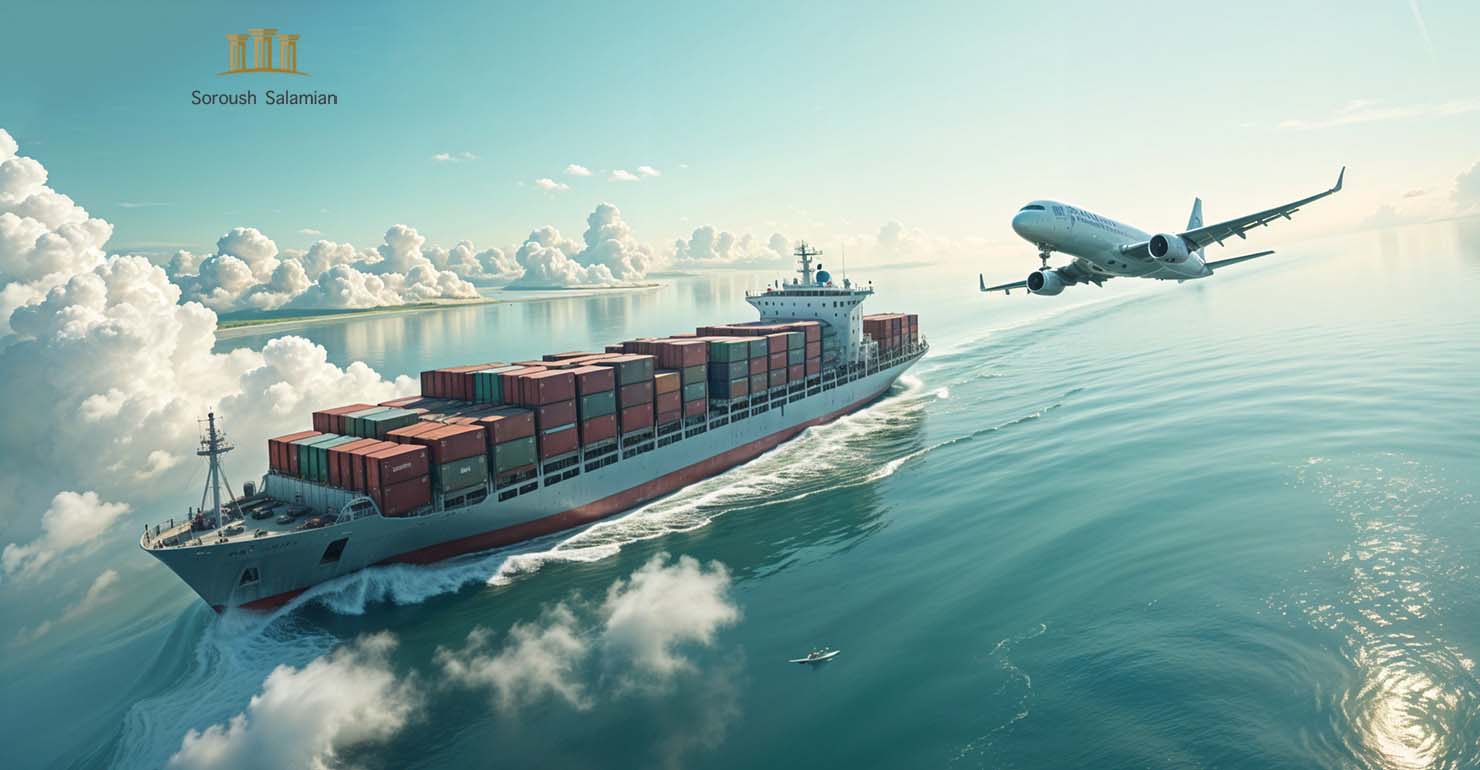
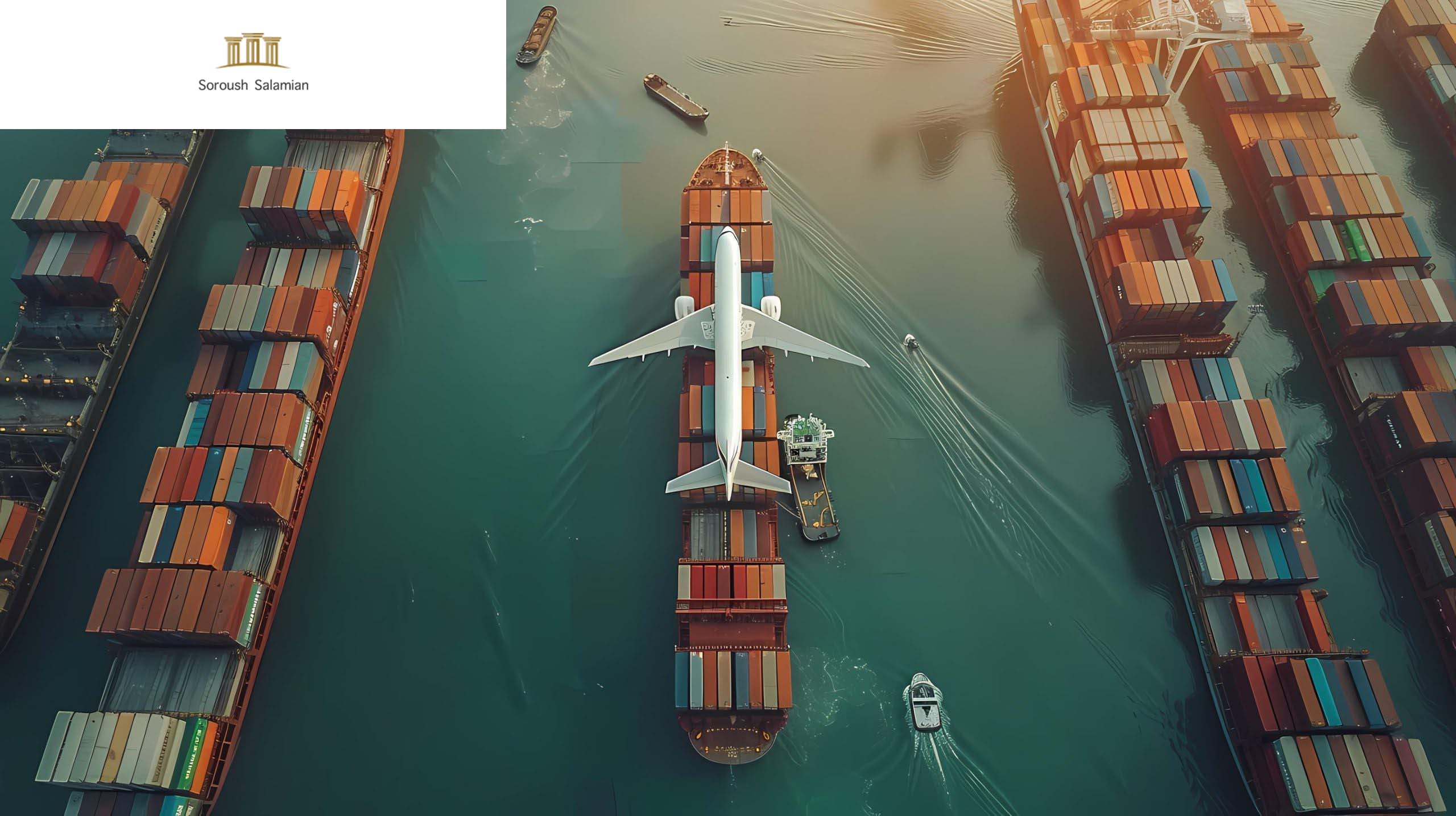
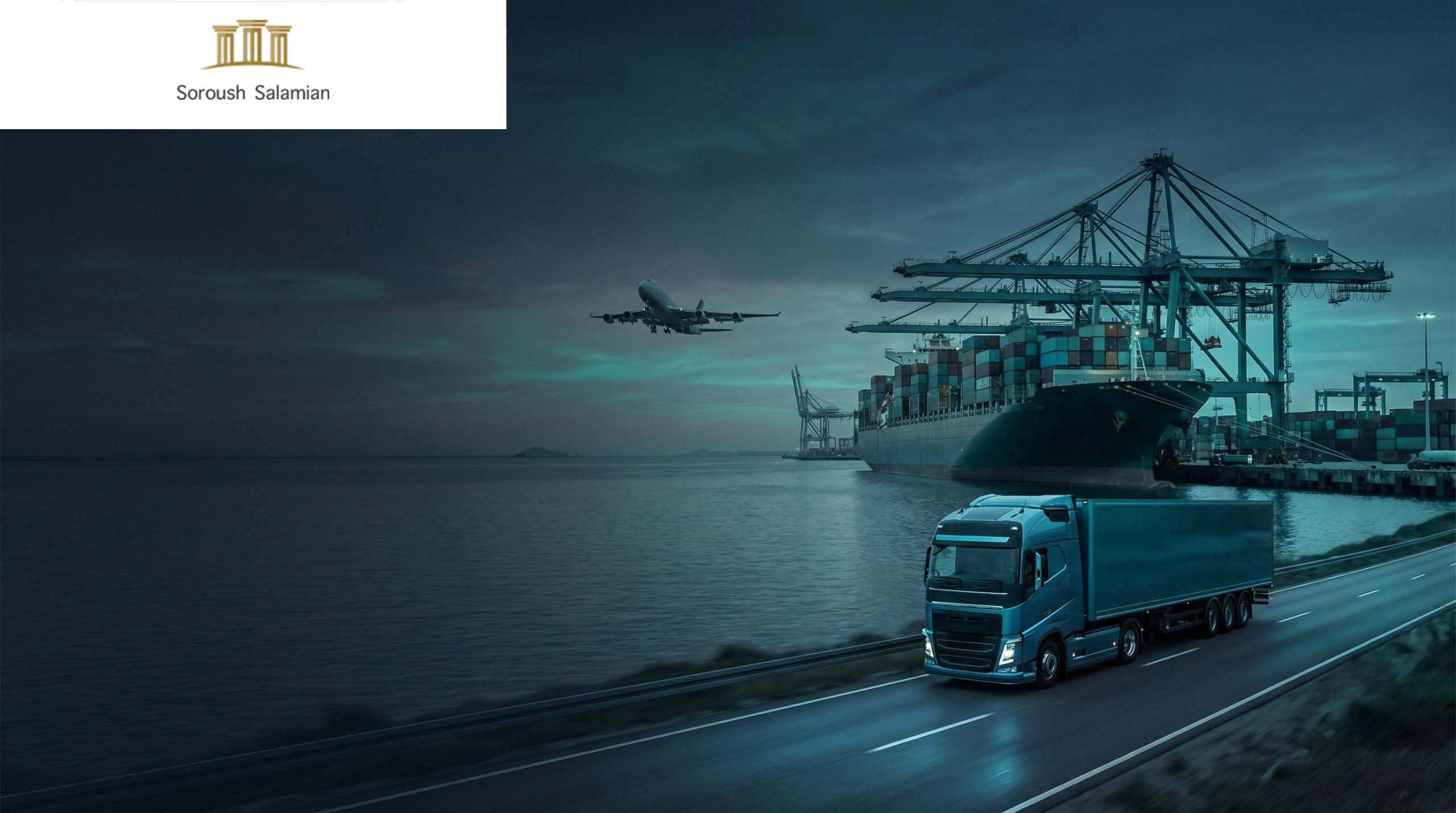
Multimodal transport refers to the movement of goods using more than one mode of transportation-for example, a combination of sea and road transport or road and air transport. This method is widely used because it can reduce costs, improve delivery speed, and expand geographic coverage.
In practice, multimodal transport involves a chain of operational stages and responsibilities, each of which may be governed by different legal rules and involve multiple participants. From a legal standpoint, the main challenge lies in reconciling these rules and determining liability among the parties involved. Documentary deficiencies, delays, or cargo damage may occur at any stage of the transport chain, complicating legal enforcement.
The purpose of laws and contractual arrangements in this area is to clearly define the scope of responsibility, the applicable documentation, and the mechanisms for dispute resolution in order to prevent conflicts of law and unexpected losses.
Key Elements of a Multimodal Transport Contract
A multimodal transport contract must clearly define several essential elements, including:
- Identification of the parties involved.
- The role of each participant (carrier, agent, subcontractor).
- Scope of services.
- Delivery schedules and timelines.
- Pricing and payment arrangements.
- Delivery location and consignee.
- Governing law and dispute resolution forum.
The contract should also specify whether a single multimodal bill of lading will be issued or whether separate documents will be used for each stage of the transport process. This distinction determines which party holds direct responsibility for the cargo.
From a legal perspective, clearly defining the beginning and end of the carrier’s liability is crucial, as it underpins the calculation of damages and the determination of liability limits. Contracts should also include clauses addressing force majeure, notification procedures, insurance requirements, and recourse against subcontractors.
Key Documents: Multimodal Bill of Lading and Supporting Documents
Documentation forms the legal backbone of multimodal transport operations. The most important document is the multimodal bill of lading, which may serve as both the transport contract and, in many cases, a document of title to the goods.
In some arrangements, instead of issuing a single bill of lading, separate transport documents may be issued for each stage of the journey. In such cases, coordination and consistency between these documents must be ensured.
Other key documents include:
- Packing lists.
- Commercial invoices.
- Certificates of origin.
- Customs documentation.
- Declarations for hazardous cargo.
In legal disputes, arbitration proceedings, or insurance claims, the authenticity and consistency of these documents with the actual conditions of the shipment are decisive. Proper issuance, storage, and transfer of documents should therefore be carefully managed, with secure electronic copies maintained as backup records.
Allocation of Liability Among Carriers, Forwarders, and Shippers
In multimodal transport, several parties may bear responsibility, including the principal carrier, stage carriers, freight forwarders, and the shipper.
The allocation of liability depends largely on the structure of the contract and the type of transport document issued. If a single multimodal bill of lading is issued in the name of a multimodal transport operator (MTO), that operator is typically responsible for the entire transport chain while retaining the right to seek recourse against subcontractors.
If separate transport documents are used, liability generally rests with the carrier responsible for the specific stage during which the damage occurred.
Freight forwarders typically coordinate the shipment, select carriers, and manage logistics. Their liability is usually contractual and based on negligence rather than strict liability. Clear contractual provisions defining liability and recourse mechanisms are essential to ensure effective recovery of damages.
Choice of Governing Law and Dispute Resolution
Multimodal transport operations often involve cross-border transactions. For this reason, the governing law and dispute resolution forum must be clearly defined in the contract.
Parties may select the law of a specific jurisdiction or agree to apply conflict-of-law principles. Disputes may be resolved through national courts or arbitration.
Arbitration is commonly preferred in international commercial disputes because it offers confidentiality, faster proceedings, and the ability to appoint arbitrators with specialized expertise. Without a clear dispute resolution clause, jurisdiction may fall to courts located where the damage occurred or where the defendant resides, which can increase both complexity and cost.
Regulatory Framework Governing Different Transport Modes
Each stage of multimodal transport is subject to its own technical and legal framework.
- Maritime transport operates under maritime safety regulations, port regulations, and maritime liability rules.
- Road and rail transport are governed by national transport laws and traffic regulations.
- Air transport is governed by specialized international aviation conventions and carrier liability limits.
A multimodal contract should clearly establish which rules take precedence in the event of conflicting legal frameworks and how operational coordination between carriers will be handled.
Differences in liability limits, claim notification deadlines, and enforcement procedures across these modes make legal awareness essential. Failure to account for these differences may lead to unintended legal consequences.
Liability for Cargo Damage, Loss, or Delay
In disputes involving cargo damage, loss, or delay, three core elements are examined:
- The existence of damage.
- The cause of the damage.
- The causal link between the event and the responsible party.
In multimodal transport, determining the stage at which the damage occurred is crucial for identifying the responsible party.
Evidence may include transport documents, bills of lading, inspection reports, photographs, tracking logs, and employee testimony. Notification deadlines also vary depending on the type of transport document involved. Failure to meet these deadlines may result in the rejection of claims.
Multimodal Cargo Insurance and Subrogation Rights
Insurance plays a critical role in compensating losses in multimodal transport. The insured party must determine whether the policy covers the entire transport chain or only specific segments.
Comprehensive coverage for the entire transport route provides broader protection but typically involves higher premiums. Insurance policies should clearly specify notification procedures, deadlines, and required documentation.
Once compensation is paid, the insurer may exercise subrogation rights against responsible carriers or freight forwarders to recover the amount paid.
Claim Notification and Applicable Time Limits
Each transport mode has its own deadlines and procedures for submitting damage claims. In maritime transport, visible damage typically must be reported immediately upon delivery, while hidden damage may have a different reporting period. Air and road transport also impose distinct deadlines and claim formats.
Prompt written notification to the carrier and formal reservation on delivery documents are essential to preserve the right to claim damages. Supporting evidence must then be gathered and submitted within the applicable contractual or statutory deadlines.
Failure to comply with these time limits often results in the loss of the right to pursue legal action.
Dispute Resolution Mechanisms in Multimodal Transport
To reduce costs and delays, many multimodal transport contracts include arbitration or mediation clauses. Arbitration allows specialized arbitrators with legal and technical expertise to review the case and issue enforceable awards.
In the absence of an arbitration clause, jurisdiction may fall to national courts based on the defendant’s residence or the location of the loss. Contracts should therefore also consider the enforceability of decisions across different jurisdictions.
Some contracts also include administrative or technical dispute-resolution mechanisms designed to resolve operational disagreements quickly before they escalate into formal legal disputes.
Practical Contractual Clauses in Multimodal Transport Agreements
To reduce legal risk in multimodal transport agreements, the following provisions are commonly recommended:
- Clear definition of the scope and duration of each carrier’s liability.
- Identification of valid transport documents and document transfer procedures.
- Mandatory insurance coverage and required policy endorsements.
- Selection of governing law and dispute resolution mechanisms.
- Defined procedures and deadlines for damage notification.
- Recourse provisions between contracting parties and subcontractors.
- Security and cargo segregation requirements.
Including operational obligations for documentation management and stakeholder reporting can also improve transparency throughout the transport process.
Operational Checklist for Multimodal Transport Compliance
Multimodal transport presents significant economic opportunities, but without a strong legal framework, it can become a source of disputes and financial loss. The following checklist can help ensure effective implementation:
- Determine the governing law and dispute resolution forum before commencing operations.
- Ensure that an appropriate multimodal bill of lading is issued or clearly agree on stage‑specific documentation.
- Secure comprehensive cargo insurance and understand policy exclusions.
- Maintain accurate documentation and technical records throughout the transport chain.
- Define recourse provisions between subcontractors.
- Establish clear claim notification procedures and documentation templates.
- Train operational teams on the regulatory differences between sea, land, and air transport.
Implementing these measures reduces legal risk and improves the ability to respond effectively to operational incidents.
Frequently Asked Questions About Multimodal Transport Laws (Sea, Land, and Air)
Multimodal transport refers to the movement of goods using two or more modes of transportation, such as sea, road, and air, under a single transport arrangement. It is widely used in international trade to reduce costs and improve delivery efficiency.
A multimodal bill of lading serves as the primary transport document. It functions as the contract of carriage and, in many cases, also acts as a document of title representing ownership of the cargo.
Liability depends on the structure of the contract and the stage at which the damage occurred. Responsibility may lie with the main carrier, a stage carrier, or in some cases a freight forwarder.
A freight forwarder coordinates the transport process, selects carriers, manages documentation, and oversees the logistics chain. The forwarder is usually liable only in cases of negligence.
The governing law determines which legal system will apply in the event of a dispute and which courts or arbitration bodies will have jurisdiction to resolve the case.
Insurance provides financial protection against potential losses such as cargo damage, delay, or loss during transportation across multiple transport stages.
The stage of damage can be determined by reviewing transport documents, bills of lading, inspection reports, tracking data, and other operational records.
Claim notification deadlines vary depending on the mode of transport and applicable regulations. In many cases they are short, and failure to report damage within the required timeframe may eliminate the right to claim compensation.
Arbitration offers faster proceedings, specialized expertise, confidentiality, and greater suitability for resolving international transport disputes.
Legal risks can be minimized by drafting clear contracts, defining responsibilities, obtaining appropriate insurance coverage, maintaining accurate documentation, and establishing effective dispute resolution mechanisms. What is multimodal transport and why is it used?
What is the role of a multimodal bill of lading?
Who is liable for cargo damage in multimodal transport?
What are the responsibilities of a freight forwarder?
Why is choosing the governing law important in transport contracts?
Why is insurance important in multimodal transport?
How can the stage of cargo damage be identified?
What are the deadlines for reporting cargo damage?
What are the advantages of arbitration in multimodal transport disputes?
How can legal risks in multimodal transport be minimized?


What if nobody can prove whether the cargo was damaged on the truck, at the airport, or on the vessel?
That can make the liability analysis much more difficult. Tracking records, inspection reports, handover documents, photographs, and custody records may help narrow down when the damage occurred. If the stage cannot be identified, the wording of the multimodal contract becomes especially important.
Can one company be responsible for the whole trip even if three different carriers actually move the cargo?
Yes, that is possible where a multimodal transport operator has undertaken responsibility for the entire journey under a single transport document. That operator may later have recourse against the carrier responsible for a particular stage.
What if the sea carrier and road carrier have completely different liability limits for the same shipment?
That is one of the main complications in multimodal transport. Different stages may be subject to different liability regimes and limits, so identifying where the loss occurred can directly affect the amount recoverable.
If the first carrier hands the goods over without noting visible damage, does that help the next carrier?
It can be relevant evidence. Clean handover records may support an argument that the cargo appeared to be in acceptable condition at that point, although they are not always conclusive. Later inspections and other evidence would still need to be considered.
Can different claim deadlines apply to the same damage if the shipment used air and sea transport?
Potentially, yes. Different transport modes can have different notice requirements and limitation periods. This is why multimodal claims should be reviewed quickly, rather than assuming that one deadline applies to the entire journey.
What if my insurance covers the sea part but the damage actually happened during the road section?
Coverage would depend on the policy wording and whether the road stage was included within the insured transit. A policy that covers only selected segments may leave gaps, so the route and coverage period should be compared carefully with the evidence showing when the damage occurred.
If separate bills of lading are issued for each stage, can I still claim against the main logistics company?
Possibly, but it depends on what obligations the logistics company actually assumed. Separate transport documents often point toward stage-specific liability, while the main logistics provider may still have contractual duties relating to coordination, carrier selection, or documentation.
What if the air carrier delays the cargo and that causes us to miss the booked vessel?
That can create a chain of consequential losses across different transport stages. The key issues would include causation, foreseeability, contractual limits on delay claims, and whether reasonable alternatives were available after the missed connection.
Can an arbitration clause in the main transport contract also bind the subcontracted carriers?
Not automatically. Whether a subcontractor is bound by the same arbitration clause depends on the contractual chain, incorporation provisions, governing law, and the subcontractor’s relationship to the main agreement. The documents should be reviewed together before assuming one forum applies to everyone.
If the cargo owner sends notice to the main carrier on time but not to the carrier that actually caused the damage, is the claim still protected?
Not necessarily. Notice requirements may apply differently to the main multimodal operator and to individual stage carriers. Sending notice to one party does not always preserve rights against every other participant, so the applicable documents and deadlines should be checked promptly.