
The Concept of Issues and Responsibilities in Maritime Security
Maritime security is one of the fundamental pillars of international trade. It refers to the range of measures taken to protect vessels, cargo, crew members, and maritime transport routes. More than 80% of global trade is carried by sea, underscoring how disruptions in maritime security can significantly affect the global supply chain.
Maritime security is not limited to preventing piracy. It also encompasses the management of political, military, environmental, and even economic threats that may impact maritime transportation.
In recent years, rising geopolitical tensions, attacks on vessels in strategic waterways, and evolving international regulations have increased the importance of this field. Shipping companies, insurers, and governments all play a role in maintaining a stable maritime security framework. Neglecting maritime security can result in severe financial losses, delays in cargo delivery, and even the total loss of shipments.
Major Threats to Maritime Security
Threats to maritime security are diverse and extend far beyond piracy. One of the most prominent risks is piracy in international waters and along sensitive commercial routes. These incidents often occur in regions where international monitoring and enforcement are weaker.
Maritime terrorism is another serious threat that can endanger both ships and ports.
Additional risks include smuggling of goods, human trafficking, environmental violations, and even cyberattacks targeting ship navigation systems. In the modern maritime industry, many vessels rely heavily on digital and satellite-based systems, which makes them increasingly vulnerable to cyber threats.
Understanding these risks is essential for shipping companies and governments to design effective preventive policies and minimize potential losses.
The Role of Governments in Ensuring Maritime Security
Governments play a central role in maritime security because they are responsible for controlling ports, territorial waters, and enforcing international regulations. Each country has a duty to protect its maritime borders and ensure the safety of vessels operating within its jurisdiction.
Naval forces, coast guards, and maritime regulatory authorities are among the primary tools governments use to maintain maritime security. Through patrol operations, satellite monitoring, and international cooperation, these institutions help secure major shipping routes.
Governments are also responsible for developing maritime transport regulations and safety standards. International cooperation through organizations and agreements-such as those coordinated by the International Maritime Organization (IMO)-has strengthened global maritime security. However, political tensions sometimes hinder the full implementation of these cooperative efforts.
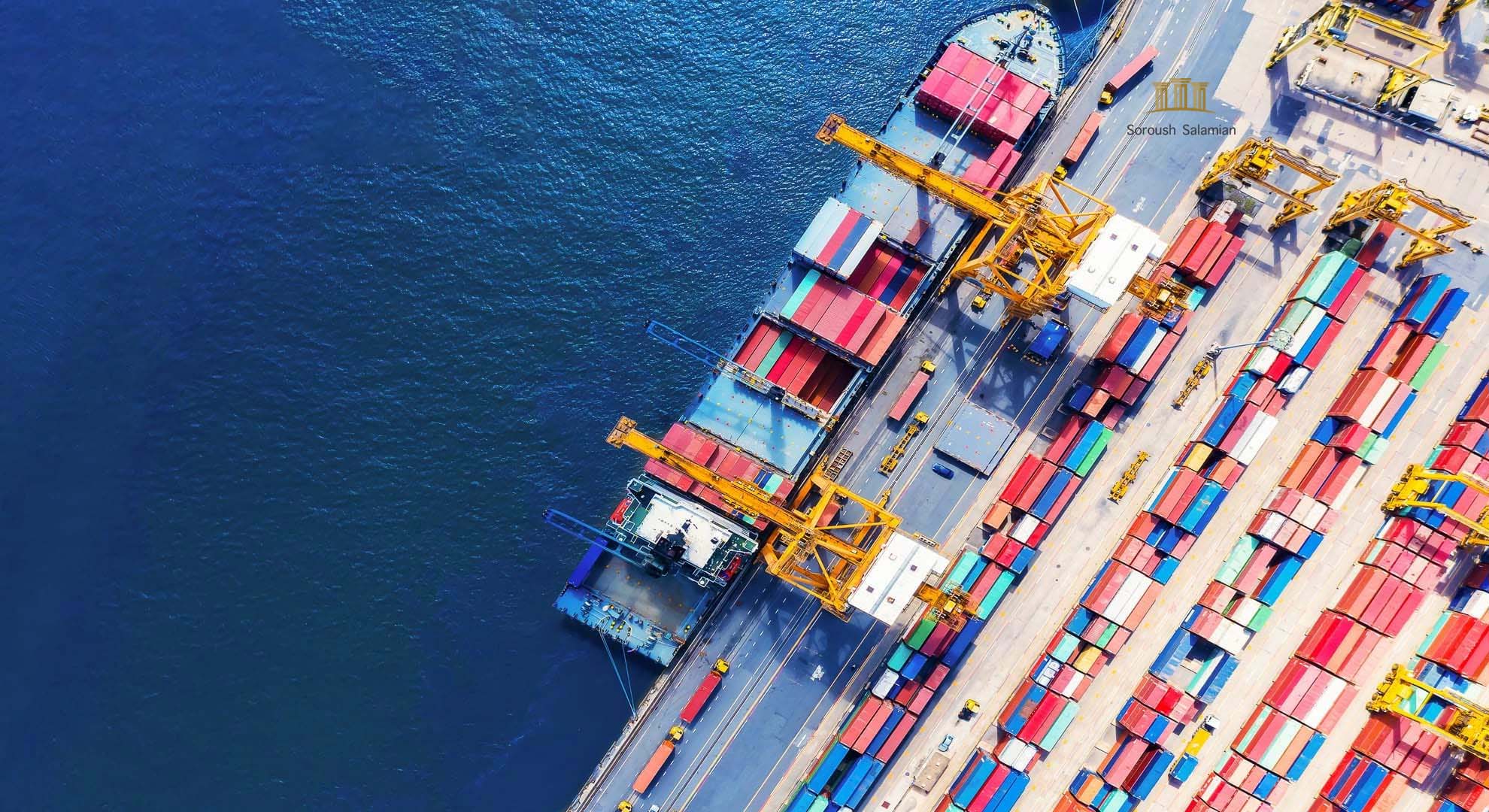
The Responsibility of Shipping Companies for Vessel Security
Shipping companies bear direct responsibility for the safety of their vessels, crews, and cargo. This responsibility includes providing appropriate safety equipment, training crew members, and complying with international maritime standards. Any negligence in these areas can result in substantial legal and financial consequences.
One of the key responsibilities of shipping companies is selecting safe routes and implementing effective risk management strategies in maritime transport. The use of modern technologies such as GPS tracking systems and anti-piracy equipment has also become an operational necessity.
If an incident occurs, the shipping company may be held liable to cargo owners and insurers unless it can demonstrate that all necessary precautions were taken.
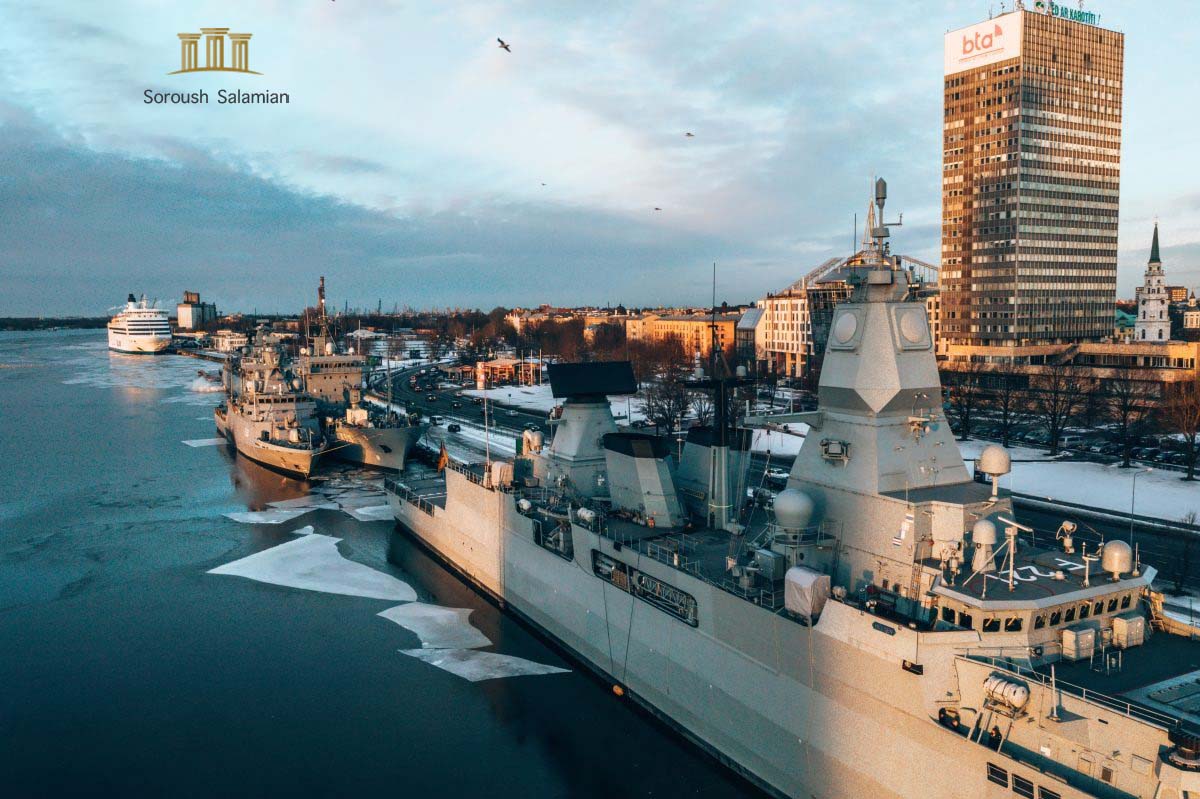
The Role of Insurance in Maritime Security
Marine cargo insurance is one of the most important risk‑management tools in maritime transport. This type of insurance covers losses resulting from maritime accidents, theft, fire, and even severe weather conditions.
Insurance companies determine policy terms and premiums based on risk assessments. In many cases, maritime trade would be practically impossible without adequate insurance coverage.
Disputes between insurers and insured parties typically arise over the scope of coverage or the interpretation of policy terms. In such situations, a careful legal review of the insurance contract is critical.
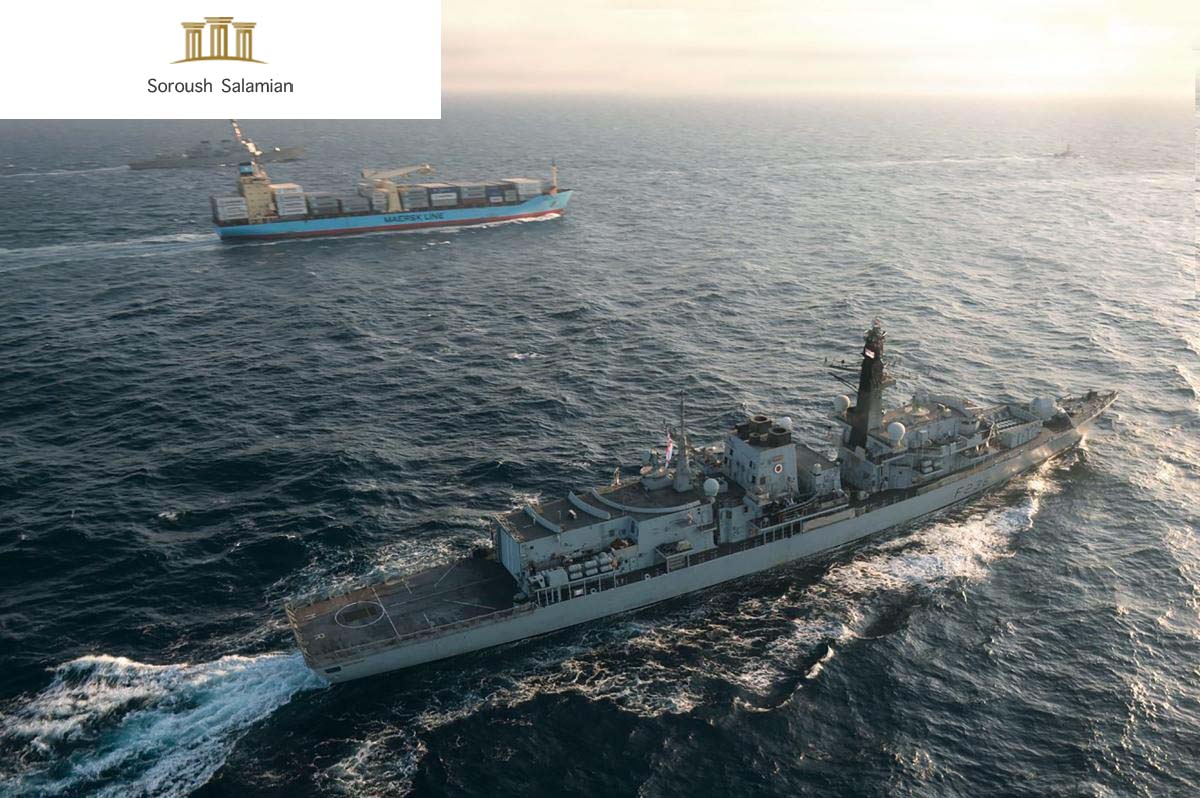
The Legal Role of Ship Captains in Maritime Security and Operational Responsibilities
The ship’s captain holds one of the most significant-and demanding-positions within the legal structure of maritime transport. In many legal systems, the captain is recognized as the legal representative of the vessel’s owner during the voyage. As a result, the captain’s decisions in emergency situations may have direct legal and financial consequences for the shipping company and even for cargo owners.
In the context of maritime security, the captain’s legal role is particularly important during emergencies, including route deviations, rescue operations, and the management of maritime incidents. Decisions such as emergency cargo discharge, diversion to an alternative port, or the declaration of an emergency may later be evaluated under transport contracts and international maritime law.
From a liability perspective, the captain must comply with safety standards, maritime regulations, and the shipping company’s operational instructions. Any negligence may lead to civil liability or, in some cases, criminal responsibility.
In certain legal disputes, the central issue is whether the captain’s actions fell within the scope of professional discretion. The captain’s role in maritime security, therefore, represents a combination of technical and legal responsibility, and understanding this position is essential when analyzing maritime incident claims.
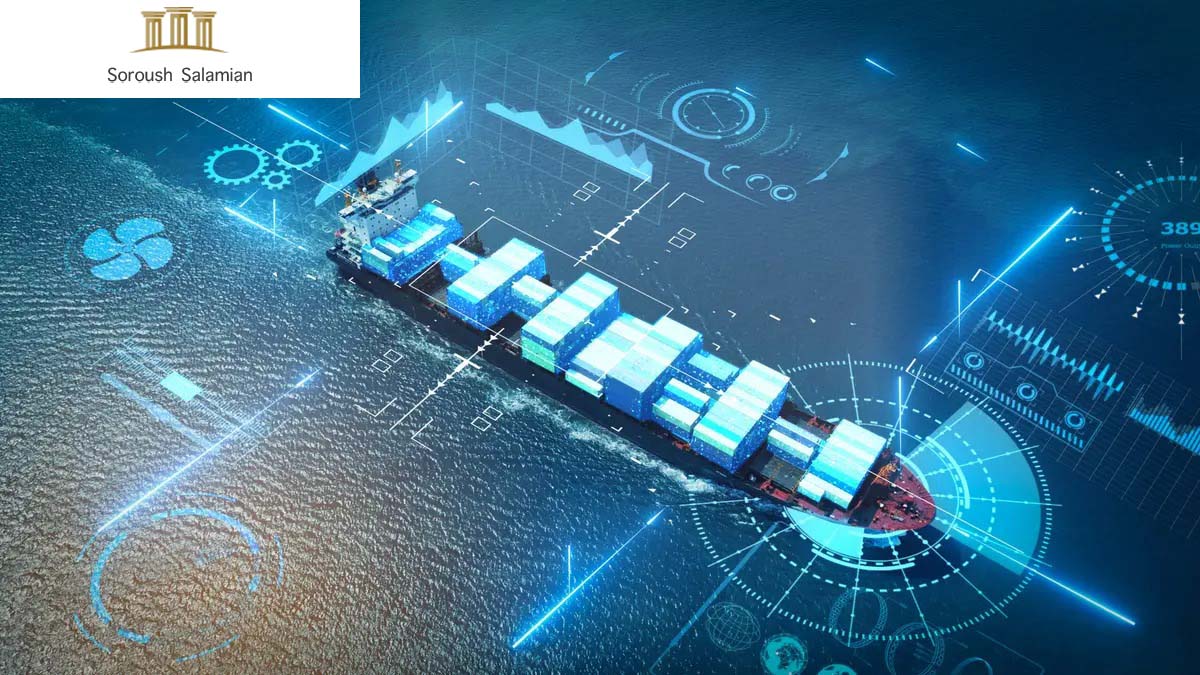
The Importance of International Standards in Maritime Security and Their Connection to Global Regulations
International standards form the backbone of order and safety in the shipping industry. A wide range of regulations and conventions-developed primarily by organizations such as the International Maritime Organization (IMO)-establish global rules to improve fleet safety, protect the marine environment, and ensure proper crew training.
These standards define technical vessel requirements, training protocols for seafarers, and safety obligations for international shipping routes.
Effective implementation of these rules helps reduce maritime accidents, prevent large-scale environmental pollution, and enhance coordination among countries. However, differences in economic capacity or political constraints sometimes lead to incomplete enforcement of these standards.
In many legal cases, failure to comply with international standards is identified as a primary cause of damage, potentially leading to significant legal liability for shipping companies. For this reason, familiarity with these regulations is essential for all stakeholders in the maritime sector and plays a crucial role in preventing legal disputes.
Cyber Threats and Their Legal Implications in Maritime Security
As maritime transport fleets become increasingly digitalized, maritime security has entered a new phase in which cyber threats play a major role.
Navigation systems, satellite communications, cargo management platforms, and even ship engine control systems rely on digital infrastructure. This dependence makes vessels vulnerable to cyberattacks. Hackers may attempt to manipulate navigation routes, steal sensitive commercial data, or disrupt vessel operations.
In such situations, determining legal responsibility becomes highly complex and requires detailed technical and legal investigation.
The captain’s legal role is also significant in these circumstances because captains remain responsible for critical decision-making during emergencies and must balance operational instructions with security considerations. Any error at this level may have serious legal consequences.
Additionally, cyber-related incidents often require analysis of the responsibilities of shipping companies, governments, and digital service providers under international maritime law. This area of law is evolving rapidly and will likely require new legal frameworks in the near future.

Legal Liability in Maritime Incidents and the Complexity of Determining Fault
Determining legal liability is one of the most critical aspects of maritime incidents. When events such as vessel collisions, cargo losses, or damage to port infrastructure occur, identifying the responsible party can be highly complex.
In such cases, careful examination of contracts, technical reports, and shipping documents is essential. Liability may be shared among multiple parties, including the shipping company, crew members, vessel owner, port authorities, or regulatory bodies. International maritime law may also provide the framework for determining responsibility.
In this context, maritime arbitration often plays an important role alongside judicial litigation. Many companies prefer arbitration because it is typically faster and handled by specialized experts, whereas court proceedings can be lengthy and more complex.
Accurately analyzing the incident and identifying the chain of responsibility is essential for securing compensation and preventing similar incidents in the future.
The Role of Lawyers in Maritime Security and Specialized Dispute Resolution
In the complex field of maritime transport, the presence of a specialized maritime lawyer is essential for effectively managing legal disputes. A lawyer working in this field must be thoroughly familiar with international contracts, port regulations, and the structure of global trade.
In many cases, even minor misinterpretations of legal documents can lead to significant financial losses.
Protection and Indemnity (P&I) Clubs also play a major role in maritime claims. These specialized insurance organizations cover a wide range of liabilities arising from maritime incidents and play a central role in compensation processes.
A maritime lawyer must be able to interact effectively with these institutions to ensure that the client’s rights are properly protected. Additionally, a clear understanding of maritime transport within Iran is important for lawyers working in this field, since domestic regulations must often be analyzed alongside international maritime rules.
The involvement of a specialized lawyer helps ensure that disputes are handled more efficiently, accurately, and cost‑effectively, reducing the risk of further losses.
The Future of Maritime Security in Global Trade and the Role of Legal Frameworks
The future of maritime security will be heavily influenced by technological advancements and the continued growth of global trade. Technologies such as artificial intelligence, advanced monitoring systems, and autonomous vessels are expected to transform the traditional structure of maritime transport.
At the same time, legal frameworks must evolve alongside these technological changes. International maritime transport regulations will likely require substantial revisions to address emerging challenges.
Despite technological advancements, the human element will remain an essential part of the maritime industry.
Legal disputes are also likely to become more complex, with issues such as cyber liability, new forms of insurance, and specialized arbitration gaining greater importance. In this environment, maritime arbitration versus court litigation will increasingly become a strategic consideration in contract drafting.
Ultimately, the future of maritime security will depend on the effective integration of advanced technology and specialized legal frameworks. Without proper coordination between these two elements, managing global maritime trade will become significantly more difficult.
Frequently Asked Questions About Responsibilities in Maritime Security
In many legal systems, the ship’s captain is recognized as the legal representative of the vessel’s owner during a voyage. This position means that the captain’s decisions in emergency situations may have direct legal and financial consequences. In the context of maritime security, captains play a crucial role in managing incidents, making emergency route changes, protecting cargo, and ensuring crew safety. All decisions must comply with the vessel’s internal regulations, the shipping company’s operational instructions, and international maritime transport laws. When an incident occurs, legal authorities typically examine whether the captain acted within the scope of professional discretion, as this determination may affect both the captain’s liability and the responsibility of the shipping company.
International maritime transport standards-primarily developed by organizations such as the International Maritime Organization (IMO)-play a key role in creating consistency and order within maritime security systems. These standards address ship safety, crew training, environmental protection, and technical requirements for maritime fleets. Proper implementation of these regulations helps reduce maritime accidents and strengthens cooperation among countries. In many legal disputes, failure to comply with international standards is considered a primary cause of damage and may result in significant liability for shipping companies. Compliance with these regulations is therefore regarded as an important legal obligation at the international level.
As the maritime transport industry becomes increasingly digitalized, cyber threats have emerged as one of the most serious challenges to maritime security. Navigation systems, satellite communications, and cargo management platforms all rely on digital infrastructure, making them vulnerable to cyberattacks. Such attacks can alter a vessel’s route, steal sensitive commercial data, or disrupt navigation systems. In these situations, determining legal responsibility becomes complex and requires careful examination of technical evidence and legal frameworks. Many of these cases are analyzed within the scope of international maritime transport law, and the captain’s legal role in crisis management may also be a crucial factor.
Maritime arbitration and court litigation are two primary methods for resolving disputes in maritime transport and security matters. In maritime arbitration, disputes are reviewed by specialized arbitrators with expertise in maritime law. The process is generally faster, more technical, and often confidential. In contrast, court litigation takes place within formal judicial systems and may be more time-consuming and procedurally complex. Many international maritime contracts prefer arbitration because it allows disputes to be handled by experts in the field. The choice between arbitration and litigation is typically determined within the contractual agreement and can significantly influence the speed and outcome of dispute resolution.
Protection and Indemnity (P&I) Clubs are specialized insurance associations within the maritime industry that provide coverage for a wide range of liabilities arising from maritime incidents. These organizations often cover claims related to marine pollution, cargo damage, personal injury, and other legal liabilities. In maritime disputes, cooperation between legal counsel and P&I Clubs is particularly important because many claims fall directly within their coverage framework. A clear understanding of the structure and functioning of these clubs is essential for successfully managing maritime claims, as they play a key role in determining compensation and facilitating the claims process.
Maritime transport in Iran holds significant strategic importance due to the country’s geographic position and access to open waters. Major ports such as Bandar Abbas, Imam Khomeini Port, and Chabahar play key roles in Iran’s international trade. However, the sector also faces several challenges, including international restrictions, sanctions, the need for fleet modernization, and complex legal frameworks. Under these circumstances, compliance with international maritime transport regulations and the use of specialized legal structures become even more important. The involvement of legal experts in managing contracts and disputes can significantly contribute to improving the efficiency and stability of the maritime sector. What is the legal role of ship captains in maritime security?
What role do international maritime transport standards play in security?
How do cyber threats affect maritime security?
What is the difference between maritime arbitration and court litigation?
What role do P&I Clubs play in maritime claims?
What is the current state of maritime transport in Iran?




If a shipping company chooses a route with a known piracy risk just to save time, can that affect its liability later?
Potentially, yes. Route selection is part of a shipping company’s broader risk-management responsibility. If a known security threat was ignored without adequate precautions, that decision could become relevant when liability is assessed after an incident. The route, available alternatives, security procedures, and contractual terms would all need to be reviewed.
What if hackers change the vessel’s navigation data and the crew doesn’t notice until hours later?
That can raise both technical and legal questions. Responsibility may depend on the vessel’s cybersecurity systems, monitoring procedures, crew response, and whether reasonable preventive measures were in place. Cyber-related maritime liability is especially fact-specific because several parties may be involved.
Can a port authority be responsible if poor security at the port allows unauthorized people onto a vessel?
Possibly. Port authorities and operators can have security obligations within areas under their control. Whether liability arises would depend on the applicable port regulations, security standards, the nature of the breach, and whether that failure contributed to the resulting loss.
If the captain wants to change course for security reasons but the company tells him not to, whose decision matters legally?
The captain has significant responsibility for operational safety during a voyage, particularly in an emergency. However, the legal consequences of disregarding or following company instructions depend on the circumstances and whether the captain acted within reasonable professional discretion.
What if the ship has all the required security equipment but the crew was never properly trained to use it?
Having the equipment alone may not be enough. Shipping companies also have responsibilities relating to crew training and implementation of safety procedures. If inadequate training contributed to an incident, that could become relevant when determining whether reasonable precautions were actually taken.
Can cargo insurance refuse a claim because the vessel entered a high-risk area?
That depends on the policy wording. Some marine insurance policies contain geographic restrictions, war-risk provisions, notification requirements, or exclusions for particular security threats. The insurer’s position would need to be assessed against the exact policy terms and the circumstances of the voyage.
If a security company hired by the shipowner makes a mistake, can the shipowner still be responsible?
Potentially. Outsourcing security functions does not always remove the shipowner’s own contractual or legal responsibilities. The security company’s role, the shipowner’s supervision, and the terms of the relevant agreements would need to be examined before responsibility could be allocated.
What if cargo gets damaged during an emergency diversion to avoid a security threat?
That situation would require looking at both the reason for the diversion and how the cargo was handled during it. A reasonable emergency decision may be treated differently from negligent handling that occurs afterward. The captain’s decision-making, transport contract, and evidence of the actual damage would all be relevant.
Can failure to follow IMO security standards automatically make the shipping company liable?
Not automatically in every case, but non-compliance can be significant evidence. International maritime standards may help establish the level of conduct expected from a shipping company, while liability usually still requires analysis of causation, applicable law, and the facts of the incident.
If several parties ignored different security warnings, can they all share responsibility for the same incident?
Yes, shared responsibility is possible in maritime security disputes. A shipping company, crew, vessel owner, port authority, or other service provider may each have separate duties, and more than one failure can contribute to the same loss. Contracts, technical reports, and operational records are usually important in determining each party’s role.