
What Is a Letter of Credit (LC), and What Role Does It Play in International Shipping?
A Letter of Credit (LC) is one of the most important financial instruments used in international trade and shipping. Issued by a bank, it assures the seller that payment will be made upon presentation of the agreed documents in compliance with the terms of the credit. In international transactions, buyers and sellers are often located in different countries and may have little or no prior business relationship. As a result, mutual trust can be a major challenge.
A Letter of Credit acts as an intermediary between the buyer and the seller, helping reduce the risk of non-payment or non-delivery. Under this arrangement, the buyer’s bank undertakes to pay the contract amount upon receipt of the required shipping documents in proper order. These documents typically include the bill of lading, commercial invoice, certificate of origin, and insurance certificate. In international shipping, an LC adds structure and confidence to the shipping process. Freight companies, exporters, and importers can all operate in accordance with the terms set out in the credit. For this reason, the LC remains one of the most widely used payment methods in global trade, playing a vital role in facilitating cross-border transactions.
The Importance of a Letter of Credit (LC) in Reducing International Trade Risk
International transactions are inherently exposed to risks such as non-payment, delivery delays, contractual disputes, and legal complications. A Letter of Credit is a trusted financial mechanism that helps mitigate these risks, which is why it is widely used in export and import contracts. One of its key advantages is that the seller receives payment only after presenting documents that meet the bank’s requirements. This gives the buyer greater confidence that the goods have been shipped in accordance with the agreed terms. At the same time, the seller gains assurance that payment is backed by the bank.
In international shipping, an LC also promotes order and transparency in the exchange of documents. Any discrepancies can be identified before payment is made, helping prevent disputes later on. The bank’s role as an independent institution further strengthens trust between the parties. As a result, a Letter of Credit is not merely a payment method-it is also an effective risk management tool in international trade and a key safeguard in global commercial transactions.
How a Letter of Credit Relates to Cargo Shipment and Transport Documents
A Letter of Credit is closely tied to the shipment process because payment is generally made against shipping documents. In other words, the bank does not inspect the goods themselves; it reviews the documents showing that the goods have been shipped in accordance with the agreement. One of the most important documents in this process is the bill of lading. Issued by the carrier, the bill of lading confirms that the goods have been handed over for transport and are on their way to the destination. Other required documents may include the commercial invoice, packing list, certificate of origin, and insurance certificate.
Under an LC, the shipping terms are clearly defined, including the shipment date, mode of transport, destination, and delivery conditions. The exporter must prepare the documents strictly in line with these requirements. Otherwise, the bank may refuse payment. This is why close coordination between the seller, carrier, buyer, and bank is essential. Even minor errors in shipping documents can lead to delayed payment or disputes between the parties.
Types of Letters of Credit Used in International Trade and Shipping
Letters of Credit come in different forms, each designed for specific commercial circumstances. Choosing the right type of LC can significantly affect both the security and flexibility of the transaction.
- Sight LC: One of the most common types, under which payment is made immediately after compliant documents are presented.
- Usance LC: Allows the buyer to pay at a specified future date after the documents are submitted.
- Confirmed LC: Includes an additional guarantee from a second bank, and is commonly used in transactions involving higher-risk countries.
- Transferable LC: Allows the beneficiary to transfer in whole or in part their rights under the credit to another party.
Other forms used in international trade include revolving LCs, back-to-back LCs, and standby letters of credit. The appropriate type of LC should be selected based on the transaction value, risk level, destination country, and the commercial relationship between the parties.
The Role of Banks in Implementing a Letter of Credit (LC) and Securing Payment
Banks play the central role in any Letter of Credit transaction. In fact, an LC has no practical meaning without banks, as they are responsible for issuing the credit, reviewing the documents, and securing payment. The buyer’s bank first issues the LC at the importer’s request. Then, the advising bank or correspondent bank in the seller’s country notifies the exporter of the credit terms. Once the goods have been shipped, the seller submits the required documents to the bank.
The bank examines the documents to determine whether they comply with the terms of the credit. If there are no discrepancies, payment is made, or a future payment undertaking is recorded. Banks deal only with documents in this process and bear no responsibility for the actual quality or condition of the goods. Their involvement increases trust between the buyer and the seller and reduces the risk of non-payment or fraud. This is why a Letter of Credit is regarded as one of the safest payment methods in international trade and shipping.
Key Shipping Documents Required Under a Letter of Credit (LC)
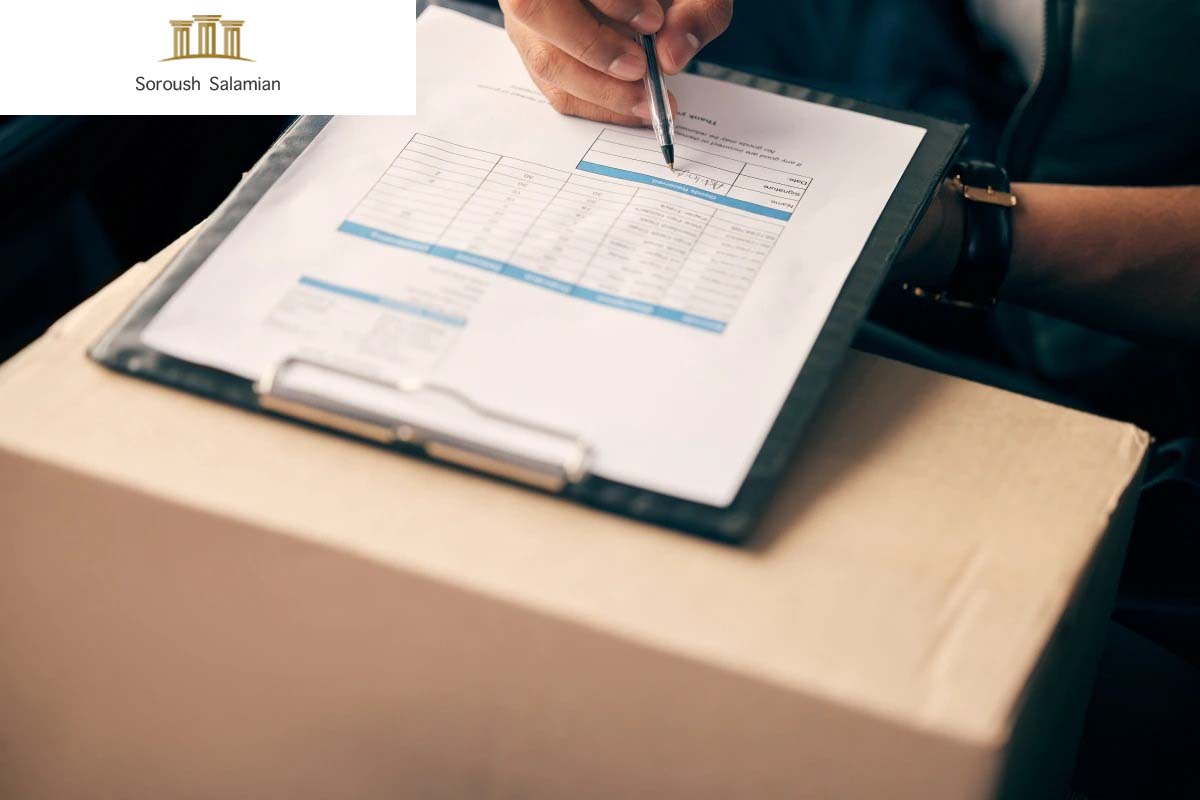
Shipping documents form the core of the Letter of Credit process, and payment is generally dependent on their proper presentation. Each document provides specific information about the goods and the shipment. The bill of lading is the most important transport document, as it confirms the carrier’s receipt of the goods. The commercial invoice sets out the value of the goods and identifies the seller and buyer. The packing list provides details about the quantity and packaging of the shipment.
The certificate of origin is another important document that identifies the country where the goods were produced. In some transactions, an insurance certificate is also mandatory, showing that the goods are covered against potential risks in transit. All of these documents must be prepared in strict accordance with the terms of the LC. Even minor mistakes-such as a discrepancy in a company name or date-can result in documentary discrepancies. For this reason, accuracy in document preparation and review is one of the most critical factors in the successful use of a Letter of Credit.
Benefits of Using a Letter of Credit for Exporters
A Letter of Credit offers several important advantages for exporters, which is one of the main reasons for its widespread use in international trade. The most significant benefit is payment security. When an LC is issued by a reputable bank, the exporter can be confident that the contract amount will be paid, provided the required documents are submitted correctly. This greatly reduces the risk of non-payment by the buyer.
An LC can also improve exporters’ access to financing. Many banks offer trade finance solutions or document discounting backed by Letters of Credit, which help strengthen cash flow. In addition, using an LC can enhance the exporter’s commercial credibility in international markets. Many large companies prefer to trade only through Letters of Credit because they offer greater transparency and security.
Benefits of a Letter of Credit for Importers and International Buyers
A Letter of Credit benefits not only the seller-it also provides important protections for buyers. The main advantage for the importer is that payment is made only after valid documents are presented. The buyer can specify detailed requirements in the LC regarding the goods, shipping schedule, packaging, and documentation. This helps ensure that the seller complies with the agreed contractual terms.
An LC also helps importers reduce the risk of paying before the goods are shipped. In many international transactions, the buyer has limited familiarity with the seller, and the LC plays a key role in building trust. Certain types of Letters of Credit also allow deferred payment, which can support the importer’s cash flow management. For this reason, the LC is considered an essential tool for risk control and import management.
Common Mistakes in Letter of Credit Documents and Their Impact on Shipping
One of the most common issues in LC transactions is documentary discrepancy. Even small errors can lead to delayed payment or rejection of the documents. Typical mistakes include incorrect buyer or seller names, mismatches in the quantity of goods, inconsistent dates, defects in the bill of lading, or invoice details that do not align with the credit terms. Many of these problems result from insufficient familiarity with banking rules or a lack of care in document preparation.
These discrepancies can also affect the shipping process itself. In some cases, the goods may already have arrived at the destination, but payment is withheld due to documentary issues. This can lead to additional storage charges or delays in customs clearance. For this reason, companies often rely on trade specialists, banks, and shipping consultants to review the documents and minimize the risk of error.
Challenges and Limitations of Using a Letter of Credit in International Shipping
Despite its many advantages, a Letter of Credit is not without challenges. One of the main drawbacks is the cost. Issuing, amending, and confirming an LC usually involves banking and administrative fees for the parties. The process can also be complex and document-intensive. Smaller businesses may face difficulties in preparing compliant documents or meeting banking requirements. In addition, document review can be time-consuming, slowing the payment process.
Another important limitation is that an LC operates on the basis of documents rather than the goods themselves. Therefore, even if the documents are compliant, the bank is not responsible if the goods do not meet the buyer’s quality expectations. This is one of the key limitations of the method. Nevertheless, with proper planning, expert support, and a solid understanding of international rules and practice, many of these challenges can be managed effectively, allowing businesses to benefit from the security and structure that Letters of Credit provide.
Frequently Asked Questions About Letters of Credit (LC)
A Letter of Credit, or LC, is a banking instrument used in international trade to secure payment. The issuing bank undertakes to pay the seller upon presentation of valid shipping documents in accordance with the terms of the credit. It helps build trust between buyers and sellers in different countries.
Because in international transactions, buyers and sellers often do not know each other directly. By involving a bank, an LC reduces the risk of non-payment or non-delivery and helps make the shipping process more secure.
The bank acts as an intermediary and payment guarantor. The buyer's bank issues the Letter of Credit and, after reviewing the shipping documents, makes payment if the documents comply with the terms of the credit. Banks examine documents only, not the actual quality of the goods.
The main documents usually include the bill of lading, commercial invoice, packing list, certificate of origin, and insurance certificate. These documents show that the goods have been shipped in accordance with the contract and are required for payment.
Payment under an LC is made against shipping documents rather than the goods themselves. That is why the carrier plays an important role in issuing accurate documents such as the bill of lading to ensure the payment process runs smoothly.
Common types of Letters of Credit include Sight LC, Usance LC, Confirmed LC, Transferable LC, and Revolving LC. Each is designed for different commercial needs and levels of risk.
The main benefit for the exporter is payment assurance. The bank guarantees payment, and if the required documents are presented correctly, the risk of non-payment by the buyer is significantly reduced.
An importer gains assurance that payment will only be made after valid documents are presented. The buyer can also specify detailed shipping, packaging, and documentary requirements in the LC.
Common mistakes include incorrect names, dates, quantities, or inconsistencies between the documents and the terms of the Letter of Credit. These discrepancies can lead to delayed payment or rejection of the documents.
The main challenges include banking fees, procedural complexity, the need for multiple documents, and the time required to review them. In addition, banks examine documents only and do not verify the actual quality of the goods. What is a Letter of Credit (LC), and how is it used in international trade?
Why is a Letter of Credit important in international shipping?
What is the bank's role in a Letter of Credit?
Which documents are important in an LC transaction?
How does a Letter of Credit relate to cargo shipment?
What are the main types of Letters of Credit?
What is the main benefit of an LC for an exporter?
What is the main benefit of an LC for an importer?
What are common mistakes in LC documents?
What are the main challenges of using a Letter of Credit?



If the documents are all correct but the goods inside the containers are completely different, does the bank still have to pay?
Potentially, yes. Banks generally deal with documents rather than physically inspecting the goods. If the presented documents comply with the Letter of Credit, the bank may still be required to honor the credit. Fraud can create an exception in some circumstances, but that requires a separate legal analysis.
Can the seller fix a small mistake in the invoice after the bank has already rejected the documents?
Possibly. Some documentary discrepancies can be corrected and the documents presented again, provided the Letter of Credit has not expired and the presentation deadline has not passed. The exact discrepancy, remaining time, and bank requirements should be checked immediately.
What if the buyer tells the bank to reject the documents even though they actually match the LC?
The issuing bank’s obligation generally depends on documentary compliance rather than simply the buyer’s preference. If the documents comply with the credit terms, the buyer cannot necessarily stop payment without a valid legal basis. Any allegation of fraud or other exceptional circumstance would require specific review.
Can a confirmed LC still be paid if the issuing bank in the buyer’s country has payment problems?
That is one of the main reasons parties use a confirmed Letter of Credit. A confirming bank adds its own undertaking to pay when compliant documents are presented. The exact scope of that undertaking depends on the terms of the LC and confirmation.
If the shipment date is one day later than the date written in the LC, can the bank really reject everything?
Potentially, yes. Documentary credits are generally handled according to strict compliance principles, so even a relatively small date discrepancy can create a problem. Whether it can be waived or corrected depends on the credit terms, applicable banking rules, and the buyer’s response.
What if the bill of lading is correct but the certificate of origin has a spelling mistake in the company name?
That may still be treated as a documentary discrepancy if the inconsistency creates uncertainty about the identity of the party or transaction. Banks compare the documents against the Letter of Credit requirements, so even minor inconsistencies can delay or prevent payment.
Can the beneficiary transfer only part of a transferable LC to another supplier?
Potentially, depending on the wording of the credit. A transferable LC may allow the first beneficiary to transfer all or part of the available amount, but only if the issuing bank has expressly made the credit transferable. The transfer conditions should be reviewed carefully.
What happens if the goods arrive before the original shipping documents reach the buyer’s bank?
That can create practical problems with customs clearance and release of the cargo. The buyer may need to consider temporary arrangements with the bank or carrier, but those solutions can involve additional risk. The LC terms and transport documents should be reviewed before taking action.
Can a bank charge discrepancy fees even if the buyer decides to accept the documents anyway?
Potentially, yes. Documentary discrepancy fees and the buyer’s decision to waive a discrepancy are separate issues. The applicable bank charges usually depend on the LC terms and banking arrangements, so acceptance by the buyer does not necessarily eliminate those fees.
If the LC expires while the goods are already on the way, does the seller lose the right to payment?
Possibly. Shipment of the goods alone is not enough. The beneficiary generally must also present compliant documents within the validity and presentation periods specified in the Letter of Credit. If those deadlines are missed, payment can become much more difficult unless an extension or amendment is agreed.