
What are the responsibilities of a carrier when transporting hazardous materials?
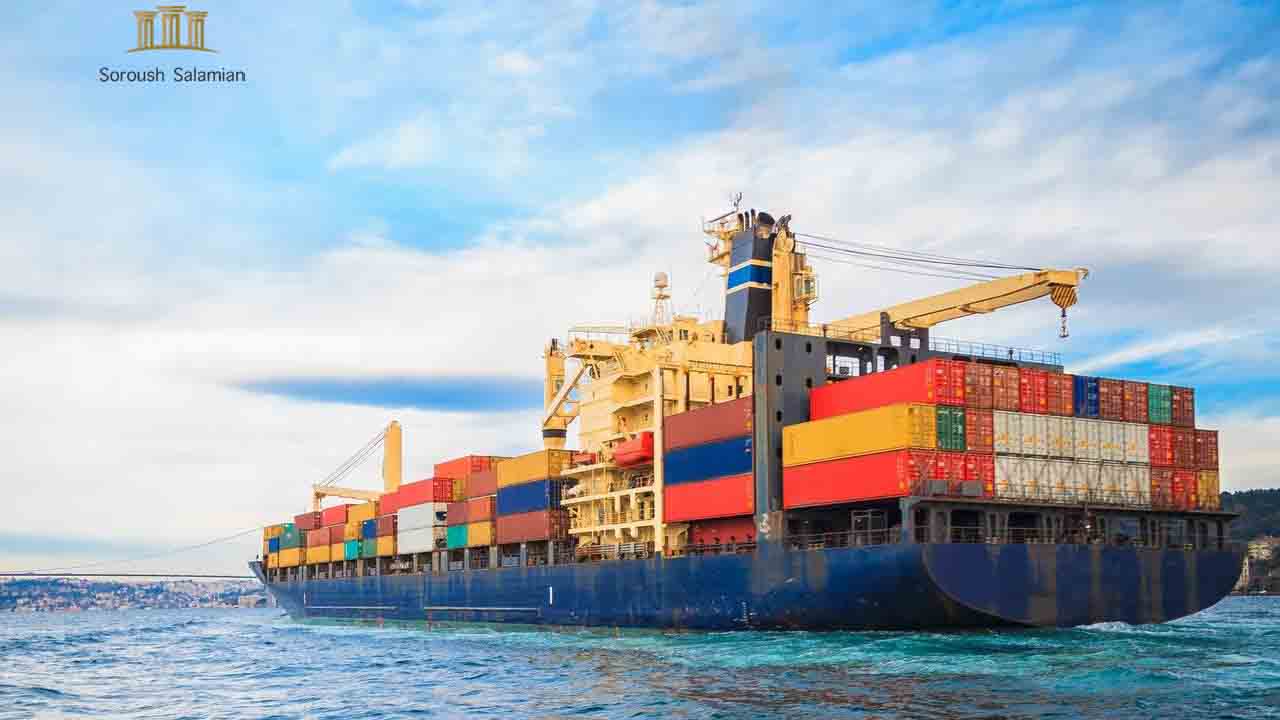
Transportation companies assume greater responsibilities when transporting hazardous materials than when carrying ordinary goods. Hazardous materials may include flammable, toxic, corrosive, and oxidizing substances, compressed gases, and other materials that may pose risks to people, the environment, or equipment if improperly packaged, loaded, or transported. For this reason, before accepting a shipment, the carrier should review the goods’ nature and characteristics and determine the applicable transportation requirements.
Among the principal obligations of a carrier are the use of an appropriate vehicle, compliance with safety regulations, verification of documentation, personnel training, supervision of loading conditions, and communication of information concerning the risks associated with the shipment. The type of material, transportation route, and method of carriage may also affect the applicable requirements.
The carrier’s responsibility is not limited to delivering the shipment to its destination. Throughout the transportation process, appropriate measures should also be taken to prevent leaks, fires, explosions, contamination, and other potential incidents. Compliance with specialized regulations can reduce both the risk of an accident and the potential legal liabilities arising from it.
What duties does a carrier have before taking on hazardous materials?
Before accepting hazardous materials for transportation, the carrier should obtain sufficient information about the shipment’s nature and characteristics. The shipper is also responsible for providing accurate and complete information concerning the type of material, degree of hazard, quantity, packaging method, and applicable transportation requirements. The carrier should review this information to determine whether the shipment can be safely accepted and transported using the available equipment and resources.
Selecting an appropriate vehicle is an important part of this process. Certain materials require specialized tanks or containers, while others must be protected from heat, moisture, or contact with other substances. The transportation route may also be subject to restrictions based on the type of hazardous material and applicable local regulations.
The carrier should also assign appropriate personnel and drivers and ensure that those responsible for the shipment have received the necessary training. If the information provided is incomplete or inaccurate, the issue should be clarified before transportation begins. Accepting a shipment without adequately understanding its hazards may increase both the risk of an accident and the carrier’s potential liability.
What is the carrier’s responsibility regarding the packaging and labeling of hazardous materials?
Proper packaging is one of the most important elements of safe transportation of hazardous materials. Packaging should be appropriate to the nature of the material and the conditions of transportation, and capable of preventing leakage, breakage, release, or unintended chemical reactions. Under many regulatory frameworks, primary responsibility for packaging rests with the shipper. However, the carrier should also inspect the packaging’s apparent condition and verify its suitability for transport before accepting the shipment.
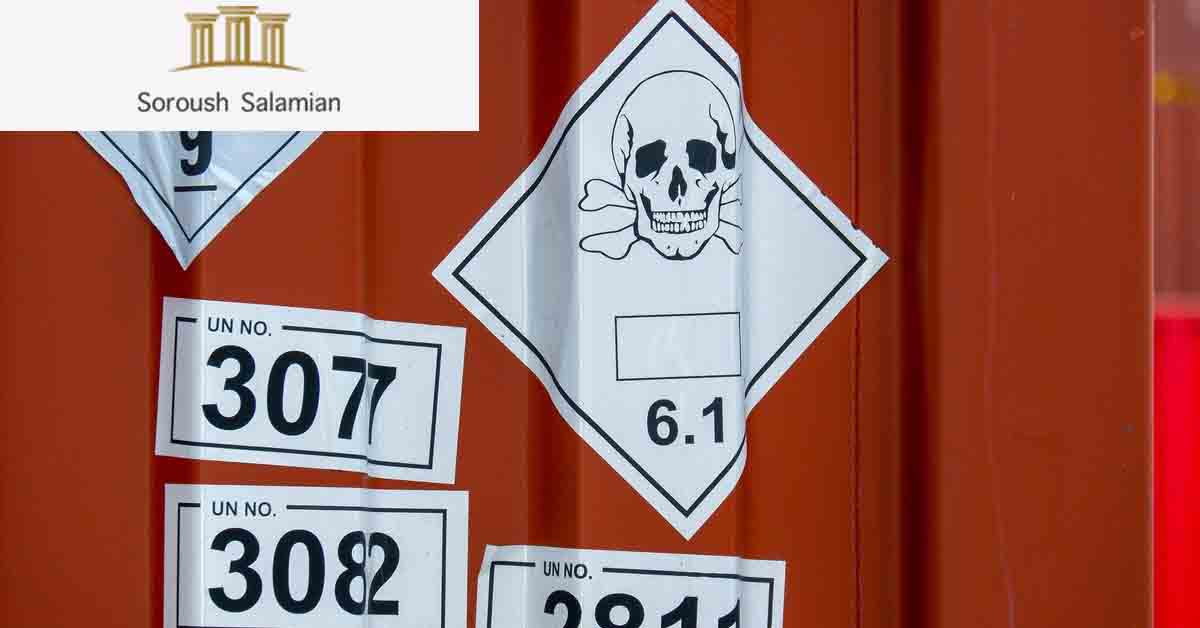
Proper labeling and marking are also essential. Hazard labels should clearly communicate the nature of the risk and the precautions required for personnel involved in transportation, storage, and emergency response. Incorrect or incomplete information can create serious problems if an incident occurs.
A carrier should not transport a shipment where the packaging is visibly damaged or clearly unsuitable without appropriate review and corrective action. Incompatible materials should also not be placed together where there is a risk of a hazardous reaction. The specific requirements vary depending on the substance, mode of transportation, and applicable regulations and should therefore be assessed for each shipment.
What are the duties of a carrier when hazardous materials are being loaded?
Hazardous materials should be loaded with greater care than ordinary cargo. The carrier should ensure that the vehicle is properly prepared to receive the shipment and is suitable for the relevant loading conditions. Equipment used during loading should also be appropriate for the material being loaded and minimize the risk of impact, friction, leakage, or other hazards.
The positioning and securing of packages during loading are particularly important. Cargo should be secured so that it does not shift during transportation or damage other packages. Incompatible materials should not be positioned in circumstances where they could react dangerously with one another.
The carrier should provide responsible personnel with relevant safety instructions and, where necessary, ensure the use of appropriate personal protective equipment. The vehicle should also be inspected before departure. If signs of leakage, damaged packaging, or unsafe conditions are identified during loading, continuing the operation without proper assessment may create significant risks. Recording loading information and completed safety checks may also be important for risk management and for demonstrating compliance with applicable safety requirements.
What are the duties of drivers and carrier staff when transporting hazardous materials?
Drivers and other personnel involved in the transportation of hazardous materials should be familiar with the characteristics of the shipment, potential hazards, and applicable emergency procedures. The extent and type of training required will depend on the material involved and the applicable transportation regulations. Training may include recognizing hazard labels, using safety equipment, taking initial action in the event of a leak or fire, and notifying the appropriate authorities.
Before departure, the driver should inspect the vehicle’s condition and verify that the cargo is properly secured. During the journey, the driver should comply with applicable requirements concerning stops, parking, and authorized routes. Any leakage, packaging damage, or abnormal condition should be taken seriously and addressed appropriately. The carrier should ensure that responsible personnel possess the qualifications and training appropriate to their duties. The use of inadequately trained personnel may increase the risk of human error.
Personnel should also understand what actions they may safely take in the event of an incident and when they should leave the hazardous area and contact emergency services. A clearly defined emergency response plan is an important component of hazardous materials transportation safety management.
What duties does a carrier have when hazardous materials are in transit?
The carrier’s obligations do not end when the vehicle leaves the point of origin. Throughout the journey, applicable safety and transportation requirements should continue to be observed, and the driver should operate the vehicle in accordance with established instructions. Route selection is particularly important because certain hazardous materials may be restricted on specific roads, in tunnels, in densely populated areas, or in urban zones.
The vehicle should remain in suitable mechanical condition and should carry the emergency equipment required for the shipment. Stops should be made only in locations consistent with the applicable requirements for transporting the material. If weather conditions change, a mechanical defect occurs, or signs of cargo damage appear, the carrier should evaluate and respond to the risk appropriately. Continuing the journey without assessing such conditions may have serious consequences.
The driver should also have access to the necessary information concerning the shipment and applicable emergency procedures. Compliance with speed limits, safe vehicle control, and avoidance of hazardous driving practices are fundamental principles of hazardous materials transportation. The primary objective is to deliver the shipment without creating an unreasonable risk to individuals, the environment, or other road users.
What is the carrier’s responsibility when there is a leak or accident involving hazardous materials?
If an incident occurs, a prompt and appropriate response is essential. The carrier should act in accordance with the applicable emergency response plan and the regulations governing the material involved. The priority is to protect human life and prevent the hazard from spreading. Depending on the substance, appropriate measures may include stopping operations, evacuating individuals from the affected area, notifying emergency responders, and taking steps to contain the release.
The carrier should provide emergency authorities with accurate information concerning the substance and its associated hazards so that an appropriate response can be implemented. Attempting to clean up or control hazardous materials without the necessary equipment, training, or expertise may worsen the situation.
After the incident, accurate documentation, investigation of the cause, and cooperation with the competent authorities are also important. If injury, property damage, or environmental harm has occurred, the matter may involve various legal and financial consequences. The carrier’s liability in such circumstances may depend on the transportation contract, applicable laws, the nature of the incident, and the degree of fault or negligence attributable to each party. Detailed documentation of the actions taken is therefore particularly important.
What documentation is needed when transporting hazardous materials?
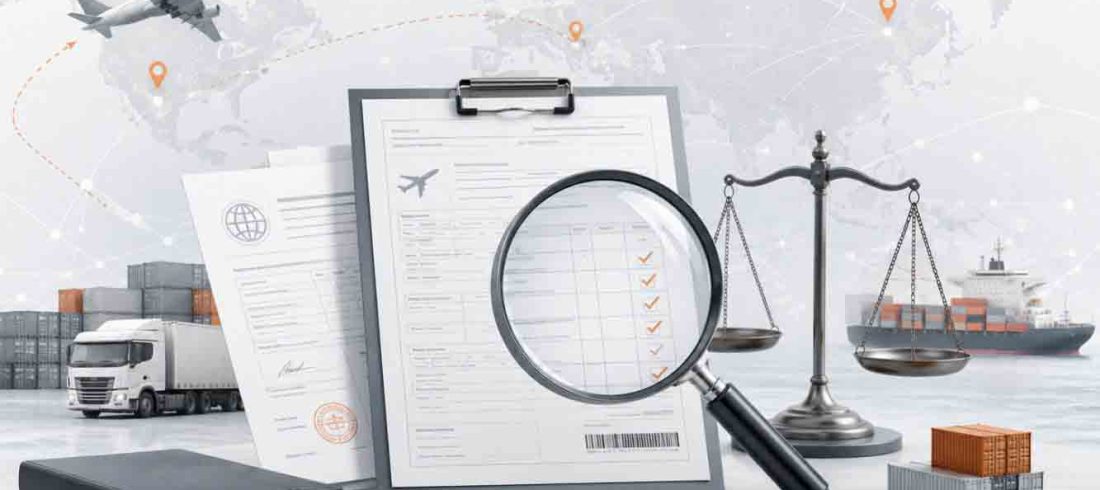
The transportation of hazardous materials generally requires more extensive documentation than that for ordinary goods. Information concerning the name and characteristics of the substance, hazard classification, quantity, packaging, marking, and emergency instructions should be prepared and provided in accordance with the applicable regulations.
The carrier should ensure that the driver and other responsible personnel have access to the necessary information. Transportation documents should accurately reflect the actual shipment, as incorrect or incomplete information may cause serious problems during inspections or in the event of an incident. Depending on the type of transportation and the applicable regulations, additional documentation may also be required. Certain shipments may require special certificates, transportation permits, technical documentation, or specific emergency response information.
Proper retention and organization of records are also important because these documents may be used to determine the parties’ responsibilities if a dispute or accident occurs. The shipper, carrier, and other parties involved should clearly identify their respective responsibilities for preparing and verifying the required documents. The final requirements should be determined based on the type of material and the applicable mode of transportation.

How is the liability of a carrier for damage caused by hazardous materials determined?
If hazardous materials cause injury to individuals, damage to property, or environmental harm during transportation, liability will depend on a combination of factors. The transportation contract, governing law, type of vehicle, specialized regulations, and cause of the incident are among the principal matters that may need to be examined.
For example, if the shipper failed to disclose the characteristics of the material properly or used inadequate packaging, those circumstances may affect the allocation of liability. Conversely, if the carrier transported the shipment without complying with applicable safety requirements, liability may be attributed to the carrier.
Driver negligence, mechanical defects, improper route selection, and an inadequate response to an incident may also be relevant when assessing liability. Accordingly, the occurrence of an accident does not automatically establish the liability of a particular party. The cause and surrounding circumstances of the incident must be examined. In complex cases, transportation documents, expert reports, maintenance records, and communications between the parties may be highly significant. A legal review of the contract and applicable regulations may be necessary to determine each party’s obligations and limits of liability.
How can a carrier correctly carry out its duties when transporting hazardous materials?
Proper management of hazardous materials transportation requires coordination among the shipper, carrier, driver, warehouse personnel, and other participants in the transportation chain. The material should first be properly identified, and the legal and safety requirements applicable to that particular substance should be determined. Packaging, labeling, vehicle selection, routing, and emergency equipment should then be selected based on the shipment’s characteristics.
Personnel training is also essential. Individuals involved should understand how the cargo should be handled, what risks are present, and what actions should be taken if an incident occurs. Vehicle inspections before departure and verification of proper cargo securing should also form part of the transportation process. Maintaining documents, incident reports, and safety inspection records can assist with risk management and the resolution of potential disputes. The transportation contract should also clearly define the responsibilities of each party.
Because legal requirements vary according to jurisdiction, material classification, and mode of transportation, a single set of requirements cannot be applied to every shipment. For international transportation or specialized hazardous materials, reviewing the relevant regulatory framework and obtaining appropriate legal and technical advice may help prevent significant operational and legal problems.
Frequently Asked Questions About Carrier Obligations for Hazardous Materials
The principal obligations of a carrier include reviewing the characteristics of the shipment, selecting an appropriate vehicle, complying with applicable safety requirements, inspecting packaging and loading conditions, training personnel, transporting the shipment safely, and maintaining appropriate emergency response preparedness.
Yes. Before accepting the shipment, the carrier should inspect the condition of the packaging and hazard markings and, if damage or clearly unsuitable conditions are identified, address the issue before transportation begins. Primary responsibility for packaging may remain with the shipper depending on the applicable regulations and the terms of the contract.
In the event of an incident, protecting human life and preventing the hazard from spreading should be the primary priorities. The carrier should act in accordance with the applicable emergency response plan and regulations, provide emergency responders with the necessary information concerning the material, and document the incident and the actions taken.
The required documents depend on the type of material and mode of transportation and may include information concerning the substance, hazard classification, shipment quantity, packaging, markings, emergency instructions, and applicable permits. The documentation should accurately correspond to the actual shipment.
Liability is determined based on the cause of the incident, the transportation contract, applicable laws, and the respective obligations of the parties. A shipper's failure to properly disclose the characteristics of the material or provide adequate packaging, as well as a carrier's failure to comply with applicable safety requirements, may affect the allocation of liability. What are the most important obligations of a carrier transporting hazardous materials?
Is a carrier required to inspect the packaging of hazardous materials?
What should a carrier do in the event of a hazardous materials leak or accident?
What documents are required for transporting hazardous materials?
Who is liable for damage resulting from the transportation of hazardous materials?




If a carrier is not told that the cargo is hazardous, who is responsible if something goes wrong?
Responsibility can depend on the facts and the obligations of each party involved in the shipment. Generally, accurate information about hazardous materials is a critical part of safe transportation, and the shipper may have important responsibilities regarding disclosure, classification, and documentation. The specific circumstances would need to be reviewed.
Can a carrier refuse to transport hazardous materials if the paperwork looks incomplete?
A carrier may have obligations to ensure that required information and documentation are in place before accepting certain hazardous materials shipments. The exact requirements depend on the type of material, the mode of transportation, and applicable regulations.
What happens if hazardous materials are packaged incorrectly but the carrier did not pack them?
Liability can depend on who was responsible for preparing, packaging, and accepting the shipment, as well as the applicable laws and contract terms. Different parties in the transportation chain may have different duties, so the details of the shipment would need to be examined.
If a hazardous material spill happens during delivery, can the carrier automatically be held responsible?
Not necessarily. A hazardous materials incident can involve multiple parties, and responsibility may depend on the cause of the spill, the actions of each party, and whether required safety procedures were followed. A proper review of the incident records would be needed.
Are carriers required to train their drivers for hazardous material transportation?
Yes, hazardous materials transportation generally involves specific training requirements for employees who handle or transport these materials. The exact training obligations depend on the type of transportation and the regulations that apply.
Can a company be responsible if it hires another carrier to move dangerous goods?
Hiring a third-party carrier does not automatically remove all responsibilities. The obligations of each company depend on the contracts, the role each party plays in the shipment, and the applicable regulations. Reviewing the agreements and shipment process would be important.
What documents should a carrier keep after transporting hazardous materials?
Carriers should maintain records required by applicable regulations, which may include shipping documents, training records, and other safety-related information depending on the shipment. The exact documents required depend on the type of material and transportation method.
If the shipper gives the wrong description of hazardous cargo, can the carrier sue them?
Potential claims may exist depending on the contract, the losses suffered, and the laws that apply. Incorrect information about hazardous cargo can create serious safety and legal issues, but the available remedies depend on the specific facts of the case.
Do international shipments of hazardous materials follow the same rules as domestic shipments?
International hazardous materials transportation can involve additional rules and requirements depending on the countries involved, the transportation method, and international standards that apply. The shipment route and documents would need to be reviewed to determine the applicable obligations.
Can a carrier be fined even if there was no accident or injury?
Yes, depending on the applicable regulations, violations involving hazardous materials can create legal consequences even when no accident occurs. Compliance obligations often focus on preventing risks through proper classification, documentation, packaging, and handling procedures.