
What does vessel grounding mean from a legal point of view?
Vessel grounding occurs when the hull or another part of a vessel comes into contact with the seabed, riverbed, or bottom of a navigable waterway, causing the vessel to lose its ability to navigate normally. Grounding may result from navigational error, insufficient water depth, adverse weather conditions, mechanical failure, human error, or other factors. From a legal perspective, grounding is not merely a technical maritime incident. It may give rise to various liabilities for the vessel owner, operator, master, ship management company, or other parties.
The nature of the resulting damage is also significant in determining the legal consequences of the incident. The vessel itself, its cargo, port facilities, or the environment may be damaged, and the navigable channel may even become obstructed. In such circumstances, identifying the cause of the incident and determining the causal relationship between the relevant parties’ conduct and the resulting damage are of considerable importance.
For legal assessment purposes, maritime reports, data recorded by navigation systems, crew statements, weather conditions, nautical charts, and the vessel’s technical records are generally examined. Contracts of carriage, insurance policies, and applicable laws may also play an important role in determining liability.
What are the factors that can lead to legal liability in the case of a vessel running aground?
Legal liability arising from a vessel grounding depends on the cause of the incident, the contractual arrangements between the parties, and the applicable law. One significant factor is human error in navigation. An incorrect course, inappropriate speed, failure to observe navigational marks, or an inaccurate assessment of water depth may all be relevant when liability is evaluated.
Mechanical failure may also be the primary cause, or one of several contributing causes, of a grounding. A failure involving the engine, steering system, navigation equipment, or other critical machinery may give rise to liability on the part of the vessel owner or manager if the failure is connected to inadequate maintenance.
Environmental conditions such as storms, fog, strong currents, or unexpected changes in water levels may also contribute to a grounding. In such cases, it must be determined whether the incident could have been prevented through compliance with ordinary navigational and safety standards. The condition of the waterway and the accuracy of information provided regarding its depth and navigable route may also be relevant.
Accordingly, liability is generally not determined by a single factor. Instead, a combination of technical, operational, and legal evidence must be considered.
What is the responsibility of the owner and operator of the vessel in the case of a grounding?
The vessel owner and operator may, where the applicable legal requirements are satisfied, be held liable for losses resulting from a grounding. One of the fundamental responsibilities of an owner or operating company is to provide a vessel that is suitable for the intended voyage and to ensure that it is maintained in an appropriate technical and operational condition.
If it is established that the vessel’s equipment, engine, steering system, or navigational facilities were deficient and that such deficiency contributed to the grounding, liability may arise on the part of the owner or ship manager. Inadequate maintenance or failure to carry out necessary repairs may also be relevant when assessing liability.
However, the vessel owner is not necessarily responsible for all losses arising from every grounding incident. If the incident resulted from exceptional circumstances, the conduct of a third party, or another independent cause, the extent of the owner’s liability may differ.
Charterparty arrangements are also highly significant. Depending on the type of charter agreement, the responsibilities of the owner, charterer, master, and crew may vary. It is therefore necessary to examine the terms of the relevant agreement together with the law governing it.
In complex cases, expert reports, maintenance records, and operational data relating to the vessel may be essential in determining the respective share of responsibility attributable to each party.
What role does the master and the crew play in terms of liability resulting from a vessel running aground?
The master of a vessel has significant responsibilities for the vessel’s safe navigation and for decisions concerning its operation. During a voyage, the selection of the route, compliance with navigational marks, consideration of weather conditions, and proper use of navigation equipment are among the matters that may be examined when assessing the master’s conduct.
If a grounding results from a serious navigational error or failure to comply with applicable safety requirements, the liability of the master or other members of the crew may become relevant. However, determining fault requires an examination of the actual circumstances of the incident. The mere occurrence of a grounding does not, by itself, establish negligence on the part of the master.
Crew members must also perform their duties in accordance with the vessel’s operational procedures and applicable safety standards. Entries in the vessel’s logbook, information recorded by navigation systems, and statements from crew members may be used to reconstruct the sequence of events leading to the grounding.
It must also be considered whether the master had access to sufficient information and appropriate equipment to make informed navigational decisions. Technical problems or inaccuracies regarding the intended route may affect the final analysis.
Accordingly, the liability of the master and crew should be assessed based on their actual conduct and the circumstances at the time of the incident.
What effect does a vessel grounding have on the cargo and the carrier’s liability?
If a vessel grounds while carrying goods, the cargo may also sustain damage. Water ingress into cargo holds, damage to containers, physical impact to the goods, deterioration of storage conditions, or substantial delivery delays may result in various forms of loss.
In such circumstances, the carrier’s liability must be assessed in accordance with the contract of carriage, applicable law, and the cause of the incident. A carrier generally has obligations concerning the proper care and carriage of cargo, but its liability is not identical in every maritime casualty.
If it is established that the loss resulted from negligence, breach of duty, or other wrongful conduct by the carrier or persons for whom it is responsible, a compensation claim may arise.
On the other hand, certain maritime incidents may, under particular circumstances, fall within exemptions from liability or limitations of liability. The manner in which the goods were packaged, the nature of the cargo, the condition of the vessel, and the circumstances of the grounding may also be relevant.
Documents such as the bill of lading, contract of carriage, damage reports, photographs of the goods, delivery records, and expert reports may be highly important when pursuing a claim. Cargo interests should therefore preserve, as far as possible, all evidence concerning the condition of the cargo and the time at which the damage occurred so that liability and the amount of loss can be properly assessed.
Can a vessel running aground result in environmental liability?
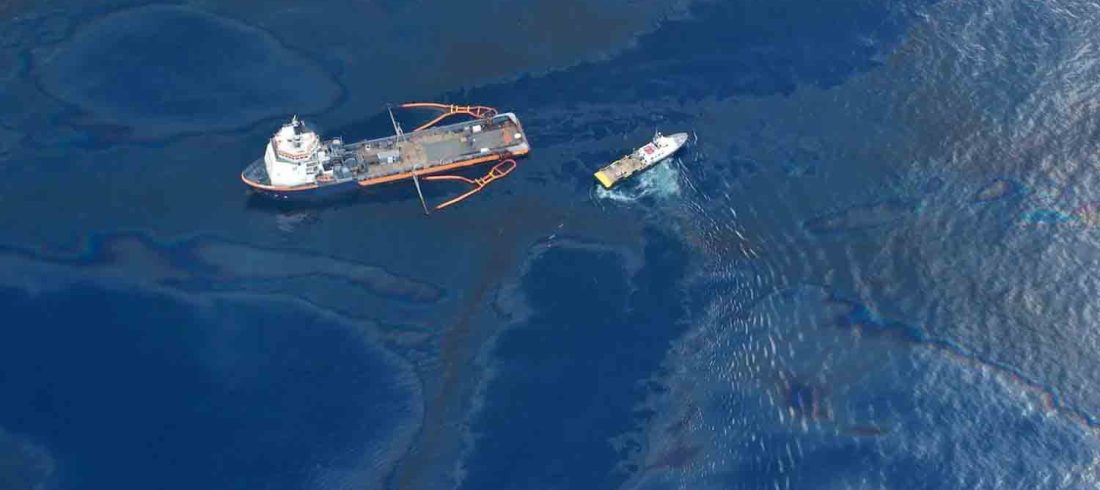
In certain circumstances, vessel grounding may have environmental consequences. If contact with the seabed damages the vessel’s hull and releases fuel, oil, or other hazardous substances, pollution of the water or coastline may occur.
In such circumstances, in addition to direct damage to the vessel and cargo, environmental liability may also arise. The extent of that liability will depend on factors including the type of pollutant, the quantity released, the location of the incident, applicable domestic law, and relevant international regulations.
Cleanup expenses, emergency response measures, damage to natural resources, and losses suffered by third parties may all become the subject of claims.
Prompt action following the incident is also important. The vessel owner or operator may be required to report the incident, take measures to contain or prevent further pollution, and cooperate with the relevant authorities.
In environmental cases, technical reports and environmental sampling may be important in determining the extent of contamination and establishing its connection with the grounding. A vessel grounding may therefore extend beyond an ordinary maritime casualty and, where pollution occurs, may create a range of legal and financial obligations for parties associated with the vessel.
What role does insurance play in compensating for losses resulting from a vessel running aground?
Insurance is one of the most important risk management mechanisms in maritime operations. A vessel grounding may cause substantial damage to the hull, machinery, cargo, and property of third parties. The type of insurance policy involved determines which losses are covered and the conditions that must be satisfied before compensation becomes payable.
Hull and machinery insurance may cover certain types of physical damage sustained by the vessel itself. By contrast, insurance covering the liabilities of vessel owners may respond to certain third-party claims, pollution liabilities, or other specified expenses.
Following a grounding, prompt notification to the insurer and preparation of a detailed incident report are particularly important. The insurer may appoint a surveyor or other expert to assess the loss and may request documents such as the casualty report, photographs, repair reports, and expense records.
The terms of the insurance policy must also be carefully reviewed. Deductibles, exclusions, coverage limits, and the obligations imposed on the insured may all affect the amount recoverable.
Where a dispute arises concerning coverage or the amount of compensation payable, the terms of the insurance policy and the law governing the insurance contract will generally form the basis of the legal analysis. Accurate documentation from the time of the grounding through the repair and claims process is therefore of substantial importance.
Legal Aspects of Salvage and Refloating Costs
Following a vessel grounding, salvage or towing operations may be required to return the vessel to navigable water. Such operations can be costly and may involve tugboats, specialized equipment, personnel, and technically complex procedures.
From a legal perspective, responsibility for salvage and refloating costs depends on the circumstances of the incident, contractual arrangements between the parties, and the applicable legal framework. In some cases, a salvage agreement is entered into before the operation begins, setting out the financial terms and obligations of the parties.
Where salvage operations are undertaken to prevent more extensive damage, the resulting expenses may also be relevant to insurance coverage or other financial liabilities. Factors such as the success of the operation, the degree of danger involved, the value of the property preserved, and the nature of the services provided may be relevant when assessing costs.
If the grounding resulted from the fault of a particular party, salvage and refloating expenses may also be recoverable as damages against the responsible party.
For this reason, all contracts, operational reports, invoices, and other documentation relating to salvage activities should be preserved. Such records may play an important role in determining liability and whether particular expenses are recoverable.
What is the way in which legal disputes caused by a vessel running aground are settled?
A vessel grounding may result in disputes among the vessel owner, charterer, carrier, cargo owner, insurer, salvage company, or third parties. The nature of the dispute will determine the most appropriate legal mechanism for resolving it.
Many maritime contracts specify the method of dispute resolution in advance. Some agreements provide for arbitration, while others designate a particular court as having jurisdiction. The governing law of the contract may also be significant in determining the competent forum and the applicable procedure.
Technical and contractual evidence is particularly important in resolving such disputes. Expert reports, navigational data, the vessel’s logbook, contracts of carriage, bills of lading, insurance policies, and documentation relating to salvage operations may all be used to establish or defend claims.
In disputes involving cargo damage, the extent of the damage and its causal relationship with the grounding must also be established. In some cases, liability may be shared among several parties.
Because maritime law can be complex and the laws of different jurisdictions may vary considerably, the applicable contracts and legal rules should be carefully examined before legal proceedings are commenced. Obtaining advice from counsel experienced in maritime law may assist in identifying the appropriate course of action for resolving the dispute.
What documentation is needed if you are going to make a legal claim after a ship runs aground?
Documenting the incident is one of the most important stages in pursuing a legal claim arising from vessel grounding. The more accurate the information concerning the time, location, circumstances, and manner in which the incident occurred, the more effectively liability and damages can be assessed.
The official casualty report, vessel logbook, navigation system data, weather reports, and nautical charts are among the important forms of evidence. Maintenance and repair records may also be used to determine whether a mechanical defect contributed to the incident.
If cargo has been damaged, the bill of lading, commercial invoice, inspection report, photographs of the damage, and cargo delivery records may be relevant. Insurance policies and correspondence with insurers should also be preserved.
If salvage or towing operations were undertaken, the salvage agreement, operational reports, and invoices relating to those services may also be used in the legal proceedings.
Photographs and videos showing the condition of the vessel, the location of the grounding, and the resulting damage should likewise be preserved from the earliest possible stage.
Applicable limitation periods and contractual deadlines for providing notice of claims must also be examined, as certain maritime claims are subject to specific time limits. Determining the governing law and the competent forum before initiating legal proceedings is also of fundamental importance.
Frequently Asked Questions About Vessel Grounding from a Legal Perspective
Vessel grounding may result in damage to the hull and equipment, cargo, third-party property, and, in some cases, the environment. The determination of liability depends on the cause of the incident, existing contractual arrangements, applicable laws, and the degree of fault attributable to each relevant party.
Navigational error, mechanical failure, inadequate maintenance, failure to comply with safety requirements, and certain circumstances relating to the management or operation of the vessel may contribute to legal liability. Weather conditions, the condition of the waterway, and the conduct of third parties should also be considered when determining the cause of the incident.
Yes. Water ingress into cargo holds, damage to containers, physical damage to goods, and delivery delays may result from a vessel grounding. The liability of the carrier or other parties must be assessed based on the contract of carriage, bill of lading, applicable regulations, and the cause of the damage.
The type of insurance policy determines which losses are covered. Hull and machinery insurance may cover damage sustained by the vessel, while liability insurance may cover certain third-party claims and environmental losses. The terms, exclusions, and coverage limits of the insurance policy must be reviewed.
The casualty report, navigation system data, vessel logbook, weather reports, maintenance and repair records, contract of carriage, bill of lading, insurance policy, expert reports, and documents relating to salvage operations are among the important records. Photographs and other evidence of the damage may also assist in establishing a claim. What are the legal consequences of vessel grounding?
What factors can give rise to legal liability in a vessel grounding?
Can vessel grounding cause damage to cargo?
What role does insurance play in compensating losses caused by vessel grounding?
What documents are required to pursue a legal claim following a vessel grounding?


If a local harbor pilot was on board when the ship grounded, is the owner still responsible?
Potentially, yes. Having a pilot on board does not automatically remove the owner’s or master’s responsibility. The result can depend on whether pilotage was compulsory, the pilot’s actual role in causing the grounding, and the law of the jurisdiction where the incident occurred. There may also be separate questions about liability of the pilot or pilotage authority.
Can a cargo owner claim anything if the goods were fine but the grounding caused a long delivery delay?
Possibly, but delay-only claims can be more complicated than physical cargo damage claims. The bill of lading, applicable carriage rules, contractual exclusions, and the type of financial loss would all need to be reviewed. Some contracts significantly limit or exclude liability for delay.
What if the water was shallower than the port charts said? Could the port be partly responsible?
That can become an important issue. If inaccurate depth information, defective navigational information, or inadequate maintenance of the channel contributed to the grounding, responsibility may extend beyond the vessel interests. Whether a port or public authority can actually be held liable will depend heavily on local law, including any statutory protections or immunity.
Does a salvage company still get paid if they try to refloat the ship but it doesn’t work?
It depends on the type of salvage arrangement. Traditional maritime salvage often involves a principle commonly described as “no cure, no pay,” but modern salvage contracts can contain different terms and special compensation provisions. The actual agreement and circumstances of the operation would need to be checked.
Could the ship declare general average after a grounding even if my cargo wasn’t damaged?
Yes, that may be possible in the right circumstances. General average can involve extraordinary expenses or sacrifices reasonably incurred for the common safety of the vessel and cargo, so an undamaged cargo interest may still be asked to contribute. Whether general average applies depends on the facts, the carriage documents, and any incorporated rules such as the York-Antwerp Rules.
How much weight does the ship’s VDR data actually have if the crew gives a different version of what happened?
VDR and other electronic navigation records can be very important, but they are not necessarily conclusive by themselves. Investigators may compare them with logbooks, AIS information, charts, weather data, communications, and witness statements. Questions about completeness, preservation, timing, or interpretation of the data can also become relevant.
What if the charterer told the vessel to go to a port that wasn’t safe for that ship’s draft?
That could raise a safe-port or safe-berth issue, depending on the charterparty wording. In some charter arrangements, the charterer has contractual obligations concerning the safety of nominated ports or berths. The vessel’s draft, information available to the master, local conditions, and the precise cause of the grounding would all need to be examined before responsibility could be assessed.
Is there a standard deadline for telling the P&I club or hull insurer about a grounding?
There is no single deadline that applies to every policy. Many policies and club rules require notice promptly or as soon as reasonably practicable, and they may also impose requirements regarding surveys, evidence, correspondence, and handling of third-party claims. The specific policy wording should be checked immediately after a casualty.
Can authorities stop the vessel from leaving after a grounding if there was a small fuel spill?
They may be able to, depending on the applicable environmental and maritime laws. Authorities can require investigation, cleanup measures, financial security, or other compliance steps before permitting a vessel to continue its voyage. Even a relatively limited spill can therefore create regulatory issues separate from the physical damage caused by the grounding.
If the owner is found at fault, does that mean they have to pay the full amount of every claim?
Not necessarily. Maritime law in some jurisdictions allows shipowners or other qualifying parties to limit liability for certain types of claims, subject to specific legal requirements and exceptions. Whether limitation is available, and the amount of any limitation fund, can depend on the governing convention, local law, type of claim, and circumstances of the owner’s conduct.