
What Does Environmental Damage in Transportation Include?
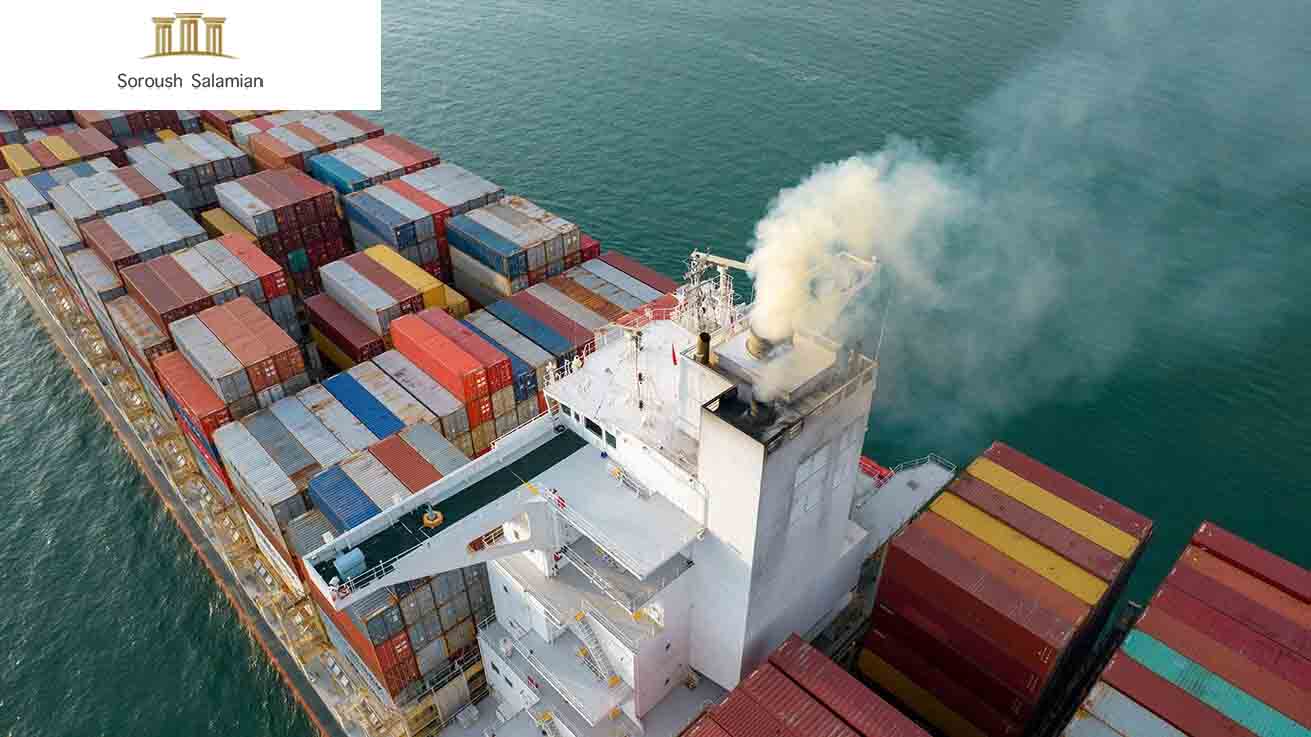
Environmental damage in transportation refers to harm to the natural environment caused by the transport of goods, fuel, chemicals, or other cargo. Such damage may occur in maritime, road, rail, or air transportation, and its severity depends on factors including the type of cargo, the circumstances of the incident, and the extent of pollutant release. Fuel or oil spills, the discharge of chemicals into water, soil contamination, the release of hazardous substances into the air, and damage to natural habitats are among the principal examples of environmental damage associated with transportation.
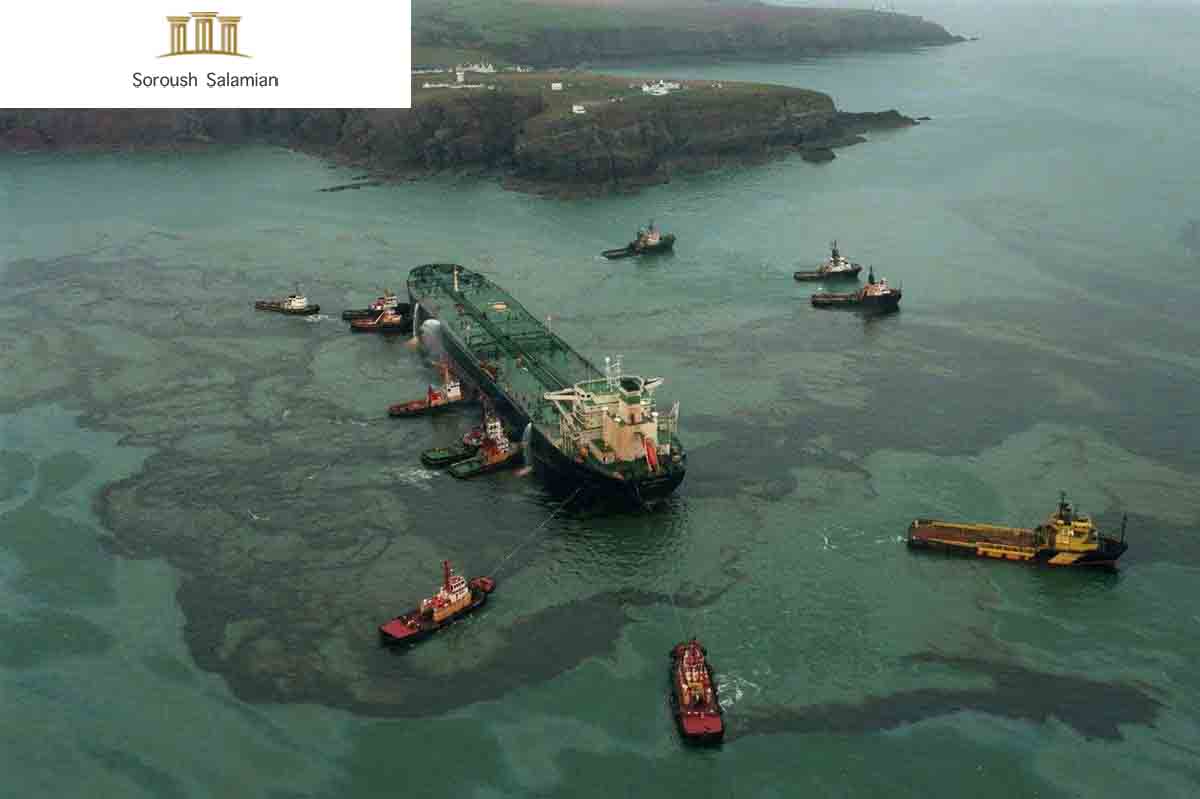
In maritime transportation, water pollution resulting from oil or chemical spills is of particular significance. In road transportation, the overturning of tanker vehicles or accidents involving vehicles carrying hazardous materials may result in contamination of soil and water resources. Liability for environmental damage in transportation is generally determined by reference to the nature of the incident, the roles of the parties involved, the contract of carriage, applicable domestic laws, and relevant international regulations. Identifying the source of the pollution and determining the extent of the resulting damage are also important factors in establishing Liability.
What Factors Can Cause Environmental Damage in Transportation?
Transportation incidents may cause environmental damage for a variety of reasons. Mechanical defects, human error, adverse weather conditions, improper cargo packaging, improper loading, and failure to comply with safety requirements are among the principal contributing factors. In some cases, an incident may result from a combination of factors, making a detailed assessment of the circumstances necessary to determine Liability.
The nature of the cargo is also highly significant. The transportation of fuel, chemicals, toxic substances, flammable goods, and other hazardous materials may lead to more severe environmental consequences in the event of an accident. For example, damage to a chemical tank may cause the substance to be released into soil or surface waters.
Improper maintenance of a vehicle or vessel may also increase the likelihood of an incident. Brake defects, deterioration of storage tanks, malfunctioning safety valves, or leaks in fuel systems are among the issues that should be identified before transportation begins. Compliance with technical standards, proper personnel training, and appropriate route planning can reduce the likelihood of such incidents and may also play an important role in managing potential Liability.
What Is the Liability of a Transportation Company for Environmental Pollution?
A transportation company may be held liable for environmental damage depending on the applicable laws, the contract of carriage, and the circumstances of the incident. The extent of the company’s Liability may depend on factors such as its role in causing the incident, the scope of its contractual obligations, the preventive measures it implemented, and the conduct of its personnel. For example, if an incident results from a driver’s negligence or a defect the company had a duty to prevent, a claim may be brought against the company.
Transportation companies should use appropriate vehicles or vessels, maintain suitable safety equipment, and employ properly trained personnel. When hazardous materials are transported, compliance with applicable packaging, labeling, loading, and unloading requirements becomes particularly important. In addition, prompt action following an incident to prevent the spread of pollution may help limit the extent of the resulting damage.
Liability may be allocated among several parties. Depending on the circumstances of the incident, the owner of the vehicle or vessel, the transportation company, the shipper, a warehouse operator, or other contractors may be involved in assessing Liability. Accordingly, careful review of the relevant contracts and the respective obligations of each party is essential when determining responsibility.
What Liability Does the Owner of a Vehicle or Vessel Have for Environmental Damage?
In certain circumstances, the owner of a vehicle or vessel may be held liable for damage resulting from defects, inadequate maintenance, or the use of the vehicle or vessel. This will depend on the type of transportation equipment involved, the applicable law, and the relationship between the owner and the transportation company or operator. The owner should ensure that the vehicle or vessel is technically fit for the intended transportation operation and that necessary repairs are carried out promptly.
When hazardous cargo is transported, the condition of tanks, valves, safety systems, and leak-control equipment is particularly important. If a leak or pollution incident results from a defect that the owner knew about, or should have remedied in accordance with the owner’s obligations, that issue may be considered when determining Liability.
The occurrence of an accident alone, however, is not necessarily sufficient to impose Liability on the owner. The relationship between the owner’s conduct, the condition of the vehicle or vessel, and the resulting damage must be examined. Maintenance records, technical reports, inspection records, and documentation relating to the maintenance of the vehicle or vessel may be important in this process. Ultimately, the determination of Liability will depend on the governing law and the specific circumstances of the case.
What Role Does the Shipper Have in Environmental Damage?
The shipper may also be held liable for certain environmental damage, particularly where information concerning the nature or hazards of the cargo has not been properly disclosed. To plan and conduct transportation operations safely, the carrier must receive sufficient information on the type of goods, their hazardous characteristics, applicable storage conditions, and transportation requirements.
Improperly declaring cargo characteristics may increase the risk of an incident. For example, if hazardous material is delivered to a transportation company without proper disclosure of its characteristics, the selected vehicle, packaging equipment, or transportation route may not be compatible with the relevant safety requirements. If an incident occurs, such circumstances may be considered when determining the Liability of the parties involved.
Proper packaging is also an important obligation in the transportation of certain goods. Inadequate packaging may result in leakage, breakage, or the release of pollutants. The shipper should therefore comply with applicable packaging and labeling requirements and provide the carrier with the necessary information. In environmental damage claims, the contract of carriage, cargo documents, declarations concerning the goods, and safety instructions may be examined to assess the shipper’s role.
How Can Environmental Damage Be Prevented When Transporting Hazardous Materials?
Preventing environmental damage during the transportation of hazardous materials requires a combination of technical, managerial, and operational measures. The first step is to accurately identify the cargo’s nature and determine the applicable safety requirements. Packaging, labeling, and loading should be carried out in accordance with the relevant regulations.
The vehicle or vessel used for transportation should also be technically suitable for the cargo. Tanks, connections, valves, and leak-control equipment should be inspected before departure. Personnel and drivers should receive appropriate training on cargo-handling procedures and emergency response measures.
An emergency response plan is another essential element. The transportation company should establish clear procedures for incidents such as vehicle overturns, fires, leaks, and other accidents. Access to spill containment equipment and prompt communication with the relevant authorities can help prevent the spread of pollution.
Route selection is also important. In certain circumstances, routes located near environmentally sensitive areas, water resources, or residential areas should be assessed with particular care. Taken together, these measures can reduce both the likelihood of an incident and the severity of its environmental consequences.
How Is Liability for Water and Marine Pollution in Transportation Determined?
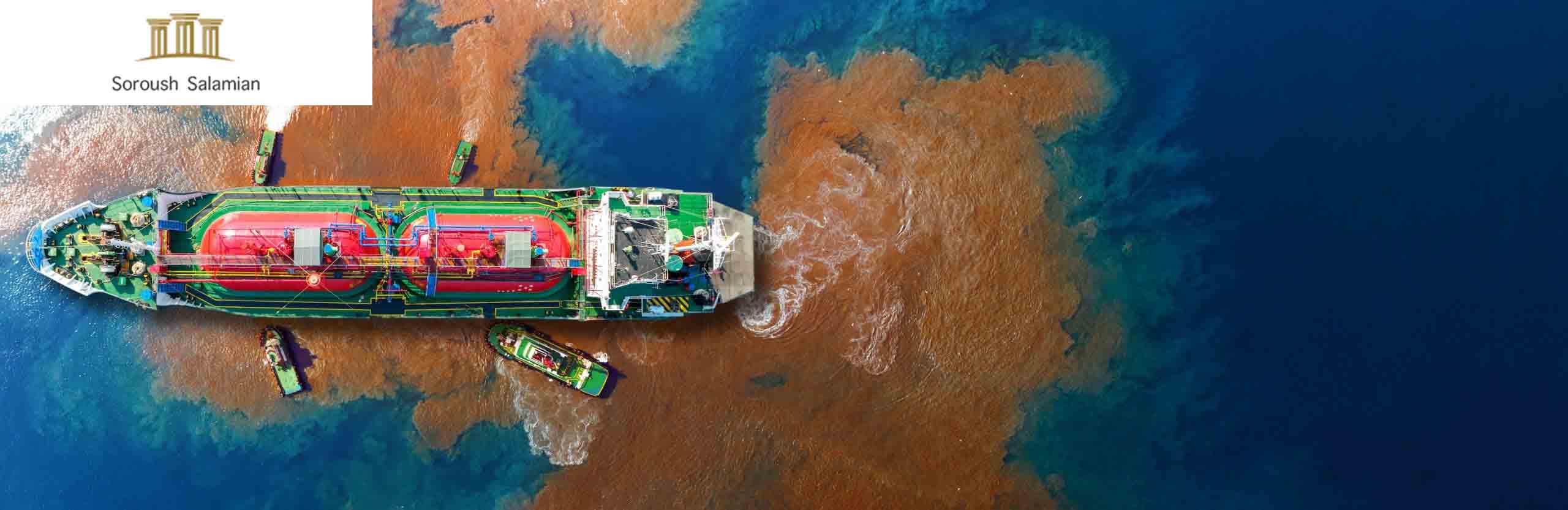
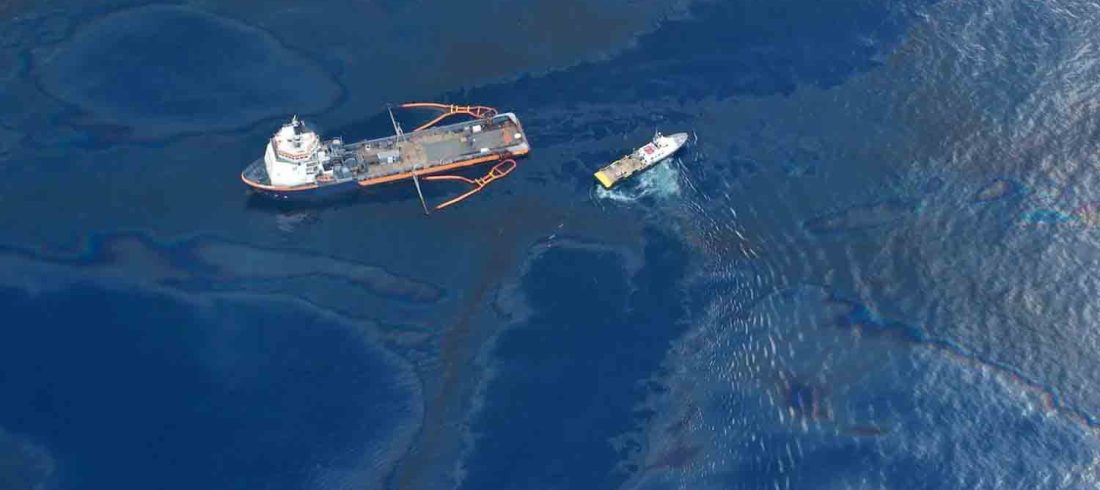
Water and marine pollution are among the most significant forms of environmental damage associated with transportation. Spills of fuel, oil, chemicals, or hazardous cargo from ships and other vessels may have extensive effects on marine ecosystems. In such circumstances, Liability may depend on factors including the cause of the incident, the type of pollutant involved, the role of the vessel owner or operator, and the applicable legal and regulatory framework.
In maritime transportation, vessel documentation, crew reports, maintenance records, cargo information, and expert reports may all be relevant when investigating an incident. It may also be necessary to determine whether appropriate measures were taken promptly to prevent or control the release.
The severity of the damage may be assessed by considering the volume of pollution, the geographical extent of its spread, the duration of the pollutant’s presence, and its effects on aquatic life and natural resources. Cleanup costs and restoration measures may also be included in the damages claimed. Given the international nature of maritime transportation, international rules and conventions may also play a role in determining Liability and the scope of the parties’ obligations in certain cases.
How Is Environmental Damage Assessed and Compensated?
To obtain compensation for environmental damage, it is first necessary to establish that damage occurred and that there is a sufficient connection between the damage and the transportation incident. The nature and extent of the harm must then be assessed. This assessment may include contamination of water, soil, or air; damage to plant and animal life; cleanup costs; and the costs of environmental restoration measures.
In some incidents, the effects of pollution may not be immediately apparent. A pollutant may remain in the soil for an extended period or may be transported through water to other locations. Accordingly, where necessary, expert assessment and environmental monitoring may need to continue over time.
Documentation concerning the incident site, sampling records, photographs, expert reports, transportation records, and cleanup expenses may be used to establish the extent of the damage. The responsible party or parties may then be identified by examining the connection between their conduct or performance and the resulting harm. Compensation may include cleanup costs, measures necessary to restore the environment to an appropriate condition, reimbursement of expenses incurred, and other damages recoverable under applicable law or as determined by the competent authority or tribunal. The form and extent of compensation will depend on the applicable legal framework and the circumstances of the case.
What Role Does Insurance Play in Environmental Damage Arising from Transportation?
Insurance can play an important role in managing the financial consequences of environmental damage. Depending on the nature of their operations, transportation companies and owners of vehicles or vessels may obtain insurance coverage relating to civil Liability, pollution, and losses arising from the transportation of goods. The nature of the coverage and the insurer’s limits of Liability should be carefully reviewed before an incident occurs.
Following an incident, prompt notification to the insurer and accurate documentation of the circumstances are important. Police reports, expert reports, photographs of the site, cargo information, and documentation relating to cleanup operations may be required in connection with the assessment of a claim.
The existence of insurance does not necessarily mean that all environmental damage will automatically be covered. Insurance policies may contain exclusions, limits of Liability, deductibles, and specific conditions. The type of material transported, the circumstances of the incident, and compliance with applicable safety requirements may affect the determination of insurance coverage. Transportation companies should therefore review their policies before commencing operations, paying particular attention to the scope of coverage, exclusions, deductibles, and limits of Liability to reduce the risk of coverage disputes following an incident.
What Measures Are Necessary to Reduce Liability and the Risk of Environmental Damage?
Environmental risk management should begin before transportation operations commence. Companies should identify risks associated with the nature of the cargo, the vehicle or vessel, the transportation route, and relevant operational conditions. Regular maintenance, personnel training, verification of cargo documentation, and compliance with requirements governing hazardous materials are fundamental measures in this regard.
Contracts of carriage should also clearly define the parties’ obligations. Responsibility for packaging, disclosure of cargo characteristics, loading, unloading, emergency response, and incident notification should be specified as precisely as possible. Ambiguity regarding these matters may lead to disputes when damage occurs. Proper documentation is also essential. Records of technical inspections, employee training, vehicle or vessel condition, cargo information, and actions taken during an incident may be important when assessing Liability and protecting the company’s legal rights.
Compliance with environmental regulations and transportation requirements should form an integral part of operational risk management. Preventing pollution generally entails lower costs and fewer consequences than managing a major environmental incident after it occurs. By implementing effective risk-management systems, providing ongoing training, and using appropriate equipment, transportation companies can reduce the likelihood of environmental damage and the associated legal and financial consequences.
Frequently Asked Questions About Liability for Environmental Damage in Transportation
Liability for environmental damage in transportation is determined based on the cause of the incident, the type of cargo, the contract of carriage, and the applicable laws. The owner of the vehicle or vessel, the transportation company, the shipper, or other parties involved may be held liable depending on their role in causing the damage.
Mechanical defects in the vehicle or vessel, human error, improper packaging, improper loading, hazardous material leaks, adverse weather conditions, and failure to comply with safety requirements are among the principal causes of environmental damage in transportation.
The shipper must provide accurate information regarding the nature and hazards of the cargo and comply with applicable packaging and labeling requirements. Providing incorrect information or using inadequate packaging may be considered when determining the shipper's Liability if environmental damage occurs.
Insurance coverage depends on the terms of the policy, the nature of the insured activity, the type of cargo, and the limits of the insurer's obligations. Certain insurance policies may cover costs associated with Liability and pollution. Still, coverage limits, exclusions, and payment conditions should be reviewed before an incident occurs.
The occurrence of pollution, its connection to the transportation incident, and the extent of the resulting damage must first be established. Cleanup costs, restoration measures, and other recoverable damages may then be assessed in accordance with applicable laws and regulations. Expert reports and documentation relating to the incident are particularly important in evaluating the damage. Who is liable for environmental damage in transportation?
What factors can cause environmental damage in transportation?
What liability does the shipper have for environmental damage?
Does insurance cover environmental damage arising from transportation?
How is environmental damage arising from transportation compensated?


What if the pollution is discovered months after the delivery was completed?
Delayed discovery can make the evidence and timing issues more complicated. It may still be possible to pursue responsibility, but the applicable limitation periods, expert findings, and proof linking the contamination to the transportation incident would need to be reviewed carefully.
Can the company still be liable if the actual transport was done by a subcontractor?
Potentially, yes. Using a subcontractor does not automatically remove the contracting company’s responsibility. The contracts, the parties’ respective duties, and the cause of the pollution would all need to be examined.
What happens if the driver followed company instructions but those instructions were unsafe?
That could shift attention from the driver’s conduct to the company’s procedures and management decisions. Liability would depend on the applicable law and evidence showing who controlled the operation and how the unsafe instruction contributed to the incident.
If a spill happens while the truck is being loaded, is that still considered the carrier’s responsibility?
Not necessarily. Responsibility during loading can depend on who controlled the loading process, who supplied the equipment, and what the transportation contract says. A warehouse, shipper, carrier, or another contractor could potentially be involved.
Who pays for emergency cleanup if nobody knows yet who caused the leak?
Immediate cleanup may need to proceed before final responsibility is determined. The party paying those initial costs may later seek recovery from the responsible party, depending on the governing law, contractual arrangements, and available evidence.
Could a company face a government fine and also have to pay compensation for the same spill?
Yes, those can be separate issues in some legal systems. Regulatory penalties may address violations of environmental rules, while civil claims may concern cleanup costs, property damage, or other losses. The exact exposure depends on the jurisdiction.
What if the cargo owner gave the correct documents but the chemical itself was mislabeled by the manufacturer?
That can create a more complex chain of responsibility. It would be important to determine who prepared the label, who reasonably relied on it, and whether any party had an independent duty to verify the cargo information before transportation.
For an international shipment, which country’s environmental law normally applies after an accident?
There is no single answer for every cross-border shipment. The place of the incident, contractual provisions, type of transportation, applicable international rules, and mandatory local environmental laws may all affect which legal framework applies.
If the carrier starts cleanup without getting approval from the insurer first, can that affect the insurance claim?
It can, depending on the policy terms. Some policies contain notification, consent, or claims-handling requirements, although emergency circumstances may also be relevant. The policy wording and the steps taken immediately after the incident should be reviewed.
Can nearby businesses claim losses if a spill shuts down the road even though their property wasn’t damaged?
Possibly, but claims for purely financial losses can be treated differently from claims involving physical property damage. Whether those losses are recoverable depends heavily on the applicable law, causation, and the type of loss being claimed.