
What Are the Legal Procedures for Maritime Accidents and Why Are They Important?
Maritime accidents, including vessel collisions, injuries to crew members and passengers, cargo damage, environmental pollution, and damage to port facilities, often result in significant legal consequences. Legal procedures for maritime accidents consist of the stages, regulations, and processes used to investigate the cause of an accident, determine liability among the individuals or companies involved, and obtain compensation for resulting losses.
The process generally begins by determining how the accident occurred, which factors contributed to it, and which parties may bear legal responsibility. The vessel owner, shipping company, vessel master, crew members, insurance companies, and even third parties may all be involved in a maritime case.
Maritime laws in many jurisdictions, together with international conventions, seek to establish a clear framework for determining liability and compensating losses. The International Maritime Organization has also developed numerous regulations addressing maritime safety, liability, and compensation. Because of the complexity of maritime cases, their resolution often requires examining documents, technical reports, witness testimony, marine expert assessments, and applicable legal rules.
How Is the Initial Investigation of a Maritime Accident Conducted?
The first stage following a maritime accident is the collection of information and examination of the circumstances surrounding the incident. At this stage, the objective is to establish an accurate account of the time, location, weather conditions, technical condition of the vessel, conduct of the crew, and other factors that may have contributed to the accident.
Reports prepared by the vessel master, navigation system data, port records, maintenance documentation, and the vessel’s operational records are among the materials that may be particularly important during the initial investigation. In certain cases, technical experts may also become involved to examine the engine, safety equipment, vessel structure, and other relevant components.
The purpose of this stage is to identify the primary cause of the accident and preserve relevant evidence. For example, in a vessel collision, it may be necessary to determine whether the accident resulted from human error, mechanical failure, adverse navigation conditions, or a violation of safety regulations. The findings of the initial investigation generally provide the basis for subsequent legal decisions. If the evidence indicates that a particular party contributed to the accident, it may become possible to pursue a claim for damages or make an insurance claim.
How Is a Vessel Owner’s Liability Determined in Maritime Accidents?
The vessel owner is one of the principal parties that may face legal liability in maritime accident cases. Such liability may arise from personal injury, cargo damage, marine pollution, or damage to other vessels.
The owner’s liability is generally assessed by considering factors such as proper maintenance of the vessel, compliance with safety standards, appropriate selection of crew members, and adequate supervision of vessel operations. If an accident is found to have resulted from the owner’s failure to comply with legal or managerial obligations, the owner may be held responsible for compensating the resulting losses.
Maritime law may, however, permit vessel owners to limit their liability for certain categories of claims. Rules governing limitation of maritime liability establish specific frameworks for claims involving personal injury, property damage, and losses associated with vessel operations. Nevertheless, limitation of liability is not available in every case. In circumstances involving intentional misconduct or certain forms of serious fault, the vessel owner may be unable to rely on such limitations.
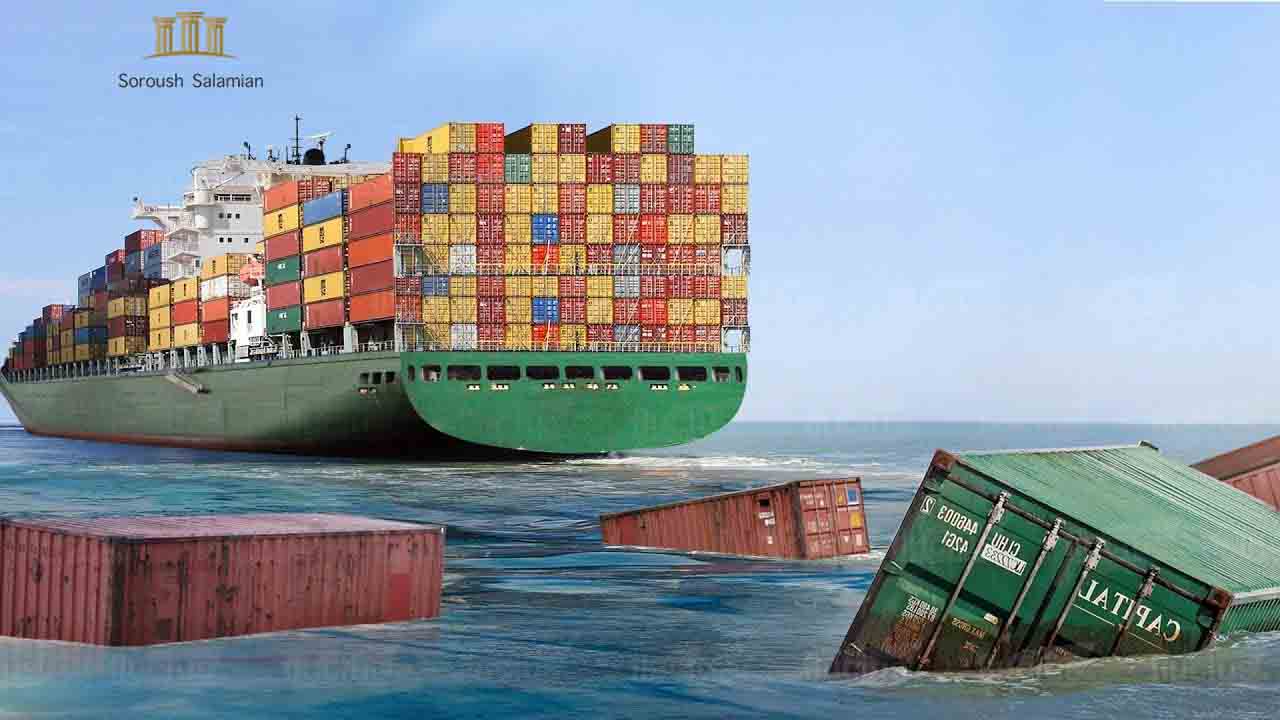
What Is the Role of the Vessel Master and Crew in Legal Liability?
The vessel master and crew members have a direct role in ensuring the safety of a maritime voyage. Their decisions concerning navigation, speed, emergency response, and compliance with navigation rules may contribute to either preventing or causing an accident.
If an accident occurs due to an error, negligence, or a breach of professional duties by the vessel master or crew members, legal responsibility may arise. For example, failure to observe warning signals, failure to comply with vessel navigation rules, or disregard of the vessel’s technical condition may be relevant factors in establishing liability.
In many legal systems, the conduct of vessel personnel is examined alongside the liability of the vessel owner or operating company because certain crew actions are directly connected to vessel operations. The role of the vessel master and crew is generally assessed through voyage reports, data recorded by onboard systems, statements from personnel, and opinions provided by marine experts. The objective is to determine the extent to which each individual or entity contributed to the accident.
How Are Claims Arising from Vessel Collisions Handled?
Collisions between vessels are among the most common maritime accidents and may result in substantial property damage and personal injury. Following a collision, it is first necessary to determine which vessel or associated parties contributed to the accident.
Factors such as the vessels’ courses, speed, visibility conditions, the condition of navigation equipment, and compliance with navigation rules are examined in these cases. The degree of fault attributable to each party may then be determined and used as a basis for allocating responsibility for compensation.
Recoverable losses may include the cost of vessel repairs, cargo damage, salvage expenses, personal injury losses, and losses arising from interruption of commercial operations. Under some maritime laws, liability between vessels involved in a collision may be allocated in proportion to their respective degrees of fault.
These cases can become more complex when several parties are involved, including vessel owners, insurers, transportation companies, and cargo owners. For this reason, specialized legal analysis is often necessary to accurately determine liability.
What Role Does Insurance Play in the Legal Procedures Following Maritime Accidents?
Insurance is an important component of managing the financial consequences of maritime accidents. Vessel owners, shipping companies, and cargo owners commonly use various types of insurance coverage to reduce their exposure to financial risks.
Following an accident, the insurer generally begins assessing the claim. The insurance company may review documents such as accident reports, the extent of the damage, the cause of the incident, and the potential liability of the different parties. Insurance surveyors or other experts may also assess damage to the vessel, cargo, or related equipment.
In complex cases, determining which losses fall within the scope of insurance coverage is particularly important. For example, losses resulting from collisions, cargo damage, salvage expenses, and marine pollution may each be subject to different policy terms and conditions.
Appropriate insurance coverage may facilitate the compensation process, but payment of a claim generally depends on a careful assessment of the insurance contract and the parties’ legal responsibilities. In major maritime incidents, international liability and compensation regimes may also play an important role in protecting parties that have suffered losses.
Author’s Recommendation: Marine Insurance Claims for Damaged Goods
How Is the Role of Marine Experts Assessed in Legal Cases?
Marine experts play an important role in clarifying the technical circumstances of an accident. Many issues arising from maritime incidents cannot be properly evaluated through legal analysis alone and require specialized knowledge concerning vessels, equipment, navigation conditions, and maritime operations.
An expert may examine the engine, safety systems, vessel course, cargo loading procedures, weather conditions, and conduct of the crew. An expert report may assist a court, insurance company, or parties to a dispute in determining the cause of the accident and assessing the extent of the resulting damage.
In cases involving disputes among vessel owners, transportation companies, insurers, or cargo owners, expert opinions may be particularly important. Determining liability without an accurate understanding of the technical circumstances may lead to an incorrect assessment of responsibility.
Marine experts generally review not only the accident scene or available documentation, but also data recorded by vessel systems, maintenance reports, and operational records. The conclusions arising from these examinations may constitute important evidence during legal proceedings.
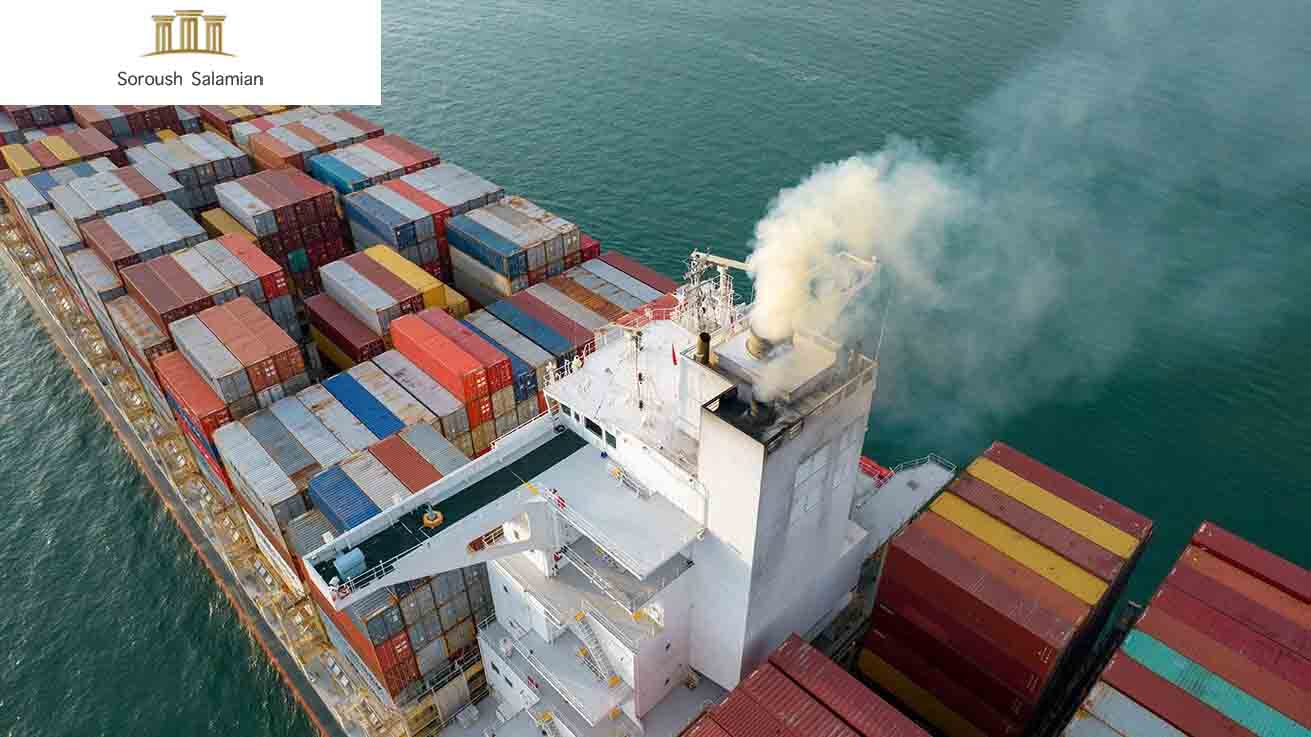
How Are Marine Pollution Claims Pursued?
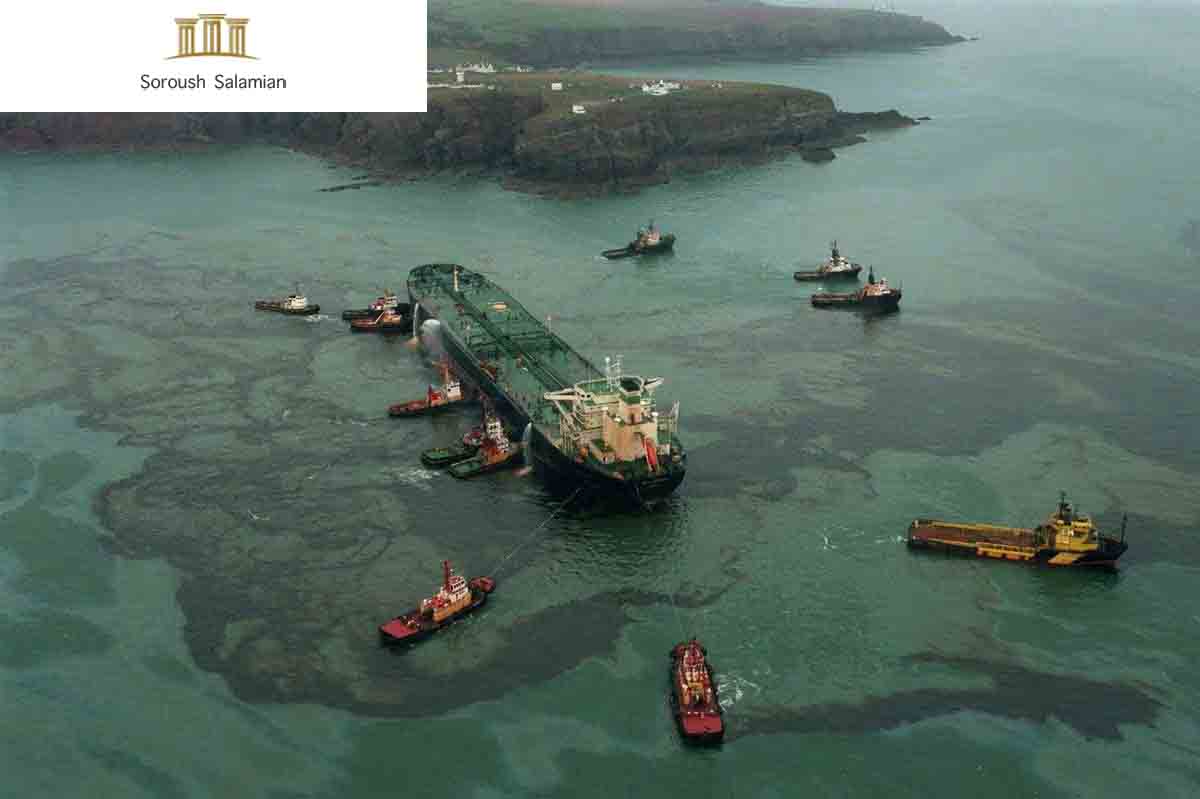
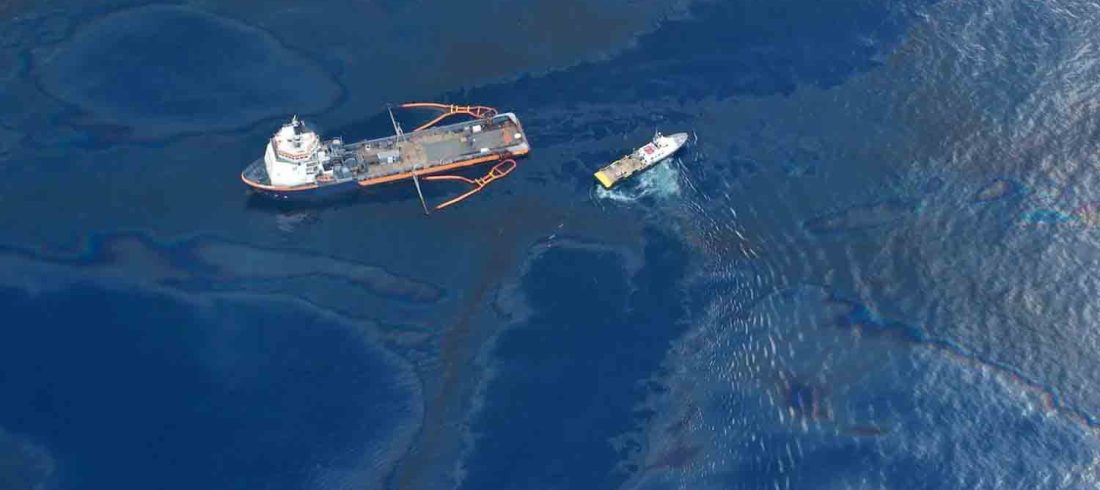
Liability for Environmental Damage in Transportation is one of the most significant legal issues arising from maritime accidents because the resulting harm may affect not only the vessel owner, but also the environment, coastal communities, and economic activities.
In such cases, it is necessary to identify the source of the pollution, determine the person or entity responsible for causing it, and assess the extent of the resulting damage. Oil spills, vessel fuel leaks, and releases of hazardous substances are among the incidents that may give rise to substantial legal liability.
Various international conventions and regulations have been developed to address these types of losses by establishing frameworks for liability and compensation. The International Maritime Organization has also developed systems concerning civil liability and compensation for pollution caused by vessels.
The handling of such claims generally includes an assessment of the extent of pollution, cleanup costs, economic losses, and environmental harm. Given the potentially extensive consequences of these incidents, coordination among multiple authorities and organizations may be particularly important during the legal process.
What Does Limitation of Liability Mean in Maritime Claims?
One of the distinctive features of maritime law is the existence of rules that allow vessel owners, in certain circumstances, to limit their liability. These rules are intended to establish a balance between protecting parties that have suffered losses and maintaining the commercial viability of maritime transportation.
Under certain legal regimes, a vessel owner may limit liability for specified categories of maritime claims up to a prescribed amount. Such claims may include personal injury, property damage, damage to vessels or port facilities, and certain other losses associated with vessel operations.
The right to limit liability, however, is subject to specific legal requirements. In cases involving intentional misconduct or conduct carried out with knowledge that damage would probably result, the right to limitation may be unavailable.
Determining whether limitation of liability applies to a particular case requires careful consideration of the applicable laws, the circumstances of the accident, and the role of each party involved. For this reason, maritime claims are often examined by legal professionals with experience in maritime law.
What Are the Final Stages of Resolving Claims and Compensating Losses After Maritime Accidents?
Once the technical and legal investigations have been completed, the process moves on to determining liability and compensation. At this stage, the available evidence, expert reports, contracts of carriage, insurance documents, and applicable laws are reviewed to establish each party’s obligations.
In certain cases, disputes may be resolved through negotiation or alternative dispute resolution procedures such as maritime arbitration. In other cases, the matter may be referred to a court for a determination of liability and the amount of compensation.
Compensation may include vessel repair costs, cargo losses, personal injury damages, environmental cleanup expenses, and other related losses. The complexity of a case may depend on factors such as the number of parties involved, the location of the accident, the laws of the relevant jurisdictions, and the nature of the damage.
Given the international nature of maritime transportation, familiarity with both domestic laws and international conventions is particularly important. Compliance with safety regulations, accurate recording of voyage information, and maintaining appropriate insurance coverage may help reduce disputes and facilitate the claims resolution process.
Frequently Asked Questions About Legal Procedures for Maritime Accidents
Legal procedures for maritime accidents generally begin with an initial investigation of the incident, collection of evidence, determination of the cause, identification of the responsible parties, and ultimately compensation for losses or resolution of the dispute. Technical reports, vessel documents, insurance records, and expert opinions are particularly important in this process.
Depending on the nature of the accident, the vessel owner, shipping company, vessel master, crew members, insurance company, or even third parties may bear responsibility. Liability depends on the cause of the accident, the degree of fault, and the applicable laws.
The vessel owner's liability is assessed based on factors such as proper vessel maintenance, compliance with safety standards, appropriate crew selection, and proper management of operations. If the owner's failure to fulfill these obligations caused the damage, the owner may be held responsible for compensation.
Many maritime accidents involve complex technical issues. Marine experts assist in determining the cause of an accident and the extent of the resulting damage by examining the condition of the vessel, equipment, navigation circumstances, reports, and technical documentation.
Insurance may cover losses involving damage to the vessel, cargo, civil liability, and certain costs associated with the accident. Following an incident, the insurance company reviews the relevant documentation and policy terms to determine the extent of its obligations.
In marine pollution cases, the source of the pollution, the extent of the damage, and the party responsible for causing it are first examined. Cleanup costs, economic losses, and environmental damage may be considered when determining liability and compensation.
No. In certain circumstances, maritime laws permit a vessel owner to limit liability. The availability of such limitations depends on the circumstances of the accident, the type of damage, the applicable laws, and the degree of fault attributable to the owner, and such limitations do not apply in every case. What stages are involved in the legal procedures for maritime accidents?
Who may be held liable in a maritime accident?
How is the vessel owner's liability determined in maritime accidents?
Why are marine experts important in legal cases?
What role does insurance play in compensating losses arising from maritime accidents?
How are cases involving marine pollution caused by vessel accidents handled?
Is a vessel owner always required to pay all losses resulting from a maritime accident?
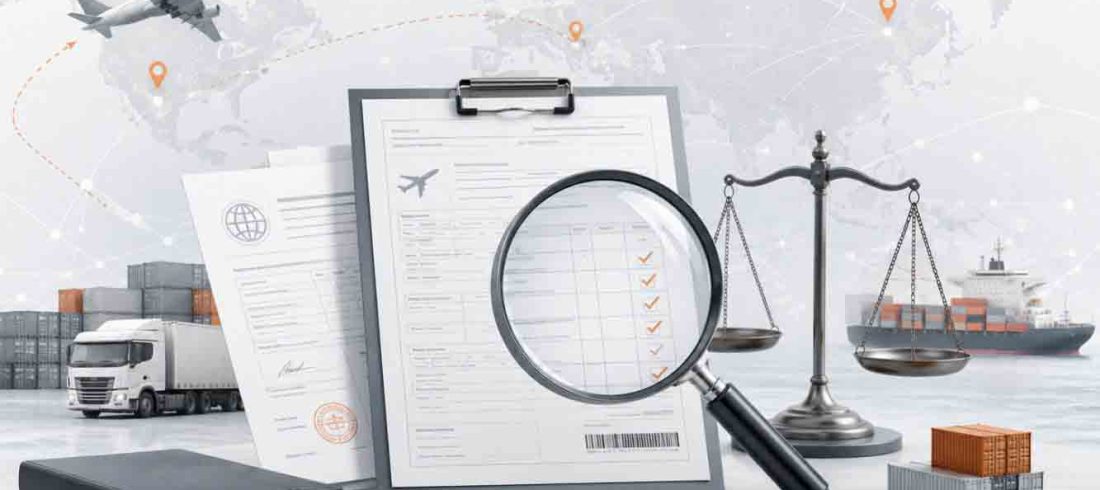

What if the accident happens in another country’s territorial waters?
The location of the incident can significantly affect jurisdiction and the applicable legal framework. The vessel’s flag, the countries connected to the parties, applicable conventions, and contractual provisions may also matter. The specific facts would need to be reviewed before determining where a claim should be brought.
Can a damaged ship be prevented from leaving the port until the claim is sorted out?
In some jurisdictions, a claimant may be able to seek the arrest or detention of a vessel as security for a maritime claim. The requirements are highly jurisdiction-specific, and usually prompt legal action is necessary if vessel arrest is being considered.
How long do you normally have to file a claim after a ship collision?
Maritime claims may be subject to specific limitation periods, which vary by the type of claim and the applicable law or convention. It is generally important to identify the governing rules early rather than assuming the ordinary civil limitation period applies.
What if important navigation data gets deleted after the accident?
Loss of electronic evidence can become a serious issue in a maritime dispute. Voyage data, communications, logs, and other records may be important in reconstructing what happened, so preservation should usually be addressed as early as possible. IMO casualty investigations also rely heavily on evidence concerning the circumstances of serious maritime incidents.
If there was a local pilot on board, can the pilot be blamed instead of the captain?
The presence of a pilot does not automatically resolve responsibility. The respective duties of the master, pilot, vessel owner, and potentially the pilot authority may need to be examined under the law of the place where the incident occurred.
Can both ships be responsible even if one of them actually hit the other?
Yes, physical contact alone does not necessarily determine fault. Navigation decisions by both vessels may be examined, including speed, lookout, maneuvering, and compliance with collision rules. The international COLREG framework contains rules governing vessel conduct and collision avoidance.
Does it matter if the ship was under a charter when the accident happened?
It can. Different charter arrangements allocate operational and commercial responsibilities differently. The charterparty, control over the vessel, employment of the crew, and the particular cause of the accident would all be relevant when assessing potential responsibility.
If a company pays for emergency salvage, can it recover that money later?
Possibly. The right to recover salvage or emergency response expenses depends on why the services were required, who requested them, the contractual arrangements, insurance coverage, and the applicable maritime law. The documentation surrounding the emergency response can be particularly important.
Can the owner limit liability even if the accident caused really huge losses?
Potentially, depending on the applicable legal regime and the circumstances. Maritime law has specific limitation systems, including the LLMC framework, but the availability and amount of limitation depend on factors such as the type of claim, vessel tonnage, applicable convention, and conduct involved.
If the contract says disputes have to be handled in another country, does that always apply after an accident?
Not necessarily in every situation. A jurisdiction, arbitration, or choice-of-law clause can be important, but its enforceability may depend on the type of claim, the parties involved, mandatory local laws, and the court or tribunal considering the dispute. The actual contract and circumstances should be reviewed before relying on the clause.