
Understanding Liability for Damage During Loading and Unloading in Transportation
Liability for damage during loading and unloading refers to the set of legal and operational responsibilities that determine who is accountable if cargo is damaged during these two critical stages of transportation. This issue is highly significant in both domestic and international transport, as a large proportion of cargo damage occurs precisely during the initial handling or at the time of unloading at the destination.
At this stage, the cargo is still in transit within the supply chain, and even a minor error can cause serious damage. A clear understanding of this concept is essential for carriers, cargo owners, and port operators, as determining liability directly affects compensation claims and legal proceedings. For this reason, a precise understanding of the applicable regulations and operational conditions governing this process is extremely important.
What Is Liability for Damage During Loading and Unloading?
Liability for damage during loading and unloading refers to determining who is responsible when cargo is damaged during loading onto a means of transport or during discharge at its destination. Depending on the contractual terms, the mode of transport, and the location of the incident, responsibility may be shared among several parties.
In many cases, identifying the responsible party is not straightforward because loading and unloading operations are typically carried out in cooperation among multiple entities. These may include the carrier, port operators, stevedores, and even the cargo owner. For this reason, a careful review of transport documents and contractual terms is essential. The purpose of defining this liability is to prevent disputes and clearly allocate responsibilities among the parties, ensuring that any claim for damage can be handled transparently and efficiently.
Why Are Loading and Unloading Among the Most Sensitive Stages of Transportation?
Loading and unloading are among the most sensitive stages in the transportation chain because cargo undergoes the greatest physical handling and direct movement during these operations. At this point, goods are transferred from a stationary position to a moving one-or vice versa-which significantly increases the risk of damage.
Many types of damage, such as impacts, excessive pressure, accidental drops, or problems caused by inadequate packaging, occur precisely during this stage. Even a small mistake in equipment handling or human error can result in substantial losses. In addition, environmental factors such as busy port environments, operational congestion, and time constraints further increase the likelihood of mistakes. As a result, these operations require strict supervision and adherence to safety standards in order to minimize the risk of damage.

Who May Bear Responsibility in the Loading and Unloading Process?
Several parties are involved in loading and unloading operations, and each may be held liable if damage occurs.
The first party is the carrier, which is responsible for coordinating and arranging the transportation of goods. In some situations, the carrier may be held liable if poor planning or inadequate supervision contributes to the damage.
The second group includes port operators or stevedoring companies that directly handle cargo. If the damage results from equipment failure or operational errors by personnel, liability will often fall on these entities.
In certain circumstances, the cargo owner may also bear responsibility. For example, this may occur if the goods were improperly packaged or if incorrect information about the cargo was provided. For this reason, liability in loading and unloading operations may be shared among multiple parties or allocated differently depending on the specific circumstances of each case.
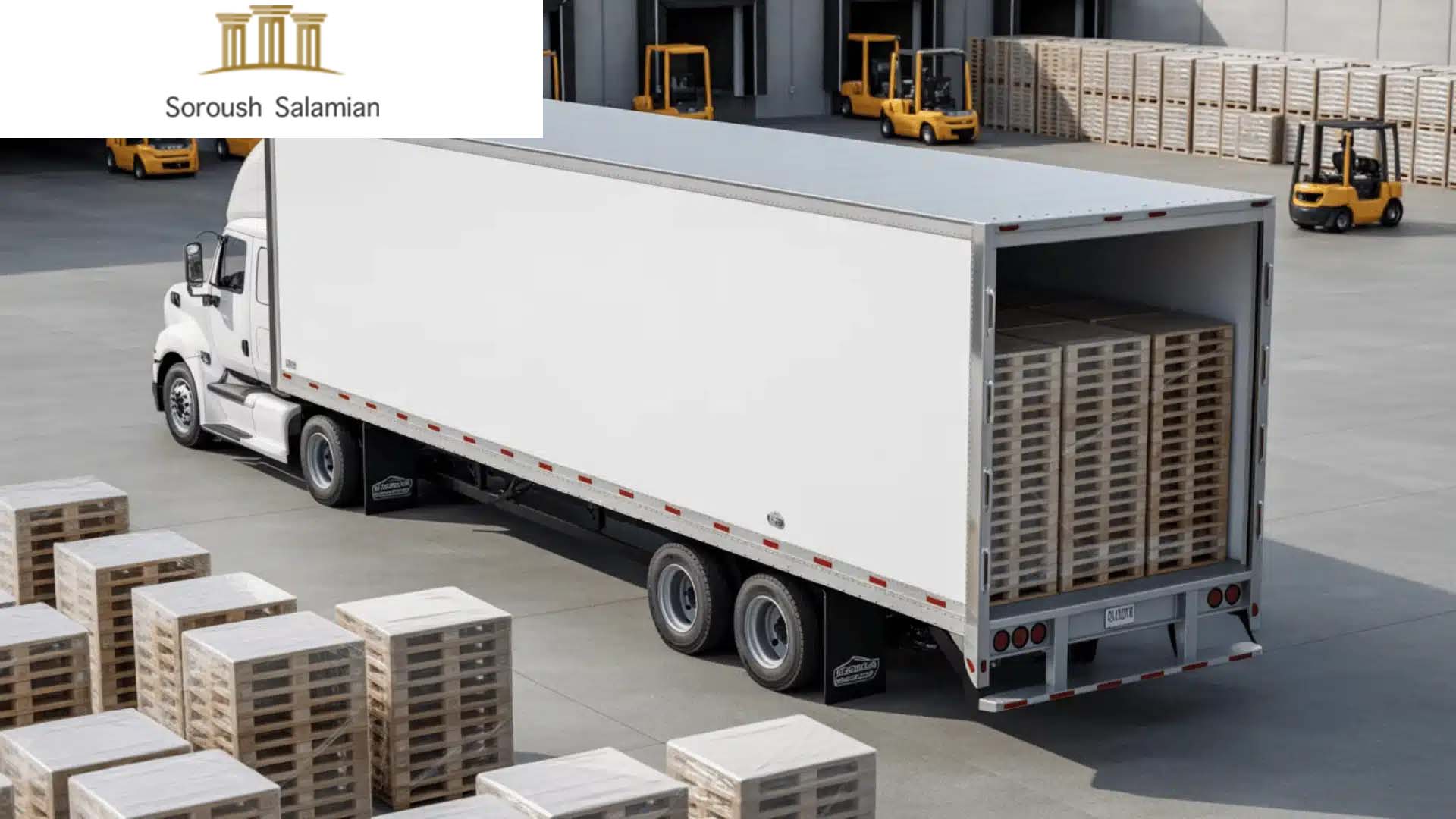
The Carrier’s Liability for Damage During Loading and Unloading
In many cases, the carrier plays a central role in managing the loading and unloading process and may therefore be held responsible for damages arising during these stages. Such liability may arise when failures in coordination, supervision, or the selection of appropriate transport methods lead to cargo damage.
In some transport agreements, the carrier is required to supervise the entire process even if the physical handling is performed by third-party operators. In these situations, any failure in oversight or in selecting competent contractors may ultimately lead to liability on the part of the carrier.
However, if it can be demonstrated that the damage occurred due to factors beyond the carrier’s control, the carrier may be released from liability. Accordingly, a careful examination of the contractual terms and transport documentation is crucial to determining responsibility.
The Cargo Owner’s Responsibility for Loading-Related Damage
The cargo owner may also contribute to damage occurring during loading or unloading in certain situations. One of the most common causes is improper packaging. If goods are not packaged adequately and this results in damage during handling, responsibility may fall on the cargo owner.
Providing inaccurate information regarding the nature of the cargo, its weight, or its storage requirements can also lead to operational problems and potential damage. In such circumstances, the carrier or port operator may be unable to perform the handling process correctly. For this reason, cargo owners are required to provide accurate information and ensure that goods are packaged in accordance with appropriate standards to reduce the risk of damage during loading and unloading.

The Role of Port Companies and Stevedoring Operators in Compensation for Damage
Port companies and stevedoring operators play one of the most significant roles in loading and unloading operations, as they perform the primary physical handling of cargo. When damage occurs during this stage, liability assessments often focus on the performance of these entities.
These companies are expected to use proper equipment, trained personnel, and safe handling procedures in order to minimize the risk of damage. If the damage results from operator error, equipment malfunction, or failure to comply with safety standards, responsibility for compensation may rest with the port operator.
For this reason, proper documentation of loading and unloading operations is extremely important. Operational reports, photographic records, and documentation of the cargo’s condition before and after handling are essential tools for determining liability.
On the other hand, port operators may avoid liability if they can demonstrate that the damage resulted from circumstances beyond their control. This makes cooperation among carriers, cargo owners, and port operators essential for maintaining transparency throughout the process. Ultimately, the goal is to ensure that loading and unloading operations are conducted with minimal risk and maximum clarity.
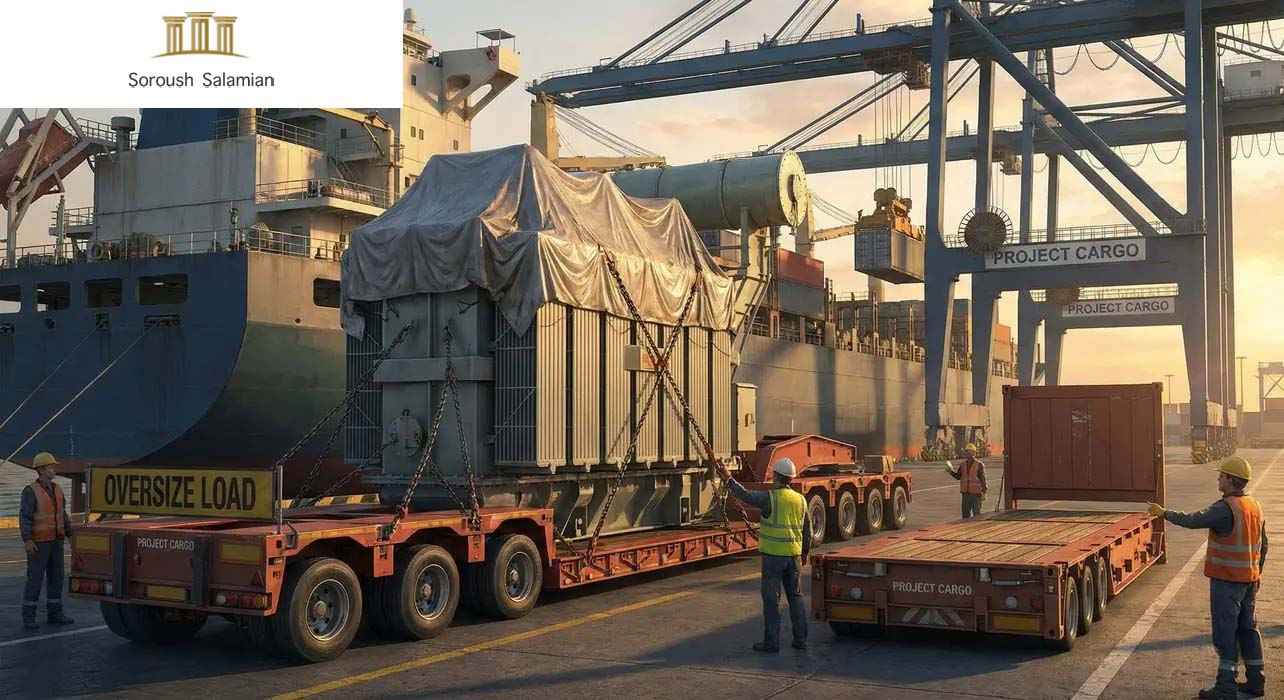
The Most Common Types of Damage During Loading and Unloading
Various types of damage can occur during loading and unloading operations, some of which are particularly common.
One of the most frequent types is impact damage or breakage caused by cargo falling during handling. This often occurs when packaging is inadequate or when inappropriate equipment is used.
Another common form of damage is crushing, which can happen when goods are subjected to excessive pressure during stacking or temporary storage. In these situations, heavier cargo may be placed on top of lighter items, resulting in serious damage.
Moisture or water penetration is also a frequent issue in ports and warehouses and can significantly reduce the quality of goods. In addition, superficial damage such as scratches or torn packaging may occur. Even if such damage does not affect the goods’ functionality, it can still reduce their commercial value.
Understanding these common forms of damage helps investigators identify the exact cause of the loss and determine liability more accurately.
How Is the Cause of Damage During Loading and Unloading Proven?
Establishing the cause of damage during loading and unloading is a key step in determining legal liability. This process typically relies on a combination of documents and evidence to identify exactly when and why the damage occurred.
One of the most important sources of evidence is official transport documentation, which records the cargo’s condition before and after handling. Photographs and video recordings taken at the loading or unloading site can also play a critical role, as they may clearly show when the damage occurred.
Testimony from individuals present during the operation, such as workers or supervisors, may also help clarify the circumstances of the incident.
In some cases, technical experts are appointed to assess the type of damage and determine its likely cause. Their analysis can establish whether the damage resulted from impact, pressure, improper packaging, or other operational factors. Together, these forms of evidence help ensure a fair determination of liability and reduce the likelihood of prolonged disputes.
The Role of Insurance in Covering Damage During Loading and Unloading
Insurance is one of the most important tools for managing risk in loading and unloading operations. In many transport agreements, cargo is insured so that losses can be compensated if damage occurs.
Insurance coverage can significantly reduce disputes between parties and facilitate a faster compensation process. Typically, insurance policies cover damage caused by unexpected incidents or operational errors occurring during loading or unloading. However, the scope of coverage depends on the policy terms and the specific insurance agreement.
Some policies cover only certain types of damage, while others provide broader protection. To make a successful insurance claim, it is usually necessary to submit detailed documentation such as incident reports, photographs, and transport records.
Without proper documentation, the compensation process may face serious obstacles. Therefore, accurate recordkeeping throughout the transportation process is essential. Ultimately, insurance serves as an important financial safeguard in managing transportation risks.
How Are Disputes Over Damage During Loading and Unloading Resolved?
Disputes concerning damage during loading and unloading typically arise when the parties disagree about the cause of the loss or who bears responsibility.
The first step in resolving such disputes is usually the review of relevant documents and evidence in order to obtain a clear picture of the transportation process. These documents may include the transport contract, loading reports, delivery receipts, and insurance records.
Next, independent experts may be appointed to conduct a technical assessment. Their professional analysis of the damage and the conditions under which it occurred often plays a decisive role in resolving the dispute.
If the parties cannot reach a settlement through negotiation, the matter may be referred to arbitration or legal authorities. In such cases, the applicable transport laws and the contractual provisions will guide the final decision. The ultimate objective is to achieve a fair resolution while avoiding prolonged and costly disputes.
Why Is Understanding Liability for Loading and Unloading Damage Important?
Understanding liability for damage during loading and unloading is essential for all participants in the transportation industry. This awareness helps prevent financial losses and legal disputes by clarifying the responsibilities of each party.
When every party clearly understands its obligations, the risk of operational mistakes and misunderstandings is significantly reduced. Cargo owners can ensure proper packaging and choose reliable transportation services, while carriers and port operators can implement standardized procedures to minimize the risk of damage.
A clear understanding of these responsibilities ultimately leads to more transparent, safer, and more professional loading and unloading operations. This is important not only from a financial perspective but also for improving the overall efficiency and reliability of the supply chain.

Frequently Asked Questions About Liability for Damage During Loading and Unloading
It refers to the legal and operational responsibilities that determine which person or entity is accountable if cargo is damaged during loading or unloading. The allocation of liability depends on the transport contract, the nature of the goods, and the role of each party involved.
Liability may fall on several parties, including the carrier, port operator, stevedoring personnel, or even the cargo owner. The responsible party is determined based on when the damage occurred and the specific error that caused it.
The cause of damage is typically established through transport reports, photographs from the loading or unloading site, witness statements, and technical expert assessments. These sources help identify the exact timing and reason for the damage.
Insurance can compensate for damage occurring during loading and unloading in accordance with the terms of the insurance policy. Filing a claim usually requires supporting documents such as incident reports and transport documentation.
Yes. If the goods are improperly packaged or incorrect information about the cargo is provided, the cargo owner may share responsibility for the resulting damage.
Common types of damage include breakage, impact damage, crushing, moisture intrusion, and superficial damage such as scratches or torn packaging. These often result from improper handling or unsuitable equipment.
Disputes are usually addressed first through document review and expert analysis. If the parties cannot reach an agreement, the matter may be referred to arbitration or legal authorities for resolution based on the contract and applicable laws. What does liability for damage during loading and unloading mean?
Who may be responsible for damage during loading and unloading?
How can the cause of damage during loading and unloading be determined?
What role does insurance play in loading and unloading damage?
Can the cargo owner also be responsible for damage?
What are the most common types of damage during loading and unloading?
How are disputes over this type of damage resolved?



What if the damage happens while the cargo is being moved from the warehouse to the loading area, before it reaches the truck?
That can depend on who had custody and control of the cargo at that stage. The warehouse operator, carrier, or another contractor may be responsible depending on the contract and the actual handling arrangements. Establishing the exact point when the damage occurred is usually important.
If the crane operator drops the cargo but the crane belongs to the port, who would the claim normally be against?
The port operator or stevedoring company may have direct responsibility if the damage resulted from equipment failure or operator error. However, the carrier’s contractual duties and any supervision obligations should also be reviewed before deciding which party or parties to pursue.
Can the carrier be liable even if its own employees never touched the cargo during loading?
Potentially, yes. A carrier can sometimes remain responsible where it had a contractual duty to supervise loading or selected the third-party operator that performed the work. Liability does not always depend on who physically handled the goods.
What if the loading team says the packaging was weak but they never mentioned that before lifting the cargo?
That could be relevant to the dispute. If a packaging problem was obvious before handling and no warning or reservation was made, that may affect how responsibility is assessed. The condition of the packaging and the handling method would still need to be examined together.
If cargo is scratched during unloading but still works perfectly, is there still a valid claim?
Possibly. Physical damage does not have to make the cargo unusable to cause a recoverable loss. Scratches or other superficial damage can reduce commercial or resale value, but the amount of that reduction would normally need to be supported with evidence.
What if nobody actually saw the accident and the damage was only noticed after unloading was finished?
A claim may still be possible. Transport documents, photographs, CCTV footage, handling records, witness statements, and expert analysis can help establish when and how the damage most likely occurred even where there was no direct eyewitness.
Can the consignee refuse to sign the delivery receipt if they think the cargo was damaged during unloading?
The consignee should be careful about signing a clean receipt where visible damage exists. Recording reservations or the apparent condition of the cargo at delivery can be important evidence later. The appropriate wording and procedure can depend on the transport documents and circumstances.
What happens if the wrong forklift was used because the cargo weight was listed incorrectly?
Responsibility may depend on who supplied the incorrect weight information and whether the equipment operator should nevertheless have identified the risk. Incorrect cargo information can contribute to liability, but the operator’s own handling and safety procedures may also need to be examined.
If rain damages the cargo while it is waiting between unloading and warehouse storage, is that still considered unloading damage?
It can fall into a legally sensitive transition period. The key issue is often who had custody of the cargo and what contractual stage the transport had reached when the exposure occurred. Port records and delivery documentation may be especially important.
Can the carrier and stevedore both be responsible if poor supervision and bad handling happened at the same time?
Yes, shared responsibility is possible. Loading and unloading disputes often involve several parties, and more than one act or omission may contribute to the loss. The contracts, operational records, and expert findings would usually be needed to determine each party’s share of responsibility.