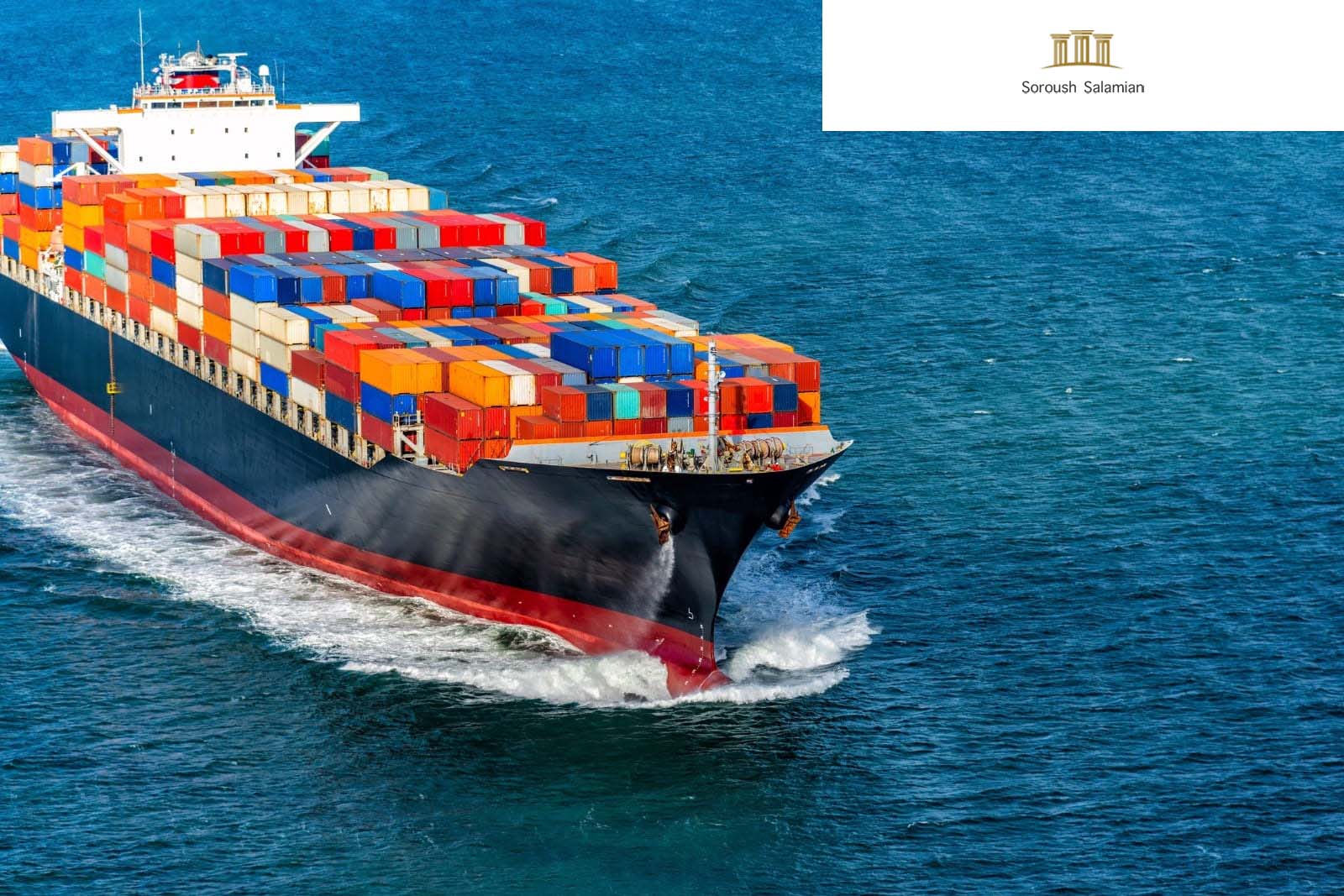
What Is a Letter of Credit (LC), and What Role Does It Play in International Shipping? A Letter of Credit (LC) is one of the most important financial instruments used in international trade and shipping. Issued by a bank, it assures the seller that payment will be made upon presentation of the agreed documents in...Read More
The Importance of Filing Insurance Claims for Lost Cargo Properly When cargo is lost, the first and most important step is to report the incident to the insurance company as quickly as possible. Many cargo insurance policies contain strict time limits for notifying claims, and if the cargo owner or transport company delays taking action,...Read More
The Importance of Complying With Legal Requirements for Dangerous Goods Transportation The transportation of dangerous goods is one of the most sensitive areas of the transport industry, and compliance with legal requirements is extremely important. Dangerous goods include materials that, if transported improperly, may create risks for people, the environment, vehicles, and infrastructure. Chemicals, flammable...Read More
The Importance of Transport Company Liability in Refrigerated Cargo Transportation Refrigerated cargo transportation is one of the most sensitive areas of the transport industry. Even the smallest disruption in storage temperature can cause product spoilage, heavy financial losses, and, in some cases, serious risks to consumer health. For this reason, the responsibility of a transport...Read More
The Importance of Warehouse Receipts in Transportation and the Supply Chain A warehouse receipt is one of the most important documents in the transport, logistics, and commercial trade sectors. It is issued when goods are delivered to a warehouse and the warehouse operator confirms receipt of the cargo. Many legal disputes in transportation, cargo storage,...Read More
The Special Importance of Contracts in Bulk Cargo Transportation The transportation of bulk cargo is one of the most sensitive and high‑risk sectors of commercial transport. The high financial value of goods, large cargo volumes, long transport routes, and the involvement of multiple stakeholders mean that even a minor contractual ambiguity can lead to serious...Read More
An Overview of the Framework for the Legal Protection of Seafarers Under International Law The protection of seafarers at the international level consists of a set of rules and procedures that operate through two main channels: first, international conventions and regulations that states are obliged to implement; and second, practical enforcement and oversight through the...Read More
Why do maritime security interests matter? Maritime security interests are a key branch of maritime law that enables creditors to secure claims against a vessel and its connected interests. Given the high value of ships and the far-reaching consequences of their arrest or judicial sale, the rules governing maritime security are critical to protecting creditors,...Read More
Why do delivery delay penalties matter in maritime law? Delays in cargo delivery or vessel turnaround at ports can lead to high financial and operational costs, including vessel waiting time, storage charges, lost sales opportunities, and disruptions to fleet scheduling. For that reason, maritime law has developed a set of contractual and customary rules to...Read More
What legal action should be taken after a cargo hijacking? Cargo hijacking is a critical incident that can cause immediate financial loss while also triggering complex legal consequences. Whether the incident occurred within one country or along an international route, the mode of transport involved, and the presence or absence of insurance will all shape...Read More